High Systolic Blood Pressure: What Your Results Mean and When to Act

High systolic blood pressure means the top number is elevated; it can signal higher heart and stroke risk and should be confirmed and assessed by a doctor.
Key Takeaways
- Systolic blood pressure is the top number and reflects pressure in the arteries when the heart contracts.
- For many adults, a systolic reading below 120 mmHg is considered normal, while repeated readings of 130 mmHg or higher may need medical assessment.
- A single high reading can happen because of stress, pain, activity, caffeine, or measurement errors, so correct technique and repeat checks matter.
- High systolic blood pressure becomes more common with age, especially when arteries stiffen, but it should not be ignored as a normal part of aging.
- Lifestyle changes, home monitoring, and sometimes medication can help lower systolic blood pressure and reduce long-term cardiovascular risk.
- Urgent care is needed if blood pressure is very high and occurs with symptoms such as chest pain, severe headache, shortness of breath, weakness, or confusion.
High systolic blood pressure means the top number in a blood pressure reading is above the healthy range. One high result does not always mean disease, but repeated elevated readings can be medically important because they increase the risk of heart, brain, kidney, and blood vessel problems.
What high systolic blood pressure means
High systolic blood pressure means the top number in a blood pressure reading is higher than the recommended range. The systolic number measures the pressure inside the arteries when the heart pumps blood out to the body. If this number stays elevated over time, it places extra strain on the heart and blood vessels.
In adults, blood pressure is usually written as systolic over diastolic, such as 118/76 mmHg. In general, a systolic reading below 120 mmHg is considered normal. Readings from 120 to 129 mmHg are considered elevated, and repeated systolic readings of 130 mmHg or above may meet the definition of high blood pressure, depending on how and where they are measured and whether they are confirmed over time.
Results can vary by age, sex, body size, activity level, emotional stress, and medical context. Older adults are more likely to develop a pattern called isolated systolic hypertension, in which the top number is high but the bottom number is normal or near normal. Even so, the main question is not age alone, but whether the elevation is persistent and meaningful enough to raise the risk of complications such as hypertension, heart disease, stroke, or kidney damage.
Understanding the range and why one number may be high
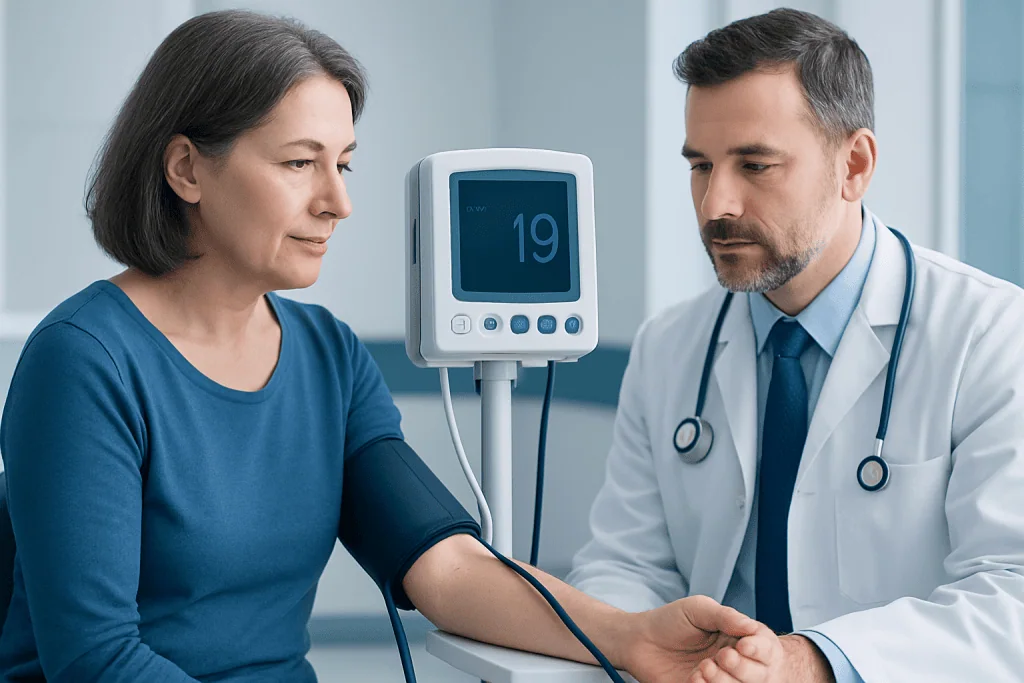
The systolic value often rises earlier than the diastolic value when blood vessels become less elastic. This is one reason why the top number can be especially important in midlife and later life. Research and clinical guidelines show that sustained high systolic pressure is strongly linked to long-term cardiovascular risk.
A single reading should be interpreted carefully. Blood pressure naturally changes from minute to minute and may rise with exercise, anxiety, pain, nicotine, caffeine, a full bladder, or even talking during the measurement. Some people also have higher readings in medical settings, often called white coat hypertension, while others may have normal office readings but elevated readings at home or during daily life.
For this reason, clinicians usually look for a pattern rather than reacting to one isolated number, unless the reading is very high or accompanied by warning symptoms. Home monitoring or 24-hour ambulatory monitoring can help show whether the systolic pressure is consistently elevated and whether treatment is needed.
Common symptoms and why high systolic pressure is often silent

High systolic blood pressure often causes no clear symptoms. Many people feel well and discover it only during a routine check, health screening, or evaluation for another issue. That is why regular blood pressure measurement remains important, especially for adults with family history, excess weight, diabetes, kidney disease, or cardiovascular risk factors.
When symptoms do occur, they are not always specific and may include headaches, dizziness, palpitations, or a sense of pressure. However, these symptoms do not reliably tell whether blood pressure is high. It is possible to have significantly elevated systolic pressure with no symptoms at all, and it is also possible to have symptoms that are caused by something else entirely.
If a person has very high blood pressure together with chest pain, shortness of breath, weakness on one side, trouble speaking, fainting, severe headache, vision changes, or confusion, urgent medical evaluation is needed. These symptoms may point to a hypertensive emergency or a serious complication such as stroke or acute heart disease.
Causes and risk factors
Several factors can contribute to high systolic blood pressure. The most common is primary hypertension, which develops gradually over time due to a combination of genetics, aging, diet, weight, physical inactivity, alcohol use, poor sleep, and other lifestyle or environmental influences. Arterial stiffness is a major reason systolic pressure rises with age.
Secondary causes are less common but important to recognize. These include kidney disease, thyroid problems, sleep apnea, some hormonal conditions, and certain medications such as decongestants, anti-inflammatory drugs, corticosteroids, stimulants, or oral contraceptives in some individuals. Heavy alcohol use and some recreational drugs can also raise systolic pressure.
Risk is higher in people with obesity, diabetes, chronic kidney disease, smoking history, high cholesterol, family history of hypertension, and low physical activity. A doctor may also consider whether related conditions such as arrhythmia or structural heart problems are present, because overall cardiovascular risk helps guide how aggressively blood pressure should be managed.
How doctors confirm the diagnosis
Diagnosing high systolic blood pressure starts with proper measurement. The patient should be seated quietly for several minutes, with the back supported, feet flat on the floor, and arm supported at heart level. The cuff size must fit correctly. Readings are usually repeated, often in both arms at least once, and the average is used.
If systolic pressure appears high, the next step is often confirmation outside the clinic. Home blood pressure monitoring can provide multiple readings over several days, while ambulatory blood pressure monitoring records measurements over 24 hours during usual activities and sleep. These methods help identify white coat hypertension and masked hypertension.
Doctors may also order tests to look for causes and complications. Depending on the situation, this can include blood tests, urine tests, an electrocardiogram, or assessment of kidney function, cholesterol, and blood sugar. In some patients, imaging or specialist evaluation may be recommended to assess heart and blood vessel health, including cardiology evaluation when cardiovascular risk appears significant.
Treatment options and how the top number is lowered
Treatment depends on how high the systolic reading is, whether the elevation is persistent, and the person’s overall risk of heart, brain, and kidney disease. For mildly elevated readings, doctors may first recommend lifestyle changes and monitoring. If systolic pressure is clearly high, remains elevated despite healthy habits, or occurs along with diabetes, kidney disease, prior stroke, or cardiovascular disease, medication may also be needed.
Medication choices vary by age, medical history, and other conditions. Common classes include diuretics, ACE inhibitors, angiotensin receptor blockers, calcium channel blockers, and others when appropriate. The goal is not simply to lower a number, but to reduce the risk of complications safely and steadily while avoiding side effects such as dizziness or overly low blood pressure.
Lifestyle changes remain central even when medication is prescribed. Doctors commonly advise reducing sodium intake, following a heart-healthy eating pattern, maintaining a healthy weight, exercising regularly, improving sleep, limiting alcohol, and stopping smoking. In selected patients, supportive evaluation through a preventive health check-up or specialist care such as cardiovascular surgery may be relevant if there is an underlying structural heart or vascular issue, though surgery is not a routine treatment for simple high blood pressure.
Self-care, monitoring, and prevention
Home blood pressure monitoring can be very helpful for people with high systolic blood pressure. A validated upper-arm monitor is usually preferred. Measurements are often taken at the same times each day, such as morning and evening, with several readings recorded over a week. Keeping a log helps the doctor see trends rather than isolated numbers.
Daily habits can make a meaningful difference. A diet rich in vegetables, fruits, whole grains, beans, nuts, and lean protein may help lower blood pressure, especially when sodium is limited. Regular aerobic activity, stress management, maintaining a healthy weight, and getting enough sleep also support better blood pressure control.
Prevention focuses on long-term consistency rather than quick fixes. People should not stop prescribed medication because one home reading looks normal. Blood pressure management works best when patients and clinicians review patterns together and adjust the plan step by step.
When to seek medical care
A person should arrange medical review if home or office readings repeatedly show a high systolic number, especially if the top number is 130 mmHg or higher on multiple checks. Assessment is also important if elevated readings occur along with diabetes, kidney disease, pregnancy, a history of stroke, or existing heart disease, because these situations can change treatment targets and urgency.
Urgent care is needed if blood pressure is severely elevated or if high readings come with chest pain, severe shortness of breath, fainting, new weakness, trouble speaking, severe headache, confusion, or vision loss. These warning signs need prompt evaluation rather than home monitoring alone.
Near the end of the care pathway, some people benefit from multidisciplinary follow-up to manage blood pressure together with cholesterol, diabetes, kidney health, and lifestyle factors. Acibadem International’s multidisciplinary specialists and JCI-accredited hospitals diagnose and treat high blood pressure and related cardiovascular conditions for international patients.
Frequently asked questions
What is considered a high systolic blood pressure reading?
In general, systolic blood pressure is the top number in a reading, and below 120 mmHg is considered normal for many adults. Repeated readings of 130 mmHg or higher may indicate high blood pressure, especially when confirmed with proper technique or home monitoring.
Is one high top number enough to diagnose high blood pressure?
Usually not. Blood pressure can rise temporarily because of stress, pain, caffeine, exercise, or incorrect measurement. Doctors usually look for repeated elevated readings over time, unless the number is very high or there are urgent symptoms.
Why can systolic blood pressure be high when diastolic pressure is normal?
This pattern is called isolated systolic hypertension. It becomes more common with age because arteries may become stiffer, causing the top number to rise more than the bottom number.
Can high systolic blood pressure cause symptoms?
Often it does not cause noticeable symptoms, which is why it is sometimes called a silent problem. When symptoms happen, they are not specific, so a measurement is more reliable than how a person feels.
How can someone lower high systolic blood pressure naturally?
Healthy habits can help lower systolic pressure, including reducing sodium, eating a heart-healthy diet, staying physically active, reaching a healthy weight, sleeping well, limiting alcohol, and not smoking. These steps are often used together and may be recommended even if medication is also needed.
When is high systolic blood pressure an emergency?
It can be an emergency when the blood pressure is very high and the person also has symptoms such as chest pain, severe headache, confusion, weakness, trouble speaking, shortness of breath, or vision changes. In that situation, immediate medical care is important.
This article is for general information only and is not a substitute for professional medical advice. Please consult a qualified doctor about your individual situation.
Explore treatments in Turkey — costs, top hospitals & a free quote
JCI-accredited · board-certified surgeons · reply within 24h
Add us as a Preferred Source to see more of our trusted health content across Google Search, AI Overviews and Discover.
Check your numbers in seconds
BMI, calories, due date, blood pressure and 30+ more clinical calculators — free, instant, doctor-reviewed ranges.

Pathology Specialists at Acibadem





More from the Health Library

Normal EGFR by Age: Charts, Ranges, and What Your Numbers Mean

ESR (Sedimentation Rate) Blood Test: What Low and High Levels Mean — and What to Do Next

Oatmeal for Low Cholesterol Diet: Normal Ranges, High and Low Results Explained

Hba1c Levels: What Your Results Mean and When to Act

AST (SGOT) Blood Test: What Low and High Levels Mean — and What to Do Next