Hip Pain: Common Causes, Related Conditions, and When to See a Doctor

Hip pain may come from the joint, soft tissues, lower back, or nerves, so the exact location of pain matters. Common causes include overuse injuries, arthritis, bursitis, tendon problems, and referred pain from the spine.
Key Takeaways
- Hip pain may come from the joint, soft tissues, lower back, or nerves, so the exact location of pain matters.
- Common causes include overuse injuries, arthritis, bursitis, tendon problems, and referred pain from the spine.
- Doctors diagnose hip pain through history, physical examination, and sometimes imaging such as X-rays or MRI.
- Treatment depends on the cause and may include activity changes, physiotherapy, medications, injections, or surgery.
- Urgent assessment is important after a fall, with fever, or when pain prevents standing or walking.
Hip pain is a common symptom that can start in the hip joint itself or come from nearby muscles, tendons, the lower back, or nerves. Many causes improve with rest and targeted care, but persistent, severe, or sudden hip pain should be evaluated by a doctor.
Overview: what hip pain usually means
Hip pain is not a diagnosis by itself. It is a symptom that can come from the hip joint, the cartilage and bone around it, nearby muscles and tendons, bursae, or structures outside the hip such as the lower back. In many people, hip pain is related to strain, overuse, arthritis, or inflammation, but the best treatment depends on identifying the true source.
The location of discomfort often gives useful clues. Pain felt deep in the groin is more likely to come from the hip joint, while pain on the outer side of the hip may be linked to tendons or bursitis. Pain in the buttock can sometimes reflect muscle problems or be referred from the spine. Because symptoms can overlap, a careful medical evaluation is often needed when pain persists.
Hip pain can affect daily life in different ways. Some people notice stiffness when getting out of a chair, while others feel sharp pain with walking, climbing stairs, or sleeping on one side. A practical approach is to consider the pattern of symptoms, how long they have been present, and whether there was an injury or gradual build-up over time.
Common symptoms that can accompany hip pain
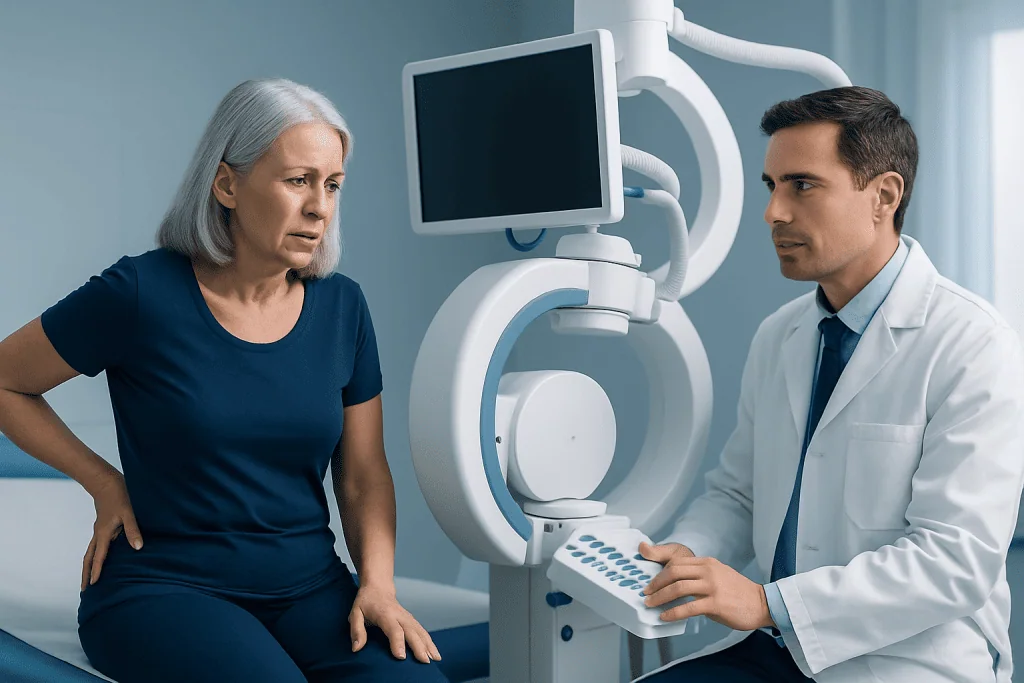
People describe hip pain in different ways, including aching, sharp pain, burning, stiffness, catching, or a sense of weakness. Symptoms may be constant or only appear during activity. Some people notice reduced range of motion, making it harder to bend, squat, cross the legs, or put on shoes and socks.
Other symptoms can help point toward a cause. Morning stiffness or pain that eases after movement may occur with arthritis. Pain that worsens after exercise may suggest tendon or muscle strain. Clicking, locking, or catching in the joint can occur with labral problems or cartilage irritation. Numbness, tingling, or pain running down the leg may suggest a spinal or nerve-related problem rather than a primary hip disorder.
- Groin pain may suggest a hip joint problem.
- Outer hip tenderness may suggest bursitis or tendon irritation.
- Buttock pain may be related to deep muscles or the lower back.
- Limping can occur when pain, weakness, or stiffness affects walking.
- Night pain deserves attention, especially if it is persistent or worsening.
Children, athletes, older adults, and pregnant women can all experience hip pain, but the likely causes may differ by age and activity level. For example, sports injuries are more common in active younger adults, while osteoarthritis is more common with increasing age.
Common causes and related conditions
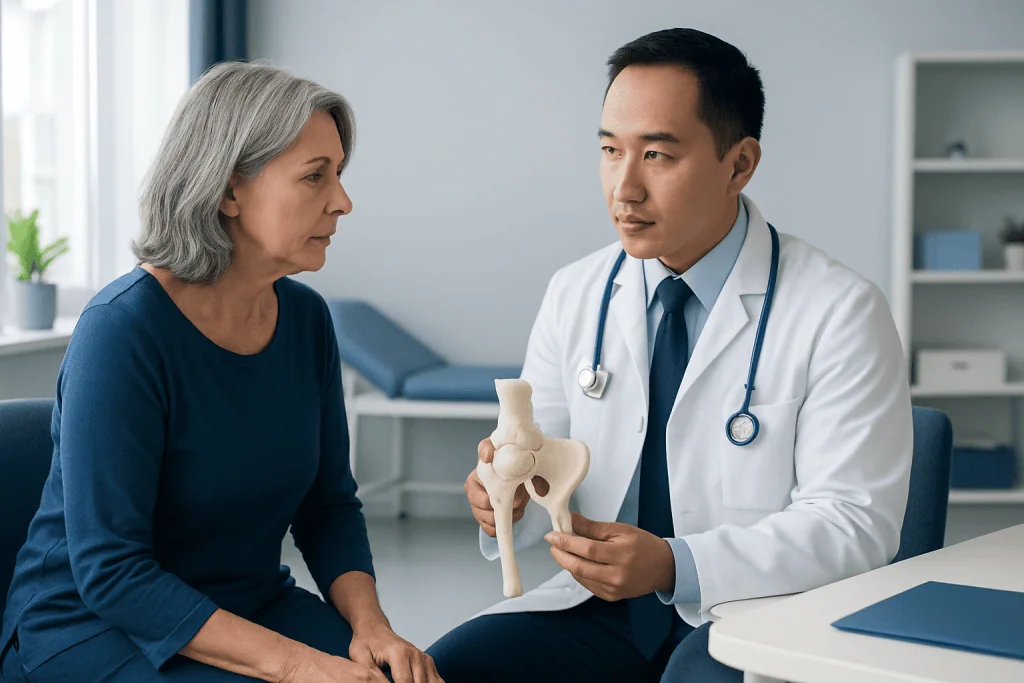
A wide range of conditions can lead to hip pain. Soft-tissue causes are common and include muscle strain, tendon inflammation, and bursitis. A frequent source of pain on the outer side of the hip is hip bursitis, in which a small fluid-filled sac becomes irritated. Tendon problems around the hip can also cause pain when walking, climbing stairs, or lying on the affected side.
Joint-related causes include wear-and-tear arthritis, inflammatory arthritis, labral tears, and femoroacetabular impingement. Osteoarthritis often causes groin pain, stiffness, and reduced movement that gradually worsen over time. In younger or athletic individuals, structural issues in the joint may lead to pinching pain during bending or twisting movements.
Some hip pain is referred from nearby areas rather than coming from the hip itself. Lower back problems, sacroiliac joint irritation, and nerve compression can produce pain in the buttock, groin, or upper thigh. In a similar way, knee or pelvic problems can change walking patterns and place extra stress on the hip.
Less common but important causes include fractures, especially after a fall; avascular necrosis, where blood supply to the bone is reduced; infection; and inflammatory disease. These causes are less frequent, but they are medically important because they may need urgent or specialist treatment.
How doctors diagnose the cause of hip pain
Diagnosis begins with a detailed history. A doctor will usually ask where the pain is felt, when it started, whether there was an injury, what movements trigger it, and whether symptoms include stiffness, fever, weakness, numbness, or difficulty walking. Knowing whether pain is sudden or gradual, and whether it is worse at night or in the morning, can help narrow the possibilities.
A physical examination follows. The doctor may assess posture, walking pattern, leg length, muscle strength, and range of motion. Gentle movements of the hip, lower back, and knee can help determine whether the pain is truly coming from the hip joint or being referred from another area.
Imaging and tests are used when needed rather than for every patient. X-rays can show arthritis, fractures, and some structural changes. Ultrasound may help evaluate bursae or tendons. MRI can provide more detail about cartilage, the labrum, tendons, bone stress injuries, or early avascular necrosis. Blood tests may be ordered if infection or inflammatory arthritis is suspected.
This step-by-step assessment is important because treatment can differ greatly depending on the cause. For example, a muscle strain is managed differently from arthritis, and referred pain from the lower back requires a different plan than a problem inside the hip joint.
Treatment options for hip pain
Treatment depends on the diagnosis, symptom severity, and how much daily function is affected. For many mild to moderate cases, initial management includes reducing activities that aggravate pain, using cold or heat as advised, and beginning a structured rehabilitation plan. Guided exercise can improve flexibility, muscle support, balance, and movement patterns around the hip.
Medicines may also help. Doctors may recommend pain relievers or anti-inflammatory medicines when appropriate, taking into account a person’s overall health and other medications. In some cases, image-guided injections can reduce inflammation and pain, especially when bursitis or arthritis is involved.
Physiotherapy is often a central part of care. A tailored program may strengthen the gluteal muscles, improve core stability, restore hip range of motion, and reduce strain on irritated tissues. If symptoms arise from the lower back or altered movement mechanics, treatment may also address those contributing factors.
When conservative treatment does not provide enough relief, specialist procedures may be considered. These can range from hip arthroscopy for selected structural problems to hip replacement surgery for advanced joint damage. In cases where imaging is needed to guide diagnosis and treatment planning, MRI evaluation may be part of the work-up. Near the end of the care pathway, Acibadem International’s multidisciplinary specialists in JCI-accredited hospitals diagnose and treat hip conditions for international patients when advanced evaluation or treatment is needed.
Self-care, prevention, and protecting hip function
Not every cause of hip pain can be prevented, but good movement habits can lower the risk of flare-ups and overuse injuries. Warm-up before exercise, increasing training intensity gradually, and wearing appropriate footwear can help reduce strain on the hip and surrounding muscles. People who spend long periods sitting may benefit from regular movement breaks and stretching.
Maintaining a healthy body weight can reduce mechanical stress on the hip joint. Strengthening the gluteal muscles, thighs, and core may improve joint support and movement control. Flexibility exercises can also be helpful, although aggressive stretching should be avoided when it causes sharp pain.
At home, short-term self-care may include relative rest rather than complete immobility. Activities can be modified to stay within a comfortable pain range. Some people find it helpful to avoid sleeping directly on the painful side or to place a pillow between the knees for comfort. If symptoms are lasting, repeating, or worsening, self-care alone is not enough and professional assessment is advisable.
Prevention also includes addressing related conditions early. For example, ongoing lower back pain, repeated sports injuries, or gait changes after a knee problem may contribute to hip pain over time. Managing these issues promptly can help protect long-term hip function.
When to seek medical care
Hip pain should be assessed promptly if it starts after a fall or other injury, if the person cannot stand or walk, or if the hip looks deformed. Medical review is also important when pain is accompanied by fever, redness, significant swelling, or severe night pain, as these features may suggest infection or another serious cause.
A non-urgent medical appointment is reasonable when hip pain lasts more than a few days to weeks, keeps returning, limits exercise or daily activities, or is associated with stiffness and loss of motion. Pain that spreads from the back into the hip and leg, or is accompanied by numbness or weakness, should also be discussed with a doctor because the source may be neurological rather than purely joint-related.
Early evaluation can sometimes prevent a minor issue from becoming a chronic one. It can also help avoid unnecessary rest, since many causes of hip pain improve best with the right kind of movement rather than complete inactivity. A qualified doctor can explain the likely cause and recommend the safest next steps.
Frequently asked questions
What is the most common cause of hip pain?
Common causes of hip pain include muscle or tendon strain, bursitis, and osteoarthritis. The most likely cause depends on age, activity level, and where the pain is felt, such as the groin, outer hip, or buttock.
How can someone tell if hip pain is coming from the back instead of the hip?
Pain caused by the lower back may spread into the buttock, hip, or leg and can be linked with tingling, numbness, or weakness. A doctor can usually separate back-related pain from true hip joint pain through examination and, if needed, imaging.
When should hip pain be considered urgent?
Urgent assessment is needed after a fall, if the person cannot bear weight, or if the hip appears deformed. Fever, redness, marked swelling, or severe worsening pain also need prompt medical attention.
Can hip pain go away on its own?
Mild hip pain from overuse or minor strain may improve with rest, activity modification, and gradual return to movement. If symptoms persist, recur often, or interfere with walking or sleep, medical evaluation is recommended.
What tests are usually used for hip pain?
Doctors often begin with a history and physical examination. Depending on the suspected cause, they may order X-rays, ultrasound, MRI, or blood tests to look for arthritis, tendon problems, fractures, inflammation, or infection.
Is walking good for hip pain?
Gentle walking can help some people, especially when stiffness is part of the problem, but it may aggravate others depending on the cause. The safest approach is to stay active within a comfortable range and seek advice if walking increases pain.
References
- American Academy of Orthopaedic Surgeons
- National Institute of Arthritis and Musculoskeletal and Skin Diseases
- NHS
- Mayo Clinic
- American College of Rheumatology
This article is for general information only and is not a substitute for professional medical advice. Please consult a qualified doctor about your individual situation.
Joint and spine care in Turkey — expert assessment & treatment
JCI-accredited · board-certified surgeons · reply within 24h
Add us as a Preferred Source to see more of our trusted health content across Google Search, AI Overviews and Discover.

More from the Health Library



Related Specialists

Dr. Üzeyir Tırmık
Orthopedic Surgery & Traumatology
Prof. Dr. Ebubekir Şenateş
Gastroenterology
Dr. Yusuf İzzet Güngörmüş
Ophthalmology
Prof. Dr. Dilek Güven
Ophthalmology