Hip Thrusts — Explained by Medical Evidence, Not Myths

Hip thrusts primarily target the gluteal muscles and can support lower-body strength and function. Correct setup, spinal position, and gradual progression help reduce the risk of pain or strain.
Key Takeaways
- Hip thrusts primarily target the gluteal muscles and can support lower-body strength and function.
- Correct setup, spinal position, and gradual progression help reduce the risk of pain or strain.
- Hip thrusts may not suit everyone, especially people with active hip, back, or knee problems.
- Pain during or after hip thrusts should be assessed rather than ignored, particularly if it is persistent or sharp.
- A clinician or physical therapist can help modify the exercise or identify an underlying musculoskeletal issue.
Hip thrusts are a strength exercise mainly used to train the gluteal muscles, and medical evidence supports them as an effective option when technique, load, and progression are appropriate. They are not inherently harmful, but poor form, overly rapid loading, or exercising through pain can contribute to back, hip, or knee discomfort.
What hip thrusts are and what the evidence says
Hip thrusts are a resistance exercise performed by extending the hips against load, usually with the upper back supported on a bench and the feet placed on the floor. The movement is designed to strengthen the gluteal muscles, especially the gluteus maximus, while also involving the hamstrings, core, and other stabilizing muscles. In sports medicine and rehabilitation settings, hip-dominant exercises are often used to improve lower-body strength, movement control, and functional capacity.
Medical and exercise science literature generally supports hip thrusts as an effective glute-strengthening exercise. Studies comparing muscle activation patterns suggest that hip thrusts can produce substantial gluteal demand, although no single exercise is universally “best” for every person or goal. Squats, deadlifts, bridges, step-ups, and other movements may be equally useful depending on the individual’s anatomy, training history, symptoms, and rehabilitation needs.
A myth-based view often presents hip thrusts as either essential for everyone or dangerous by default. Neither is accurate. For many healthy adults, they can be a reasonable part of a balanced exercise program. For others, especially those with pain, limited mobility, recent injury, or difficulty controlling spinal and pelvic position, the exercise may need to be modified or replaced.
How hip thrusts work in the body
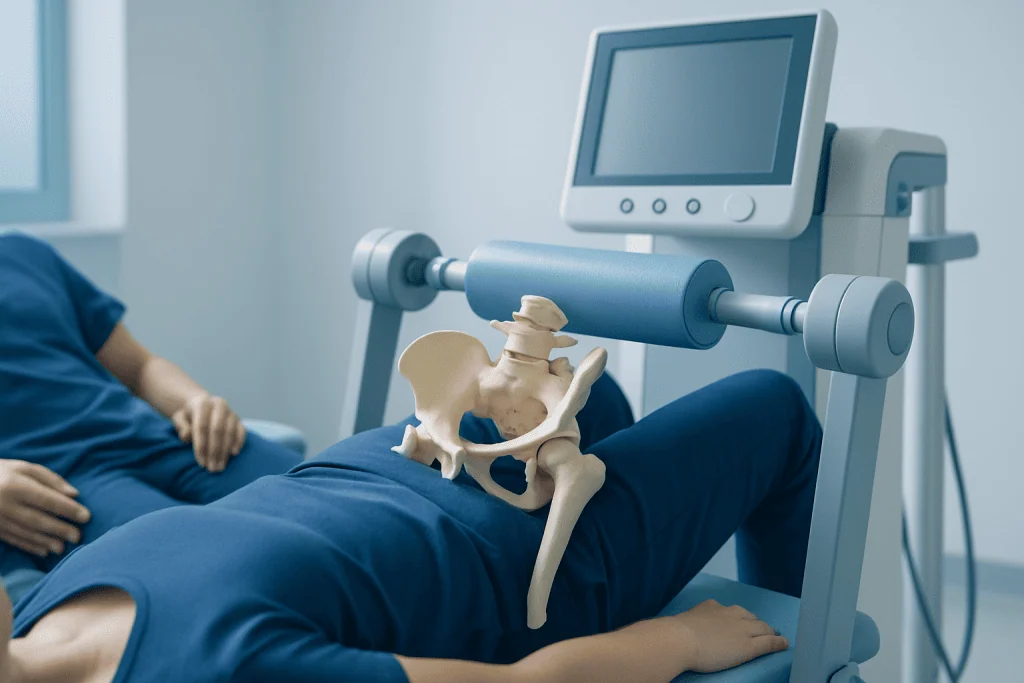
The main action in a hip thrust is hip extension, which means moving the thigh backward relative to the pelvis. The gluteus maximus is the primary muscle involved, while the hamstrings and adductor magnus can assist. The abdominal and back muscles help stabilize the trunk, and the feet, knees, and pelvis must work together to create a smooth movement pattern.
Because the exercise places high demand near the top of the movement, hip thrusts can be useful for training force production in a position where the hips are close to full extension. This is one reason athletes and rehabilitation professionals may include them in programs aimed at sprinting mechanics, climbing stairs, standing from a chair, or restoring confidence after periods of weakness.
However, the body does not isolate one muscle perfectly. If a person lacks hip mobility, core control, or glute strength, the lower back may compensate by arching excessively. Some people also push more through the front of the knees or overuse the hamstrings. This does not automatically mean injury, but it can make the exercise less comfortable and less effective if not corrected.
- Primary focus: gluteus maximus
- Supporting muscles: hamstrings, adductors, core stabilizers
- Key joints involved: hips, knees, lumbar spine, pelvis
- Main goal: controlled hip extension under load
Potential benefits and common misconceptions
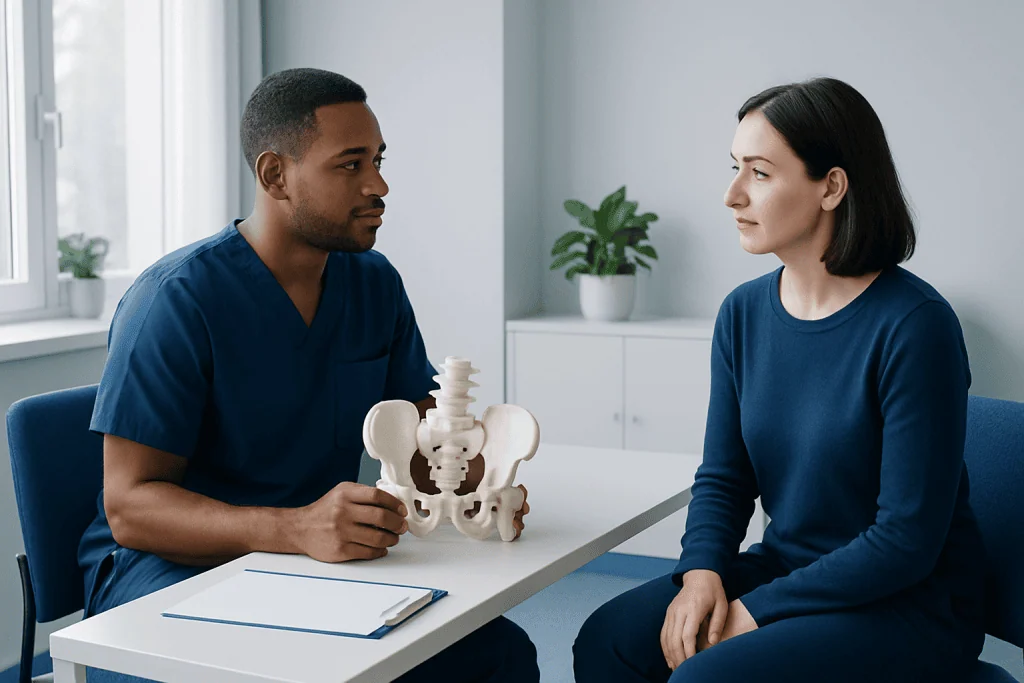
When programmed appropriately, hip thrusts can help improve glute strength, lower-body power, and movement control. Stronger gluteal muscles may contribute to better pelvic stability during walking, running, lifting, and stair climbing. In rehabilitation, glute-focused strengthening is sometimes used as part of care for certain patterns of mechanical low back pain or movement-related lower-limb symptoms, though the exercise choice should be individualized.
One common myth is that hip thrusts are only for appearance-related goals. In reality, the gluteal muscles are important for daily function and athletic movement. Another myth is that the exercise is always safer than squats or deadlifts. There is no universal hierarchy of safety. An exercise is safer when it matches the person’s abilities, medical history, and technique, and when load is increased gradually.
It is also a misconception that discomfort around the front of the hips always means the exercise is harmful. Mild muscle fatigue or a sense of effort can be normal. By contrast, sharp pain, catching, pinching, radiating symptoms, or pain that persists after exercise deserves attention. In such cases, a professional assessment may help identify whether the issue relates to form, tissue irritation, or an underlying condition such as hip impingement or another musculoskeletal problem.
Risks, side effects, and who should be cautious
Hip thrusts are generally well tolerated when performed with suitable load and technique, but they are not risk-free. The most common problems are temporary muscle soreness, pressure discomfort from the bar or bench, and symptom flare-ups in people with existing back, hip, pelvic, or knee conditions. Excessive lumbar arching, poor foot placement, and loading too heavily too soon are frequent contributors to discomfort.
People who may need extra caution include those with active low back pain, hip joint pain, groin pain, sacroiliac symptoms, recent surgery, pelvic floor symptoms, or significant knee pain. Pregnant individuals, older adults with balance limitations, and people returning after injury may also need modification rather than standard barbell hip thrusts. In these cases, lower-load options such as glute bridges, bodyweight variations, or supervised strengthening may be more appropriate.
The exercise should also be reconsidered if it repeatedly causes numbness, tingling, catching, instability, or pain that changes walking or sleep. These features can signal more than routine muscle soreness. Evaluation by a clinician may include assessment for related issues such as a herniated disc or other causes of referred pain, especially when symptoms radiate below the buttock or into the leg.
- Common temporary effects: muscle soreness, fatigue, pressure discomfort
- Technique-related risks: back overextension, knee strain, hamstring dominance
- Higher-risk situations: recent injury, uncontrolled pain, rapid load progression
How to perform hip thrusts more safely
Safer performance begins with setup. The upper back should rest securely on a stable bench or support, the feet should be planted firmly, and the knees should generally track in line with the toes. During the movement, the person should aim to lift through the hips rather than arching forcefully through the lower back. The ribs and pelvis should stay relatively controlled, and the top position should feel strong but not compressed.
Load should be increased gradually. Beginners often benefit from first learning the pattern with a bodyweight bridge or light resistance. A slow, deliberate tempo can improve awareness and reduce compensation. If discomfort appears, small changes in foot distance, bench height, range of motion, or external load may help. For some people, alternative exercises are better suited than insisting on one specific movement.
Warm-up and recovery also matter. Gentle mobility work, activation of the gluteal and core muscles, and adequate rest between sessions can support comfort and consistency. For people recovering from injury, supervised physical therapy and rehabilitation may help restore strength, flexibility, and movement quality before heavier resistance training is resumed.
Padding the bar, using a stable surface, and stopping when form breaks down are practical ways to reduce avoidable strain. If someone is unsure whether pain is related to muscular effort, joint irritation, or nerve-related symptoms, assessment by an orthopedic or rehabilitation specialist can be useful before continuing to progress the exercise.
When hip thrusts may need modification or replacement
Not everyone needs to do hip thrusts to build strong glutes. Some people feel better with floor bridges, split squats, step-ups, Romanian deadlifts, cable pull-throughs, or machine-based hip extension exercises. The best choice depends on the person’s goals, comfort, access to equipment, and overall health. A movement that can be performed consistently and without symptom aggravation is usually more useful than an exercise selected because of social media trends.
If hip thrusts trigger groin pinching, front-of-hip compression, back pain, or pelvic discomfort, clinicians often look at range of motion, trunk control, hip anatomy, and training volume. Sometimes a reduced range, different foot position, or lighter load is enough. In other cases, an alternative exercise should be used while the underlying issue is addressed.
People with ongoing joint symptoms may need targeted medical evaluation. Depending on findings, care may include imaging, medication advice, activity modification, supervised rehabilitation, or specialist management in orthopedics. In selected cases of structural joint or soft tissue problems, clinicians may investigate whether symptoms relate to labral irritation, tendon overload, bursitis, or degenerative changes.
When to seek medical care
Most mild post-exercise soreness improves within a few days and does not require urgent care. Medical review is appropriate if pain is sharp, persistent, worsening, or keeps returning with each attempt at hip thrusts despite load reduction and form correction. Professional assessment is also wise if symptoms interfere with walking, sitting, climbing stairs, sleep, work, or sports participation.
Prompt medical attention is especially important if pain follows a fall or sudden injury, if the hip or leg feels unstable, or if there is numbness, tingling, weakness, fever, or unexplained swelling. These features may indicate a problem beyond ordinary exercise-related soreness. In some cases, doctors may recommend MRI or other investigations to evaluate the hip, spine, or surrounding soft tissues.
Near the end of the care pathway, the priority is not only pain relief but also safe return to activity. Multidisciplinary specialists at Acibadem International, including orthopedics, sports medicine, radiology, and rehabilitation teams in JCI-accredited hospitals, diagnose and treat exercise-related hip, back, and joint concerns for international patients.
Frequently asked questions
Are hip thrusts good for everyone?
Hip thrusts can be useful for many adults, but they are not ideal for everyone. People with active hip, back, pelvic, or knee pain may need modifications or a different exercise based on a clinician’s advice.
Do hip thrusts hurt the lower back?
They should not cause significant back pain when performed with good control and appropriate load. However, excessive arching of the lower back, poor setup, or progressing too quickly can aggravate back symptoms in some people.
Why do I feel hip thrusts in my hamstrings instead of my glutes?
This can happen if foot placement, pelvic control, or movement pattern shifts the effort away from the gluteal muscles. Reducing the load, adjusting stance, and slowing the movement may help, but persistent discomfort should be assessed.
Is soreness after hip thrusts normal?
Mild muscle soreness for a day or two can be normal after strengthening exercise, especially when starting or increasing training. Sharp pain, joint pinching, or soreness that does not improve should not be dismissed as routine.
Can hip thrusts help with hip or back pain?
In some rehabilitation programs, glute strengthening may support better movement and symptom control. Still, hip thrusts are not a universal treatment, and they can worsen symptoms if the underlying problem is not identified first.
Should I stop hip thrusts if I hear clicking in my hip?
Painless clicking can occur in some people and may not be serious. If clicking is painful, associated with catching, limited motion, or repeated irritation, it is best to pause the exercise and seek medical evaluation.
References
- American Academy of Orthopaedic Surgeons
- National Institute of Arthritis and Musculoskeletal and Skin Diseases
- American College of Sports Medicine
- National Health Service
- World Health Organization
This article is for general information only and is not a substitute for professional medical advice. Please consult a qualified doctor about your individual situation.
Explore treatments in Turkey — costs, top hospitals & a free quote
JCI-accredited · board-certified surgeons · reply within 24h
Add us as a Preferred Source to see more of our trusted health content across Google Search, AI Overviews and Discover.

More from the Health Library

Negative Corona Test Picture: A Complete Medical Overview

Foaming at the Mouth: What Patients Need to Know

Central Diabetes Insipidus: What Patients Need to Know

Celecoxib: What Patients Need to Know

Bump on Roof of Mouth: What Patients Need to Know

Detox Water: An Evidence-Based Guide for Patients
Physical Medicine & Rehabilitation Specialists at Acibadem

Fzt. Ceren Kandemir Gençsoylu
Physical Medicine & Rehabilitation
Fzt. Ceren Keser
Physical Medicine & Rehabilitation
Dr. Ceyhun Başoğlu
Physical Medicine & Rehabilitation
Çiğdem Ünver
Physical Medicine & Rehabilitation