Ho Leep Procedure: An Evidence-Based Patient Guide

LEEP is an outpatient cervical procedure that can both remove abnormal cells and provide tissue for laboratory examination. Most people have local anaesthetic and return home on the same day, with cramping and watery or blood-stained discharge common during early recovery.
Key Takeaways
- LEEP is an outpatient cervical procedure that can both remove abnormal cells and provide tissue for laboratory examination.
- Most people have local anaesthetic and return home on the same day, with cramping and watery or blood-stained discharge common during early recovery.
- The cervix often needs about four to six weeks to heal, and clinicians usually advise avoiding vaginal intercourse, tampons and swimming during this period.
- LEEP is highly effective for many high-grade cervical cell changes, but follow-up HPV testing and cervical screening remain essential.
- Heavy bleeding, fever, worsening pelvic pain or foul-smelling discharge after LEEP should be assessed promptly by a healthcare professional.
A LEEP procedure, also called loop electrosurgical excision procedure, removes a small area of abnormal tissue from the cervix using a thin wire loop powered by electrical current. It is commonly recommended after abnormal cervical screening and colposcopy findings to diagnose or treat precancerous cervical cell changes.
Overview: what is a Ho LEEP procedure?
The term “Ho LEEP procedure” is commonly used when searching for a LEEP, short for loop electrosurgical excision procedure. It is a minor outpatient procedure in which a clinician uses a fine wire loop carrying a low-voltage electrical current to remove a small section of tissue from the cervix. The removed sample is examined in a laboratory, helping confirm whether abnormal cells are present and whether they have been fully removed.
LEEP is usually considered after cervical screening, HPV testing and colposcopy suggest moderate or severe precancerous cell changes, often called cervical intraepithelial neoplasia (CIN). It is not a treatment for an active HPV infection itself; rather, it treats the cell changes HPV may cause. Removing these changes can lower the chance that they progress to cervical cancer.
This leep procedure patient information guide explains why it may be advised, how LEEP procedure is done and what recovery can involve. Individual recommendations depend on pathology results, age, pregnancy plans, medical history and the appearance of the cervix during colposcopy.
Why LEEP may be recommended and who is a candidate
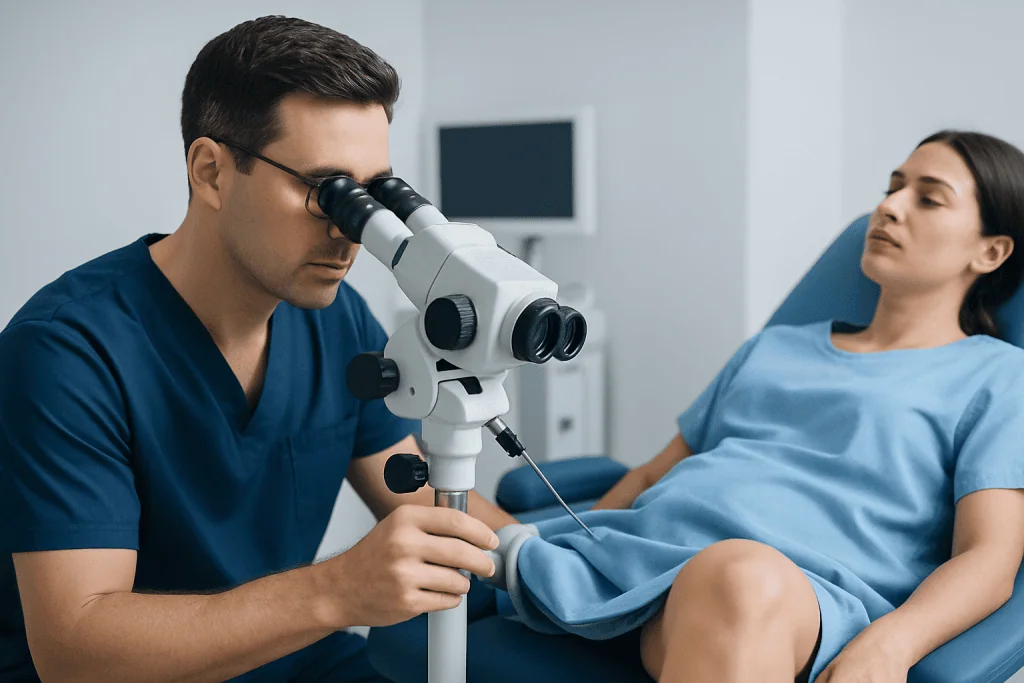
Clinicians may recommend LEEP when a biopsy taken during colposcopy finds high-grade changes, such as CIN 2 or CIN 3, or when the abnormal area cannot be fully assessed with colposcopy alone. In selected circumstances, it may also be used when screening results suggest a significant abnormality but biopsy findings do not fully explain it. The tissue removed by LEEP provides a more complete specimen for the pathologist.
LEEP is often suitable for people who are not pregnant and whose abnormal cells are located on the visible part of the cervix. Pregnancy, an untreated pelvic infection, bleeding disorders and certain medicines that affect clotting may alter the timing or approach. People who want future pregnancies can usually still have LEEP, although the amount of cervical tissue removed is considered carefully.
For some findings, careful monitoring rather than immediate treatment may be appropriate, particularly in younger people or when lower-grade changes are likely to resolve. A gynecologist should explain the benefits and limitations of each option, using current leep procedure guidelines and the person’s test results.
LEEP is one option within the broader evaluation and treatment of cervical cancer and precancerous cervical changes. It should not be viewed as a substitute for regular cervical screening after treatment.
How the LEEP procedure is done
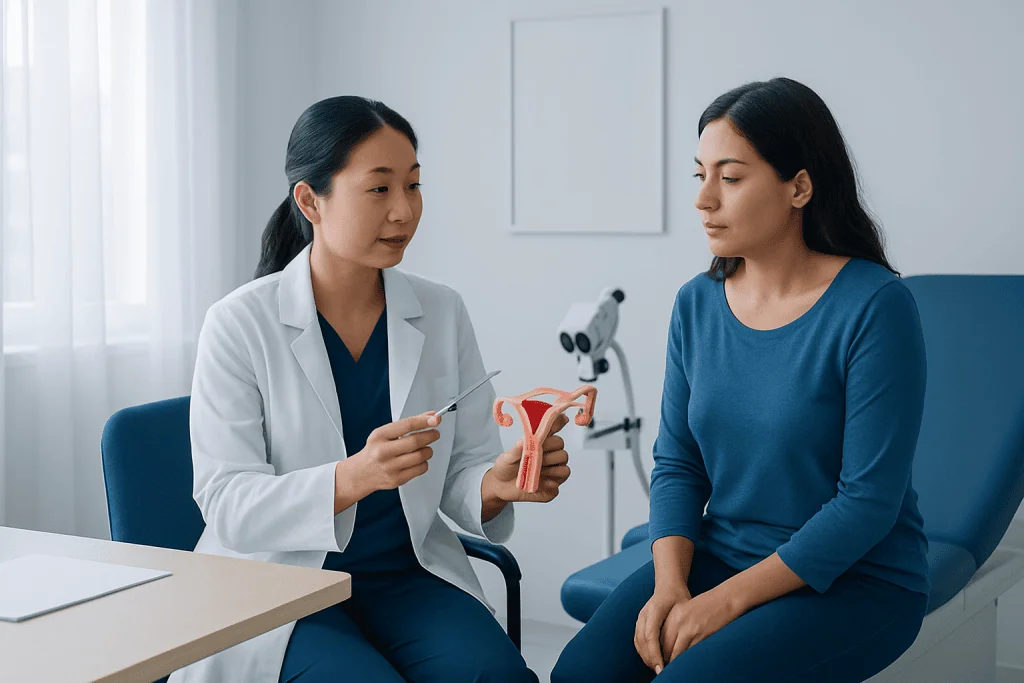
A LEEP is usually performed in a gynecology clinic or outpatient procedure room and commonly takes around 10 to 20 minutes once preparation is complete. The person lies on an examination couch with their feet supported, much like during a cervical screening test. A speculum is placed in the vagina so the cervix can be seen clearly.
The clinician may apply a solution to highlight the abnormal area, then inject local anaesthetic into the cervix. The injection can briefly sting, and some people notice a racing heartbeat or mild shakiness afterward, which can occur with medicines used to reduce bleeding. The patient remains awake, although sedation or another form of anaesthesia may occasionally be arranged for individual circumstances.
A thin loop is passed gently across the cervix to remove the targeted tissue. Most people feel pressure, vibration or mild cramping rather than sharp pain. The clinician then controls any bleeding, often using a medication or a paste applied to the cervix. The sample is sent to a pathology laboratory, where its cell type, depth and edges are assessed.
Before leaving, the care team provides aftercare instructions and explains when results are expected. People may wish to arrange a ride home if they have received sedation or feel anxious or light-headed. Detailed planning for colposcopy assessment can help clarify why a LEEP has been recommended and what the results may mean.
Is a LEEP procedure a big deal?
LEEP is a commonly performed and generally brief procedure, but it is still an important medical treatment because it removes cervical tissue and helps prevent some precancerous changes from progressing. It is understandable to feel worried before the appointment, especially when abnormal test results have already caused uncertainty. Asking the clinician what was found, how much tissue is likely to be removed and what follow-up is planned can make the process feel more manageable.
Most people recover without serious problems and resume usual non-strenuous activities quickly. However, LEEP can cause short-term bleeding, discharge and cramping, and it can rarely affect future pregnancy outcomes when a larger or repeated excision is needed. This is why the decision balances the importance of treating abnormal cells with preservation of healthy cervical tissue.
The pathology report is central to next steps. It may confirm precancerous changes, show that the abnormal area was removed with clear margins, or identify findings that need further assessment. LEEP is therefore both a treatment and a diagnostic procedure, rather than simply an extension of a screening test.
Benefits, risks and whether results can differ from colposcopy
The main benefit of LEEP is that it can remove abnormal cervical tissue while providing a specimen for detailed laboratory review. Compared with a small punch biopsy, the LEEP specimen is often larger and may show the full extent of changes within the cervical tissue. This supports more accurate follow-up planning.
Common short-term effects include period-like cramps, light bleeding and a watery, brown or dark discharge as the cervix heals. Less common complications include heavier bleeding, infection, narrowing of the cervical opening or the need for further treatment if abnormal cells remain or later recur. Very rarely, cervical treatment may be associated with an increased risk of preterm birth in a later pregnancy, especially after deeper or repeated procedures.
Can LEEP results be worse than colposcopy? Yes. Colposcopy is a visual assessment that guides targeted biopsies, while LEEP removes a larger piece of tissue for examination. A LEEP sample may occasionally identify more extensive or higher-grade changes than a previous biopsy suggested; less often, it may show less severe changes because the biopsy already removed a small abnormal area or because abnormal cells are patchy.
A result that differs from colposcopy does not necessarily mean that anything was done incorrectly. It reflects the fact that laboratory analysis of a larger specimen can provide additional information. The clinician will discuss the pathology report, including whether the edges of the specimen contain abnormal cells and what surveillance is appropriate.
Recovery timeline and how long the cervix takes to heal
Many people feel well enough for usual light activities within a day or two, though tiredness and mild cramping can occur. Spotting or watery discharge may last for several days to a few weeks. Around one to two weeks after LEEP, a temporary increase in discharge or light bleeding can happen as healing tissue separates from the cervix.
How long does it take for the cervix to fully heal after LEEP? The cervix commonly needs about four to six weeks for initial healing, although healing experiences vary and follow-up assessment may occur later. During the healing period, clinicians often advise avoiding vaginal intercourse, tampons, douching and swimming or hot tubs. Pads can be used for discharge or bleeding.
Gentle movement is usually acceptable if the person feels comfortable, but strenuous exercise and heavy lifting may need to be avoided initially, especially if bleeding increases. It is sensible to follow the individual instructions given by the treating team, as these may differ according to the size of the excision, bleeding risk and other health factors.
Follow-up cervical screening, HPV testing and sometimes colposcopy are important even when the LEEP appears to have removed all abnormal cells. These tests check that treatment has worked and detect any recurrent changes early. A specialist can also discuss fertility concerns and pregnancy planning before or after treatment.
When to seek medical care
Contact the treating clinic or seek medical advice if bleeding becomes heavier than a normal menstrual period, if large clots are passed, or if bleeding continues to increase rather than improve. Prompt assessment is also important for fever, chills, worsening lower abdominal or pelvic pain, dizziness, fainting or discharge with a strong unpleasant smell, as these symptoms can indicate a complication that may need treatment.
It is also important to attend planned follow-up even if there are no symptoms. Cervical cell changes do not usually cause noticeable symptoms, so screening and HPV-based follow-up are the most reliable ways to monitor recovery and longer-term cervical health.
Who can perform a LEEP procedure? LEEP is performed by clinicians trained in colposcopy and cervical excisional procedures, often gynecologists, obstetrician-gynecologists or appropriately trained family medicine specialists in some healthcare systems. The procedure should be carried out in a setting with suitable equipment, pathology support and a clear plan for results and follow-up.
Acibadem International’s multidisciplinary specialists and JCI-accredited hospitals support international patients needing assessment and treatment for cervical abnormalities. Consultation with a qualified gynecologist is the best way to understand whether gynecological care and LEEP are appropriate for an individual situation.
Frequently asked questions
What is the difference between colposcopy and a LEEP procedure?
Colposcopy is a close examination of the cervix using a magnifying instrument, often with small biopsies taken from areas that look abnormal. LEEP removes a larger, targeted piece of cervical tissue using a wire loop. A LEEP may be recommended when biopsy findings show significant precancerous changes or when more complete tissue assessment is needed.
Will a LEEP procedure hurt?
Local anaesthetic is commonly used to numb the cervix, so many people feel pressure, vibration or mild cramping rather than sharp pain. Brief discomfort may occur during the anaesthetic injection. People who are concerned about pain or anxiety should discuss comfort options with the clinical team before the procedure.
How long should bleeding last after LEEP?
Light bleeding, spotting or watery discharge can occur for several days to a few weeks. Some people notice a temporary increase in light bleeding around one to two weeks as the cervix heals. Heavy bleeding, large clots, dizziness or bleeding that is worsening should be assessed urgently.
Can a person get pregnant after LEEP?
Many people become pregnant after a LEEP procedure. In some cases, especially after deeper or repeated excisions, treatment may slightly increase the risk of cervical shortening or preterm birth. Anyone planning pregnancy should tell their obstetric clinician about previous cervical treatment so appropriate monitoring can be considered.
Does LEEP remove HPV?
LEEP removes abnormal cervical cells but does not directly eliminate HPV from the body. The immune system often clears HPV over time, while follow-up testing checks for persistent HPV infection and recurrent cell changes. Vaccination may still be appropriate for some people and can be discussed with a clinician.
When can a person have sex after LEEP?
Clinicians commonly recommend avoiding vaginal sex until the cervix has healed, often for about four to six weeks. This helps reduce bleeding and infection risk. The treating clinician’s instructions should take priority because recovery timing can differ between individuals.
References
- World Health Organization
- American College of Obstetricians and Gynecologists
- American Society for Colposcopy and Cervical Pathology
- National Cancer Institute
- NHS
This article is for general information only and is not a substitute for professional medical advice. Please consult a qualified doctor about your individual situation.
Explore treatments in Turkey — costs, top hospitals & a free quote
JCI-accredited · board-certified surgeons · reply within 24h
Add us as a Preferred Source to see more of our trusted health content across Google Search, AI Overviews and Discover.

More from the Health Library



Related Specialists

Dr. Ayça Sözen
Pediatrics
Assoc. Prof. Dr. Mirza Zafer Dağtaş
Orthopedic Surgery & Traumatology
Prof. Dr. Bülent Güçyetmez
Intensive Care
Dr. Murat Dutipek
Otorhinolaryngology