Hollywood smile Risks & Side Effects Explained by Surgeons

A Hollywood smile is a customized cosmetic dentistry plan, not one single procedure. Veneers, crowns, whitening and orthodontic treatment each have different benefits, limits and risks.
Key Takeaways
- A Hollywood smile is a customized cosmetic dentistry plan, not one single procedure.
- Veneers, crowns, whitening and orthodontic treatment each have different benefits, limits and risks.
- Removing enamel for veneers or crowns is usually irreversible, so conservative alternatives should be discussed first.
- Poor fit, untreated gum disease or an unstable bite can increase the risk of discomfort and restoration problems.
- New pain, swelling, fever, a loose restoration or persistent bite changes should be assessed promptly by a dentist.
Hollywood smile risks can include temporary tooth sensitivity, gum irritation, bite discomfort, damage to natural tooth structure and the need for future repair or replacement of restorations. A thorough dental assessment and conservative treatment plan help determine whether a smile makeover is appropriate and reduce avoidable complications.
Overview: What Are Hollywood Smile Risks?
Hollywood smile risks depend on the treatments used to improve the appearance of the teeth and gums. A smile makeover may involve veneers, crowns, tooth whitening, bonding, gum contouring, orthodontics, implants or a combination of these options. Possible side effects include short-term sensitivity, gum irritation and temporary discomfort, while less common but more significant concerns include damage to the tooth nerve, bite problems, decay around a restoration or failure of a veneer or crown.
The term “Hollywood smile” describes a cosmetic result rather than a standard medical procedure. For this reason, the safety of treatment depends less on a single technique and more on careful diagnosis, suitable material selection, preservation of healthy tooth tissue and long-term follow-up. People considering treatment can learn about the broader process through Hollywood smile treatment.
A healthy, natural-looking outcome should not require ignoring active dental disease. Cavities, gum inflammation, tooth grinding, untreated infection and unstable jaw function should be identified and managed before elective cosmetic work begins.
How a Hollywood Smile Works
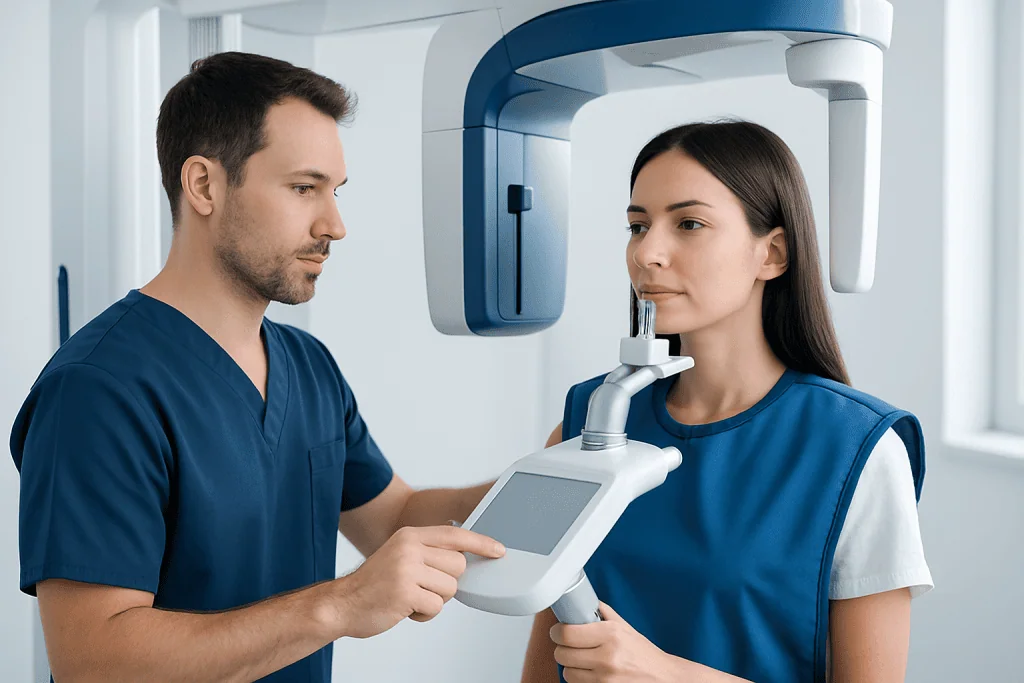
A Hollywood smile plan begins with an assessment of the teeth, gums, bite, facial proportions and the person’s goals. The dentist may recommend whitening for discoloration, composite bonding for small chips or gaps, orthodontic treatment for alignment, veneers for changes in shape or color, and crowns where a tooth is already significantly weakened or heavily restored.
Porcelain veneers are thin shells bonded to the front surfaces of teeth. In many cases, a small amount of enamel is reshaped to create space and improve the fit. Crowns cover the entire visible portion of a tooth and generally require more tooth preparation than veneers. Whitening changes the color of natural enamel but does not lighten existing crowns, veneers or fillings.
Digital photographs, scans, X-rays and diagnostic models can help the dental team assess tooth structure and plan the intended result. A trial smile or temporary restorations may sometimes be used to evaluate appearance, speech and comfort before final restorations are made. No simulation can fully replace an in-person clinical assessment of gum health and bite function.
Who May Be a Suitable Candidate?

Potential candidates are adults with healthy gums, manageable decay risk and realistic expectations about what cosmetic dentistry can achieve. Cosmetic treatment may be considered for persistent staining, worn or chipped teeth, uneven tooth shape, minor gaps or older visible restorations. The most appropriate option varies widely; not every concern requires veneers or crowns.
People with active gum disease, untreated cavities, dental infections, severe tooth wear, frequent jaw pain or uncontrolled grinding may need treatment for these concerns before a cosmetic plan is started. Bruxism, the habit of clenching or grinding teeth, can place high force on veneers and crowns and may require a protective night guard after treatment.
Patients should also tell the dentist about pregnancy, medications, dry mouth, reflux, smoking or vaping, bleeding conditions and previous dental trauma. These factors may affect gum healing, cavity risk, enamel condition or the durability of restorations. An ethical treatment plan preserves healthy tooth structure whenever clinically possible and includes discussion of lower-intervention alternatives.
Step by Step: What the Procedure May Involve
The first appointment commonly includes a health history, dental examination, gum assessment and imaging when indicated. The dentist discusses the desired color, tooth shapes and likely limitations. Existing problems such as decay, gum inflammation or cracked teeth are addressed before cosmetic work proceeds.
For whitening, impressions or digital scans may be taken and the chosen whitening method is explained. For bonding, the tooth surface is prepared minimally and tooth-colored resin is shaped and polished, often in one visit. For veneers or crowns, teeth may be prepared under local anesthetic, followed by scans or impressions. Temporary restorations may protect prepared teeth while the final laboratory-made restorations are produced.
At the fitting appointment, the dentist checks the color, contours, contacts and bite before bonding or cementing the restoration. Fine adjustments may be needed. Follow-up appointments are important because the mouth may need time to adapt, and early bite interference can sometimes be corrected before it causes ongoing discomfort or excessive wear.
Possible Side Effects and Longer-Term Risks
Temporary sensitivity to cold, heat, air or sweet foods is relatively common after tooth preparation or whitening. It often improves as the teeth settle, but persistent sensitivity can indicate exposed dentin, a crack, gum recession or inflammation of the tooth nerve. Whitening can also irritate the gums if the bleaching material contacts soft tissue.
Veneers and crowns may chip, crack, loosen or detach, particularly when a person bites hard objects, uses teeth to open packaging or grinds their teeth. Although porcelain is durable, it is not identical to natural enamel. Damaged restorations may need polishing, repair or replacement. Margins around restorations can also collect plaque, increasing the risk of gum inflammation or decay if oral hygiene is not maintained.
Enamel removal for conventional veneers and crowns is generally permanent. A prepared tooth will usually need ongoing protection with a restoration in the future. In a small number of cases, tooth preparation or pre-existing dental vulnerability can lead to nerve inflammation that eventually requires root canal treatment. This possibility should be discussed before irreversible treatment.
Changes in bite can cause tooth tenderness, jaw muscle fatigue, headaches or difficulty chewing if restorations are too high, too bulky or poorly coordinated with the natural bite. Unsatisfactory color, shape or symmetry can also occur, especially when planning is rushed. Discussing a conservative design, reviewing mock-ups where available and allowing time for adjustments can reduce these concerns.
Benefits, Recovery and Looking After the Result
When appropriately planned, a smile makeover can improve the appearance of tooth color, proportions and alignment, while also restoring chipped or worn surfaces. The goal should be a result that is comfortable, functional and compatible with the person’s facial features and oral health—not simply the brightest possible shade or the most uniform tooth shape.
Recovery varies by treatment. Whitening-related sensitivity often settles within days. Following gum contouring or more extensive dental work, the gums may feel tender for several days and may take longer to fully settle. After veneers or crowns are fitted, it can take a short period to adjust to the new tooth surfaces; however, persistent pain or an uncomfortable bite is not something a person should simply tolerate.
Good aftercare includes brushing twice daily with fluoride toothpaste, cleaning between teeth every day and attending regular dental reviews. A soft toothbrush and non-abrasive toothpaste may help protect polished restoration surfaces. Limiting tobacco, strongly staining drinks and frequent sugary snacks supports gum health and helps maintain the appearance of natural teeth.
People who clench or grind their teeth may benefit from a dentist-prescribed night guard. Regular monitoring allows the dentist to check the gums, bite and restoration edges, and to detect small issues before they become more complex.
When to Seek Medical Care
A person should contact a dentist promptly if they develop severe or worsening tooth pain, facial swelling, fever, pus, persistent bleeding from the gums, a loose or broken veneer or crown, or difficulty biting normally. These symptoms may indicate infection, injury, gum disease or a restoration problem that needs assessment.
Urgent dental or medical care is important for swelling that spreads to the face or neck, trouble breathing or swallowing, or severe pain accompanied by feeling unwell. These symptoms are uncommon after cosmetic dental treatment but should not be delayed.
Less urgent concerns, such as sensitivity lasting more than a few weeks, rough restoration edges, recurring gum soreness or jaw discomfort, should also be reviewed. Early adjustment can help protect teeth and improve comfort. Acibadem International’s multidisciplinary specialists and JCI-accredited hospitals can assess and treat dental concerns for international patients.
Frequently asked questions
Are Hollywood smile procedures safe?
Hollywood smile procedures can be safe when they are based on a complete dental assessment and performed by qualified dental professionals. Safety depends on the specific treatment, the health of the teeth and gums, bite stability and careful aftercare. Cosmetic work should not proceed without addressing active decay, infection or gum disease.
Do veneers damage natural teeth?
Conventional veneers often require removal of a small amount of enamel, which is irreversible. The teeth are not necessarily “damaged” when preparation is appropriate, but they will usually need veneers or another restoration long term. Some people may be suitable for more conservative options, depending on their teeth and cosmetic goals.
How long does sensitivity last after a smile makeover?
Mild sensitivity after whitening, bonding, veneers or crowns may last from a few days to several weeks. It should gradually improve rather than become more severe. Persistent, spontaneous or worsening pain should be evaluated by a dentist.
Can a Hollywood smile cause problems with the bite?
It can if restorations alter the way the upper and lower teeth meet. A high spot or poorly balanced restoration may cause tenderness, jaw fatigue or difficulty chewing. Dentists check and adjust the bite during fitting and follow-up visits to reduce this risk.
Can people who grind their teeth have veneers?
People who grind or clench may still be considered for cosmetic dentistry, but they have a higher risk of chipping, cracking or loosening restorations. The dentist may recommend managing grinding and using a custom night guard. In some cases, a different treatment approach may be safer.
How can Hollywood smile risks be reduced?
Risks can be reduced through a detailed examination, treatment of gum disease and decay first, conservative tooth preparation and a carefully tested bite. Patients can also protect results by maintaining daily oral hygiene, attending reviews and avoiding biting hard objects with restored teeth. A qualified dentist should explain expected benefits, alternatives and long-term maintenance before treatment begins.
References
- American Dental Association
- British Dental Association
- National Institute of Dental and Craniofacial Research
- FDI World Dental Federation
This article is for general information only and is not a substitute for professional medical advice. Please consult a qualified doctor about your individual situation.
Explore treatments in Turkey — costs, top hospitals & a free quote
JCI-accredited · board-certified surgeons · reply within 24h
Add us as a Preferred Source to see more of our trusted health content across Google Search, AI Overviews and Discover.