

Home Remedies for Poison Ivy: What Works, What Does Not, and Safety Notes

The best-supported home care includes prompt washing, cool compresses, colloidal oatmeal baths, and calamine or hydrocortisone cream. Poison ivy rash is caused by an allergic reaction to urushiol oil, not by fluid from the blisters.
Key Takeaways
- The best-supported home care includes prompt washing, cool compresses, colloidal oatmeal baths, and calamine or hydrocortisone cream.
- Poison ivy rash is caused by an allergic reaction to urushiol oil, not by fluid from the blisters.
- Strongly scented, harsh, or abrasive home remedies can further irritate already inflamed skin.
- Medical care is important for facial or eye rash, trouble breathing, signs of infection, or a widespread severe reaction.
- Most mild cases improve with supportive care, but scratching can slow healing and increase infection risk.
Home remedies for poison ivy can help relieve itching, redness, and discomfort, but they do not remove the allergic reaction once it has started. The most useful options are gentle, evidence-based skin care measures such as washing the skin early, cool compresses, soothing baths, and appropriate over-the-counter products, while some popular remedies may worsen irritation.
Overview: what works and what does not
Home remedies for poison ivy work best when they focus on two goals: limiting skin exposure early and calming inflammation after the rash appears. Washing exposed skin promptly with soap and water, using cool compresses, taking short lukewarm baths, and applying soothing over-the-counter products such as calamine lotion or low-strength hydrocortisone are the most practical, evidence-based home approaches for many mild cases.
What these remedies do not do is “draw out” poison from the skin once the urushiol oil has already triggered the reaction. Folk remedies such as bleach, undiluted essential oils, gasoline, alcohol applied repeatedly, or harsh scrubbing are not recommended because they may damage the skin barrier and make symptoms worse.
The rash itself is an allergic contact dermatitis. That means the main problem is the immune system’s response to urushiol, the oily substance found in poison ivy, poison oak, and poison sumac. People may need no treatment beyond symptom relief, but some cases are severe enough to require professional medical care, similar to other forms of contact dermatitis that need careful assessment.
How poison ivy rash develops

Poison ivy causes a skin reaction when urushiol oil touches the skin. A person may develop redness, itching, swelling, and small bumps or blisters within hours to several days, depending on how sensitive they are and how much exposure occurred. The rash often appears in streaks or lines where the plant brushed the skin.
One common misunderstanding is that poison ivy rash spreads through blister fluid. In fact, the fluid inside the blisters does not spread the rash. New areas usually appear because those parts of the body had different amounts of urushiol exposure or because oil remained on clothing, shoes, pets, gardening tools, or under the fingernails.
Symptoms can range from mild itching to marked swelling and discomfort. If the reaction is extensive, involves the face or genitals, or resembles a severe skin rash with significant swelling, professional evaluation is the safer choice.
Evidence-backed home remedies
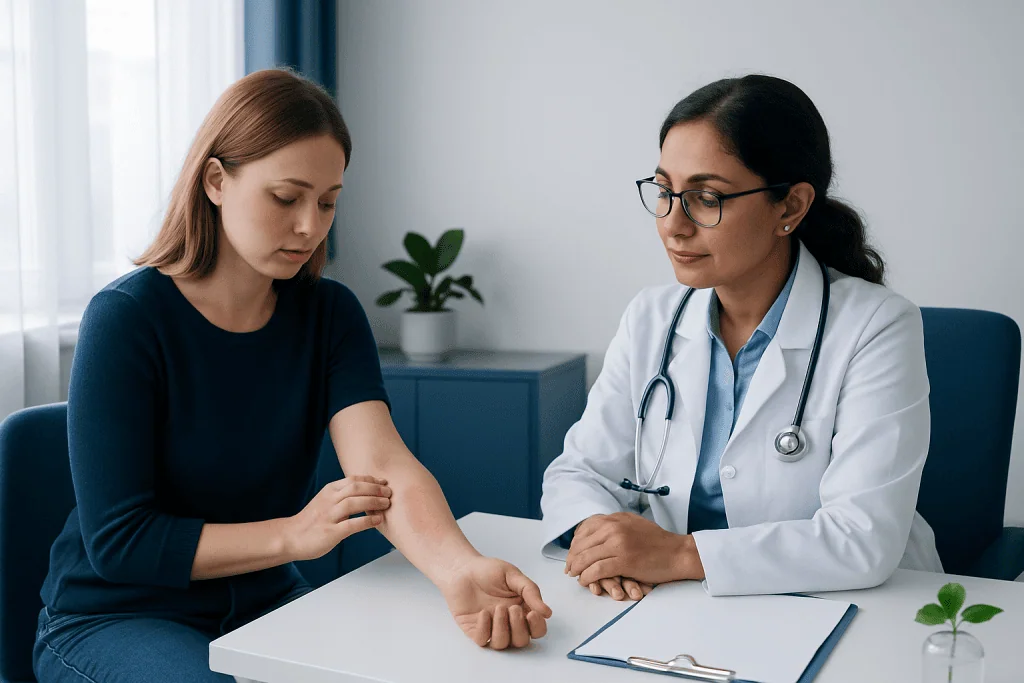
The most helpful home remedies for poison ivy are simple, skin-protective measures. If exposure is suspected, washing the skin as soon as possible with lukewarm water and mild soap may reduce how much urushiol remains on the skin. Clothing, gloves, shoes, and objects that may have touched the plant should also be cleaned, since lingering oil can lead to re-exposure.
After the rash appears, cooling the skin often gives the most immediate relief. Cool, wet compresses placed on the affected area for short periods can reduce heat, itching, and swelling. Short lukewarm baths or showers are generally more comfortable than hot ones, because heat can intensify itching. Adding colloidal oatmeal to a bath may soothe irritated skin for some people.
Over-the-counter products are often more helpful than home kitchen remedies. Calamine lotion may reduce itching and dry oozing areas, while low-strength hydrocortisone cream can help with mild inflammation early in the course of the rash. Oral antihistamines may be used by some adults to help with itch or sleep, but they do not treat the allergic process directly, so their benefit varies.
- Wash exposed skin promptly with soap and water.
- Use cool compresses for itching and swelling.
- Take lukewarm baths; colloidal oatmeal may be soothing.
- Apply calamine lotion or low-strength hydrocortisone as directed.
- Keep nails short and avoid scratching to reduce infection risk.
Popular remedies with limited evidence or important cautions
Many commonly suggested poison ivy remedies are based more on tradition than on strong clinical evidence. Baking soda paste, aloe vera gel, and witch hazel may feel soothing for some people, but results are inconsistent and these products do not change the underlying allergic reaction in a meaningful way. If used, they should be applied gently and stopped if they sting or increase redness.
Apple cider vinegar, toothpaste, rubbing alcohol used repeatedly, and essential oils are often promoted online, but they can dry and irritate already inflamed skin. Strong acids, fragrances, and concentrated plant extracts may worsen burning or lead to secondary irritation. Home remedies should support the skin barrier, not stress it further.
Bleach, gasoline, kerosene, or abrasive scrubbing should never be used on poison ivy rash. These measures can cause chemical injury and delay healing. If the skin becomes more painful, swollen, warm, or develops yellow crusting after using a home remedy, it is sensible to stop and seek medical advice. Persistent or severe symptoms may need evaluation by a dermatologist, and treatments such as dermatology care can be helpful when home measures are not enough.
Safe self-care steps that support healing
Good self-care is often as important as any topical product. Loose, soft clothing helps reduce friction on irritated skin. Keeping the area clean and dry, without over-washing or scrubbing, supports the skin’s natural healing process. If blisters form, they should be left intact when possible, since breaking them can increase discomfort and the chance of infection.
Scratching is one of the main reasons a mild rash becomes more troublesome. Cool compresses, distraction, and nighttime itch relief strategies may help. It may also help to trim fingernails and wash hands regularly so bacteria are less likely to enter scratched skin.
Pets, outdoor gear, and yard tools can carry urushiol oil even if they do not show any sign of exposure. Washing these items carefully after outdoor activities can help prevent a new episode. People with repeated plant-related rashes may benefit from learning to identify poison ivy and using protective clothing, a practical part of broader preventive health check-up and counseling for outdoor skin exposures and allergies.
When to seek medical care
Red-flag symptoms need prompt medical attention. A person should seek urgent care if there is trouble breathing, swelling of the face, lips, tongue, or throat, rash involving the eyes, severe swelling, or a reaction affecting a large area of the body. Emergency care is also important if poison ivy smoke was inhaled from burning plants, because the airways can become irritated.
Medical care is also appropriate if the rash is on the genitals, does not improve after about a week of careful home treatment, or is so itchy that sleep and daily activities are significantly affected. Signs of infection include increasing pain, warmth, spreading redness, pus, yellow crusting, or fever. In these situations, a clinician may consider stronger anti-inflammatory treatment or assessment for infection.
Doctors diagnose poison ivy mainly from the history and the appearance of the rash. In some cases, they may need to rule out eczema, medication reactions, insect bites, or other causes of skin disease. Near the end of the care pathway, it is reasonable to note that Acibadem International’s multidisciplinary specialists and JCI-accredited hospitals evaluate and treat skin conditions for international patients when more advanced assessment is needed.
Medical treatments a doctor may recommend
When poison ivy is moderate or severe, home remedies may not provide enough relief. A doctor may recommend prescription-strength topical corticosteroids for localized rash or oral corticosteroids for more extensive reactions. These medicines are used to calm the immune response and reduce swelling and itching.
If scratching has led to broken skin and secondary bacterial infection, treatment may also include wound care guidance and, when appropriate, antibiotics. A clinician can also review whether another diagnosis is possible, especially if the rash pattern is unusual or recurring frequently.
People with repeated severe reactions, uncertain triggers, or overlapping allergies may be referred for specialist care. Depending on the situation, evaluation through allergy assessment or skin specialist care may help clarify whether the rash is truly from urushiol or from another contact trigger.
Prevention after recovery
The best long-term strategy is prevention. Learning to recognize poison ivy’s leaf pattern and avoiding direct contact is the first step. Long sleeves, long pants, gloves, and closed shoes can reduce skin exposure during gardening, hiking, or yard work.
After time outdoors, washing exposed skin and laundering clothing promptly can lower the chance of delayed or repeated exposure. Urushiol can remain active on surfaces for a long time, so equipment and pet fur may also need cleaning. It is wise not to burn suspected poison ivy plants, since smoke can carry irritating particles.
People who are highly sensitive or often outdoors may want a personalized prevention plan from a healthcare professional. Even with good prevention, accidental contact can happen, and the safest response is still early washing, gentle symptom relief, and medical review if symptoms become severe.
Frequently asked questions
What is the best home remedy for poison ivy?
The most reliable home remedies are prompt washing after exposure, cool compresses, lukewarm baths, and soothing products such as calamine lotion or colloidal oatmeal. These measures do not cure the allergy, but they often reduce itching and discomfort while the skin heals.
Does poison ivy rash spread by scratching or blister fluid?
The rash does not spread through blister fluid. New areas usually appear because urushiol oil touched different parts of the body at different times or remained on clothing, tools, or pets. Scratching can still worsen the skin by causing irritation or infection.
Can apple cider vinegar or toothpaste help poison ivy?
These remedies are not well supported by clinical evidence and may irritate inflamed skin. Some people feel temporary cooling or drying, but the risk of additional irritation usually makes gentler options a better choice.
Should poison ivy be kept dry or moist?
The skin should be kept clean and gently cared for rather than aggressively dried out. Calamine may help dry oozing spots, but harsh drying agents can worsen irritation. A balanced approach with cool compresses and gentle skin care is usually best.
How long does poison ivy usually last?
Many mild cases improve over one to three weeks, depending on the extent of exposure and a person's sensitivity. Severe reactions may last longer and may need prescription treatment. If the rash keeps worsening or does not start improving, medical advice is appropriate.
When should someone see a doctor for poison ivy?
A doctor should be seen for severe swelling, rash on the face, eyes, or genitals, widespread rash, fever, or signs of infection such as pus or increasing warmth and pain. Urgent care is needed for breathing problems or swelling of the mouth or throat.
References
- American Academy of Dermatology
- American Academy of Allergy, Asthma & Immunology
- Mayo Clinic
- MedlinePlus
- Centers for Disease Control and Prevention
This article is for general information only and is not a substitute for professional medical advice. Please consult a qualified doctor about your individual situation.
Explore treatments in Turkey — costs, top hospitals & a free quote
JCI-accredited · board-certified surgeons · reply within 24h
Add us as a Preferred Source to see more of our trusted health content across Google Search, AI Overviews and Discover.

More from the Health Library



Related Specialists

Assoc. Prof. Dr. Ali Özer
Liver Transplant Center
Dr. Gürkan Uysal
Anesthesiology
Prof. Dr. Cem Demirel
Gynecology & Obstetrics
Fzt. Perihan Yıldız
Physical Medicine & Rehabilitation