Home Remedies for Toothache: Evidence-Based Options and When to See a Doctor

Most toothaches need a dental evaluation because pain often comes from decay, infection, gum disease, or a cracked tooth. Cold packs, saltwater rinses, and over-the-counter pain relievers have the strongest evidence for temporary symptom relief.
Key Takeaways
- Most toothaches need a dental evaluation because pain often comes from decay, infection, gum disease, or a cracked tooth.
- Cold packs, saltwater rinses, and over-the-counter pain relievers have the strongest evidence for temporary symptom relief.
- Clove oil, garlic, and other popular remedies have limited or inconsistent evidence and may irritate the mouth if used improperly.
- Red flags such as facial swelling, fever, trouble swallowing, or severe worsening pain need urgent medical or dental care.
- Home remedies should be viewed as short-term support, not a substitute for diagnosis and treatment.
Home remedies for toothache can sometimes reduce pain for a short time, but they do not fix the underlying dental problem. The most evidence-based options are simple supportive measures such as a cold compress, warm saltwater rinses, and appropriate over-the-counter pain relief while arranging dental care.
Overview: Which Home Remedies for Toothache Actually Help?
Home remedies for toothache may provide short-term comfort, but they cannot remove decay, repair a crack, drain an abscess, or treat gum disease. For that reason, the safest approach is to use simple, evidence-based measures for temporary relief and arrange a dental assessment as soon as possible.
The options with the most clinical support are not exotic remedies. A cold compress on the outside of the cheek can reduce pain and swelling, a warm saltwater rinse can help soothe irritated tissues and keep the mouth cleaner, and over-the-counter pain medicine may reduce inflammation and discomfort when used as directed. These steps can help bridge the time until professional care.
Many commonly shared remedies online are anecdotal rather than well proven. Some may be harmless for a short time, but others can burn the gums, worsen irritation, or delay treatment. Because tooth pain often points to a correctable dental condition such as a cavity, infection, exposed root, or gum disease, symptom relief should be paired with timely dental advice.
Common Causes of Toothache
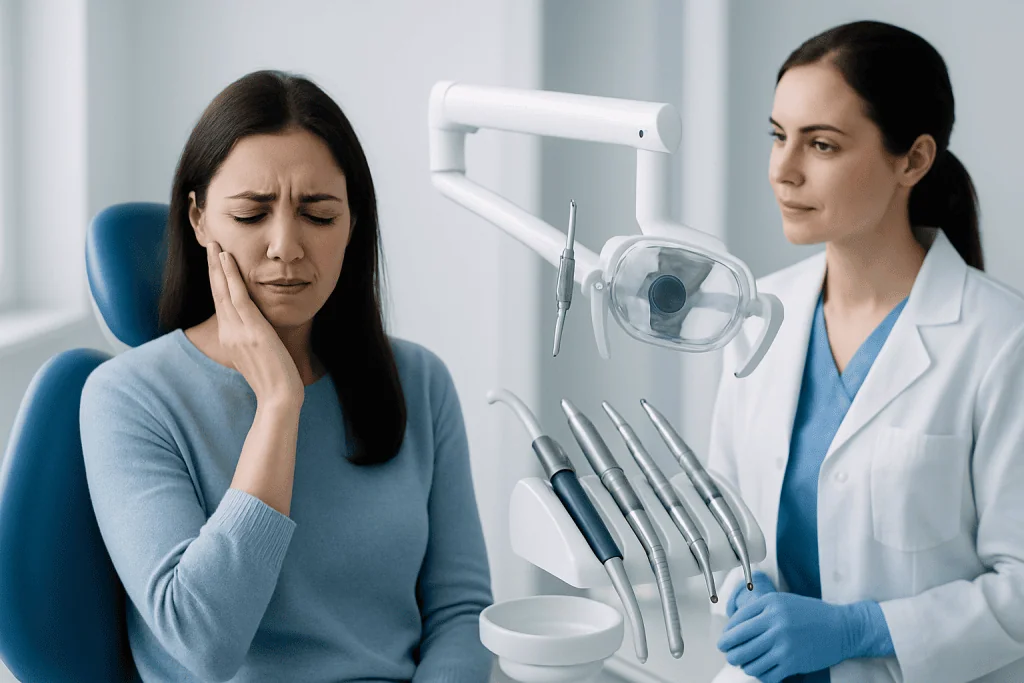
Toothache is a symptom, not a diagnosis. A person may feel sharp, throbbing, constant, or intermittent pain depending on the cause. Common reasons include tooth decay, a cracked or broken tooth, inflamed tooth pulp, a dental abscess, gum infection, grinding or clenching, and sensitivity from worn enamel or exposed roots.
Pain can also come from nearby structures. Sinus inflammation may cause pressure in the upper teeth, while jaw joint strain can sometimes feel like tooth pain. Food trapped between teeth, recent dental work, or erupting wisdom teeth may also trigger discomfort.
Understanding the cause matters because treatment differs. A cavity may need a filling, pulp inflammation may require root canal treatment, and an abscess may need drainage and urgent care. Home measures can ease symptoms, but they do not identify the source.
- Sharp pain with sweets or cold may suggest sensitivity or decay.
- Throbbing pain with swelling may point to infection.
- Pain on biting may occur with a crack, loose filling, or inflammation around the tooth root.
- Bleeding gums and soreness may suggest gum disease.
Evidence-Backed Home Remedies for Temporary Relief

A cold compress is one of the most practical options when swelling or throbbing is present. Applying a wrapped ice pack or cold pack to the outside of the cheek for short intervals may help numb the area and reduce inflammation. Ice should not be placed directly on the tooth or gums, as extreme cold can worsen sensitivity in some people.
Warm saltwater rinses are also commonly recommended and reasonably supported as a soothing oral care measure. Rinsing gently can help loosen debris, reduce irritation, and support oral hygiene while tissues are inflamed. The rinse should be warm rather than hot, and it should not replace brushing with a soft toothbrush around the painful area.
Over-the-counter pain relievers may reduce discomfort until a dentist can evaluate the tooth. In general, nonprescription pain medicines can help more than topical numbing products because they address inflammation as well as pain. They should be used only according to the product label or a clinician’s advice, and they may not be suitable for everyone, including people with certain stomach, kidney, bleeding, or liver conditions.
Keeping the mouth clean can also make a meaningful difference. Gentle brushing, careful flossing if food is trapped, and avoiding very hot, cold, sugary, or hard foods may reduce stimulation of the painful tooth. If chewing worsens symptoms, choosing softer foods and chewing on the other side may help until the tooth is treated.
Popular Remedies With Limited or Uncertain Evidence
Several home remedies are widely discussed but have weaker evidence. Clove oil contains eugenol, a substance with numbing and antiseptic properties, and it has a long history of dental use. However, household use can be unpredictable, and concentrated clove oil may irritate or burn the gums, tongue, or inner cheek if it is applied directly or too heavily.
Garlic, peppermint tea bags, hydrogen peroxide rinses, vanilla extract, and similar remedies are mostly supported by tradition or limited laboratory findings rather than strong clinical studies in people with toothache. A laboratory effect does not always translate into safe or reliable pain relief in real-world dental problems.
Alcohol-based remedies should be avoided as pain treatment in the mouth because they may irritate tissues and are not a safe or effective way to manage dental pain. Aspirin should not be placed directly on the gum or tooth, as this can cause a chemical burn and does not treat the source of pain.
If a person chooses to try an anecdotal remedy, it should never replace proper evaluation, especially if the pain is severe, recurrent, or associated with swelling. In many cases, the more useful step is timely dental diagnosis with supportive care rather than experimenting with multiple topical agents at home.
What Not to Do When a Tooth Hurts
Some self-care choices can unintentionally make tooth pain worse. Very hot compresses may increase throbbing and swelling, especially if infection is present. Hard foods, sticky sweets, and extreme temperatures can provoke already inflamed nerves inside the tooth.
It is also important not to ignore persistent pain because symptoms sometimes improve temporarily even when the underlying problem remains. For example, pressure may lessen if a nerve begins to die, but infection can still spread into the surrounding tissues. A disappearing toothache is not always a sign that the problem has resolved.
Another mistake is relying on leftover antibiotics or someone else’s medicine. Antibiotics are not appropriate for every toothache and do not fix mechanical problems such as decay or cracks. Using them without professional guidance may delay needed treatment and contribute to side effects or antibiotic resistance.
- Do not place aspirin on the gums or tooth.
- Do not use sharp objects to probe the area.
- Do not apply undiluted essential oils directly to oral tissues.
- Do not postpone care if pain is worsening or swelling develops.
When to Seek Medical Care
Red-flag symptoms should prompt urgent dental or medical care: facial or gum swelling, fever, pus or a bad-tasting discharge in the mouth, severe pain that is escalating, difficulty opening the mouth, trouble swallowing, or trouble breathing. These signs may suggest a spreading infection, which can become serious if not treated promptly.
A person should also seek professional care soon if pain lasts more than a day or two, keeps returning, interrupts sleep, follows trauma to the tooth, or is triggered by biting down. Sensitivity that persists after cold or sweet foods can also point to decay, a cracked tooth, or nerve inflammation that needs treatment.
Dental evaluation may include examination, X-rays, and testing the tooth’s response to pressure or temperature. Depending on the cause, treatment might involve a filling, drainage of infection, treatment for tooth decay, dental implants for tooth loss in selected cases, or management of advanced dental abscess when present. Near the end of the care pathway, some patients may also need oral and dental surgery.
For international patients who need evaluation and treatment, Acibadem International’s multidisciplinary specialists and JCI-accredited hospitals provide diagnosis and dental care tailored to the underlying cause of tooth pain.
Prevention and Self-Care for Future Tooth Pain
The best long-term strategy for toothache is prevention. Brushing twice daily with fluoride toothpaste, cleaning between the teeth each day, and limiting frequent sugary foods and drinks can reduce the risk of cavities and gum disease. Routine dental checkups help identify problems before they become painful.
People with tooth sensitivity may benefit from a softer brushing technique and a toothpaste designed for sensitive teeth, although a dentist should still assess new or worsening sensitivity. If clenching or grinding is suspected, especially with morning jaw soreness or worn teeth, a dental review can help determine whether a protective night guard or other measures are appropriate.
General health also matters. Tobacco use increases the risk of gum disease and poor oral healing, while dry mouth from medicines or medical conditions can raise cavity risk. Staying hydrated and discussing persistent dry mouth with a clinician may help protect oral health.
Finally, a person should not wait for severe pain before seeking care. Small cavities, minor cracks, and early gum inflammation are usually easier to manage than advanced infection or tooth damage. Home remedies are best seen as a short-term bridge, not a complete solution.
Frequently asked questions
What is the best home remedy for toothache?
The most evidence-based home remedies for toothache are a cold compress on the outside of the cheek, warm saltwater rinses, and appropriate over-the-counter pain relief used as directed. These can reduce discomfort temporarily, but they do not treat the cause of the pain.
Can salt water help a toothache?
A warm saltwater rinse may help soothe irritated tissues and support oral hygiene by loosening debris around the painful area. It can be a useful temporary measure, but it will not cure a cavity, crack, or infection.
Is clove oil safe for toothache?
Clove oil may provide short-lived numbing because it contains eugenol, but the evidence is limited and concentrated oil can irritate or burn the gums. If used at all, it should be used cautiously and never as a substitute for dental care.
Why does a toothache feel worse at night?
Tooth pain may feel stronger at night because there are fewer distractions, and lying down can increase blood flow and pressure in inflamed tissues. Nighttime worsening is common, but persistent or severe pain still needs professional assessment.
When should someone go to urgent care or the emergency department for a toothache?
Urgent care is important if tooth pain is accompanied by facial swelling, fever, pus, trouble swallowing, difficulty breathing, or rapidly worsening symptoms. These can be signs of a spreading infection that needs prompt treatment.
Can a toothache go away on its own?
Sometimes pain decreases temporarily, but the dental problem may still be present. A cavity, crack, or infection can continue to worsen even if symptoms briefly improve, so persistent or recurring pain should be checked by a dentist.
References
- American Dental Association
- National Institute of Dental and Craniofacial Research
- Mayo Clinic
- National Health Service
- World Health Organization
This article is for general information only and is not a substitute for professional medical advice. Please consult a qualified doctor about your individual situation.
Explore treatments in Turkey — costs, top hospitals & a free quote
JCI-accredited · board-certified surgeons · reply within 24h
Add us as a Preferred Source to see more of our trusted health content across Google Search, AI Overviews and Discover.