Hooded Eyes: A Complete Medical Overview

Hooded eyes can be inherited or become more noticeable with aging. They are often cosmetic, but sometimes excess lid skin or lid drooping can affect vision.
Key Takeaways
- Hooded eyes can be inherited or become more noticeable with aging.
- They are often cosmetic, but sometimes excess lid skin or lid drooping can affect vision.
- A medical evaluation helps distinguish normal anatomy from conditions such as ptosis or eyelid skin laxity.
- Treatment ranges from observation and symptom care to surgery when vision or comfort is affected.
- Urgent assessment is important if eyelid drooping starts suddenly or occurs with other neurological symptoms.
Hooded eyes describe eyelids with a fold of skin that partly covers the natural crease, often creating a heavier upper-lid appearance. They are usually a normal facial feature, but in some people they can contribute to eye fatigue, makeup difficulty, or a reduced upper field of vision and may need medical assessment.
Overview: what hooded eyes mean medically
Hooded eyes are upper eyelids in which a fold of skin partially covers the natural lid crease. This can be a lifelong, inherited facial feature or a change that becomes more noticeable with age. In many people, hooded eyes do not represent a disease and do not require treatment.
From a medical perspective, the important question is whether the appearance is simply normal anatomy or whether there is a related eyelid problem. Extra upper-lid skin, weakening of supportive tissues, eyebrow position, and the strength of the muscle that lifts the eyelid can all affect how the eyelids look and function.
Some people seek advice because hooded eyes make the face look tired, make eye makeup harder to apply, or create a sense of heaviness. Others notice a practical issue, such as needing to raise the eyebrows to see better or difficulty with side or upper vision. These differences matter because they help guide whether reassurance, monitoring, or treatment is most appropriate.
How hooded eyes look and feel
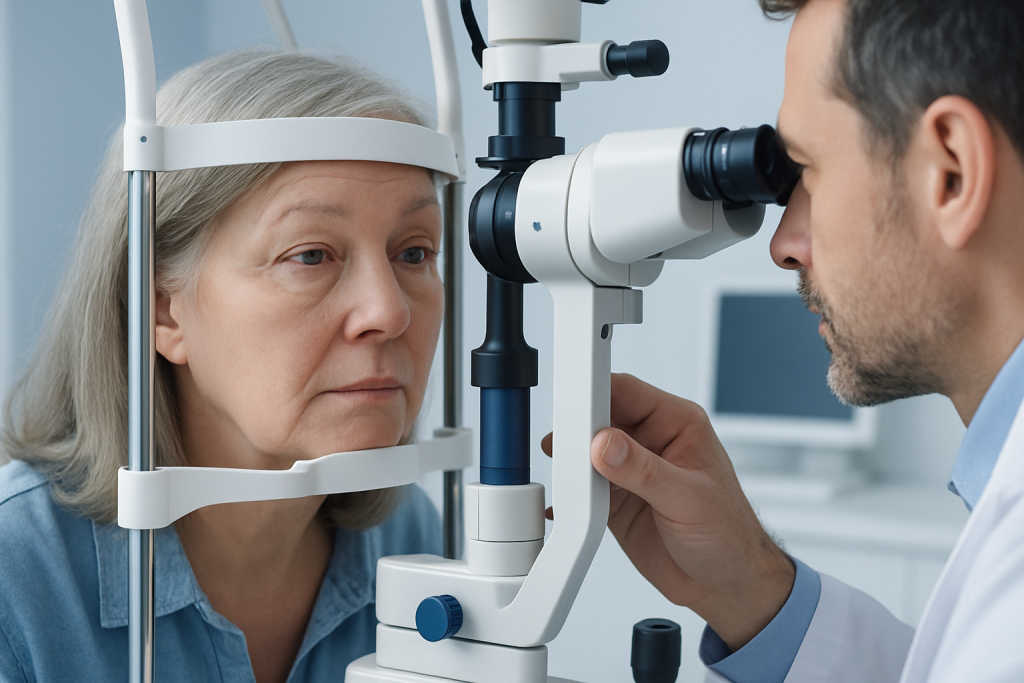
Hooded eyes can appear as a low or hidden upper eyelid crease, a fuller upper lid, or skin that rests close to the eyelashes. The appearance may be mild and symmetrical or more pronounced on one side. In older adults, the eyelids may also seem looser or more wrinkled as skin elasticity changes over time.
Many people have no symptoms at all. Others describe a heavy sensation in the lids, brow fatigue from unconsciously lifting the eyebrows, or irritation from skin rubbing in the lid fold. If the upper lid skin or the eyelid itself droops far enough, it may narrow the upper field of vision, especially when reading, driving, or looking upward.
Features that deserve closer medical attention include eyelid asymmetry that is new, a lid that actually hangs lower over the pupil, trouble fully opening the eye, or dryness from an unstable tear film. These findings can overlap with ptosis, which is a true drooping of the upper eyelid rather than just a hooded lid contour.
Causes and related conditions

The most common cause of hooded eyes is natural anatomy. Many people are born with a lower or less visible eyelid crease because of inherited differences in skin, fat distribution, and connective tissue structure around the eyes. In these cases, hooded eyes are simply part of normal facial variation.
Aging is another common reason. Over time, skin loses elasticity, fat may shift, and the tissues that support the eyelids and eyebrows can weaken. This can create or worsen a hooded appearance even in someone who did not have it when younger. Sun exposure, smoking, and repeated rubbing of the eyes may also contribute to skin changes over time.
Not all upper-lid heaviness is the same. Doctors may distinguish between excess upper-eyelid skin, called dermatochalasis, a low eyebrow position, and muscular eyelid drooping. Sometimes more than one factor is present. In selected cases, the evaluation may overlap with assessment for eyelid drooping or other eye and facial conditions that change lid position.
Less commonly, eyelid changes can be associated with injury, prior surgery, nerve problems, muscle disorders, or inflammation. A sudden new drooping eyelid is not usually explained by simple hooded eyes and should be checked promptly.
How doctors diagnose the cause
Diagnosis begins with a careful history and physical examination. A doctor will ask when the eyelid shape was first noticed, whether it has changed gradually or suddenly, and whether there are symptoms such as heaviness, blurred vision, double vision, headaches, or dry eye. Photos from earlier years can sometimes help show whether the appearance is longstanding or new.
The examination looks at the eyelid crease, the amount of extra skin, eyebrow position, and the level of the eyelid relative to the pupil. Doctors also assess the strength of the muscles that lift the lids, the symmetry between the two sides, and the health of the cornea and tear film. Vision testing may include checking whether the upper visual field is reduced.
If a neurological or muscular cause is suspected, additional tests may be needed. These are not necessary for everyone with hooded eyes, but they are important when the drooping is sudden, one-sided, associated with fatigue, or accompanied by other symptoms. The goal is to identify whether the concern is cosmetic, functional, or part of another medical condition.
Treatment options and when treatment is useful
Treatment depends on the cause and on how much the eyelids affect comfort, vision, or appearance. If hooded eyes are simply a normal inherited feature and there are no symptoms, no medical treatment is needed. Reassurance may be all that is required.
When symptoms are mild, supportive care may help. This can include treating dry eye, avoiding eyelid irritation, and addressing lifestyle factors that worsen skin aging. If a low brow contributes to the heaviness, the treatment plan may differ from one designed for eyelid skin or eyelid-muscle problems.
If excess upper-lid skin or drooping tissue interferes with vision or causes persistent heaviness, surgery may be considered. A common option is upper eyelid surgery, which removes or reshapes excess skin and sometimes fat. If the eyelid margin itself droops because the lifting muscle is weak, a ptosis repair may be more appropriate than cosmetic skin removal alone.
Some patients benefit from combined evaluation by ophthalmology, oculoplastic surgery, or plastic surgery specialists. Treatment is individualized because the best result depends on understanding whether the main issue is skin, muscle, brow position, or a combination of these factors.
Self-care, daily comfort, and prevention
Hooded eyes cannot always be prevented, especially when they are inherited or related to normal aging. Still, general skin and eye care can support comfort and help reduce factors that worsen eyelid irritation. Protecting the skin from sun exposure, avoiding smoking, and not rubbing the eyes repeatedly may help preserve tissue quality over time.
People who notice eye strain may benefit from simple adjustments in daily habits. Lubricating eye drops recommended by a clinician can help if dryness is present, and good sleep habits may reduce temporary puffiness that makes the lids feel heavier. Contact lens users should also follow proper lens hygiene, since irritation can increase awareness of the lids.
For those considering treatment mainly for appearance, it is helpful to have a specialist evaluation before deciding on any procedure. A medical assessment can clarify whether the change is truly hooded anatomy, age-related tissue laxity, or another eyelid problem. This helps set realistic expectations and supports safer decision-making.
When to seek medical care
Medical advice is recommended if hooded eyes are associated with a reduced upper field of vision, frequent eyebrow strain, persistent irritation, or a noticeable difference between the two eyelids. Evaluation is also useful if the appearance has changed significantly over time and the person is unsure whether the issue is cosmetic or functional.
Prompt assessment is important if eyelid drooping begins suddenly, especially if it is only on one side or occurs with double vision, headache, facial weakness, eye pain, or changes in pupil size. These symptoms may point to a neurological or eye problem rather than simple hooded eyes.
People planning surgery should be assessed by an appropriately trained specialist to determine the cause of the eyelid change and the most suitable procedure. At Acibadem International, multidisciplinary specialists in JCI-accredited hospitals evaluate and treat eyelid concerns for international patients, including cases that may need oculoplastic care or surgical correction.
Frequently asked questions
Are hooded eyes normal?
Yes. Hooded eyes are often a normal inherited facial feature and do not necessarily indicate a health problem. A medical review is more important when the eyelid shape changes suddenly, affects vision, or causes discomfort.
What is the difference between hooded eyes and ptosis?
Hooded eyes usually refer to extra skin or a covered eyelid crease, while ptosis means the upper eyelid margin itself droops lower than normal. Ptosis is more likely to interfere with the pupil and vision and may involve the muscle that lifts the eyelid.
Can hooded eyes affect vision?
They can, but not always. If excess skin or a drooping lid narrows the upper visual field, a person may notice difficulty reading, driving, or looking upward. This is one reason a specialist exam can be helpful.
Do hooded eyes get worse with age?
They often become more noticeable with age because skin elasticity decreases and supportive tissues weaken. Changes in eyebrow position and shifts in eyelid fat can also contribute to a heavier upper-lid appearance.
Can exercise or creams remove hooded eyes?
No exercise has been proven to remove true hooded eyelids. Skin-care products may improve overall skin condition, but they usually do not correct significant excess eyelid skin or true eyelid drooping.
Is surgery always needed for hooded eyes?
No. Many people need no treatment at all. Surgery is usually considered only when hooded eyes cause functional problems such as reduced vision or when a person chooses treatment after a professional assessment and discussion of goals.
References
- American Academy of Ophthalmology
- National Eye Institute
- Mayo Clinic
- Merck Manual Consumer Version
This article is for general information only and is not a substitute for professional medical advice. Please consult a qualified doctor about your individual situation.
Explore treatments in Turkey — costs, top hospitals & a free quote
JCI-accredited · board-certified surgeons · reply within 24h
Add us as a Preferred Source to see more of our trusted health content across Google Search, AI Overviews and Discover.

More from the Health Library
Deltoid Ligament: What Patients Need to Know

Egg Yolk — Explained by Medical Evidence, Not Myths

Muga Scan — Explained by Medical Evidence, Not Myths

Renin: A Complete Medical Overview

Sugar Lip Scrub — Explained by Medical Evidence, Not Myths