Hormonal Therapy for Metastatic Prostate Cancer: How It Works, Results and What to Expect

Most metastatic prostate cancers initially respond to treatment that lowers or blocks testosterone. Hormonal therapy does not usually remove metastatic prostate cancer completely, but it can control cancer and symptoms for meaningful periods.
Key Takeaways
- Most metastatic prostate cancers initially respond to treatment that lowers or blocks testosterone.
- Hormonal therapy does not usually remove metastatic prostate cancer completely, but it can control cancer and symptoms for meaningful periods.
- Treatment may involve injections, implants, tablets, surgery to remove the testicles, or combinations of these approaches.
- Regular PSA tests, scans when needed, and symptom reviews help the care team assess response and adjust treatment.
- Side effects such as hot flushes, tiredness, sexual changes, bone thinning, and metabolic changes can often be monitored and managed.
Hormonal therapy for metastatic prostate cancer reduces the effect of male sex hormones, especially testosterone, which commonly fuel prostate cancer growth. It is a central treatment for cancer that has spread beyond the prostate and may be used alone or combined with medicines, chemotherapy, radiation, or targeted treatments.
Overview: how hormonal therapy helps metastatic prostate cancer
Hormonal therapy for metastatic prostate cancer works by lowering testosterone levels or blocking testosterone from reaching prostate cancer cells. Because many prostate cancers depend on androgens, a group of hormones that includes testosterone, reducing this stimulation can slow cancer growth, lower prostate-specific antigen (PSA) levels, and help relieve symptoms caused by cancer spread.
Metastatic prostate cancer means that cancer has spread from the prostate to another part of the body, such as lymph nodes, bones, lungs, or liver. Hormonal treatment for metastatic prostate cancer is also called androgen-deprivation therapy (ADT). It is often the first systemic treatment offered because it treats cancer cells throughout the body rather than in one location only.
Responses vary from person to person. Many cancers become less active after treatment begins, but prostate cancer cells can eventually learn to grow despite low testosterone. This is known as castration-resistant prostate cancer, and further treatment options may then be considered. Hormonal therapy remains important at many stages of care, including when other medicines are added.
How it works and who may be a candidate
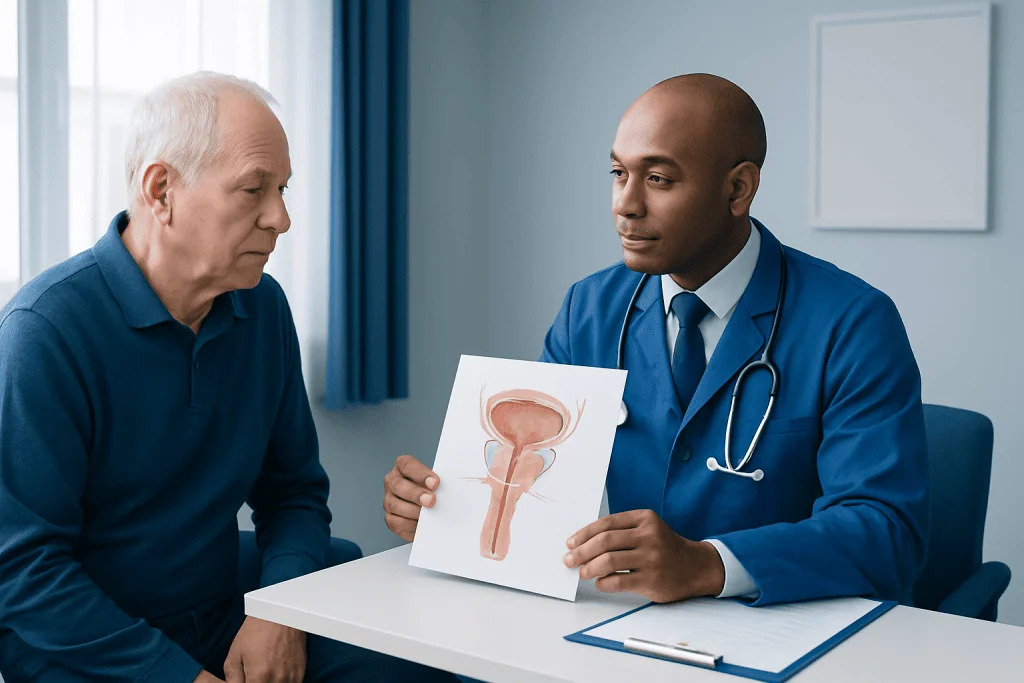
Androgens are hormones that can stimulate prostate cancer cells through androgen receptors. The testes make most testosterone, while the adrenal glands make smaller amounts. ADT either reduces testosterone production or blocks the way androgens act on cancer cells. The goal is to create a hormone environment that is less supportive of cancer growth.
People may be candidates for hormonal metastatic prostate cancer treatment when scans or other tests show cancer outside the prostate, or when there is a strong clinical concern that it has spread. It can also be used for recurrent cancer after previous local treatment. An oncology and urology team considers the location and extent of cancer, PSA trend, biopsy findings, symptoms, overall health, other medical conditions, and personal treatment priorities.
For many people with newly diagnosed metastatic disease, ADT is combined with another treatment from the start. Depending on the clinical situation, this may include an androgen-receptor-targeted medicine, chemotherapy, or selected radiation treatment. Combining treatments may improve cancer control for appropriate patients, but it can also add side effects, so the decision is individualized.
- Medicines that lower testosterone: GnRH agonists and GnRH antagonists reduce signals that tell the testes to produce testosterone.
- Androgen-receptor blockers: These medicines reduce the ability of testosterone and related hormones to stimulate cancer cells.
- Orchiectomy: Surgical removal of the testes is a permanent way to lower testosterone and may be considered by some patients.
What happens during hormonal therapy treatment for prostate cancer
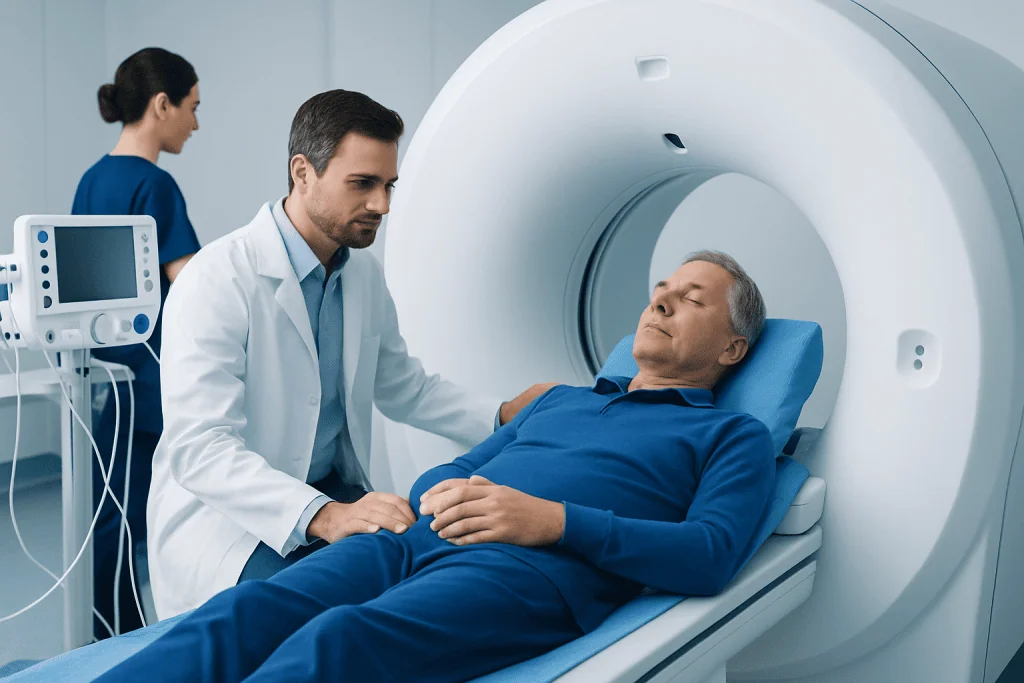
The first appointment usually includes a review of pathology reports, imaging, PSA results, current medicines, symptoms, medical history, and treatment goals. Blood tests may be used to measure PSA, testosterone, blood counts, liver and kidney function, and other markers relevant to the selected therapy. Clinicians may also assess bone health and cardiovascular risk before or early in treatment.
Medical ADT may be given as an injection or small implant under the skin at intervals determined by the medicine used. Some hormone-blocking treatments are tablets taken at home. An injection visit is typically brief, although patients may need blood tests or an appointment with their clinician at the same time. If a GnRH agonist is selected, a short course of another medicine may sometimes be used to reduce the temporary early rise in testosterone, called a flare.
Orchiectomy is a surgical option performed under anesthesia. It quickly and permanently lowers testosterone production, so it does not require repeat injections. It is a personal decision that should follow a careful discussion of benefits, emotional considerations, alternatives, and the fact that the hormonal effects cannot be reversed.
There is no single procedure pathway that suits everyone. The care team explains how the chosen medicine is given, how often monitoring is needed, likely side effects, possible interactions, and who to contact with concerns. Treatment plans may change over time as the cancer response and a person’s health needs change.
Benefits, expected results and recovery timeline
Hormonal therapy often begins lowering testosterone and affecting cancer activity within days to weeks, depending on the treatment selected. PSA commonly falls over the first several weeks or months when the cancer is responding, although PSA is only one part of the assessment. Pain, urinary symptoms, fatigue related to cancer, or other symptoms may improve as cancer activity decreases.
There is generally no physical recovery period after an injection or oral treatment, and many people continue their usual daily activities. After orchiectomy, recovery includes wound care, short-term discomfort management, and gradually returning to normal activity as advised by the surgical team. Emotional adjustment can also be an important part of recovery with any form of ADT.
Follow-up commonly includes PSA and testosterone testing, review of symptoms, and examinations. Imaging may be repeated when clinically needed, for example if symptoms change or results suggest that cancer may be progressing. A falling PSA is encouraging, but treatment response is assessed using the whole clinical picture rather than one test result.
ADT can control cancer for varying lengths of time, but it is not usually considered curative when prostate cancer is metastatic. If cancer progresses despite very low testosterone, the team may discuss additional hormonal medicines, chemotherapy, radiopharmaceuticals, targeted treatments, immunotherapy for selected cancers, clinical trials, or symptom-directed care.
Risks, side effects and protecting long-term health
Lower testosterone can cause hot flushes, sweating, reduced sexual desire, erectile difficulties, tiredness, mood changes, reduced muscle mass, weight gain, and breast tenderness or enlargement. These effects can be distressing, but patients should tell their care team about them. Supportive treatments, exercise guidance, counseling, sexual health support, and medication adjustments may help in some cases.
Longer-term ADT may contribute to bone thinning and fractures, loss of muscle strength, changes in cholesterol or blood sugar, anemia, and cardiovascular risk. The degree of risk depends on the person’s baseline health, treatment duration, and other therapies. Clinicians may recommend bone-density testing, adequate dietary calcium and vitamin D where appropriate, weight-bearing activity, fall prevention, and medicines to strengthen bone for selected patients.
People with diabetes, heart disease, high blood pressure, osteoporosis, depression, or a history of blood clots should ensure these conditions are discussed before treatment begins. Coordination between oncology, urology, primary care, cardiology, endocrinology, physiotherapy, dietetics, and mental health professionals can help address the wider effects of treatment.
New severe bone pain, weakness, numbness, difficulty walking, loss of bladder or bowel control, chest pain, sudden shortness of breath, or a rapidly worsening general condition needs urgent medical assessment. These symptoms do not always mean a treatment complication, but prompt evaluation is important.
Questions about being “hormonal” in girls and females
What does it mean to be hormonal? In everyday language, “hormonal” often means that someone is experiencing symptoms or changes thought to be related to shifting hormone levels. Hormones are chemical messengers made by glands and tissues throughout the body. They influence growth, metabolism, sleep, mood, reproduction, stress responses, and many other functions.
What do hormones do to a girl? Hormones help guide normal growth and development from childhood through puberty and adulthood. During puberty, hormones contribute to breast development, body hair growth, menstrual periods, changes in body composition, and emotional and physical maturation. Hormone levels naturally vary over time, and changes in mood or energy can have many possible causes in addition to hormones.
What does a girl being hormonal mean? This phrase is often used informally to describe mood changes, irritability, acne, menstrual symptoms, or changes around puberty. It is not a medical diagnosis and should not be used to dismiss someone’s concerns. Persistent, severe, or disruptive symptoms deserve a respectful discussion with a qualified healthcare professional.
What do hormones do for females? In females, hormones such as estrogen, progesterone, follicle-stimulating hormone, luteinizing hormone, thyroid hormones, insulin, and cortisol have essential roles in menstrual cycles, fertility, pregnancy, bone health, metabolism, and overall wellbeing. These questions are different from hormonal therapy for prostate cancer: prostate cancer treatment deliberately changes androgen signaling to control a cancer that is often hormone-sensitive.
Living with treatment and when to seek medical care
Healthy routines do not replace cancer treatment, but they can support physical function and quality of life. If approved by the care team, regular aerobic and resistance exercise can help maintain muscle and bone strength, reduce fatigue, and support mood. A balanced eating pattern, adequate protein, sleep, smoking cessation, and moderation or avoidance of alcohol can also support general health.
Patients should attend scheduled follow-ups even when they feel well, take oral medicines exactly as prescribed, and ask before starting supplements or non-prescription medicines. Keeping a record of symptoms, hot flushes, pain, energy levels, and emotional changes can make appointments more productive. Partners, family members, and support groups may also play a helpful role.
When to seek medical care: Contact the cancer team promptly for new or worsening bone pain, urinary blockage, unexplained swelling, troublesome treatment side effects, fever, persistent vomiting, or a marked change in energy or function. Seek urgent care for sudden leg weakness, numbness around the groin, new bladder or bowel control problems, chest pain, severe shortness of breath, or confusion.
Acibadem International’s multidisciplinary specialists and JCI-accredited hospitals diagnose and treat metastatic prostate cancer for international patients, with treatment planning tailored to the individual’s diagnosis, health status, and goals.
Frequently asked questions
Is hormonal therapy the same as chemotherapy for metastatic prostate cancer?
No. Hormonal therapy lowers testosterone or blocks its action on prostate cancer cells, while chemotherapy uses medicines that damage or disrupt rapidly dividing cancer cells. Both may be used in the treatment plan for some people with metastatic prostate cancer.
How long does hormonal therapy work for metastatic prostate cancer?
The duration of benefit varies widely and depends on cancer biology, disease extent, other treatments, and overall health. Many cancers respond initially, but ongoing monitoring is needed because cancer can eventually progress despite low testosterone.
Can hormonal therapy cure metastatic prostate cancer?
Hormonal therapy usually cannot cure prostate cancer once it has spread to distant sites. It can often slow growth, reduce symptoms, and form the foundation of a longer-term treatment strategy.
Will testosterone return after stopping hormonal therapy?
Testosterone recovery is possible after some temporary medical treatments, but it can take months or longer and may be incomplete, particularly after prolonged treatment or in older adults. Testosterone does not return after orchiectomy because the testes have been removed.
What is a PSA test used for during hormonal therapy?
PSA is a protein commonly measured in the blood to help monitor prostate cancer activity. A PSA decrease can suggest a response, but doctors interpret it alongside symptoms, testosterone level, examinations, and imaging when appropriate.
Can side effects of androgen-deprivation therapy be managed?
Many side effects can be addressed with monitoring, exercise, nutrition advice, treatment for bone health, management of cardiovascular risk factors, and symptom-specific support. Patients should report side effects early rather than stopping treatment without medical advice.
References
- National Cancer Institute
- American Cancer Society
- European Association of Urology
- National Comprehensive Cancer Network
- American Urological Association
This article is for general information only and is not a substitute for professional medical advice. Please consult a qualified doctor about your individual situation.
Prostate Cancer in Turkey — costs, top hospitals & a free quote
JCI-accredited · board-certified surgeons · reply within 24h
Add us as a Preferred Source to see more of our trusted health content across Google Search, AI Overviews and Discover.

More from the Health Library



Related Specialists

Assoc. Prof. Dr. İlke Özer Aslan
Gynecology & Obstetrics
Prof. Dr. Cem Akbal
Urology
Fzt. Sevilay Lumbuku
Physical Medicine & Rehabilitation
Dr. Serkan Tokgönül
Aesthetic Plastic & Reconstructive Surgery