Hormone Blood Tests: Which Ones Doctors Order and How to Prepare

Hormone blood tests are chosen based on symptoms and medical history, not ordered as a one-size-fits-all panel. Common tests include thyroid, reproductive, adrenal, pituitary, and metabolic hormone measurements.
Key Takeaways
- Hormone blood tests are chosen based on symptoms and medical history, not ordered as a one-size-fits-all panel.
- Common tests include thyroid, reproductive, adrenal, pituitary, and metabolic hormone measurements.
- Preparation varies: some tests require morning sampling, fasting, or timing with the menstrual cycle.
- Medicines, supplements, illness, stress, sleep, and pregnancy can affect hormone test results.
- Abnormal results usually need interpretation in context and sometimes repeat testing before a diagnosis is made.
Hormone blood tests help doctors evaluate how the body’s chemical messengers are working. The right tests and the right preparation depend on symptoms, age, sex, menstrual cycle timing, medicines, and the health question being investigated.
Overview: What hormone blood tests are
Hormone blood tests measure levels of specific hormones circulating in the bloodstream. Hormones are chemical messengers made by glands such as the thyroid, pituitary, adrenal glands, ovaries, testes, and pancreas. They help regulate energy use, growth, metabolism, reproduction, mood, sleep, and many other body functions.
Doctors order hormone blood tests when symptoms suggest that an endocrine gland may be producing too much or too little of a hormone. These tests can also help monitor an already diagnosed condition, check how well treatment is working, or investigate concerns such as irregular periods, infertility, fatigue, unexplained weight changes, hair loss, low libido, or changes in blood sugar.
Hormone testing is not always straightforward. Many hormone levels change through the day, across the menstrual cycle, with age, and during stress or illness. For that reason, a result is most useful when it is interpreted alongside symptoms, physical examination, medical history, and sometimes imaging or repeat blood work.
Which hormone blood tests doctors commonly order
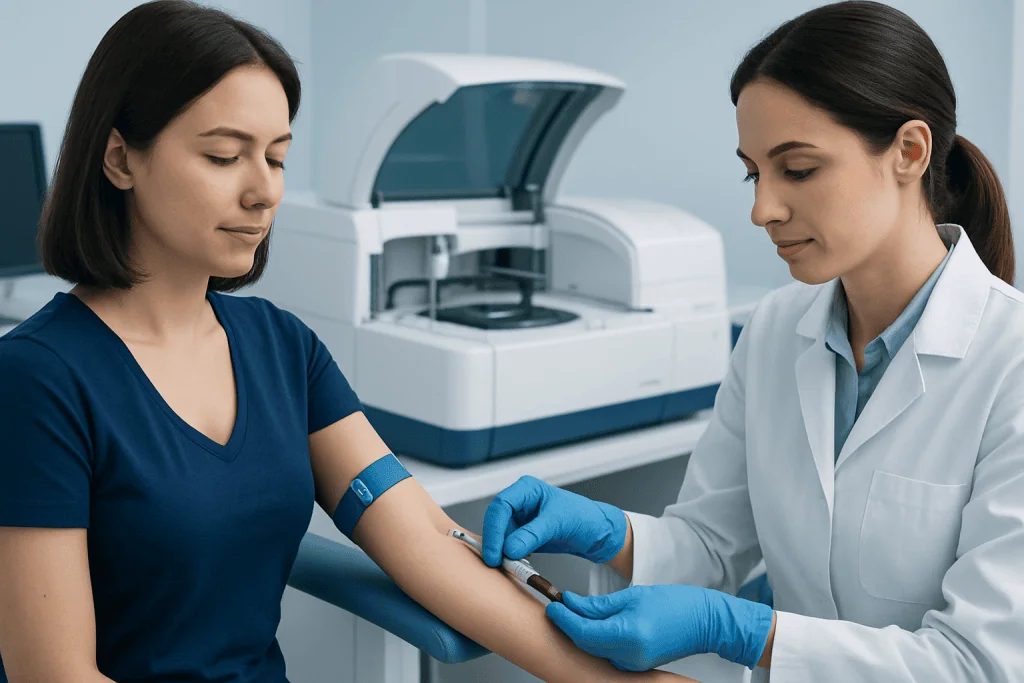
The specific tests depend on the clinical question. For thyroid symptoms, doctors often request thyroid-stimulating hormone (TSH) and free thyroxine (free T4). Sometimes free triiodothyronine (free T3) and thyroid antibodies are added when autoimmune thyroid disease is suspected. These tests are commonly used when evaluating symptoms related to thyroid disease, fatigue, temperature sensitivity, or unexplained changes in weight.
Reproductive hormone tests may include follicle-stimulating hormone (FSH), luteinizing hormone (LH), estradiol, progesterone, testosterone, prolactin, and anti-Müllerian hormone (AMH). These may be ordered for irregular periods, difficulty becoming pregnant, menopause-related concerns, low libido, erectile problems, or signs of excess androgen such as acne or unwanted hair growth. In some situations, doctors may also assess fertility with specialized care such as IVF treatment or broader infertility treatment.
Adrenal and pituitary testing can include cortisol, adrenocorticotropic hormone (ACTH), dehydroepiandrosterone sulfate (DHEAS), growth hormone–related markers such as insulin-like growth factor 1 (IGF-1), and prolactin. Doctors may also order metabolic hormone tests such as insulin, C-peptide, and hemoglobin A1c when evaluating blood sugar regulation. If symptoms point toward an endocrine disorder such as Cushing’s syndrome, more than one blood test may be combined with urine, saliva, or imaging studies.
- Thyroid: TSH, free T4, free T3, thyroid antibodies
- Reproductive: FSH, LH, estradiol, progesterone, testosterone, prolactin, AMH
- Adrenal: cortisol, ACTH, DHEAS, aldosterone, renin
- Pituitary and growth: prolactin, IGF-1
- Metabolic: insulin, C-peptide, glucose-related tests
Why doctors order these tests

Hormone blood tests are ordered to answer specific medical questions. A doctor may use them to investigate symptoms such as persistent tiredness, unexplained weight gain or weight loss, dizziness, menstrual changes, infertility, hot flashes, breast discharge, sexual dysfunction, mood changes, excessive thirst, or skin and hair changes. In children and adolescents, they may help assess puberty timing or growth concerns.
These tests are also important in follow-up care. People with thyroid disease, diabetes, polycystic ovary syndrome, pituitary disorders, adrenal disorders, or menopause-related symptoms may need periodic hormone testing to monitor progress and adjust treatment. In pregnancy, certain hormone-related tests are interpreted differently because normal ranges shift.
Sometimes hormone testing is used to rule out a condition rather than confirm one. For example, symptoms such as fatigue or palpitations can have many causes, so normal hormone results may help guide the doctor toward other explanations. Because hormone systems influence one another, doctors often order a combination of tests instead of relying on one result alone.
How to prepare for hormone blood tests
Preparation depends on the hormone being measured. Many tests do not require major preparation, but some are more accurate when blood is drawn at a particular time of day. Cortisol, testosterone, and certain other hormones are often measured in the morning because their levels naturally fluctuate. Reproductive hormone tests may need to be timed to a certain day of the menstrual cycle, especially FSH, LH, estradiol, and progesterone.
Fasting may be required for some tests, especially when insulin, glucose, or related metabolic markers are being checked. The laboratory or clinician should give specific instructions. It is important not to stop prescribed medicines unless a doctor specifically advises it, but patients should tell the care team about all medicines, vitamins, herbal supplements, and biotin-containing products, as some can interfere with results.
Other factors can matter too. Recent illness, poor sleep, intense exercise, emotional stress, pregnancy, and shift work can affect hormone levels. Wearing comfortable clothing may make the blood draw easier. If a person feels faint during blood tests, informing the staff in advance can help them take simple precautions.
- Ask whether the test should be done in the morning
- Confirm whether fasting is required
- Tell the doctor about all medicines and supplements
- Ask whether timing in the menstrual cycle matters
- Follow any instructions about avoiding strenuous exercise before testing
What can affect results and how doctors interpret them
Hormone results are interpreted using reference ranges, but those ranges are only one part of the picture. A result can be technically within range yet still matter if symptoms are strong or if the level has changed significantly over time. Likewise, a mildly abnormal result may not always mean disease, especially if the person was ill, under stress, or taking a medicine that influenced the measurement.
Several common factors can affect results. Hormonal contraception, steroid medicines, thyroid medication, anti-seizure medicines, and fertility drugs may change hormone levels. Biotin supplements can interfere with some laboratory methods, particularly certain thyroid and hormone assays. Age, menstrual cycle stage, menopause, pregnancy, and even the time of sample collection can also shift what is considered normal.
Because of these variables, doctors sometimes repeat a test, order a more specific assay, or use a stimulation or suppression test. For example, one isolated cortisol value may be less informative than a carefully timed series of tests. Imaging studies may be needed if blood tests suggest a structural problem affecting glands such as the pituitary, thyroid, or adrenal glands.
What happens after the test
Most hormone blood tests are simple outpatient blood draws. After the sample is taken, people can usually return to normal activities right away unless they were fasting or underwent a special dynamic test. Mild bruising or tenderness at the needle site can happen, but serious problems are uncommon.
Results may return quickly or take longer depending on the test and the laboratory. Once the results are available, the doctor reviews them in the context of symptoms and medical history. If the findings suggest an endocrine problem, the next steps may include repeat testing, an ultrasound, MRI, or referral to an endocrinologist, gynecologist, urologist, or fertility specialist.
Treatment is based on the underlying cause, not on the lab number alone. Management may involve lifestyle changes, monitoring, hormone replacement, medicines that lower hormone production, or treatment of a tumor or gland disorder. For patients needing specialist evaluation, Acibadem International’s multidisciplinary teams in JCI-accredited hospitals diagnose and treat hormone-related conditions for international patients.
When to see a doctor
A doctor should be consulted if symptoms suggest a hormonal imbalance or if there are persistent, unexplained changes in health. Examples include ongoing fatigue, irregular or absent periods, infertility, reduced sexual function, breast discharge, sudden weight changes, excessive thirst, tremor, heat or cold intolerance, or new acne and unwanted hair growth. Children with concerns about growth or puberty also need medical assessment.
Urgent medical care is important if severe symptoms occur, such as fainting, confusion, severe dehydration, chest pain, sudden severe headache, vision changes, or signs of a serious blood sugar problem. These symptoms can have many causes, including hormonal disorders, and should not be ignored.
Routine home hormone testing or broad screening without a clear reason can be misleading. The most useful approach is targeted testing guided by a qualified clinician who can explain what each test means, whether preparation is needed, and what follow-up is appropriate.
Frequently asked questions
Do hormone blood tests require fasting?
Some do, but many do not. Fasting is more commonly needed when insulin, glucose, or related metabolic tests are ordered. The safest approach is to follow the specific instructions from the doctor or laboratory.
What time of day should hormone blood tests be done?
It depends on the hormone. Cortisol and testosterone are often checked in the morning because their levels change during the day. Other tests may not need special timing, while some reproductive hormones need to be matched to a certain menstrual cycle day.
Can medicines or supplements affect hormone blood test results?
Yes. Prescription medicines, hormone therapies, contraception, steroids, and some supplements can change results or interfere with testing methods. Biotin is a common example, so patients should always tell their doctor about everything they take.
Can a single abnormal hormone test diagnose a condition?
Not always. Many hormone levels naturally fluctuate, so doctors often interpret results together with symptoms, repeat testing, and sometimes imaging. A diagnosis usually depends on the full clinical picture rather than one isolated number.
Which hormone tests are used for fertility concerns?
Doctors may order FSH, LH, estradiol, progesterone, prolactin, AMH, and testosterone, depending on the situation. Thyroid tests may also be included because thyroid problems can affect fertility. The exact panel varies by age, menstrual pattern, and reproductive goals.
Are home hormone tests as reliable as laboratory blood tests?
Home tests can be convenient, but they may not provide the same level of accuracy, timing control, or interpretation as clinician-guided laboratory testing. They can also be confusing if used without the right medical context. A doctor can help decide which test is appropriate and what the results mean.
References
- World Health Organization
- National Institute of Diabetes and Digestive and Kidney Diseases
- Endocrine Society
- American Thyroid Association
- MedlinePlus
This article is for general information only and is not a substitute for professional medical advice. Please consult a qualified doctor about your individual situation.
Medical weight-loss options in Turkey — costs & eligibility
JCI-accredited · board-certified surgeons · reply within 24h
Add us as a Preferred Source to see more of our trusted health content across Google Search, AI Overviews and Discover.
Check your numbers in seconds
BMI, calories, due date, blood pressure and 30+ more clinical calculators — free, instant, doctor-reviewed ranges.