Hormone Replacement Therapy: Who May Benefit and What to Expect

Hormone replacement therapy is most often used to treat bothersome menopause symptoms such as hot flashes, night sweats, and vaginal dryness. HRT is not one single treatment; it may include estrogen alone or estrogen with progesterone, in different forms such as tablets, patches, gels, or vaginal products.
Key Takeaways
- Hormone replacement therapy is most often used to treat bothersome menopause symptoms such as hot flashes, night sweats, and vaginal dryness.
- HRT is not one single treatment; it may include estrogen alone or estrogen with progesterone, in different forms such as tablets, patches, gels, or vaginal products.
- The safest and most suitable option depends on age, medical history, symptoms, and whether the uterus is present.
- Benefits can be significant for some patients, but treatment should be individualized because HRT also carries potential risks.
- Regular follow-up is important to review symptom control, side effects, and whether treatment should continue, change, or stop.
Hormone replacement therapy, often called HRT, is used to replace hormones that naturally decline, most commonly around menopause. For selected patients, it can relieve symptoms, support quality of life, and help protect bone health when prescribed after an individual risk-benefit review.
Overview
Hormone replacement therapy is a treatment that replaces hormones the body is no longer making in sufficient amounts. It is most commonly discussed in relation to menopause, when estrogen levels fall and symptoms such as hot flashes, sleep disturbance, mood changes, and vaginal dryness may appear. Some people also need hormone therapy after surgery that removes the ovaries, or for other medical reasons affecting hormone production.
HRT is not a single medicine. It includes several options, such as estrogen-only therapy and combined therapy with estrogen plus progesterone or a similar hormone called progestin. The best option depends on the person’s symptoms, age, overall health, and whether they still have a uterus. Progesterone is usually needed with estrogen if the uterus is present, because it helps protect the lining of the womb.
For many people, HRT can improve comfort, sleep, sexual health, and daily functioning. It may also help prevent bone loss and reduce fracture risk in some patients. At the same time, it is not right for everyone, so treatment decisions should be made with a qualified doctor after a careful discussion of benefits, risks, and alternatives.
Who May Benefit From Hormone Replacement Therapy
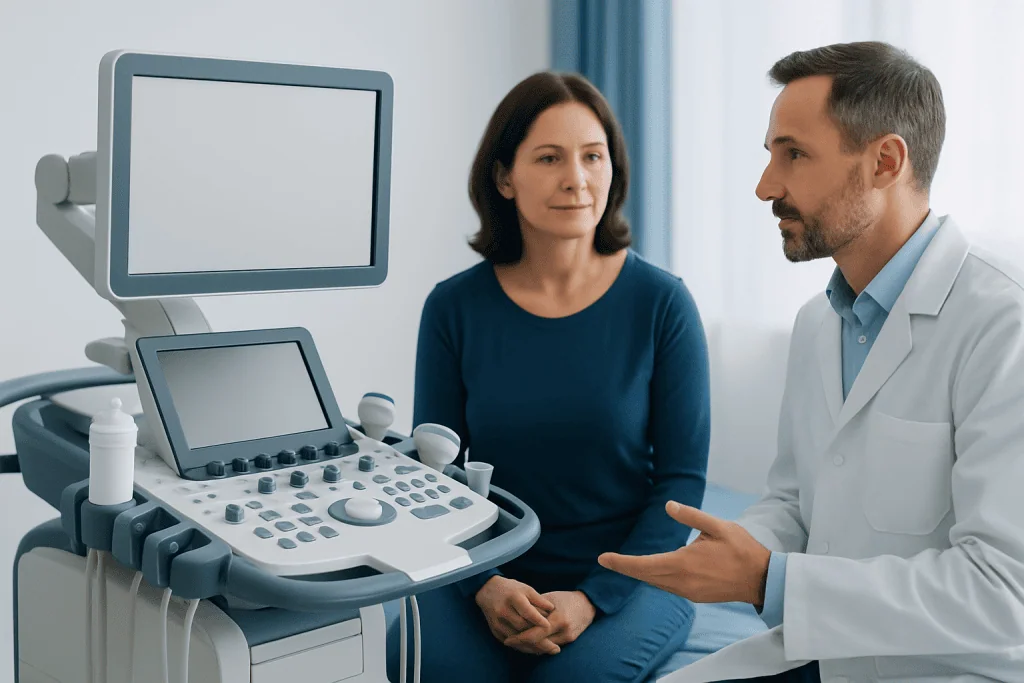
People with moderate to severe menopause symptoms are often the main group considered for HRT. This includes frequent hot flashes, night sweats, disrupted sleep, mood-related symptoms linked to menopause, and vaginal or urinary symptoms caused by low estrogen. Some patients find symptoms mild and manageable without hormones, while others have symptoms that significantly affect work, relationships, and quality of life.
HRT may also benefit people who experience early menopause or premature ovarian insufficiency, when the ovaries stop working sooner than expected. In these situations, replacing hormones until the usual age of natural menopause may help protect bone, heart, and overall health, unless there is a reason not to use it. In addition, some people who undergo surgical menopause after ovary removal may have sudden, intense symptoms that respond well to treatment.
Local vaginal estrogen can be especially helpful for patients whose main concerns are vaginal dryness, discomfort during sex, irritation, or recurrent urinary symptoms related to menopause. Because these products act mainly in the vaginal tissues, they may be appropriate even when whole-body symptoms such as hot flashes are not present. A doctor may also discuss nonhormonal options if hormones are not suitable or not preferred.
Types of HRT and What to Expect

HRT can be given in several ways. Systemic therapy, which reaches the whole body, may be taken as tablets or used through the skin as patches, sprays, or gels. Vaginal therapy is used locally as creams, tablets, rings, or inserts and is mainly aimed at genitourinary symptoms. The route matters because it can affect convenience, symptom relief, and the risk profile.
Estrogen-only therapy is generally used for people who no longer have a uterus. Combined HRT includes estrogen plus progesterone or progestin and is usually prescribed when the uterus is still present. Some combined regimens cause regular bleeding, while others are designed to reduce or stop bleeding over time. A doctor will explain what pattern to expect based on the chosen treatment and where the person is in the menopause transition.
Improvement is often gradual rather than immediate. Hot flashes and night sweats may ease within weeks, while sleep and quality of life may improve over a few months. Vaginal symptoms can also improve, though ongoing treatment may be needed to maintain benefit. During this period, clinicians may adjust the type or dose to balance symptom control with tolerability. When appropriate, evaluation and management may be coordinated through services such as endocrinology care or gynecology care.
Benefits, Risks, and Side Effects
The main benefits of HRT are relief of menopause symptoms and improvement in day-to-day wellbeing. It is considered the most effective treatment for hot flashes and night sweats. It can also help with vaginal dryness, discomfort during sex, and some urinary symptoms related to menopause. Another important benefit is protection against bone loss, which may lower the risk of osteoporosis-related fractures in selected patients.
Like any medical treatment, HRT has possible risks and side effects. Common short-term side effects can include breast tenderness, bloating, nausea, leg cramps, headaches, mood changes, or breakthrough bleeding, especially when treatment is first started or adjusted. These effects often settle, but persistent or troublesome symptoms should be reviewed by a doctor.
Longer-term risks vary according to age, time since menopause, personal and family history, the hormones used, the dose, and the route of administration. Depending on these factors, HRT may affect the risks of blood clots, stroke, gallbladder disease, breast cancer, or uterine cancer. For example, using estrogen without progesterone in someone who has a uterus can raise the risk of cancer in the womb lining. This is why an individualized assessment is essential, and why treatment should be reviewed regularly rather than continued automatically.
Who Should Avoid or Use Extra Caution With HRT
HRT may not be recommended for everyone. Extra caution is often needed for people with a history of certain hormone-sensitive cancers, unexplained vaginal bleeding, active liver disease, blood clots, stroke, heart disease, or known high-risk clotting disorders. Some patients with migraine, high blood pressure, diabetes, obesity, or strong family histories of breast cancer or clotting problems may still be able to use specific forms of HRT, but only after careful medical review.
Because the details matter, a clinician will ask about menstrual history, pregnancies, smoking, current medicines, previous surgeries, and family history. They may also review bone health and symptoms of conditions that can resemble menopause, such as thyroid disease, anemia, sleep disorders, depression, or osteoporosis. HRT should not be started simply because symptoms seem typical without considering other causes.
Patients are often reassured to learn that there is no one-size-fits-all answer. In some cases, a transdermal option such as a patch or gel may be preferred because it may be more suitable for certain risk profiles. In others, a nonhormonal approach may be the better choice. The goal is not to push treatment, but to find the safest and most effective plan for that individual.
Assessment, Monitoring, and Follow-Up
Before starting HRT, the doctor usually confirms that the symptoms fit with menopause or another hormone-related change and reviews general health. Blood tests are not always needed for typical menopause at the usual age, but they may be useful in younger patients, uncertain cases, or when another condition is suspected. Routine health measures such as blood pressure checks, breast screening when appropriate for age, and review of cervical screening history remain important.
Once treatment starts, follow-up visits help assess whether symptoms have improved and whether any side effects, bleeding changes, or concerns have developed. The doctor may fine-tune the type, route, or dose. Unexpected vaginal bleeding after menopause or bleeding that persists after the early adjustment period should always be assessed, because it may need further evaluation.
Regular review also helps determine how long HRT should continue. There is no single fixed timeline for everyone. Some patients use it for a shorter period during the most symptomatic years, while others continue longer after discussing the ongoing balance of benefit and risk. If symptoms are complex or bone health is a major concern, support may involve osteoporosis treatment or a broader multidisciplinary review.
Self-Care, Alternatives, and When to Seek Medical Advice
Lifestyle measures can complement HRT or, for some people, reduce the need for it. Helpful habits may include regular weight-bearing exercise, good sleep routines, stopping smoking, limiting alcohol, and eating a balanced diet with enough calcium and vitamin D. Dressing in layers, keeping the bedroom cool, and identifying hot flash triggers such as spicy foods or excess caffeine can also help. For vaginal symptoms, lubricants and moisturizers may offer additional relief.
Nonhormonal treatments are available for people who cannot or do not wish to use HRT. Depending on the symptoms, a doctor may suggest medicines for hot flashes, vaginal therapies that do not contain hormones, counseling or psychological support, or treatment for related issues such as sleep disturbance. If symptoms overlap with other conditions, targeted assessment may be needed, including evaluation for thyroid disease when appropriate.
Medical advice should be sought if menopause symptoms are affecting daily life, if menopause happens unusually early, or if there is uncertainty about whether HRT is safe. Urgent assessment is important for chest pain, sudden shortness of breath, one-sided leg swelling, severe new headache, weakness, or speech trouble, as these may point to a serious problem. Patients should also arrange prompt review for new breast changes or any unexpected vaginal bleeding after menopause. Near the end of the care pathway, some international patients may choose centers such as Acibadem International, where multidisciplinary specialists in JCI-accredited hospitals diagnose and treat menopause-related conditions.
Frequently asked questions
Is hormone replacement therapy the same for everyone?
No. HRT is tailored to the individual. The best option depends on symptoms, age, medical history, personal preferences, and whether the uterus is present.
How long does it take for HRT to work?
Some symptoms, especially hot flashes and night sweats, may improve within a few weeks. Other benefits, such as better sleep, improved sexual comfort, or steadier daily functioning, may take a little longer.
Does HRT cause weight gain?
HRT is not considered a direct cause of major weight gain for most people. Midlife weight changes are common for many reasons, including age, sleep changes, and shifts in body composition.
Can someone use HRT if they only have vaginal dryness?
Yes, in many cases local vaginal estrogen may be considered when symptoms are limited to vaginal or urinary discomfort. These treatments act mainly in the local tissues and are different from whole-body hormone therapy.
Will HRT stop periods immediately?
Not always. In perimenopause, some types of HRT can lead to irregular bleeding at first, and some regimens produce a planned monthly bleed. The expected pattern depends on the specific treatment and stage of menopause.
Is HRT safe after early menopause?
For many people with early menopause or premature ovarian insufficiency, hormone therapy may be especially helpful unless there is a clear reason to avoid it. A doctor can explain how treatment may support symptom relief and long-term bone health in this situation.
References
- North American Menopause Society
- National Institute for Health and Care Excellence
- American College of Obstetricians and Gynecologists
- National Health Service
- Endocrine Society
This article is for general information only and is not a substitute for professional medical advice. Please consult a qualified doctor about your individual situation.
Explore treatments in Turkey — costs, top hospitals & a free quote
JCI-accredited · board-certified surgeons · reply within 24h
Add us as a Preferred Source to see more of our trusted health content across Google Search, AI Overviews and Discover.