

Hormone Therapy for Men Colts Neck: How It Works, Results and What to Expect

Testosterone therapy is usually considered only after symptoms and repeated morning blood tests confirm testosterone deficiency. Treatment may use gels, injections, patches, pellets or other clinician-selected formulations, depending on health needs and preferences.
Key Takeaways
- Testosterone therapy is usually considered only after symptoms and repeated morning blood tests confirm testosterone deficiency.
- Treatment may use gels, injections, patches, pellets or other clinician-selected formulations, depending on health needs and preferences.
- Benefits may include improved sexual symptoms, energy, mood or muscle mass, but results vary and develop over different timeframes.
- TRT can reduce sperm production and testicular size, so fertility goals should be discussed before treatment begins.
- Regular follow-up is essential to monitor testosterone levels, blood counts, prostate-related symptoms and treatment side effects.
Hormone therapy for men in Colts Neck generally refers to testosterone replacement therapy (TRT) for adults with symptoms of testosterone deficiency and repeatedly low blood-test results. It can improve symptoms for some men, but it requires an individualized medical assessment and ongoing monitoring because it is not appropriate for everyone.
Hormone Therapy for Men in Colts Neck: An Overview
Hormone therapy for men in Colts Neck most often means testosterone replacement therapy, also called TRT. It is prescribed to treat <a href="https://acibademinternational.com/diseases/male-hypogonadism/”>male hypogonadism: a condition in which the body does not make enough testosterone and the person has compatible symptoms. A diagnosis should not be based on symptoms alone, since fatigue, reduced libido, mood changes and weight gain can also have many other causes.
Testosterone is important for sexual development, libido, erections, sperm production, bone strength, red blood cell production, muscle mass and emotional well-being. Levels naturally change during the day and may decline with age, illness, excess body weight, certain medicines and disorders affecting the testes, pituitary gland or hypothalamus. A clinician evaluates the full health picture before deciding whether replacement therapy is likely to be helpful.
TRT is not a general anti-aging treatment or a substitute for sleep, nutrition, exercise and treatment of underlying conditions. For men with verified deficiency, however, carefully monitored therapy may relieve selected symptoms and support long-term health goals.
How Testosterone Hormone Therapy Works
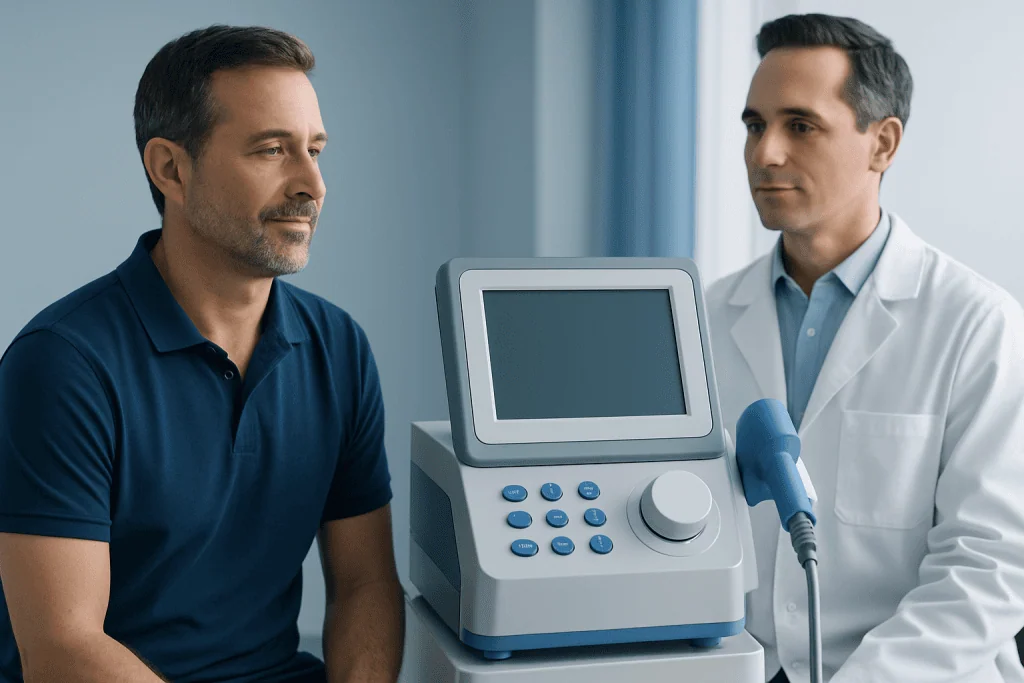
TRT supplies testosterone from outside the body to bring blood levels into a normal physiological range. The goal is symptom relief and restoration of appropriate hormone levels, not producing unusually high levels. The best formulation depends on medical history, lifestyle, ability to attend follow-up appointments and personal preferences.
Common options include testosterone gels or creams applied to the skin, injections given at different intervals, skin patches, long-acting pellets placed under the skin, and some oral formulations in selected settings. Each option has different patterns of absorption, convenience and monitoring needs. For example, topical products require care to avoid transferring medicine to another person through skin contact.
Because externally supplied testosterone signals the brain to reduce its own hormonal stimulation of the testes, it commonly lowers sperm production. This is a central reason that men hoping to conceive now or in the near future need specialist advice before starting treatment. In some cases, clinicians investigate fertility-preserving approaches or address reversible causes of low testosterone instead.
Who May Be a Candidate for TRT?

A suitable candidate typically has persistent symptoms consistent with low testosterone plus at least two separate low early-morning testosterone test results. Testing is often repeated because levels can vary with sleep, acute illness, alcohol use, timing, intense exercise and laboratory differences. Additional tests may help identify whether the problem originates in the testes or in hormone-control centers in the brain.
Symptoms that may prompt evaluation include reduced sexual desire, fewer spontaneous erections, erectile difficulties, low energy, depressed mood, reduced physical strength, loss of body hair, reduced muscle mass, increased body fat, infertility or low bone density. These symptoms are not specific to testosterone deficiency, so clinicians may also assess thyroid disease, anemia, diabetes, sleep apnea, medication effects, depression and other conditions.
TRT may be unsuitable or require caution in men with active prostate or breast cancer, high red blood cell counts, untreated severe sleep apnea, uncontrolled heart failure, recent major cardiovascular events, or significant urinary symptoms. The decision is individualized. A clinician may recommend evaluation for erectile dysfunction or other focused assessment when sexual symptoms have more than one possible cause.
What Happens When a Man Takes Hormone Therapy?
After treatment starts, blood testosterone rises according to the type, dose and schedule used. Men may notice changes in libido, morning erections, energy, mood, physical performance or body composition over time, although no two responses are identical. Some improvements may occur within weeks, while measurable changes in muscle mass, bone health or red blood cell count may take months.
TRT also affects the body’s feedback system. The brain senses testosterone from the medication and reduces signals that normally stimulate the testes. As a result, the testes may produce less testosterone and fewer sperm. This may lead to reduced fertility and smaller testicular volume while treatment continues.
Follow-up appointments usually include a review of symptoms, treatment technique, side effects and laboratory results. Clinicians commonly monitor testosterone levels and hematocrit, a measure related to red blood cells. Depending on age, symptoms and individual risk factors, prostate assessment may also be discussed. Dose or formulation changes should be made only with the prescribing clinician.
What Are the First Signs That Testosterone Is Working?
For some men, the earliest improvements are a return of sexual interest, more frequent morning erections, improved energy or a better sense of well-being. These changes may appear over several weeks, but they are not guaranteed and should be assessed alongside objective blood testing. Improved symptoms do not necessarily mean that the dose is correct or that monitoring is no longer needed.
Physical changes generally develop more gradually. With regular resistance exercise, sufficient protein intake, healthy sleep and appropriate treatment of other conditions, some men may gain lean mass or improve strength over several months. Bone-density changes take longer and are not expected immediately.
If symptoms do not improve, it is important not to increase the dose independently. Persistent fatigue, erectile concerns and low mood may be related to other health issues that need separate evaluation, even when testosterone levels have been corrected.
How Small Do Balls Get on TRT?
Testicular shrinkage can occur on TRT because the testes receive less stimulation to produce testosterone and sperm. The degree of change varies widely. Some men notice little or no visible difference, while others experience a more noticeable reduction in testicular fullness or volume over time.
There is no reliable single measurement that predicts how much testicular size will change for an individual. The likelihood and extent can depend on baseline testicular function, treatment duration, dose, age and whether hormone production was already low before therapy. Reduced sperm count can occur even when testicular shrinkage is not obvious.
Men who want biological children should discuss this before beginning TRT. A reproductive urologist or fertility specialist may discuss semen analysis, sperm preservation and treatment approaches that may better support fertility. Do not stop prescribed therapy abruptly without medical advice; a clinician can help plan changes safely.
Will I Lose Belly Fat on TRT?
TRT is not a weight-loss medicine, and it cannot reliably remove belly fat on its own. In men with confirmed testosterone deficiency, treatment may modestly improve body composition by supporting lean mass and reducing fat mass over time. The size of this effect varies, and total body weight may not change substantially.
Abdominal fat is influenced by calorie intake, physical activity, sleep, stress, alcohol use, genetics, age, insulin resistance and other medical conditions. A sustainable plan generally combines clinician-guided hormone treatment when indicated with balanced nutrition, regular aerobic activity, resistance training and adequate sleep.
Men concerned about weight, blood sugar, blood pressure or metabolic health benefit from a broader assessment rather than relying on TRT alone. Addressing sleep apnea and diabetes, when present, may improve both overall health and symptoms sometimes attributed to low testosterone.
Treatment Steps, Recovery, Risks and When to Seek Medical Care
There is usually no surgical recovery period for gels, patches or injections. A typical process includes an initial consultation, medical and reproductive history, physical examination, repeated morning hormone tests, additional testing where needed, and a discussion of treatment options. Once treatment begins, the clinician checks technique, symptoms and lab results at planned intervals. Pellet insertion, where available, is a minor procedure and may cause temporary local soreness, bruising or swelling.
Potential benefits include improved libido, sexual function in some men, energy, mood, lean mass, bone health and anemia related to low testosterone. Potential risks and side effects include acne or oily skin, fluid retention, breast tenderness or enlargement, worsening sleep apnea, increased red blood cell count, fertility reduction, testicular shrinkage and local reactions from the treatment method. The relationship between TRT and cardiovascular or prostate outcomes requires individualized discussion, particularly for men with pre-existing risks.
Prompt medical advice is appropriate for chest pain, shortness of breath, sudden weakness, severe headache, leg swelling, a painful prolonged erection, severe mood changes or signs of an allergic reaction. Men should also seek assessment for new breast lumps, blood in urine, substantial changes in urination, or troublesome side effects. Acibadem International’s multidisciplinary specialists and JCI-accredited hospitals can assess hormone concerns and coordinate care for international patients.
Healthy routines remain important throughout treatment. Avoid using testosterone bought online, from unregulated sources or prescribed for someone else. These products may be unsafe, incorrectly dosed or inappropriate for the person’s medical needs.
Frequently asked questions
How is low testosterone diagnosed before hormone therapy?
Diagnosis usually requires compatible symptoms and low testosterone on at least two separate early-morning blood tests. A clinician may also measure related hormones and investigate health conditions, medicines, sleep problems or weight-related factors that could be contributing.
How long does testosterone replacement therapy take to work?
Some sexual or energy-related symptoms may improve within several weeks, but response differs from person to person. Changes in body composition, bone density and anemia usually take longer, often months, and require monitoring.
Can testosterone therapy improve erectile dysfunction?
It may improve erectile function in some men with confirmed testosterone deficiency, particularly when low libido is also present. However, erectile dysfunction often has vascular, neurological, psychological, medication-related or metabolic causes, so TRT may not be sufficient on its own.
Can a man have children while taking TRT?
TRT can substantially lower sperm production and may impair fertility. Men who want to conceive should tell their clinician before starting therapy so fertility testing, sperm banking or alternative management options can be considered.
Does testosterone therapy cause prostate cancer?
Current evidence does not establish that properly prescribed TRT causes prostate cancer. However, testosterone can affect prostate-related monitoring, and men should discuss their prostate history, urinary symptoms and individual risk factors with their clinician.
Is testosterone therapy safe for older men?
Age alone does not determine whether TRT is appropriate. Older men need a careful review of symptoms, repeated test results, cardiovascular health, prostate history, sleep apnea risk, blood counts and treatment goals before therapy is considered.
References
- Endocrine Society
- American Urological Association
- U.S. Food and Drug Administration
- National Institute of Diabetes and Digestive and Kidney Diseases
- Mayo Clinic
This article is for general information only and is not a substitute for professional medical advice. Please consult a qualified doctor about your individual situation.
Hormone Therapy in Turkey — costs, top hospitals & a free quote
JCI-accredited · board-certified surgeons · reply within 24h
Add us as a Preferred Source to see more of our trusted health content across Google Search, AI Overviews and Discover.
Check your numbers in seconds
BMI, calories, due date, blood pressure and 30+ more clinical calculators — free, instant, doctor-reviewed ranges.

Medical Oncology Department
Medical treatment of cancer with chemotherapy, immunotherapy and targeted therapies under a multidisciplinary tumor board.
60 specialists in this unitMore from the Health Library



Related Specialists

Assoc. Prof. Dr. Sinan Kırım
Endocrinology
Prof. Dr. Nur Olgun
Pediatric Oncology
Prof. Dr. Ahmet Karabulut
Cardiology
Dr. İsmail Beşiroviç
Inpatient Clinic Physicians Clinical Service