Hospital Cybersecurity and Your Health Data: What Patients Should Know
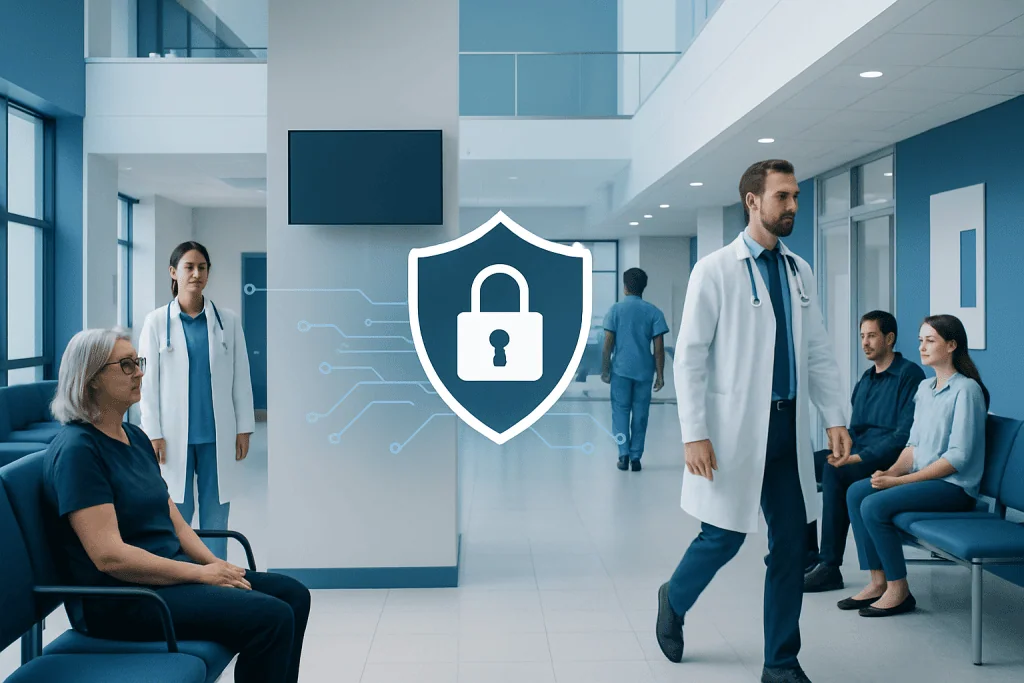
Hospital cybersecurity protects both personal health information and essential clinical systems. Health data may include medical records, test results, insurance details, and billing information.
Key Takeaways
- Hospital cybersecurity protects both personal health information and essential clinical systems.
- Health data may include medical records, test results, insurance details, and billing information.
- Cyber incidents can affect privacy, scheduling, communication, and access to care, but hospitals prepare with layered safeguards.
- Patients can help protect their information by using strong passwords, checking messages carefully, and asking how their data is handled.
- Prompt communication and support are important if a hospital suspects a data security incident.
Hospital cybersecurity refers to the systems, policies, and daily practices healthcare organizations use to protect patient information and keep care services running safely. Patients can benefit from understanding how health data is stored, shared, and protected, and what simple steps they can take to reduce privacy risks.
Overview: What Hospital Cybersecurity Means
Hospital cybersecurity is the protection of digital systems, connected medical devices, and patient information from unauthorized access, disruption, or misuse. Modern healthcare depends on electronic health records, online appointment tools, imaging platforms, billing systems, laboratory reporting, and secure communication between care teams. Because so many parts of care now rely on digital technology, cybersecurity has become an important part of patient safety and service quality.
For patients, this topic is not only about privacy. A cyberattack can also affect how smoothly a hospital works by disrupting scheduling, delaying access to records, slowing communication, or temporarily limiting some services. Strong cybersecurity helps hospitals continue care while protecting confidential information such as names, contact details, medical history, medications, and payment data.
Hospitals typically use several layers of protection rather than relying on a single tool. These may include secure logins, data encryption, network monitoring, access controls, staff education, software updates, and backup systems. Patients do not need technical knowledge to benefit from these protections, but understanding the basics can make it easier to recognize trustworthy communication and participate in safe data-sharing practices.
What Health Data Hospitals Protect
Health data includes much more than a diagnosis or treatment plan. Hospitals may store identifying details such as a person’s name, date of birth, address, phone number, passport or national identification information, insurance information, and emergency contacts. They also keep clinical information such as symptoms, diagnoses, test results, allergies, medications, surgery notes, imaging reports, pathology findings, and discharge summaries.
Some hospital systems also process financial and administrative data, including invoices, payment records, referral letters, appointment history, and consent forms. In international care, records may move between different providers, laboratories, or insurance partners, which makes secure data handling especially important. The goal is to make information available to authorized professionals who need it for care, while limiting unnecessary access.
Patients may encounter their data through online portals, mobile apps, emails, printed summaries, or telehealth platforms. Each of these channels should be designed with privacy in mind. A well-protected system helps ensure that confidential information is viewed only by the right people, for the right reason, and at the right time.
Common Cyber Threats in Healthcare

Healthcare organizations face many of the same digital threats as banks, schools, and other large institutions, but the healthcare environment has additional complexity because it includes urgent care, legacy software, and connected clinical devices. Common threats include phishing emails, stolen passwords, malware, ransomware, insecure remote access, and attempts to exploit outdated software. Attackers may seek financial gain, access to sensitive data, or disruption of operations.
Phishing is one of the most common entry points. It usually involves messages that appear legitimate but are designed to trick someone into clicking a harmful link, opening an infected attachment, or sharing login details. In a hospital setting, even a busy routine workflow can create opportunities for mistakes, which is why staff training is an important part of cybersecurity.
Ransomware is another widely discussed threat. In this type of attack, criminals try to lock or block access to digital systems until a payment is made. Hospitals work to reduce this risk by maintaining secure backups, segmenting networks, updating software, and planning how to continue care if systems are interrupted. While no system can remove risk completely, preparation can limit harm and support recovery.
- Phishing emails, texts, or fake login pages
- Weak or reused passwords
- Outdated software or unpatched systems
- Malware or ransomware
- Unauthorized access to devices or records
- Insecure public Wi-Fi or personal device use
How Cybersecurity Affects Patients
When hospital cybersecurity is strong, patients may not notice it directly, but they benefit from it every day. Secure systems help protect privacy during registration, consultations, imaging, laboratory testing, surgery planning, pharmacy services, and follow-up care. They also support confidence in online patient portals, telemedicine, and digital sharing of reports between specialists.
If a cyber incident occurs, patients may experience temporary inconveniences such as slower appointment processing, delays in accessing online services, or requests to verify identity again. In more serious situations, a hospital may need to activate emergency procedures to continue care safely while some systems are restored. Hospitals prepare for this by developing response plans and maintaining communication channels for patients and families.
Privacy concerns are understandable, especially when personal or medical information may be exposed. If a hospital believes patient data has been affected, it is generally expected to investigate, secure systems, and inform affected individuals according to applicable laws and policies. Patients should feel comfortable asking what happened, what information may have been involved, and what steps are recommended to protect themselves.
How Hospitals Protect Health Data
Hospitals use a combination of technical, organizational, and physical safeguards to protect data. Technical measures may include encryption, firewalls, antivirus tools, secure cloud environments, multifactor authentication, activity logging, and continuous monitoring for suspicious behavior. Organizational measures include staff training, privacy policies, incident response planning, and limits on who can see different parts of a medical record.
Access control is especially important in healthcare. Not every employee needs the same level of access, so hospitals often use role-based permissions to limit information to what a person needs for their job. Clinical teams may need one type of access, while billing teams need another. This helps reduce unnecessary exposure of sensitive records.
Regular updates, testing, and backup systems are also key. Hospitals often review security settings, patch software vulnerabilities, and rehearse their response to potential incidents. Physical security matters too, including protected server rooms, secure disposal of printed documents, and screen privacy in clinical areas. Near the end of the care journey, some patients may also ask how their information is stored after treatment and how long records are retained under local regulations.
Large healthcare networks may also involve specialists in digital health, data governance, and medical technology. At Acibadem International, multidisciplinary specialists and JCI-accredited hospitals care for international patients while applying structured processes for safe, coordinated diagnosis and treatment in a highly digital environment.
What Patients Can Do to Protect Their Information
Patients play an important role in protecting their own health data. A good first step is to create strong, unique passwords for patient portals and health-related apps, and to avoid reusing the same password across many accounts. If a portal offers multifactor authentication, enabling it can add an extra layer of protection. It is also wise to log out after using a shared or public device.
Patients should be cautious with unexpected emails, text messages, or phone calls that ask for personal information, payment, or login details. Before clicking a link, they can confirm whether the message truly came from the hospital by checking official contact details or using the hospital’s main website or app. Public Wi-Fi should be avoided for sensitive account access unless the connection is protected.
It can also help to review privacy notices and ask practical questions during registration or treatment. For example, patients can ask who can access their records, whether information is shared with outside providers, and how test results are delivered securely. Keeping contact details up to date with the hospital is useful as well, because security alerts, appointment notices, and verification messages depend on accurate information.
- Use a strong, unique password for each health account
- Turn on multifactor authentication when available
- Be careful with unexpected messages or urgent payment requests
- Use official apps, portals, and phone numbers
- Protect printed records and personal devices
- Ask how the hospital handles privacy and data sharing
Questions to Ask a Hospital About Data Privacy
Patients do not need to become cybersecurity experts, but asking a few clear questions can provide reassurance. During registration or before using a patient portal, it is reasonable to ask how the hospital protects electronic health records, whether it uses secure login methods, and how it verifies identity before sharing results. These questions are especially relevant when receiving care across borders or transferring records between institutions.
Patients may also ask whether the hospital has a privacy notice that explains how information is collected, stored, shared, and retained. If telemedicine or digital image sharing is part of care, it is helpful to ask which platforms are used and whether they are encrypted. When a family member or caregiver is involved, patients can ask how consent is documented and how access is granted or limited.
Another useful question is what the hospital will do if a security incident occurs. A prepared organization should be able to explain, in general terms, how it investigates issues, restores systems, and communicates with affected patients. Clear answers can help patients feel informed and supported while making decisions about their care.
When to Act and When to Seek Help
Patients should contact the hospital promptly if they notice unusual account activity, receive a suspicious message that appears to come from the hospital, or believe someone may have accessed their records without permission. It is also sensible to act quickly if login credentials are lost or if a phone or computer used for health accounts is stolen. Early reporting can help limit unauthorized access and allow the hospital to guide the next steps.
Signs that deserve attention include password reset messages that were not requested, unexplained bills, unexpected changes in contact details, or portal notifications that do not seem familiar. Patients can ask the hospital how to report concerns and whether there is a dedicated privacy, patient relations, or information security contact. If financial information may be involved, the patient may also need to contact their bank or card provider.
Cybersecurity concerns should not delay urgent medical care. If a patient has a serious symptom or emergency, seeking immediate medical attention remains the priority. Administrative or digital concerns can be addressed alongside treatment with support from hospital staff.
Frequently asked questions
What is hospital cybersecurity in simple terms?
Hospital cybersecurity is the set of tools and rules used to protect digital systems and patient information from unauthorized access or disruption. It helps keep medical records private and supports safe, continuous care.
What kinds of personal information do hospitals usually store?
Hospitals often store identifying details, contact information, insurance or billing data, and medical records such as diagnoses, medications, imaging, and test results. They may also keep consent forms, appointment history, and communication related to care.
Can a cyberattack affect patient care as well as privacy?
Yes. In some situations, a cyber incident can slow scheduling, delay access to records, or temporarily interrupt digital services. Hospitals prepare for this with backup systems and response plans so care can continue as safely as possible.
How can patients tell if a message from a hospital is real?
Patients should look carefully at the sender, avoid rushing, and be cautious with links or attachments in unexpected messages. If there is any doubt, it is safest to contact the hospital through its official website, app, or main phone number rather than replying directly.
What should a patient do if they think their hospital account was compromised?
They should change the password right away, enable multifactor authentication if available, and contact the hospital's support or privacy team. It is also wise to check for unusual account activity and monitor any related financial accounts if billing information may have been involved.
Are online patient portals safe to use?
In general, patient portals are designed to be secure and are an important way to access records, appointments, and test results. Their safety depends on the hospital's protections and the patient's habits, such as using strong passwords and secure devices.
References
- World Health Organization
- U.S. Department of Health and Human Services
- National Institute of Standards and Technology
- European Union Agency for Cybersecurity
- American Hospital Association
This article is for general information only and is not a substitute for professional medical advice. Please consult a qualified doctor about your individual situation.
Explore treatments in Turkey — costs, top hospitals & a free quote
JCI-accredited · board-certified surgeons · reply within 24h
Add us as a Preferred Source to see more of our trusted health content across Google Search, AI Overviews and Discover.

More from the Health Library



Related Specialists

Prof. Dr. Hilal Ünal
General Surgery
Dr. Aysun Işıklar
Internal Medicine
Assoc. Prof. Dr. Filiz Gülustan
Ear Nose & Throat
Assoc. Prof. Dr. Betül Mazlum
Pediatric & Adolescent Psychiatry