How Can I Make a Coffee? Here Is What the Evidence Says

Coffee is made by extracting flavor from roasted, ground coffee with hot water. Grind size, water temperature, brew time, and coffee-to-water ratio all affect taste.
Key Takeaways
- Coffee is made by extracting flavor from roasted, ground coffee with hot water.
- Grind size, water temperature, brew time, and coffee-to-water ratio all affect taste.
- Popular methods include drip coffee, French press, pour-over, espresso, and instant coffee.
- Moderate coffee intake is well tolerated by many adults, but caffeine can affect sleep, reflux, anxiety, and heart rhythm in some people.
- A doctor can help if coffee causes troubling symptoms such as palpitations, severe reflux, or sleep disruption.
How can a person make a coffee? In most cases, it simply means combining ground coffee with hot water using a method such as drip, French press, pour-over, espresso, or instant coffee. The best choice depends on taste, equipment, desired strength, and how much caffeine a person wants.
Overview: the simplest evidence-based answer
If someone asks, “how can I make a coffee,” the short answer is this: coffee is usually made by pouring hot water over roasted, ground coffee so the water extracts aroma, flavor, and caffeine. This can be done with simple household methods such as drip brewing, pour-over, French press, espresso, or even by dissolving instant coffee in hot water.
For most people, making coffee at home is straightforward and safe. The main differences between methods are taste, strength, body, and caffeine delivery rather than whether the drink is “right” or “wrong.” A balanced cup usually depends on four practical factors: the freshness of the beans, the grind size, the water temperature, and the time the coffee and water stay in contact.
Evidence from food science and coffee research shows that brewing changes the extraction of acids, oils, and bitter compounds. That is why the same beans can taste smooth in one method and sharp or bitter in another. Small adjustments often matter more than expensive equipment.
What a person needs to make coffee
At the most basic level, a person needs coffee, water, a way to heat the water, and a brewing method. Whole beans often keep flavor longer than pre-ground coffee, but either can work. If using whole beans, a grinder helps create a more even extraction and a more predictable taste.
Water quality also matters. Clean, fresh water generally makes better coffee than water with a strong taste or odor. Water that is too hot can over-extract the grounds and create bitterness, while water that is not hot enough may lead to a flat, sour cup. In everyday use, water that is just off the boil is commonly suitable for most manual methods.
Helpful equipment may include:
- A kettle or pot for heating water
- A grinder, if using whole beans
- A scale or spoon to measure coffee
- A brewer such as a drip machine, French press, pour-over dripper, moka pot, or espresso machine
- A mug or cup
Many people start with a simple ratio and then adjust to taste. A slightly stronger brew may suit milk-based drinks, while a milder brew may work better for those who prefer black coffee or want less caffeine per cup.
How to make coffee with common brewing methods
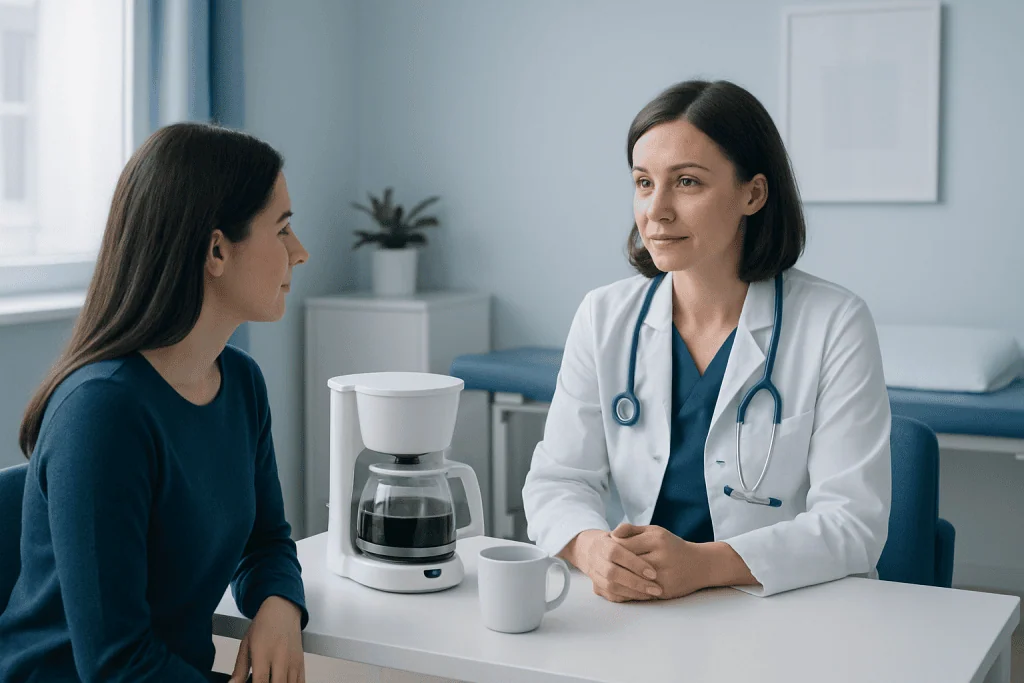
Different methods suit different preferences. Drip coffee is familiar and convenient: grounds go into a paper or metal filter, and hot water passes through into a carafe or cup. Pour-over uses the same basic principle but gives more manual control over pouring speed and saturation. French press immerses coarse grounds in hot water for several minutes before pressing a metal filter down, often producing a fuller-bodied cup.
Espresso is made by forcing hot water under pressure through finely ground coffee, creating a concentrated drink with a crema layer. A moka pot, used on the stovetop, can make a strong coffee that is not identical to espresso but may feel similar in intensity. Instant coffee is the quickest option, since the brewed coffee has already been dehydrated and only needs hot water to reconstitute.
A practical step-by-step approach for many home brewers is:
- Measure coffee and water consistently
- Use a grind matched to the method: coarse for French press, medium for drip, fine for espresso
- Heat fresh water until hot but not aggressively boiling for long periods
- Brew for the recommended contact time for the chosen method
- Taste and adjust one factor at a time, such as grind, ratio, or brew time
This measured approach usually helps more than changing everything at once. If coffee tastes sour, weak, or thin, it may be under-extracted. If it tastes harsh, dry, or overly bitter, it may be over-extracted. Small changes can often correct the problem.
What changes the taste, strength, and caffeine
Bean origin, roast level, and freshness all influence flavor. Lighter roasts may highlight acidity and fruit-like notes, while darker roasts often taste more toasted, smoky, or bitter. Neither is automatically healthier or better; the choice is mainly about preference.
Grind size affects how fast water extracts the coffee. Finer grinds expose more surface area and can increase extraction speed. Brew time matters too: shorter times may produce a lighter extraction, while longer times can deepen body but also increase bitterness if overdone. The coffee-to-water ratio has a direct effect on perceived strength.
Caffeine content varies by bean type, serving size, and brewing style. Espresso tastes strong but is served in small volumes, while a larger mug of drip coffee may deliver more total caffeine. People who are sensitive to caffeine may notice jitteriness, tremor, sleep disturbance, acid reflux, or a racing heartbeat after coffee, especially if they drink it quickly or on an empty stomach.
Adding milk, plant-based alternatives, or sweeteners changes taste and texture but does not remove caffeine. For those with digestive discomfort, choosing a smaller serving, drinking coffee with food, or switching to decaffeinated coffee may sometimes help. People with symptoms related to acid reflux may notice that coffee can be a trigger, although tolerance differs from person to person.
How to make coffee that feels gentler on the body
For many adults, moderate coffee intake is part of a normal routine and causes no medical problem. Still, some people find that certain brewing styles or timing patterns feel more comfortable than others. A smoother cup may come from avoiding over-extraction, not drinking coffee very late in the day, and choosing a serving size that matches personal tolerance.
If coffee seems to worsen stomach burning, nausea, or regurgitation, it may help to reduce strength, avoid drinking it on an empty stomach, or choose decaffeinated options. Ongoing digestive symptoms deserve proper assessment rather than self-diagnosis. In some situations, medical evaluation may include gastroscopy to look at the esophagus and stomach if symptoms are persistent or unexplained.
People who notice palpitations, skipped beats, or a marked sense of stimulation after coffee should consider lowering caffeine intake and discussing symptoms with a clinician, especially if there is a history of heart disease or anxiety. When rhythm-related symptoms need review, a doctor may recommend tests such as an ECG or longer monitoring, and in selected cases Holter monitoring can help link symptoms to heart rhythm changes.
When to seek medical care
Making and drinking coffee is usually harmless for healthy adults, but certain symptoms should not be dismissed. Medical advice is appropriate if coffee regularly triggers chest pain, fainting, severe palpitations, shortness of breath, intense anxiety, repeated vomiting, black stools, or significant sleep loss that affects daytime function.
A person should also seek care if digestive symptoms are frequent or progressive, such as ongoing heartburn, trouble swallowing, unexplained weight loss, or pain in the upper abdomen. Some people who think coffee alone is the issue may actually have an underlying condition such as gastritis or reflux disease that needs evaluation.
Doctors usually begin with a simple history: what kind of coffee is used, how much is consumed, when symptoms happen, and whether other factors such as alcohol, nicotine, medicines, stress, or poor sleep may be contributing. Depending on symptoms, assessment may include blood pressure checks, heart testing, or digestive evaluation. For selected patients, electrocardiography (EKG) or other investigations can help clarify whether caffeine is the main factor or whether another cause needs treatment.
Practical tips for better coffee at home
Good coffee often comes from consistency rather than complexity. Measuring the coffee and water, using the right grind for the method, and keeping equipment clean can noticeably improve flavor. Old oils and residue in a brewer may make coffee taste stale or bitter even when the beans are good.
It can also help to change one variable at a time. If the coffee tastes weak, a person might slightly increase the amount of coffee before changing grind and brew time together. If it tastes too bitter, using a slightly coarser grind or shortening contact time may improve balance.
Storage matters as well. Coffee keeps best in a sealed container away from heat, moisture, and direct light. Refrigeration is not usually necessary for daily use and may introduce moisture if the container is opened often.
If a person has ongoing symptoms related to caffeine, tailored advice from a qualified clinician is sensible. Near the end of the care pathway, if specialist review is needed, Acibadem International’s multidisciplinary specialists and JCI-accredited hospitals evaluate and treat digestive and cardiovascular concerns for international patients.
Frequently asked questions
What is the easiest way to make coffee at home?
The easiest method is often instant coffee or a basic drip brewer. Instant coffee only requires hot water, while drip coffee needs grounds, a filter, and a machine or dripper.
How much coffee should be used for one cup?
There is no single correct amount, because cup sizes and taste preferences vary. A moderate starting ratio can be adjusted gradually until the coffee tastes balanced rather than too weak or too bitter.
Why does homemade coffee sometimes taste bitter?
Bitterness can happen when the coffee is over-extracted, the water is too hot, the grind is too fine for the method, or the equipment is not clean. Darker roasts can also taste more bitter by nature.
Is coffee bad for the stomach?
For many people, coffee does not cause serious stomach problems. However, it can worsen heartburn, reflux, or stomach irritation in some individuals, especially when taken on an empty stomach or in large amounts.
Can coffee cause palpitations?
Yes, caffeine can trigger palpitations or a racing heartbeat in sensitive people. If symptoms are frequent, severe, or associated with chest pain, fainting, or breathlessness, medical assessment is important.
Is decaf coffee completely caffeine-free?
No, decaffeinated coffee usually still contains a small amount of caffeine. Even so, it may be a useful option for people who want the taste of coffee with less stimulant effect.
References
- U.S. Food and Drug Administration
- European Food Safety Authority
- National Institute of Diabetes and Digestive and Kidney Diseases
- American Heart Association
- MedlinePlus
This article is for general information only and is not a substitute for professional medical advice. Please consult a qualified doctor about your individual situation.
Explore treatments in Turkey — costs, top hospitals & a free quote
JCI-accredited · board-certified surgeons · reply within 24h
Add us as a Preferred Source to see more of our trusted health content across Google Search, AI Overviews and Discover.