How Cancer Is Diagnosed: Tests, Biopsies, and Imaging
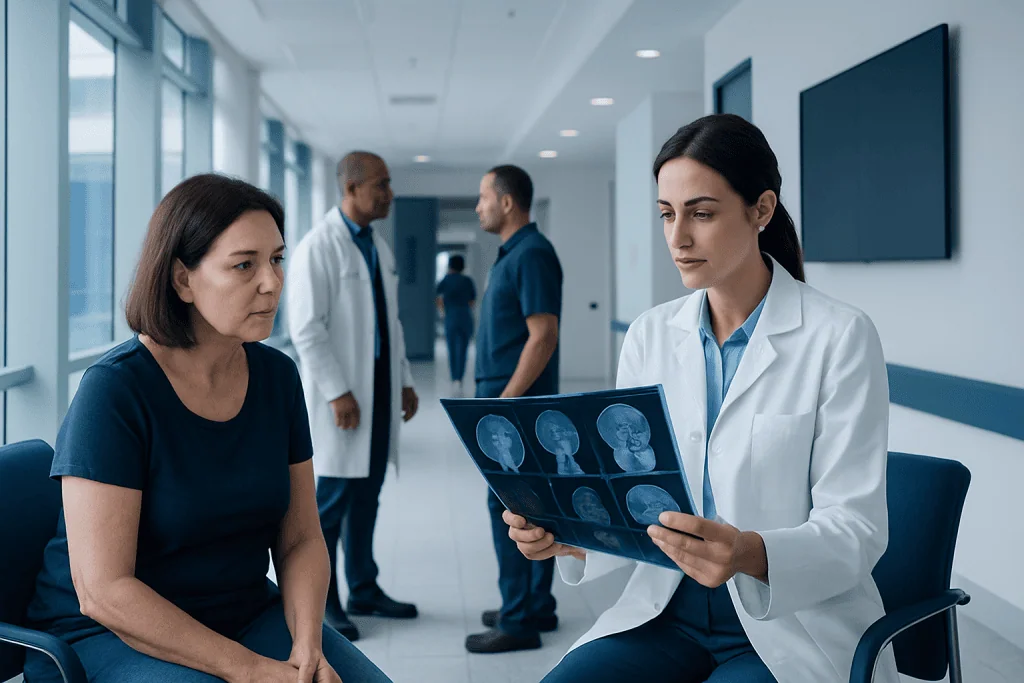
A biopsy is often the most important test for confirming cancer. Imaging scans help show the size, location, and spread of a suspected tumor.
Key Takeaways
- A biopsy is often the most important test for confirming cancer.
- Imaging scans help show the size, location, and spread of a suspected tumor.
- Blood tests can support diagnosis but usually cannot confirm most cancers on their own.
- Staging tests help doctors understand how advanced the cancer is.
- Diagnosis is often made by a team that may include radiologists, pathologists, surgeons, and oncologists.
Cancer diagnosis usually involves several steps, including a medical history, physical exam, imaging, laboratory tests, and often a biopsy. The goal is not only to confirm whether cancer is present, but also to identify its type, location, and stage so treatment can be planned carefully.
Overview: how cancer is diagnosed
Cancer diagnosis is a step-by-step process rather than a single test. A doctor may first suspect cancer because of symptoms, findings on a routine screening test, or an abnormal result seen during an exam for another reason. From there, the medical team works to confirm whether cancer is present and to learn as much as possible about it.
The diagnostic process usually begins with a medical history and physical examination. Doctors ask about symptoms, how long they have been present, personal medical history, family history, smoking or alcohol use, workplace exposures, and any previous illnesses or treatments. These details can help identify possible causes and guide the choice of tests.
If cancer is suspected, further evaluation may include blood tests, imaging scans, endoscopy, and biopsy. Each test has a different role. Some look for changes in organs and tissues, some measure substances in the blood, and some provide a tissue sample that can be examined under a microscope.
For many people, waiting for answers can feel stressful. It may help to know that careful testing is important because treatment depends on an accurate diagnosis. In many cases, specialists in radiology, pathology, surgery, and oncology work together to interpret results and create a clear plan.
Symptoms and signs that may lead to testing
Cancer can cause many different symptoms, depending on the organ involved, the size of the tumor, and whether it has spread. Some cancers cause noticeable warning signs early, while others may not cause symptoms until later. This is one reason screening programs can be important for some types of cancer.
Common symptoms that may prompt testing include unexplained weight loss, ongoing fatigue, a lump or swelling, changes in bowel or bladder habits, persistent cough, unusual bleeding, a sore that does not heal, difficulty swallowing, or new changes in the skin. These symptoms do not automatically mean cancer, but they do deserve medical attention if they persist.
A doctor may also find signs during a physical exam, such as enlarged lymph nodes, an abdominal mass, skin changes, or tenderness in a specific area. Sometimes cancer is first suspected after an abnormal screening result, such as a mammogram, Pap test, colonoscopy finding, or low-dose CT scan in a person at high risk for lung cancer.
When symptoms or screening results raise concern, the next step is not always immediate treatment. Instead, doctors usually arrange targeted testing to learn whether the abnormality is cancer, another condition, or a harmless change. This careful approach helps avoid unnecessary procedures and supports the right diagnosis.
Medical history, physical examination, and laboratory tests

The first stage of cancer diagnosis often includes a detailed conversation and physical examination. Doctors may ask when symptoms began, whether they are getting worse, and whether there are related issues such as fever, pain, appetite changes, or bleeding. Family history matters because some cancers are linked to inherited gene changes.
During the physical exam, the doctor checks the area of concern and also looks for more general signs of illness. Depending on the situation, this may include examining the breasts, skin, abdomen, lymph nodes, prostate, pelvis, mouth, or neck. Findings from the exam can help determine which imaging or biopsy method is most appropriate.
Laboratory tests are commonly ordered as part of the evaluation. These may include a complete blood count, liver and kidney function tests, urine tests, and other chemistry tests. Blood tests can show effects of cancer on the body, such as anemia or abnormal organ function, but they usually cannot confirm most cancers by themselves.
In some situations, doctors may use tumor markers, which are substances found in blood, urine, or tissues that can be associated with certain cancers. Tumor markers can be helpful in selected cases, but they are not perfect screening or diagnostic tools. Levels may rise for non-cancer reasons, and some people with cancer do not have elevated markers at all.
Imaging tests used in cancer diagnosis
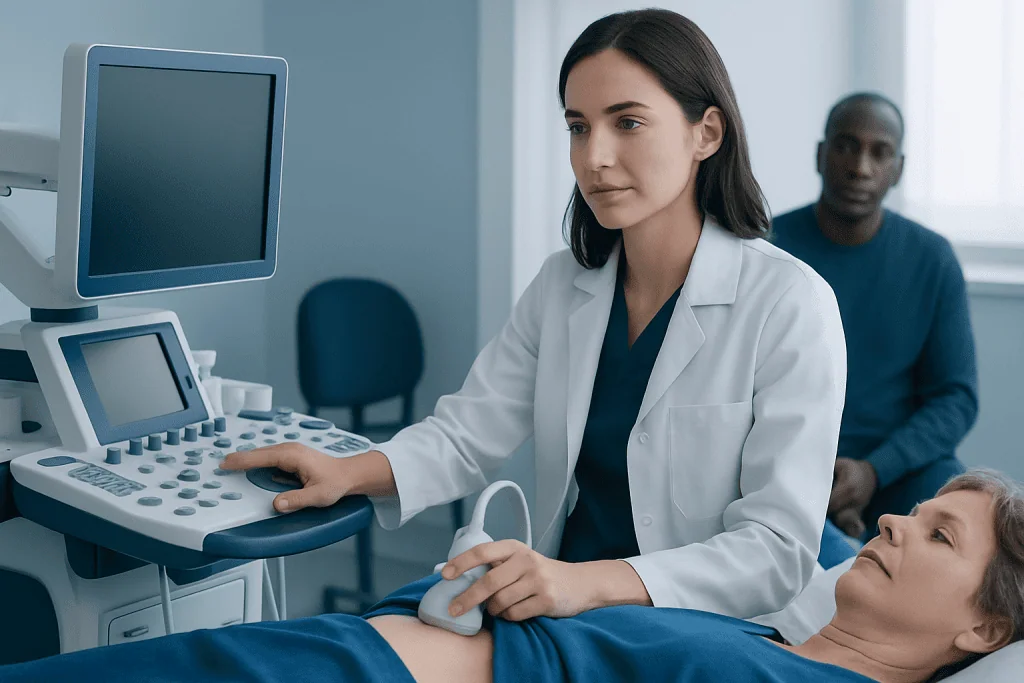
Imaging tests create pictures of the inside of the body and can help detect abnormal growths, estimate their size, and show whether nearby tissues or distant organs may be involved. The type of scan depends on the symptoms and the part of the body being examined. Common tests include X-ray, ultrasound, computed tomography (CT), magnetic resonance imaging (MRI), and positron emission tomography (PET), often combined with CT.
Ultrasound is often used to look at soft tissues and organs such as the thyroid, liver, pelvis, or breasts. CT scans provide detailed cross-sectional images and are widely used to evaluate the chest, abdomen, pelvis, and other areas. MRI can be especially useful for the brain, spinal cord, liver, pelvis, joints, and some soft tissue tumors because it gives very clear tissue detail.
PET-CT may help identify areas of increased metabolic activity that can suggest active cancer. It is not needed in every case, but it can be useful for staging or checking whether cancer may have spread. Other specialized tests, such as mammography, bone scans, or nuclear medicine scans, may also be used depending on the suspected cancer type.
Imaging is extremely valuable, but it usually cannot confirm cancer on its own. A scan may show that something is abnormal, yet only tissue analysis can determine whether the abnormality is malignant, benign, or related to another disease. Imaging is also important later in the process to guide biopsies, assess stage, and monitor response to treatment such as cancer treatment.
Biopsy and pathology: confirming the diagnosis
In many cases, a biopsy is the key step that confirms cancer. A biopsy removes a small sample of tissue or cells so it can be examined by a pathologist under a microscope. This test can show whether cancer is present and, if so, what type of cancer it is and how aggressive the cells appear.
There are several types of biopsy. A fine-needle aspiration uses a thin needle to remove cells or fluid. A core needle biopsy removes a slightly larger tissue sample. Endoscopic biopsies are taken during procedures that look inside the body, such as colonoscopy or bronchoscopy. Surgical biopsies may remove part or all of a suspicious area when other methods are not suitable.
Pathology testing does more than say yes or no to cancer. It can identify the cancer subtype, grade, and other features that help guide treatment. Additional tests on the tissue may include immunohistochemistry, flow cytometry in certain blood cancers, or molecular testing to look for genetic changes within the tumor. These results can help determine whether targeted therapy, immunotherapy, surgery, radiation, or chemotherapy may be considered.
Sometimes the biopsy procedure is guided by imaging so the doctor can reach the exact area of concern safely and accurately. If a first biopsy does not provide enough tissue or the result remains unclear, another sample may be needed. While this can be frustrating, obtaining a precise diagnosis is important before major treatment decisions are made.
Staging and additional tests after cancer is found
Once cancer has been confirmed, doctors often perform more tests to determine the stage. Staging describes how large the cancer is, whether it has grown into nearby tissues, and whether it has spread to lymph nodes or distant organs. This information helps estimate prognosis and supports treatment planning.
Different cancers use different staging systems, but many solid tumors are described from stage 0 to stage IV. In simple terms, lower stages are generally more localized, while higher stages reflect more extensive spread. Some cancers, such as leukemia and certain lymphomas, use other classification systems based on blood findings, bone marrow results, or patterns of lymph node involvement.
Staging tests may include more detailed imaging, endoscopy, bone marrow biopsy, or surgery to sample lymph nodes. In some cancers, molecular and genetic tests on the tumor are also important. These can reveal markers that help doctors choose more personalized treatments and may provide information about likely response to therapy.
The final diagnosis may include the cancer type, grade, stage, and biomarker profile. For example, a person may be told they have a specific subtype of breast or lung cancer rather than just a general cancer diagnosis. This level of detail allows a multidisciplinary team to recommend options such as medical oncology, surgery, radiation therapy, or a combination approach.
Treatment planning and the role of the care team
After diagnosis and staging are complete, the medical team reviews all available information to recommend the most suitable treatment plan. This plan depends on the cancer type, stage, location, tumor biology, the person’s overall health, and personal preferences. Some cancers are treated with one main method, while others need a combination of therapies.
The care team may include a medical oncologist, surgical oncologist, radiation oncologist, radiologist, pathologist, and other specialists such as gastroenterologists, pulmonologists, gynecologists, or hematologists. Multidisciplinary discussion can be especially helpful when the diagnosis is complex or when several treatment options are possible.
At this stage, patients are often encouraged to ask questions about the goal of treatment, possible side effects, timing, fertility concerns, and whether more tests are needed before starting therapy. It is also reasonable to ask if genetic counseling is recommended, especially when there is a strong family history or diagnosis at a younger age than expected.
In some situations, the diagnosis may reveal a pre-cancerous condition or a non-cancer illness rather than cancer itself. Even when cancer is confirmed, diagnosis does not mean that every person will need the same treatment. Care is individualized. Acibadem International’s multidisciplinary specialists and JCI-accredited hospitals also diagnose and treat cancer for international patients when expert evaluation is needed.
When to see a doctor and how to prepare for testing
A person should see a doctor if they notice symptoms that are unusual, persistent, or getting worse. Examples include unexplained weight loss, a new lump, blood in stool or urine, ongoing cough, abnormal bleeding, persistent pain, changes in moles, or difficulty swallowing. It is also important to keep up with age-appropriate screening tests, even when there are no symptoms.
Preparing for diagnostic appointments can make the process easier. It may help to write down symptoms, when they started, current medications, previous test results, and family history of cancer. Bringing a trusted family member or friend can also be useful for support and to help remember information.
People should feel comfortable asking what each test is for, whether fasting or special preparation is needed, how and when results will be shared, and what the next step may be if a result is abnormal. If a biopsy is recommended, it is reasonable to ask about the procedure, possible risks, recovery time, and how long pathology results usually take.
Timely evaluation matters, but there is usually time to proceed in an organized and informed way. Most symptoms have causes other than cancer, and many abnormal findings turn out to be benign. The most helpful next step is to seek professional medical advice so testing can be chosen thoughtfully and appropriately.
Frequently asked questions
What is the most important test for cancer diagnosis?
In many cases, a biopsy is the most important test because it can confirm cancer by examining cells or tissue under a microscope. Imaging and blood tests can suggest cancer, but they usually do not provide final proof on their own.
Can a blood test detect cancer?
Blood tests can sometimes show signs that suggest cancer or measure tumor markers linked to certain cancers. However, most cancers cannot be diagnosed from a blood test alone, and further testing such as imaging or biopsy is usually needed.
Why are imaging scans needed if a biopsy confirms cancer?
Imaging scans help doctors see where the tumor is, how large it is, and whether it may have spread to nearby tissues or other organs. This information is important for staging and for choosing the most appropriate treatment plan.
How long does it take to get cancer diagnosis results?
The timeline varies depending on the tests involved. Some blood tests or imaging reports may be available quickly, while biopsy and specialized pathology results can take several days or longer if additional analyses are needed.
Does an abnormal scan always mean cancer?
No, an abnormal scan does not always mean cancer. Many non-cancer conditions, such as infections, cysts, inflammation, or benign growths, can also appear abnormal on imaging, which is why further evaluation is often necessary.
What happens after cancer is diagnosed?
After cancer is confirmed, doctors usually perform staging and sometimes additional molecular or genetic tests. These results help the care team recommend treatment options such as surgery, radiation therapy, systemic therapy, or combined approaches.
References
- World Health Organization
- National Cancer Institute
- American Cancer Society
- National Comprehensive Cancer Network
- Centers for Disease Control and Prevention
This article is for general information only and is not a substitute for professional medical advice. Please consult a qualified doctor about your individual situation.
Oncology care in Turkey — second opinion and treatment plan
JCI-accredited · board-certified surgeons · reply within 24h
Add us as a Preferred Source to see more of our trusted health content across Google Search, AI Overviews and Discover.

Medical Oncology Department
Medical treatment of cancer with chemotherapy, immunotherapy and targeted therapies under a multidisciplinary tumor board.
60 specialists in this unit