How Do Bones Repair Themselves: Procedure, Recovery and Results

Bone healing usually progresses through inflammation, callus formation and remodeling. Most fractures need medical assessment to confirm alignment and determine the right form of support.
Key Takeaways
- Bone healing usually progresses through inflammation, callus formation and remodeling.
- Most fractures need medical assessment to confirm alignment and determine the right form of support.
- The early pain may improve before the bone has regained full strength.
- Smoking, poor nutrition, infection and some health conditions can slow bone healing.
- Rehabilitation helps restore safe movement, strength and function after a fracture.
Bones repair themselves through a coordinated biological process that begins soon after a fracture and may continue for months or longer. Healing depends on good blood supply, appropriate stability, overall health and following the care plan recommended by an orthopedic clinician.
How do bones repair themselves?
How do bones repair themselves? After a bone breaks, the body creates a temporary blood clot around the injury, builds new bone tissue across the break and gradually reshapes that tissue to restore strength. This natural repair process starts within hours, but complete recovery can take weeks to months, depending on the bone, fracture pattern, treatment and a person’s overall health.
A fracture is not simply a crack that closes on its own. Bone healing involves immune cells, blood vessels, cartilage-forming cells and bone-forming cells working in sequence. The body needs the broken ends to be in an acceptable position and sufficiently stable; this is why a cast, brace, splint or, in some cases, surgery may be necessary.
Healing is often described in four overlapping stages: inflammation, soft callus formation, hard callus formation and remodeling. These stages are a useful guide, but each person heals at a different pace. A clinician uses symptoms, examination findings and imaging to judge whether healing is progressing as expected.
The stages of bone healing
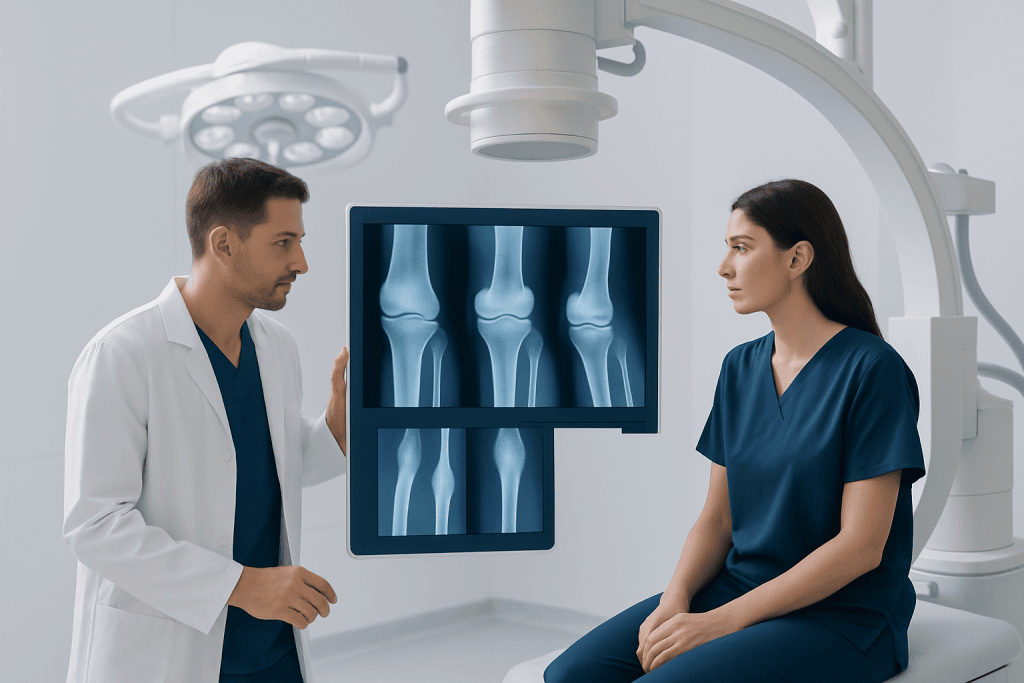
Inflammation begins immediately. Tiny blood vessels in and around the broken bone may tear, creating a hematoma, or localized blood clot. This causes swelling and pain, but it also brings cells and chemical signals that clear damaged tissue and begin repair. New blood vessels start developing around the fracture.
A soft callus then forms. Over the following days to weeks, fibrous tissue and cartilage create a flexible bridge between the fractured ends. This bridge does not yet have the strength of bone, so protection from excessive movement remains important even if discomfort starts to settle.
The soft callus becomes a hard callus. Specialized cells called osteoblasts deposit mineralized bone, gradually replacing the flexible tissue with stronger woven bone. On an X-ray, this may appear as a denser area around the break. The timing varies considerably according to the injury and the individual.
Remodeling is the final, longer phase. The body removes excess or less organized bone and replaces it with stronger, more structured bone. Osteoclasts remove bone where it is not needed, while osteoblasts build bone where it is needed. Over months or sometimes years, the bone adapts to normal loading and can regain a shape and internal structure closer to its pre-injury state.
Why fracture stability and blood supply matter
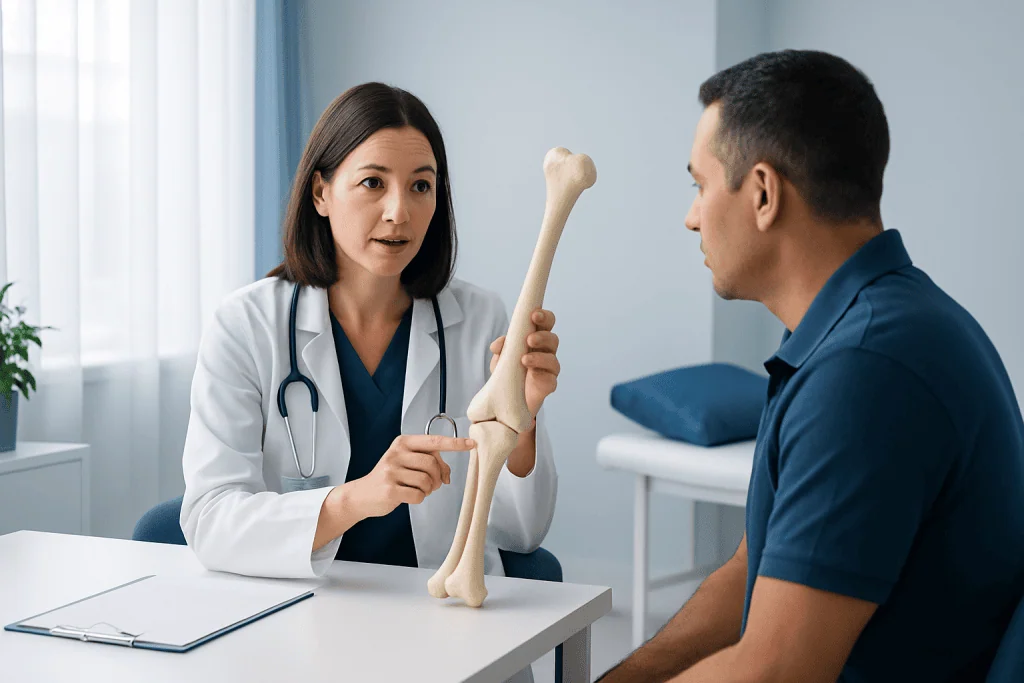
For a bone to heal well, the fracture must have an adequate blood supply and a suitable mechanical environment. Small, controlled movement can be part of normal healing for some fractures, while too much movement may prevent the callus from bridging the break. In other fractures, especially those involving a joint or major displacement, closer alignment and rigid fixation may be required.
Clinicians assess whether a fracture can be managed without an operation. Simple, stable fractures may heal with a splint, cast, boot or brace. A displaced, unstable, open or complex fracture may need a procedure to realign the bone and hold it in place with plates, screws, rods, pins or an external frame. This is commonly known as fracture treatment.
Some bones and some injury patterns have a greater risk of delayed healing because their blood supply can be limited or easily disrupted. Fractures near joints, fractures with substantial soft-tissue injury and fractures caused by high-energy trauma require careful follow-up. A specialist also considers nerve, blood vessel, skin and muscle injuries that can occur alongside a fracture.
Who may need a bone repair procedure?
Not every broken bone needs surgery. A doctor may recommend a procedure when the bone ends are not well aligned, the fracture is unstable, a joint surface is affected, or the injury is unlikely to heal properly in a cast or brace. Surgery may also be considered for an open fracture, where the bone or deep tissue communicates with an external wound, because infection prevention and tissue care are especially important.
Before recommending treatment, the orthopedic team considers the person’s age, activity needs, medical history, medications, bone quality and ability to take part in recovery. X-rays are usually the first imaging test. CT or MRI may be used when more detail is needed, such as for complex joint injuries, stress injuries or possible soft-tissue damage.
Some fractures heal slowly or fail to unite, a condition called nonunion. In these cases, clinicians look for contributing factors such as infection, poor blood supply, inadequate stability, smoking, diabetes, nutritional problems or certain medicines. Treatment can involve improving stability, treating infection, using bone graft material or other measures selected for the individual situation.
What happens during fracture repair?
The exact procedure depends on the location and type of fracture. The goal is to restore alignment, protect surrounding tissues and provide enough stability for healing. For some injuries, a clinician can realign the bone without an incision; this is called closed reduction. A cast, splint or brace is then applied to maintain the position.
When an operation is needed, it is usually performed under anesthesia. The surgeon accesses the fracture through an incision when appropriate, aligns the bone fragments and secures them with an internal device such as plates and screws, a rod inside the bone, or pins. In selected cases, an external fixator is used: pins placed in the bone connect to a stabilizing frame outside the body.
After fixation, the wound is closed when applicable and the limb may be protected with a splint, brace or cast. The care team provides instructions about wound care, pain management, movement, weight-bearing and follow-up imaging. The benefits of repair include improved alignment and stability, while potential risks include infection, bleeding, blood clots, stiffness, nerve or vessel injury, hardware problems and delayed or incomplete healing.
Orthopedic surgeons, radiologists, anesthesiologists, physiotherapists and rehabilitation professionals may all contribute to fracture care. At Acibadem International, multidisciplinary specialists in JCI-accredited hospitals diagnose and treat fractures and support international patients throughout the care process.
Recovery timeline and rehabilitation
There is no single timetable for fracture recovery. Many uncomplicated fractures show meaningful healing over several weeks, but return to full activity can take longer. Children often heal more quickly than adults, while healing may take longer in older adults or after complex injuries. A person should not resume sports, heavy lifting or unrestricted weight-bearing simply because pain has improved.
Follow-up appointments commonly include repeat X-rays to assess alignment and callus formation. The clinician may gradually adjust restrictions based on symptoms, examination and imaging. It is important to ask specifically when driving, work tasks, exercise and sport can be resumed, as these recommendations differ by injury site and treatment.
Rehabilitation may begin with safe movement of nearby joints to reduce stiffness. Later, a physiotherapist may guide exercises for range of motion, muscle strength, balance and functional activities. This progressive approach helps the body adapt as healing bone becomes stronger. For injuries involving the hip, knee, shoulder, spine or multiple areas, a personalized rehabilitation plan can be particularly important.
Temporary swelling, stiffness and reduced muscle strength are common after immobilization. However, increasing pain, new deformity or a sudden decline in function should be reported rather than managed by pushing through activity.
Supporting bone healing and reducing future risk
Following the prescribed treatment plan is one of the most effective ways to support healing. This includes using a cast, brace or walking aid correctly, keeping scheduled appointments and following weight-bearing restrictions. Do not alter or remove immobilization devices unless the treating team advises it.
A balanced diet that provides enough protein, calories, calcium, vitamin D and other essential nutrients supports general health and bone metabolism. A clinician may recommend blood tests or supplements when there is a suspected deficiency, but supplements should not replace individualized medical care. Avoiding tobacco and nicotine is important because they can interfere with blood flow and bone healing.
Alcohol moderation, good diabetes management when relevant and careful review of long-term medicines can also support recovery. Fall-prevention measures, strength and balance training, vision correction and home safety adjustments may reduce the chance of future fractures. People who have a low-impact fracture, particularly later in life, may benefit from assessment for osteoporosis and related risk factors.
- Keep the injured area protected as instructed.
- Attend imaging and rehabilitation appointments.
- Eat regular, nutrient-rich meals and stay hydrated.
- Avoid smoking and nicotine products during recovery.
- Discuss persistent pain, delayed progress or concerns about bone health with a doctor.
When to seek medical care
Any suspected fracture should be assessed promptly, especially after a fall, sports injury, collision or direct impact. Seek urgent medical care for a visibly crooked limb, bone protruding through the skin, severe or rapidly worsening pain, numbness, weakness, pale or blue fingers or toes, or inability to move the affected area normally.
After a fracture has been treated, contact the care team promptly if a cast feels too tight, pain or swelling worsens despite rest and prescribed treatment, the skin becomes unusually cold or discolored, or there is new tingling or loss of sensation. Fever, wound redness, drainage or increasing tenderness after surgery may indicate infection and should be medically reviewed.
A delayed union or nonunion can be subtle. Persistent pain at the fracture site, lack of expected functional improvement or concerns on follow-up imaging warrant reassessment. Early review helps the team identify whether additional support, imaging, rehabilitation or another treatment approach is needed.
Frequently asked questions
How long does it take for a broken bone to heal?
Healing time depends on the bone involved, the severity of the fracture, treatment method, age and overall health. Many fractures heal over weeks, but full strength, mobility and return to sport or heavy work may take several months. Follow-up imaging and clinical assessment are more reliable than pain levels alone for judging healing.
Can a bone heal without a cast?
Some minor, stable fractures can be managed with a removable brace, boot or sling rather than a traditional cast. Other fractures need rigid immobilization or surgery to maintain alignment. The appropriate support should be chosen after medical assessment and imaging.
What can slow bone healing?
Smoking or nicotine use, poor nutrition, diabetes, infection, poor blood supply and excessive movement at the fracture site can slow healing. Some medications and underlying bone conditions may also contribute. A doctor can assess individual risk factors when healing is delayed.
Does a healed bone become stronger than before?
A healing fracture often forms extra bone around the break, known as callus, which can temporarily make that area look thicker. During remodeling, the bone is reshaped in response to normal forces. A well-healed bone can regain substantial strength, but this does not mean it is permanently stronger or safe to overload before medical clearance.
Can exercise help a broken bone heal?
Appropriate exercise can help maintain movement, circulation, muscle strength and balance during recovery. However, putting too much force through a fracture too early can delay healing or shift the bone. A clinician or physiotherapist should guide the timing and type of exercise.
What is a nonunion fracture?
A nonunion occurs when a fracture does not heal within the expected period and shows little evidence of progressing toward union. It may cause continuing pain or reduced function, although symptoms vary. Treatment depends on the cause and may include improved stabilization, treatment of infection, bone grafting or other orthopedic measures.
References
- American Academy of Orthopaedic Surgeons
- National Institute of Arthritis and Musculoskeletal and Skin Diseases
- MedlinePlus
- National Health Service
- International Osteoporosis Foundation
This article is for general information only and is not a substitute for professional medical advice. Please consult a qualified doctor about your individual situation.
Joint and spine care in Turkey — expert assessment & treatment
JCI-accredited · board-certified surgeons · reply within 24h
Add us as a Preferred Source to see more of our trusted health content across Google Search, AI Overviews and Discover.

More from the Health Library



Related Specialists

Dr. Betül Toygar
Physical Medicine & Rehabilitation
Dr. Tuğba Çelebi
Internal Medicine
Assoc. Prof. Dr. Sinan Kırım
Endocrinology
Assoc. Prof. Dr. Nezih Ziroğlu
Orthopedic Surgery & Traumatology