How Do I Cure Gastritis? Here Is What the Evidence Says

Gastritis means inflammation or irritation of the stomach lining, and many cases improve with the right treatment. There is no one-size-fits-all cure; treatment depends on the cause, such as H. pylori infection, NSAID use, alcohol, bile reflux, or autoimmune disease.
Key Takeaways
- Gastritis means inflammation or irritation of the stomach lining, and many cases improve with the right treatment.
- There is no one-size-fits-all cure; treatment depends on the cause, such as H. pylori infection, NSAID use, alcohol, bile reflux, or autoimmune disease.
- Warning signs like vomiting blood, black stools, fainting, weight loss, trouble swallowing, or persistent pain need prompt medical review.
- Doctors may diagnose gastritis based on symptoms, testing for H. pylori, blood tests, stool tests, or upper endoscopy.
- Self-care can help, but repeated or severe symptoms should not be ignored.
Most gastritis is treatable and often settles once the cause is identified and removed. The best approach is not a single “cure,” but a plan that may include treating H. pylori, stopping irritating medicines, reducing alcohol, and using short-term acid-lowering treatment under medical guidance.
What is the evidence-based way to cure gastritis?
For many people, gastritis is manageable and often improves fully once the underlying trigger is treated. In practical terms, the evidence-based answer to “how do I cure gastritis” is to identify the cause, remove or treat it, and allow the stomach lining time to heal with supportive care when needed.
This matters because gastritis is not one single disease. It is a description of inflammation or irritation in the stomach lining. In some people it is linked to Helicobacter pylori infection, in others to pain relievers such as NSAIDs, heavy alcohol use, severe stress on the body, bile reflux, or autoimmune conditions. The right treatment depends on which of these is present.
Most cases are not dangerous, especially when symptoms are mild and short-lived. Still, certain red flags deserve prompt medical attention, including vomiting blood, black or tarry stools, fainting, chest pain, unintentional weight loss, progressive trouble swallowing, or ongoing symptoms that do not improve. A doctor can then decide whether tests such as H. pylori testing or upper endoscopy are needed.
Understanding gastritis and how it feels
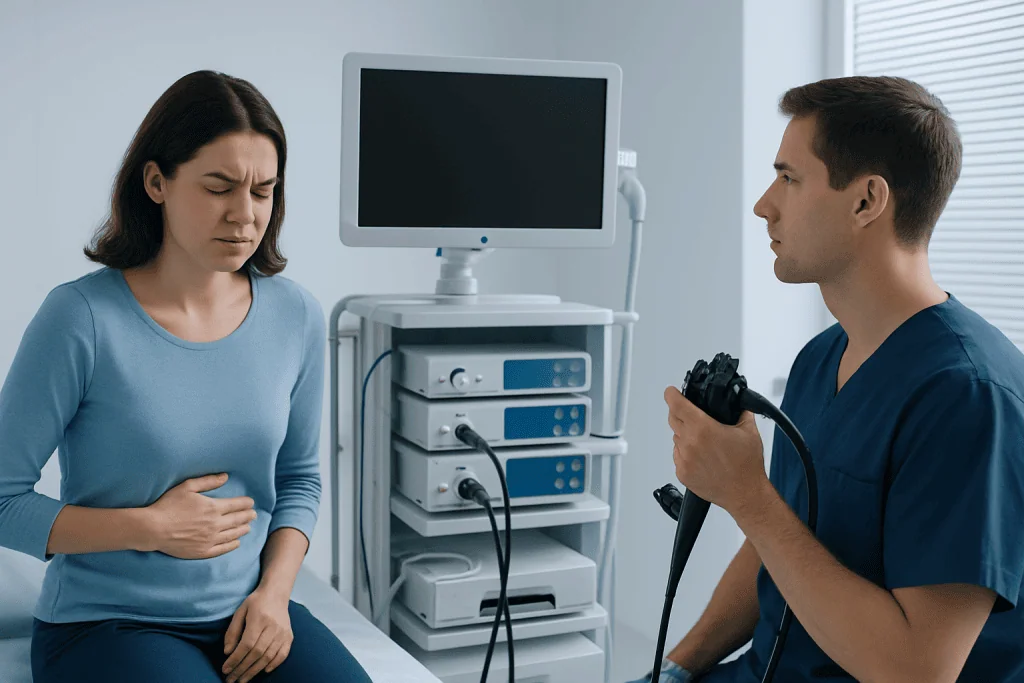
Gastritis refers to inflammation of the stomach lining. It may be acute, meaning sudden and short-term, or chronic, meaning it develops gradually and lasts longer. Some people have clear symptoms, while others may have only mild discomfort or no symptoms at all.
Typical symptoms can include upper abdominal burning or aching, nausea, feeling too full soon after starting a meal, bloating, belching, and occasional vomiting. These symptoms overlap with indigestion and other upper digestive problems, so symptoms alone cannot confirm the diagnosis.
It is also helpful to understand that gastritis is different from an ulcer, although the two can occur together. Gastritis affects the stomach lining more broadly, while an ulcer is a deeper sore in the lining. If a doctor suspects an ulcer or another digestive condition, they may also discuss gastric ulcer or other causes of upper abdominal pain.
Common causes and risk factors

The most common identifiable cause worldwide is H. pylori, a bacterium that can live in the stomach and trigger chronic inflammation. Not everyone with H. pylori develops symptoms, but when it is causing gastritis, treatment can lead to healing and reduce the chance of future complications.
Another major cause is regular use of nonsteroidal anti-inflammatory drugs, often called NSAIDs, such as ibuprofen, naproxen, or aspirin. These medicines can weaken the stomach’s protective barrier. Alcohol, smoking, and repeated vomiting may also irritate the lining and make symptoms worse.
Less common causes include severe illness or physical stress, bile reflux, autoimmune gastritis, and rarely certain infections or inflammatory disorders. Risk can be higher in older adults, people with a history of ulcers, those taking steroids together with NSAIDs, or people using blood thinners. A doctor will usually look at medication history, lifestyle factors, and any related conditions before deciding on treatment.
Signs that need medical review
Although gastritis is often mild, some symptoms suggest bleeding, anemia, a deeper ulcer, or another condition that should not be treated at home alone. These warning signs include vomiting blood, material that looks like coffee grounds, black or tarry stools, severe or worsening abdominal pain, fainting, new weakness, or shortness of breath.
Medical review is also important if symptoms keep returning, last more than a short period, begin after starting a new medicine, or are accompanied by poor appetite or unintentional weight loss. People over a certain age or those with a personal or family history of stomach disease may need a lower threshold for testing.
Anyone with chest discomfort, especially if it may be heart-related, should seek urgent care rather than assuming the problem is gastritis. In children, older adults, pregnant people, and those with major medical conditions, persistent vomiting or poor fluid intake also deserves prompt medical advice.
How doctors diagnose the cause
Doctors usually start with a careful history and physical examination. They ask what the discomfort feels like, how long it has been present, what makes it better or worse, and whether there are red flags such as bleeding or weight loss. Medication use is especially important, including aspirin, ibuprofen, supplements, and alcohol intake.
If H. pylori is suspected, testing may be done with a breath test, stool antigen test, or sometimes biopsy samples taken during endoscopy. Blood tests can help look for anemia or related problems, though blood antibody tests are generally less useful for confirming active H. pylori infection. Stool tests may also be used if bleeding is suspected.
An upper endoscopy may be recommended when symptoms are persistent, concerning, or unclear. This allows direct visualization of the stomach lining and collection of small tissue samples if needed. In some cases, the doctor may also evaluate for related conditions such as reflux disease if symptoms overlap with heartburn or regurgitation.
What treatment actually works
The most effective treatment is cause-based. If H. pylori is found, doctors usually prescribe a combination of medicines to eradicate the infection, often including antibiotics and an acid-suppressing medicine. It is important to take the full course exactly as directed and, when advised, to have follow-up testing to confirm the infection has cleared.
If NSAIDs are contributing, the doctor may advise stopping them, lowering the dose, switching to another pain strategy, or adding protective treatment when they cannot be avoided. Patients should not stop aspirin prescribed for heart or stroke prevention without speaking to the prescribing clinician first. If alcohol or smoking is aggravating symptoms, reducing or stopping these can significantly help healing.
Acid-lowering medicines can reduce irritation while the stomach lining recovers. Depending on the situation, a doctor may recommend antacids for short-term relief, H2 blockers, or medical gastroenterology care with proton pump inhibitors when appropriate. If an ulcer, bleeding, or another structural problem is suspected, gastroenterology evaluation may be part of the treatment plan.
Autoimmune gastritis, bile reflux, or severe chronic cases may need additional evaluation and longer-term follow-up. In those situations, treatment may include correcting vitamin deficiencies, monitoring for anemia, and managing the underlying condition rather than using symptom relief alone.
Self-care that may ease symptoms while healing occurs
Self-care does not replace medical treatment, but it can make recovery more comfortable. Eating smaller, more frequent meals may reduce stomach irritation in some people. Avoiding foods or drinks that clearly trigger symptoms, such as alcohol, very spicy meals, or large late-night meals, can also be helpful, although strict diets are not necessary for everyone.
It is usually wise to avoid unnecessary NSAIDs unless a clinician says they are needed. Staying well hydrated, not smoking, and limiting alcohol can support healing. Some people find it helpful to keep a simple symptom diary to track whether medicines, specific foods, or stress are making symptoms worse.
- Eat in a calm setting and avoid lying down immediately after meals.
- Use only clinician-approved over-the-counter stomach medicines if symptoms are recurring.
- Check labels for hidden aspirin or ibuprofen in cold and pain remedies.
- Seek advice before using herbal products, as some may irritate the stomach or interact with medicines.
If symptoms are frequent, severe, or returning after temporary improvement, self-care alone is unlikely to be enough. The next step should be medical review to confirm the diagnosis and target treatment accurately.
When to seek medical care and what follow-up may involve
A short period of mild indigestion-like discomfort may settle on its own, but ongoing or recurrent symptoms should be assessed. Medical care is especially important when symptoms interfere with eating, sleep, work, or daily comfort, or when they continue despite lifestyle changes and over-the-counter measures.
Follow-up depends on the cause. After H. pylori treatment, a doctor may recommend repeat testing to be sure the infection is gone. If anemia, autoimmune gastritis, or an ulcer is found, further monitoring may be needed to make sure the stomach lining is healing and any nutritional deficiencies are addressed.
Near the end of the care pathway, some patients may benefit from coordinated specialist review. Acibadem International’s multidisciplinary specialists and JCI-accredited hospitals diagnose and treat digestive conditions for international patients, including cases that need testing such as endoscopy or specialist gastroenterology support.
Frequently asked questions
Can gastritis go away on its own?
Yes, mild gastritis can improve on its own, especially if it is triggered by a short-term irritant such as alcohol, a stomach bug, or a temporary medicine effect. However, symptoms that persist, return often, or are severe should be checked by a doctor because treatment depends on the cause.
What is the fastest way to feel better with gastritis?
The quickest safe approach is to remove likely triggers, such as alcohol or unnecessary NSAIDs, and use doctor-approved symptom relief. If H. pylori is the cause, symptoms usually improve more reliably after the infection is treated with the proper medicine combination.
Do I need antibiotics for gastritis?
Not always. Antibiotics are used when testing shows H. pylori infection, but they do not help most other causes of gastritis. Taking antibiotics without confirming the cause is usually not recommended.
What foods should someone avoid with gastritis?
There is no single gastritis diet that works for everyone. It is generally sensible to avoid foods and drinks that clearly worsen symptoms, especially alcohol, very spicy foods, and very large or greasy meals, while aiming for simple, regular meals during recovery.
How is gastritis different from acid reflux?
Gastritis is inflammation or irritation of the stomach lining, while acid reflux happens when stomach contents move back up into the esophagus. Some symptoms can overlap, such as burning discomfort or nausea, so a doctor may need to sort out which problem is present.
When is gastritis an emergency?
Gastritis needs urgent medical attention if there is vomiting blood, black stools, fainting, severe weakness, or strong worsening abdominal pain. These symptoms can suggest bleeding or another serious problem and should not be managed at home.
References
- National Institute of Diabetes and Digestive and Kidney Diseases
- American College of Gastroenterology
- National Health Service
- Merck Manual Consumer Version
- World Gastroenterology Organisation
This article is for general information only and is not a substitute for professional medical advice. Please consult a qualified doctor about your individual situation.
Persistent digestive symptoms? Get evaluated in Turkey
JCI-accredited · board-certified surgeons · reply within 24h
Add us as a Preferred Source to see more of our trusted health content across Google Search, AI Overviews and Discover.