How Do You Get Sober Fast? A Doctor-Reviewed Answer

There is no quick fix that makes alcohol leave the body immediately; time is the main factor. Coffee, cold showers, and exercise may make a person feel more awake but do not reliably lower blood alcohol levels.
Key Takeaways
- There is no quick fix that makes alcohol leave the body immediately; time is the main factor.
- Coffee, cold showers, and exercise may make a person feel more awake but do not reliably lower blood alcohol levels.
- Hydration, food if tolerated, rest, and staying with a sober adult can support recovery from mild intoxication.
- Repeated vomiting, breathing problems, seizures, confusion, fainting, or being hard to wake are emergency warning signs.
- A doctor may assess breathing, blood sugar, injuries, dehydration, and other causes of altered alertness if symptoms seem severe or unusual.
How do you get sober fast? In most cases, there is no safe way to instantly reverse alcohol’s effects; the body needs time to process alcohol, while supportive steps like stopping drinking, drinking water, and resting may help a person feel more comfortable. Most mild intoxication passes without harm, but severe drowsiness, vomiting, confusion, slow breathing, or trouble waking someone are red flags that need urgent medical attention.
Overview: what really helps someone sober up
The short answer to “how do you get sober fast” is that a person cannot safely speed up alcohol metabolism in a meaningful way. The liver breaks down alcohol at its own rate, so the main treatment is time. For many healthy adults with mild intoxication, symptoms gradually improve over several hours as the body clears the alcohol.
That said, a few supportive steps may help someone feel steadier and reduce the chance of complications. Stopping alcohol completely, sipping water, resting in a safe place, and having a trusted sober person nearby are sensible measures. If the person is nauseated, small sips of fluid may be easier than large amounts, and if they are alert and able to swallow, a light snack may help with shakiness or stomach upset.
Most episodes of mild intoxication are self-limited and pass without lasting harm. The more important question is whether the person is simply intoxicated or showing warning signs of severe alcohol poisoning, injury, very low blood sugar, or another medical problem. If there is any doubt, a medical assessment is the safest choice.
What does not work for sobering up fast
Many home remedies are widely repeated, but they do not quickly remove alcohol from the bloodstream. Coffee may make a person feel more awake, yet it does not make them less impaired. In fact, feeling temporarily more alert can create a false sense of safety.
Cold showers and fresh air also do not lower blood alcohol concentration. A cold shower may increase the risk of dizziness or falling, especially if the person is already unsteady. Exercise is not advised while intoxicated because it may worsen dehydration, raise the chance of injury, and does not provide a meaningful shortcut to sobriety.
Drinking a lot of water cannot flush alcohol out rapidly, though it may help ease dehydration-related symptoms such as thirst or headache. Inducing vomiting is not a safe strategy and can lead to choking or inhaling vomit into the lungs. The safest approach is supportive care, monitoring, and urgent medical help if warning signs appear.
Symptoms: mild intoxication versus emergency signs

Mild to moderate alcohol intoxication often causes slowed reaction time, poor coordination, slurred speech, flushed skin, nausea, sleepiness, and impaired judgment. These symptoms can be unpleasant but may improve steadily with time, fluids, and rest. Some people also develop a hangover later, with headache, thirst, fatigue, and stomach irritation.
Emergency symptoms are different because they suggest the brain and body are being dangerously affected. Concerning signs include trouble staying awake, confusion that is getting worse, repeated vomiting, blue or pale skin, slow or irregular breathing, seizures, collapse, or not responding when spoken to or gently shaken. These signs may point to alcohol poisoning or another serious condition requiring urgent treatment.
Alcohol can also mask other problems. A person who seems “just drunk” may actually have a head injury, dehydration, low blood sugar, drug interactions, or an infection. This is one reason severe drowsiness or unusual behavior should not be dismissed, especially after a fall, if other substances may have been taken, or if the person has diabetes, liver disease, or a history of seizures.
- Mild symptoms: dizziness, nausea, poor balance, sleepiness, slower thinking
- Red flags: hard to wake, breathing less than normal, repeated vomiting, seizure, fainting, injury, severe confusion
- Special concern: mixing alcohol with sedatives, opioids, or recreational drugs
Why alcohol affects people differently
The same amount of alcohol can affect two people very differently. Body size, sex, age, whether food was eaten, alcohol tolerance, medications, and overall health all influence how intoxicated a person becomes. Drinking quickly, using high-alcohol beverages, or combining alcohol with other substances can produce severe symptoms even when the total amount consumed seems similar to someone else’s.
Some medical conditions also increase risk. People with diabetes may be more vulnerable to low blood sugar, which can mimic or worsen intoxication. Individuals with liver disease may clear alcohol more slowly, and people with sleep apnea or breathing disorders may be more affected by alcohol’s sedating effects. Chronic heavy use can add other complications, including dehydration, vitamin deficiencies, and withdrawal symptoms after drinking stops.
If alcohol use is becoming frequent, risky, or difficult to control, the issue may go beyond a single episode of intoxication. In those situations, a doctor may also consider patterns of dependence or withdrawal and whether there are related conditions such as alcohol use disorder. Early support can reduce complications and improve long-term health.
What a doctor will check if medical care is needed
If someone needs urgent or same-day medical review, doctors first focus on safety. They check the airway, breathing, circulation, level of consciousness, and body temperature. Oxygen levels, pulse, blood pressure, and blood sugar are commonly assessed, because low blood sugar can cause confusion, sweating, and fainting and may need prompt treatment.
The doctor will also ask what was drunk, how much, and over what period of time. It is important to mention any medicines, sedatives, opioids, recreational drugs, or possible injuries. If symptoms are severe or not explained by alcohol alone, blood tests may be used to look for dehydration, electrolyte problems, liver stress, or other medical causes. In some cases, doctors may evaluate for trauma or order imaging if a head injury is possible.
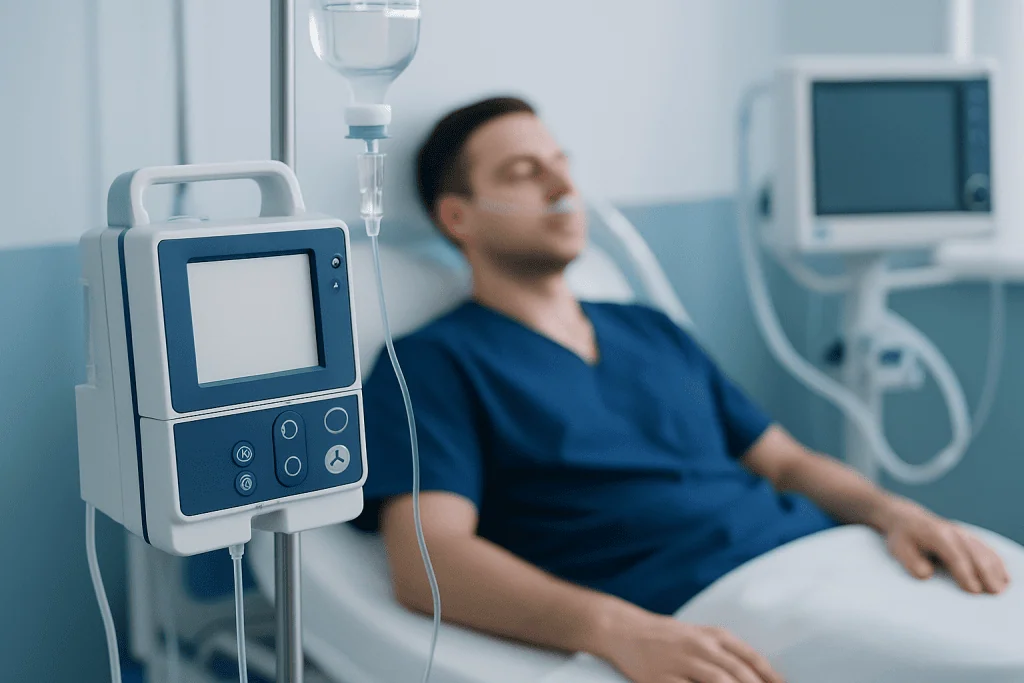
Treatment depends on the findings. Supportive care may include observation, intravenous fluids in selected cases, oxygen, treatment for low blood sugar, and medicines for nausea. If there are signs of poisoning, mixed drug use, or complications affecting breathing or alertness, hospital monitoring may be necessary. For people with repeated alcohol-related episodes, clinicians may also recommend assessment through a comprehensive medical check-up to review overall health and risks.
Safe self-care while waiting for alcohol to wear off
For mild intoxication in an awake person who is breathing normally and can answer questions, simple self-care is often enough. The first step is to stop drinking alcohol completely. The person should move to a calm, safe place away from stairs, roads, pools, or anything that could cause injury if balance worsens.
Small, regular sips of water can help with thirst and dry mouth, and if the person is fully alert and not vomiting, a bland snack may be tolerated. Rest is helpful, but it is better not to leave the person entirely alone if they are very sleepy. Lying on the side rather than flat on the back can lower the risk of choking if vomiting occurs.
Driving, cycling, swimming, cooking, or taking more medicines to “counteract” alcohol should be avoided. It is also wise not to take sleeping pills or anti-anxiety medicines unless specifically prescribed and approved by a doctor, because combining these with alcohol can slow breathing. If symptoms are unusual, severe, or simply not improving as expected, getting medical advice is the safer option.
When to seek medical care
Urgent medical care is needed if a person is difficult to wake, seems confused or disoriented, has slow or irregular breathing, turns bluish or very pale, has a seizure, collapses, or vomits repeatedly. Emergency help is also important after a fall or head injury, after mixing alcohol with other drugs, or if the person has major health conditions such as diabetes and is acting strangely or becoming weak.
Medical review is also sensible when symptoms seem stronger than expected for the amount consumed, when there is chest pain, severe dehydration, persistent abdominal pain, or concern about self-harm. For people who drink heavily and then stop, shakiness, sweating, agitation, hallucinations, or seizures may suggest alcohol withdrawal, which can also be dangerous. Some patients may need further evaluation in services such as emergency medicine or support from psychiatry if alcohol use is part of a wider mental health or substance use concern.
Near the end of recovery, many people mainly need reassurance, hydration, and time. But if episodes are recurring, affecting relationships, work, sleep, or safety, speaking with a healthcare professional is worthwhile. Acibadem International’s multidisciplinary specialists in JCI-accredited hospitals evaluate and treat alcohol-related health concerns for international patients, including associated issues such as liver disease when relevant.
Frequently asked questions
Can coffee sober someone up quickly?
No. Coffee may make a person feel more awake, but it does not lower the amount of alcohol in the bloodstream or reliably improve judgment and coordination. Someone may still be impaired even if they feel more alert.
Does drinking water make alcohol leave the body faster?
Not significantly. Water can help with dehydration and may ease thirst, dry mouth, or headache, but it does not rapidly remove alcohol from the body. Time remains the main factor in becoming sober.
Is it safe to let a drunk person sleep?
A mildly intoxicated person who is breathing normally and can be roused may rest, ideally with a sober adult nearby. They should be placed on their side if there is any risk of vomiting. If they are hard to wake, breathing slowly, or acting strangely, they need urgent medical help instead of being left to sleep.
How long does it take to sober up?
It varies from person to person because metabolism, body size, food intake, medications, and the amount consumed all matter. In general, alcohol clears gradually over hours, not minutes. There is no reliable instant method to reverse intoxication.
What are the signs of alcohol poisoning?
Warning signs include confusion, being difficult to wake, repeated vomiting, seizures, slow or irregular breathing, and blue or pale skin. These symptoms can be life-threatening and need emergency medical care. It is best not to assume the person will simply sleep it off.
Should someone eat after drinking?
If the person is fully awake, not choking, and not vomiting, a light snack may be reasonable and can sometimes help with shakiness or stomach discomfort. However, food does not instantly sober someone up. If there is significant nausea, drowsiness, or confusion, medical advice may be more important than trying to eat.
References
- National Institute on Alcohol Abuse and Alcoholism
- Centers for Disease Control and Prevention
- National Health Service
- Mayo Clinic
- World Health Organization
This article is for general information only and is not a substitute for professional medical advice. Please consult a qualified doctor about your individual situation.
Medical weight-loss options in Turkey — costs & eligibility
JCI-accredited · board-certified surgeons · reply within 24h
Add us as a Preferred Source to see more of our trusted health content across Google Search, AI Overviews and Discover.