How Doctors Diagnose Central Nervous System Infections

Central nervous system infections can affect the brain, spinal cord, or the tissues around them. Diagnosis usually combines medical history, physical examination, blood tests, imaging, and cerebrospinal fluid testing.
Key Takeaways
- Central nervous system infections can affect the brain, spinal cord, or the tissues around them.
- Diagnosis usually combines medical history, physical examination, blood tests, imaging, and cerebrospinal fluid testing.
- A lumbar puncture is often one of the most important tests for confirming infection.
- Doctors may begin treatment before all test results return if symptoms suggest a serious infection.
- Early medical evaluation is especially important when fever, severe headache, confusion, neck stiffness, or seizures occur.
Central nervous system infections are diagnosed by combining a person’s symptoms, neurological examination, laboratory tests, and brain or spine imaging. Doctors move quickly because early diagnosis helps guide the right treatment for conditions such as meningitis, encephalitis, and spinal infections.
Overview: What central nervous system infections are
Central nervous system, or CNS, infections are infections that involve the brain, spinal cord, or the protective layers around them. These conditions include meningitis, encephalitis, myelitis, brain abscess, and some infections that affect the nerves or fluid surrounding the brain and spine. Because the CNS controls vital functions such as thinking, movement, sensation, and consciousness, doctors treat possible infection in this area as a medical priority.
Many different germs can cause CNS infections. These include viruses, bacteria, fungi, and parasites. The symptoms can overlap with other neurological conditions, so the diagnosis is not based on one sign alone. Instead, doctors use a step-by-step process that combines the person’s story, examination findings, and test results.
The goal of diagnosis is not only to confirm that an infection is present, but also to identify the most likely cause. Knowing whether the infection is bacterial, viral, fungal, or another type helps doctors choose the most appropriate treatment and decide how urgently special care is needed.
Symptoms that make doctors suspect a CNS infection
The symptoms of a central nervous system infection can start suddenly or develop over several days. Common warning signs include fever, headache, neck stiffness, sensitivity to light, nausea, vomiting, confusion, drowsiness, new weakness, trouble speaking, and seizures. Some people also develop changes in personality, balance problems, or unusual sleepiness.
Symptoms often vary depending on the exact part of the nervous system involved. Meningitis more often causes headache, fever, and neck stiffness, while encephalitis may lead to confusion, behavior changes, or seizures. Spinal infections can cause back pain, weakness, numbness, or problems with bladder and bowel control.
Doctors also pay attention to the person’s age and overall health. Infants, older adults, pregnant people, and those with weakened immune systems may have less typical symptoms. In these groups, even subtle confusion, poor feeding, irritability, or reduced alertness can be important clues that a CNS infection needs urgent evaluation.
Medical history and physical examination

Diagnosis begins with a careful medical history. Doctors ask when symptoms started, how quickly they worsened, and whether there has been recent fever, cold-like illness, rash, sinus or ear infection, head injury, travel, insect bites, animal exposure, or contact with someone who is ill. They also ask about immune system problems, cancer treatment, HIV infection, organ transplant, and medicines that suppress immunity.
The neurological examination is equally important. Doctors assess alertness, memory, speech, strength, sensation, reflexes, coordination, and balance. They also check for signs of meningeal irritation, such as neck stiffness, and look for skin findings like a rash that may point toward a specific infection.
General examination findings may help narrow the cause. For example, signs of lung infection, sinus disease, heart infection, or skin infection may suggest where germs came from before reaching the brain or spinal cord. While the examination alone cannot confirm the diagnosis, it helps guide the urgency of testing and the choice of the first treatments.
Tests used to diagnose central nervous system infections
Doctors usually order several tests at the same time when a CNS infection is suspected. Blood tests may include a complete blood count, inflammatory markers, blood cultures, kidney and liver function tests, and sometimes tests for viruses or immune conditions. These tests help look for infection, assess how severe the illness may be, and make sure treatments can be given safely.
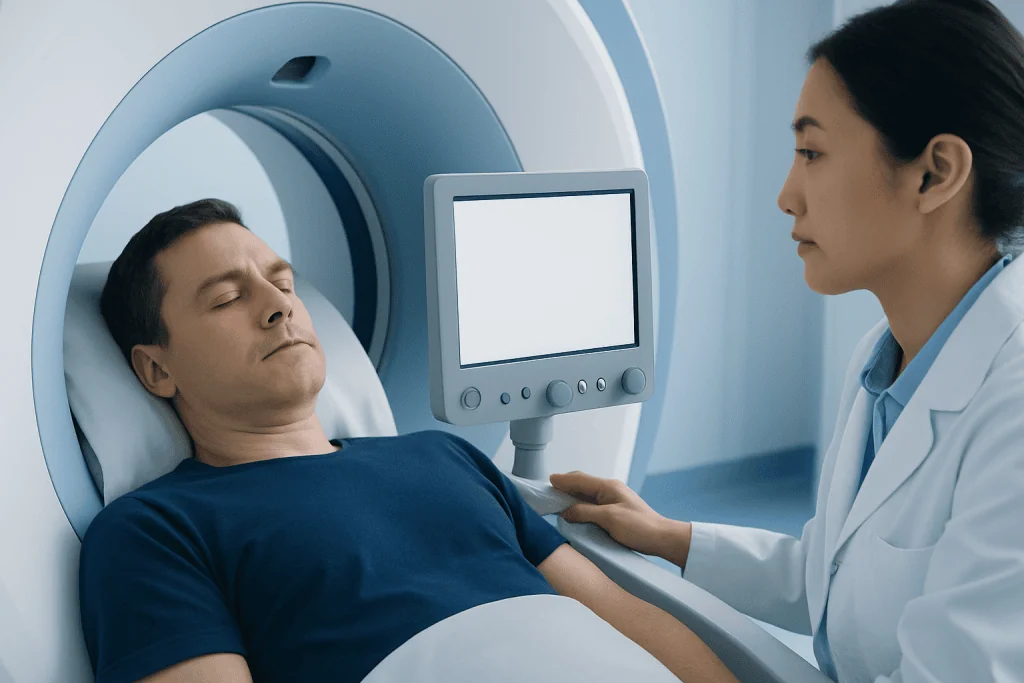
Brain imaging is often performed before or alongside other tests, especially if there are seizures, reduced consciousness, focal weakness, severe swelling concerns, or signs that pressure inside the skull may be raised. A head CT scan can quickly identify bleeding, swelling, or a mass. Brain MRI can provide more detailed information and is especially useful when doctors suspect encephalitis, abscess, myelitis, or infection in deeper structures. In some cases, MRI imaging helps show patterns that suggest particular infections.
One of the most important tests is a lumbar puncture, also called a spinal tap. During this procedure, a sample of cerebrospinal fluid, or CSF, is taken from the lower back. The fluid is checked for cell count, protein, glucose, culture results, and molecular tests such as PCR that can detect viral or bacterial genetic material. CSF findings often provide the clearest evidence of whether the infection is bacterial, viral, fungal, or related to another inflammatory condition.
Additional tests may be needed in selected cases. These can include electroencephalography if seizures or encephalitis are suspected, spinal MRI for possible myelitis, chest imaging, echocardiography, or tests from the nose, throat, skin, or other sites if doctors think the infection spread from elsewhere in the body. If a brain abscess or another structural problem is suspected, further evaluation by specialists may be needed.
How doctors tell different CNS infections apart
Not all central nervous system infections look the same. Doctors interpret test results together rather than relying on a single finding. For example, bacterial meningitis often causes a rapid illness with high fever, neck stiffness, and cerebrospinal fluid changes such as many white blood cells, high protein, and low glucose. Viral encephalitis may present more with confusion, seizures, or behavior changes, and CSF findings are often different.
Imaging patterns can also offer clues. Some infections affect particular parts of the brain, while others form localized collections of pus called abscesses. A person with a fungal infection may have a slower course, especially if the immune system is weakened. Tuberculosis, autoimmune inflammation, stroke, tumor, and metabolic problems can sometimes mimic CNS infection, so doctors keep a broad differential diagnosis until the picture becomes clear.
Modern laboratory methods have improved diagnostic accuracy. Polymerase chain reaction, antigen testing, and specialized cultures can identify many causes more quickly than older methods alone. Even so, some people need repeat testing because early samples may not yet show the full picture. In complex cases, specialists in neurology, infectious diseases, neuroradiology, and laboratory medicine may work together to reach the diagnosis.
Why treatment may start before the diagnosis is final
When doctors strongly suspect a serious CNS infection, they often begin treatment before every test result is available. This is especially important when bacterial meningitis, herpes simplex encephalitis, or severe sepsis is possible, because delays can increase the risk of complications. Starting prompt treatment does not mean the diagnosis is uncertain; it means safety comes first while the medical team continues to confirm the cause.
Initial treatment may include intravenous antibiotics, antiviral medicine, fluids, fever control, and monitoring in the hospital. Some people also need medications for seizures, treatment to reduce brain swelling, or support for breathing and blood pressure. If imaging or surgery is needed, teams coordinate that quickly.
Once culture, PCR, imaging, and other results return, treatment can be adjusted. Doctors may narrow therapy to target a specific germ or stop medications that are no longer needed. In some situations, care overlaps with meningitis or encephalitis evaluation pathways, depending on the pattern of symptoms and test findings.
Prevention, follow-up, and when to seek urgent medical care
Some central nervous system infections can be prevented. Vaccination against illnesses such as meningococcal disease, pneumococcal disease, influenza, measles, mumps, and varicella can reduce the risk of infections that may spread to the brain or spinal cord. Good hand hygiene, prompt treatment of ear or sinus infections, food and travel precautions, and insect bite prevention may also lower risk in certain settings.
After diagnosis, follow-up care is important because recovery does not always end when the infection clears. Some people may need repeat imaging, hearing checks, cognitive evaluation, rehabilitation, or monitoring for seizures and headaches. If a person develops lasting neurological symptoms, specialists may recommend neurology care or further follow-up evaluation to support recovery and daily function.
Urgent medical attention is needed for severe headache with fever, neck stiffness, confusion, fainting, seizures, new weakness, trouble speaking, unusual drowsiness, or sudden behavior change. Babies with poor feeding, persistent crying, lethargy, or a bulging soft spot also need immediate evaluation. In experienced centers, including Acibadem International, multidisciplinary specialists and JCI-accredited hospitals diagnose and treat central nervous system infections for international patients.
Frequently asked questions
What is the main test for diagnosing a central nervous system infection?
There is not one single test for every case, but a lumbar puncture is often one of the most important. It allows doctors to examine cerebrospinal fluid for signs of infection and to look for specific germs. The results are interpreted together with symptoms, blood tests, and brain imaging.
Do all patients with suspected CNS infection need a lumbar puncture?
Many patients do, but not always immediately. Doctors may first perform a brain scan if there are signs that pressure in the skull could be increased or if there are focal neurological symptoms. This helps make the procedure safer and guides the timing of further testing.
Can a CT or MRI alone confirm a brain or spinal infection?
Imaging is very helpful, but it usually does not provide the full answer by itself. CT and MRI can show swelling, inflammation, abscesses, or patterns that suggest infection. However, laboratory testing, especially cerebrospinal fluid analysis, is often needed to identify the cause more precisely.
Why do doctors sometimes start treatment before test results are back?
Some CNS infections can worsen quickly, so early treatment may be safer than waiting. If the symptoms strongly suggest a serious infection, doctors may begin antibiotics or antiviral medicine right away. The treatment plan can then be adjusted when test results clarify the exact cause.
How long does it take to get a diagnosis?
Some information is available within hours, such as examination findings, basic blood tests, and CT results. Other results, like cultures or certain specialized tests, can take longer. Doctors often make early treatment decisions based on the best available evidence while waiting for final confirmation.
Are central nervous system infections always caused by bacteria?
No. Viruses are a common cause, and fungi, parasites, and tuberculosis can also affect the central nervous system. The likely cause depends on the person’s age, immune status, travel history, exposures, and the pattern seen on tests.
References
- World Health Organization
- Centers for Disease Control and Prevention
- National Institute of Neurological Disorders and Stroke
- Infectious Diseases Society of America
- American Academy of Neurology
This article is for general information only and is not a substitute for professional medical advice. Please consult a qualified doctor about your individual situation.
Joint and spine care in Turkey — expert assessment & treatment
JCI-accredited · board-certified surgeons · reply within 24h
Add us as a Preferred Source to see more of our trusted health content across Google Search, AI Overviews and Discover.