How Effective Is Radiation Therapy for Lymph Nodes: How It Works, Results and What to Expect
Radiation therapy uses carefully planned high-energy radiation to damage cancer cells in selected lymph node areas. Its effectiveness depends on the original cancer, number and location of involved nodes, whether disease has spread elsewhere, and other treatments used.
Key Takeaways
- Radiation therapy uses carefully planned high-energy radiation to damage cancer cells in selected lymph node areas.
- Its effectiveness depends on the original cancer, number and location of involved nodes, whether disease has spread elsewhere, and other treatments used.
- Radiation may be given alone but is commonly combined with surgery, chemotherapy, immunotherapy or hormone therapy.
- Side effects vary by the body area treated and are often temporary, although some late effects are possible.
- Regular follow-up helps the oncology team assess response, manage effects and plan further care if needed.
Radiation therapy can be highly effective at treating cancer in lymph nodes when it is part of an individualized plan based on the cancer type, location, stage and treatment goal. It may be used to cure disease, lower the chance of recurrence after surgery, or relieve symptoms when cancer has spread.
How effective is radiation therapy for lymph nodes?
Radiation therapy can be very effective for cancer found in lymph nodes, particularly when the affected nodes are within a defined treatment area and the cancer is sensitive to radiation. It works by delivering high-energy radiation precisely to cancer cells, damaging their DNA so they can no longer divide and eventually die. The aim may be cure, reducing the risk that cancer returns after surgery, controlling remaining disease, or easing symptoms.
There is no single success rate that applies to every person. Results depend on the type of primary cancer, such as breast, prostate, head and neck, cervical, lung or lymphoma; the number and location of involved lymph nodes; whether cancer has spread to distant organs; and whether radiation is combined with other treatment. The radiation oncologist uses scans, pathology results and the full medical history to explain the expected benefit in an individual situation.
Lymph nodes are part of the immune and lymphatic systems. Cancer cells can sometimes travel from an original tumor to nearby or more distant nodes. Finding cancer in lymph nodes is important for staging and treatment planning, but it does not automatically mean that cancer has spread throughout the body or cannot be treated successfully.
How radiation treatment for lymph nodes works
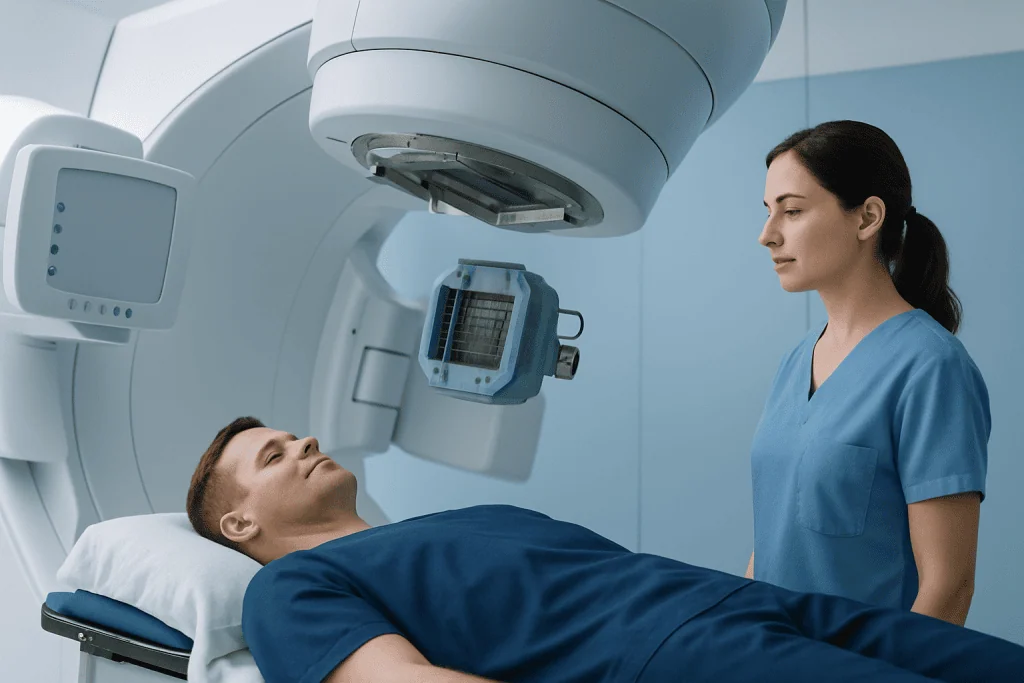
External beam radiation therapy is the most common approach for lymph node treatment. A machine outside the body directs radiation beams toward a carefully mapped target. Modern planning methods shape and angle the beams to cover lymph nodes at risk or known to contain cancer while reducing radiation exposure to nearby healthy organs.
Radiation may be directed at individual involved lymph nodes, a lymph node region, the site where nodes were removed, or both the primary tumor and regional nodes. For example, treatment fields may include lymph nodes in the neck, underarm, chest, pelvis or groin, depending on where the cancer began and how it has spread.
Cancer cells are generally less able than healthy cells to repair radiation-related damage. Healthy tissues can also be affected, which is why treatment is usually divided into separate daily sessions called fractions. This gives normal cells time to recover between treatments while maintaining pressure on cancer cells.
Who may be a candidate for lymph node radiation?

Radiation therapy may be recommended when cancer is confirmed in lymph nodes, when there is a substantial risk of microscopic cancer remaining after surgery, or when imaging suggests that nodes may be involved. It may be used before surgery to shrink disease, after surgery to lower recurrence risk, alongside drug treatment, or as the main local treatment when surgery is not suitable.
The care team considers the pathology report, imaging findings, prior treatments, overall health and personal priorities. Positron emission tomography (PET), CT, MRI or ultrasound may help identify suspicious nodes, while a needle biopsy or surgical biopsy can confirm whether cancer is present. Not every enlarged node is cancerous; infection and inflammatory conditions can also cause lymph nodes to swell.
People who have previously received radiation to the same area need especially careful assessment. Prior radiation does not always rule out further treatment, but it can affect the dose, technique and balance of benefit and risk. A multidisciplinary discussion between specialists helps ensure that treatment is appropriate and coordinated.
What happens during the procedure and recovery?
Before treatment begins, the patient has a planning appointment called simulation. This often includes a CT scan in the treatment position. Small skin marks or temporary tattoos may be used for accurate daily positioning, and an immobilization mask, cushion or support may be made if the head, neck or another area must remain very still.
Radiation oncologists, medical physicists and radiation therapists then create a personalized treatment plan. At each session, the patient lies on the treatment table while the team positions them accurately using imaging. The machine may move around the body, but it does not touch the patient and treatment itself is painless. Most daily visits are brief, although the overall course can range from a few treatments to several weeks.
Many people continue usual light activities during treatment, adjusting their schedule as fatigue develops. Early side effects commonly build gradually during the course and may continue briefly after it ends before improving. Follow-up appointments, examinations and imaging are scheduled over the following weeks and months to monitor recovery and treatment response.
Benefits, limitations and possible risks
A main benefit of lymph node radiation is local and regional control: it can destroy known cancer cells in treated nodes and help treat microscopic cells that cannot be seen on scans. In selected cancers, this can reduce the chance of recurrence and contribute to curative treatment. When cure is not possible, radiation can still shrink tumors and relieve pain, pressure, bleeding or other symptoms.
Side effects depend primarily on the body region treated. Fatigue and temporary skin redness, dryness or sensitivity are common. Radiation to the head and neck can affect the mouth, throat, saliva or swallowing; chest treatment can irritate the esophagus or lungs; and pelvic treatment can affect the bowel, bladder or sexual function. The oncology team provides area-specific guidance before treatment starts.
Less common longer-term effects may include firmness of tissue, nerve irritation, changes in organ function or lymphedema, which is swelling caused by impaired lymph fluid drainage. The risk of lymphedema can be higher when lymph node surgery and radiation are both used. Modern radiation planning aims to minimize these risks, but patients should discuss their individual risk with their radiation oncologist.
- Tell the treatment team promptly about new or worsening symptoms.
- Use only creams, supplements or skin products approved by the care team for the treated area.
- Ask about nutrition, activity, dental care or pelvic health support when relevant to the treatment site.
Questions patients commonly ask about lymph node radiation
Can lymph node cancer be cured with radiation? Radiation can be part of curative treatment for some cancers involving lymph nodes. Whether cure is realistic depends on the original cancer type, its stage, the extent of nodal involvement and whether there is disease elsewhere. In many situations, radiation works best as one part of combined treatment rather than as a stand-alone therapy.
What is the downside to radiation therapy? Radiation can cause short-term effects such as tiredness and skin irritation, as well as site-specific symptoms involving nearby tissues. Some people develop longer-lasting effects, including swelling, stiffness or changes in organ function, although careful planning reduces exposure to healthy tissue. The team weighs these risks against the likely benefit before recommending treatment.
Can you survive cancer that has spread to your lymph nodes? Yes. Many cancers that have spread to regional lymph nodes can still be treated with curative intent, especially when there is no distant spread. Lymph node involvement often changes the treatment plan and may increase recurrence risk, but survival outlook varies widely and should be discussed using the person’s specific diagnosis and staging information.
What I wish I knew before radiation? Patients often find it helpful to know that radiation treatment is painless, appointments are usually short, and side effects may develop gradually rather than immediately. It is also useful to arrange practical support for travel, meals, work and childcare if fatigue occurs, and to report symptoms early instead of waiting for the next appointment. Asking for a written treatment schedule and a clear contact number can make the process easier to manage.
Prevention, self-care and follow-up
Radiation is prescribed to treat an existing cancer risk or diagnosis, so there is no general self-care measure that replaces it when it is clinically recommended. However, people can support recovery by attending all scheduled sessions, maintaining adequate fluids and nutrition, resting when needed and keeping the treatment team updated about symptoms and medications.
Skin in the treatment area should be treated gently. The care team may recommend mild cleansing, loose clothing and protection from strong sun exposure. Smoking cessation is also important, particularly for cancers of the head, neck and chest, because smoking can affect healing and overall cancer outcomes.
Follow-up care is tailored to the cancer type and treatment received. It may include physical examinations, blood tests, scans and rehabilitation services. People at risk of lymphedema may benefit from education about early symptoms, appropriate exercise and referral to a trained therapist when needed.
When to seek medical care
Anyone with a new, persistent or enlarging lymph node should arrange a medical assessment, especially if it lasts longer than a few weeks or is accompanied by unexplained weight loss, persistent fever, drenching night sweats, unusual bleeding, ongoing pain or a new lump elsewhere. These symptoms can have many causes, but they deserve evaluation rather than self-diagnosis.
During radiation treatment, patients should contact their oncology team if they develop severe pain, difficulty swallowing or breathing, inability to drink enough fluids, a high temperature, rapidly worsening skin changes, uncontrolled diarrhea, significant bleeding or symptoms that feel urgent. The team can advise whether same-day assessment is needed.
Acibadem International’s multidisciplinary specialists and JCI-accredited hospitals support international patients undergoing cancer diagnosis and treatment planning, including radiation therapy when clinically appropriate. A radiation oncologist can explain the likely goals, expected effects and alternatives based on the individual diagnosis.
Frequently asked questions
Does radiation therapy remove cancer from lymph nodes?
Radiation does not physically remove lymph nodes, but it can destroy cancer cells within targeted nodes and surrounding at-risk tissue. The response is assessed over time with examinations, imaging and, in some cases, blood tests. Some nodes may remain enlarged after treatment because of scar tissue or inflammation, so size alone does not always show whether active cancer remains.
How long does radiation therapy for lymph nodes take?
A treatment session itself often takes only a short time, although positioning and imaging add to the appointment. The full course may range from a few sessions to several weeks, depending on the cancer type, treatment aim, body area and other therapies. The radiation oncologist provides an individualized schedule after planning.
Is lymph node radiation painful?
External beam radiation is painless while it is being delivered. The patient may need to hold still in a treatment position, which can be uncomfortable for some people but should not be painful. Side effects such as skin sensitivity, sore throat or bowel irritation may develop later depending on the area treated.
Will radiation therapy cause lymphedema?
Radiation can increase the risk of lymphedema because it may affect lymphatic vessels and tissues around treated nodes. The risk is influenced by the treatment location, radiation field, whether lymph nodes were removed surgically and other individual factors. Early reporting of swelling, heaviness, tightness or reduced movement can allow timely assessment and support.
Can radiation be combined with chemotherapy for lymph node cancer?
Yes. Chemotherapy or other systemic therapies may be given before, during or after radiation depending on the cancer. In some situations, chemotherapy can make cancer cells more sensitive to radiation, but combined treatment can also increase side effects, so monitoring is important.
How will doctors know whether lymph node radiation worked?
Doctors use the treatment goal, symptom changes, clinical examinations and follow-up imaging to assess response. Imaging is often scheduled after enough time has passed for inflammation from radiation to settle, because early scans can be difficult to interpret. The follow-up plan differs according to the specific cancer and overall treatment approach.
References
- National Cancer Institute
- American Cancer Society
- European Society for Medical Oncology
- American Society for Radiation Oncology
- World Health Organization
This article is for general information only and is not a substitute for professional medical advice. Please consult a qualified doctor about your individual situation.
Radiation Therapy in Turkey — costs, top hospitals & a free quote
JCI-accredited · board-certified surgeons · reply within 24h
Add us as a Preferred Source to see more of our trusted health content across Google Search, AI Overviews and Discover.

Radiation Oncology
Precision radiotherapy and radiosurgery using advanced linear accelerators and image-guided techniques.
26 specialists in this unit