How Fast Weight Loss Happens After Gastric Sleeve Surgery

Weight loss is usually most rapid in the first 6 to 12 months after gastric sleeve surgery. Early changes on the scale can include fluid shifts, healing effects, and reduced food intake.
Key Takeaways
- Weight loss is usually most rapid in the first 6 to 12 months after gastric sleeve surgery.
- Early changes on the scale can include fluid shifts, healing effects, and reduced food intake.
- Steady follow-up, protein intake, hydration, vitamins, and physical activity help support healthy progress.
- Weight loss speed varies from person to person and brief plateaus are common.
- Ongoing medical guidance is important to monitor nutrition, recovery, and long-term results.
Weight loss after gastric sleeve surgery usually happens in stages rather than all at once. The fastest phase is often during the first several months, but the exact pace depends on healing, nutrition, activity, and long-term lifestyle habits.
Overview: How weight loss usually progresses after gastric sleeve
Weight loss after gastric sleeve surgery tends to follow a predictable pattern, although each person’s journey is different. In general, weight loss is fastest in the early months after surgery, when the stomach is much smaller and food portions are significantly reduced. Hormonal changes that affect hunger and fullness may also help many people feel satisfied sooner.
During the first few weeks, the number on the scale may change quickly. Part of this early change is related to a lower calorie intake and part may reflect normal fluid shifts after surgery. As healing continues and eating patterns become more regular, weight loss often settles into a steadier pace.
Most people continue to lose weight through the first 6 to 12 months, and some keep losing beyond that point. After the first year, the rate commonly slows. This does not mean the procedure has stopped working. Rather, it reflects the body’s natural adjustment over time and the growing importance of long-term habits such as meal planning, exercise, sleep, and follow-up care.
Typical timeline: when weight loss is fastest
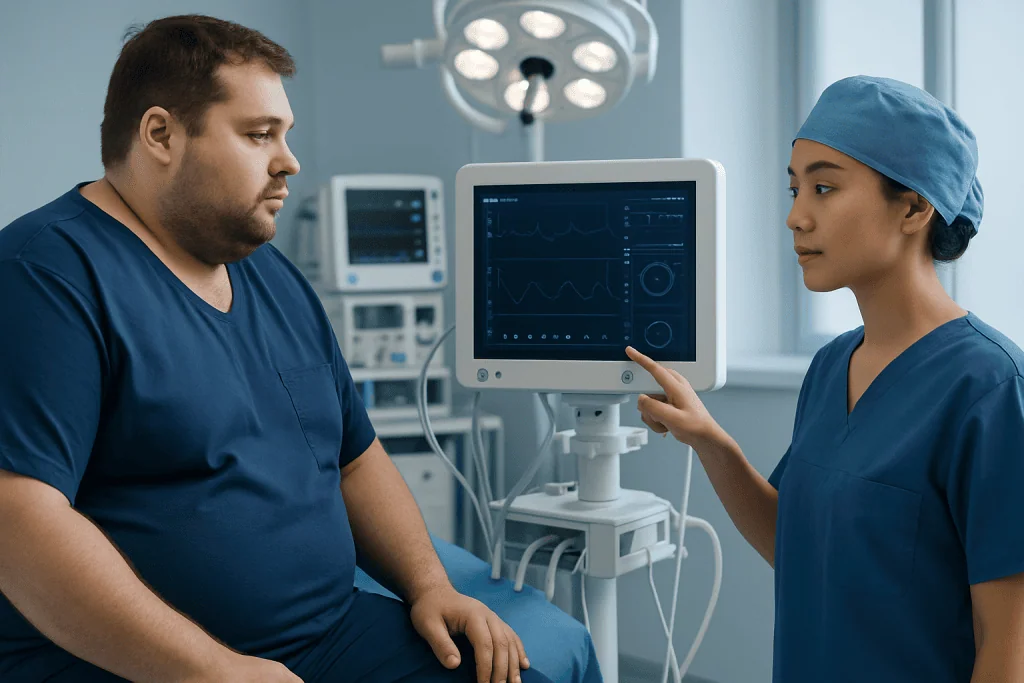
Many patients want to know exactly how fast weight loss happens after gastric sleeve surgery. While there is no single schedule that applies to everyone, the fastest period is usually within the first 3 to 6 months. This is often when appetite is lower, portions are smallest, and motivation for lifestyle changes is high.
Weight loss commonly continues at a meaningful pace throughout the first year. Some people notice rapid changes early on, while others lose more gradually but steadily. Both patterns can be normal if nutrition, hydration, and follow-up are on track.
It can help to think in phases rather than daily numbers. In the first weeks, the focus is on healing and safely progressing the diet. In the first months, the body adapts to smaller meals and regular activity. Later, the emphasis shifts toward maintaining muscle, preventing nutritional deficiencies, and supporting lasting results. Temporary plateaus are common and do not always mean something is wrong.
- First weeks: healing, fluid changes, and liquid-to-soft food progression
- First 3 to 6 months: often the quickest weight loss phase
- 6 to 12 months: continued loss, though the pace may gradually slow
- After 12 months: focus increasingly moves to weight maintenance and healthy routines
What affects the speed of weight loss
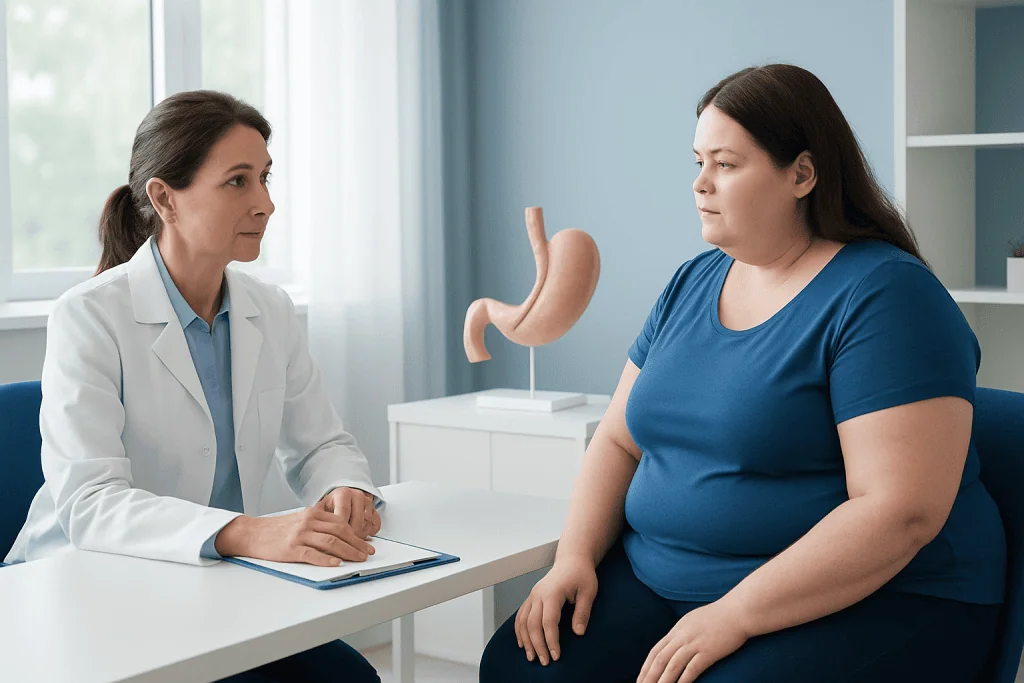
Several factors influence how quickly a person loses weight after sleeve gastrectomy. Starting body weight, age, medical conditions, hormone balance, medications, sleep quality, and activity level can all play a role. People who have conditions such as insulin resistance or thyroid disorders may see a different pace than someone without these issues.
Nutrition is especially important. A plan that emphasizes adequate protein, enough fluids, vitamin and mineral supplementation, and gradual reintroduction of healthy foods supports healing and body composition. Skipping protein, drinking too little, or relying on high-calorie soft foods can slow progress and make recovery harder.
Physical activity also matters. Gentle movement usually begins soon after surgery, followed by a gradual return to more structured exercise as advised by the surgical team. Building muscle can support metabolism and improve strength, even if the scale does not move every week. Emotional health, stress, and eating behaviors are important too, since grazing or eating for comfort can affect long-term results.
The operation is a powerful tool, but it works best when paired with ongoing behavior changes. Patients who attend follow-up visits and stay connected with their care team often find it easier to identify concerns early and make practical adjustments.
What recovery and eating are like in the early weeks
The early recovery period after gastric sleeve surgery is structured to protect the stomach as it heals. Most patients move through stages, starting with clear liquids, then fuller liquids, pureed foods, soft foods, and eventually regular textured foods. The timing varies by surgeon and dietitian, so individual instructions should always take priority.
Meals are very small at first, and eating too quickly can cause discomfort, nausea, or vomiting. Patients are usually advised to take tiny bites, chew thoroughly, stop when comfortably full, and avoid drinking fluids at the same time as meals if their team recommends it. These habits are not only part of recovery; they also help support long-term weight control.
Hydration is a daily priority because the smaller stomach can make it harder to drink enough at once. Protein is another major focus, as it helps preserve muscle and supports healing. Vitamins and minerals are usually prescribed after surgery because reduced food intake can increase the risk of deficiencies.
For those learning about gastric sleeve surgery, it is useful to understand that aftercare is just as important as the operation itself. In some cases, doctors may also compare sleeve gastrectomy with other options such as gastric bypass surgery depending on medical history, weight goals, and reflux symptoms.
How doctors monitor progress after surgery
Follow-up visits are a key part of safe and effective recovery. Doctors and dietitians look at much more than body weight. They may review healing, hydration, protein intake, bowel habits, energy levels, mood, activity tolerance, and how well the patient is adapting to new eating patterns.
Blood tests are often used to monitor nutritional status and identify problems early. These can help check for vitamin and mineral deficiencies, anemia, dehydration, or other issues that may affect recovery. If weight loss seems much slower or faster than expected, the team may also consider medication effects, endocrine conditions, or eating difficulties.
Progress is often tracked over months rather than from one day to the next. Small fluctuations can happen for many reasons, including hormonal changes, constipation, fluid balance, and exercise. A plateau can feel discouraging, but it is often a normal part of the process. Reviewing food choices, meal timing, movement, and sleep can help restart progress without extreme measures.
Sometimes patients considering surgery have related concerns such as obesity-associated health problems or symptoms of gastroesophageal reflux disease that may influence procedure choice and aftercare planning. Personalized evaluation helps set realistic expectations.
Common challenges, plateaus, and warning signs
Weight loss after gastric sleeve surgery is rarely perfectly linear. Many patients experience plateaus, especially after the first few months. This can happen even when they are following recommendations well. The body adapts over time, and changes in activity, muscle mass, or food choices may influence the rate of loss.
Another common challenge is tolerating certain foods. Dry meats, bread, rice, or fibrous vegetables may feel difficult in the early stages. This usually improves as healing progresses, but persistent nausea, vomiting, trouble swallowing, or pain should be discussed with a doctor. These symptoms may signal dehydration, irritation, narrowing, or another issue that needs assessment.
Warning signs that deserve prompt medical advice include inability to keep fluids down, signs of dehydration, fever, worsening abdominal pain, shortness of breath, or symptoms of nutritional deficiency such as unusual weakness, dizziness, or hair thinning that is severe or persistent. While some fatigue and temporary hair shedding can happen during rapid weight loss, ongoing symptoms should not be ignored.
People who need broader support for metabolic health may also discuss options such as obesity surgery programs that combine surgery, nutrition, psychology, and medical follow-up. A team-based approach can make challenges easier to manage.
Supporting healthy long-term results
Long-term success after gastric sleeve surgery depends on daily habits more than speed alone. Eating regular, balanced meals with a focus on protein, vegetables, and nutrient-dense foods can help preserve muscle and reduce the risk of weight regain. Limiting high-calorie liquids, alcohol, and frequent snacking is also important, since these can add calories without providing much fullness.
Exercise supports both weight loss and overall health. Walking is often the starting point, followed by strength training and aerobic activity when cleared by the medical team. Resistance exercise is especially helpful because it helps protect lean body mass during weight loss.
Sleep, stress management, and emotional support matter as well. Poor sleep and chronic stress can affect appetite, energy, and food choices. Some patients benefit from counseling or support groups to adjust to changes in eating, body image, and daily routines.
Continued follow-up remains important even after weight stabilizes. Regular visits can help identify nutritional deficiencies, reflux symptoms, changes in blood sugar, or gradual regain early. Near the end of recovery, some international patients choose centers such as Acibadem International, where multidisciplinary specialists in JCI-accredited hospitals diagnose and treat bariatric conditions and provide structured aftercare.
When to speak with a doctor
Patients should contact their surgical team if they have concerns about hydration, nutrition, pain, or how quickly they are progressing. Questions are especially important in the first weeks, when it can be hard to tell the difference between expected adjustment and a problem that needs attention.
Medical advice is also important if weight loss stops for a prolonged period, if eating becomes increasingly difficult, or if there are signs of vitamin or mineral deficiency. New or worsening heartburn, repeated vomiting, black stools, fainting, or severe weakness should be evaluated promptly.
Regular appointments with the surgeon, dietitian, and primary care doctor help keep recovery safe and realistic. Weight loss after gastric sleeve surgery is usually a gradual process with ups and downs, and professional guidance can help patients focus on health improvements rather than scale changes alone.
Frequently asked questions
How soon do people start losing weight after gastric sleeve surgery?
Many people begin to notice weight changes within the first days to weeks after surgery. Early loss can be influenced by reduced food intake and fluid changes, while more sustained fat loss develops over the following months.
When is weight loss fastest after sleeve gastrectomy?
Weight loss is often fastest in the first 3 to 6 months after surgery. It usually continues through the first year, although the rate commonly slows over time.
Is it normal for weight loss to slow down or plateau?
Yes. Brief plateaus are common after bariatric surgery and do not necessarily mean the procedure has failed. A review of protein intake, hydration, meal habits, exercise, and sleep can often help identify ways to move forward.
What if someone is not losing weight as expected after gastric sleeve surgery?
There are several possible reasons, including healing stage, food choices, low activity, medications, hormonal conditions, or nutritional issues. The safest next step is to discuss progress with the bariatric team rather than trying restrictive diets without supervision.
Can a person regain weight after gastric sleeve surgery?
Yes, some weight regain can happen over time, especially if eating patterns drift toward frequent snacking, high-calorie liquids, or low activity. Ongoing follow-up and healthy routines help reduce this risk and support long-term results.
Why are protein, fluids, and vitamins so important after surgery?
Protein helps with healing and muscle preservation, fluids help prevent dehydration, and vitamins and minerals lower the risk of deficiencies. Because the stomach is smaller and food intake is reduced, these needs require special attention after surgery.
References
- American Society for Metabolic and Bariatric Surgery
- National Institute of Diabetes and Digestive and Kidney Diseases
- National Health Service
- Mayo Clinic
- Obesity Medicine Association
This article is for general information only and is not a substitute for professional medical advice. Please consult a qualified doctor about your individual situation.
Gastric Sleeve Surgery in Turkey — costs, top hospitals & a free quote
JCI-accredited · board-certified surgeons · reply within 24h
Add us as a Preferred Source to see more of our trusted health content across Google Search, AI Overviews and Discover.
Check your numbers in seconds
BMI, calories, due date, blood pressure and 30+ more clinical calculators — free, instant, doctor-reviewed ranges.

Bariatric & Metabolic Surgery
Surgical and endoscopic treatments for obesity and metabolic conditions.