How Laser Lipolysis Shapes Small Areas of Fat
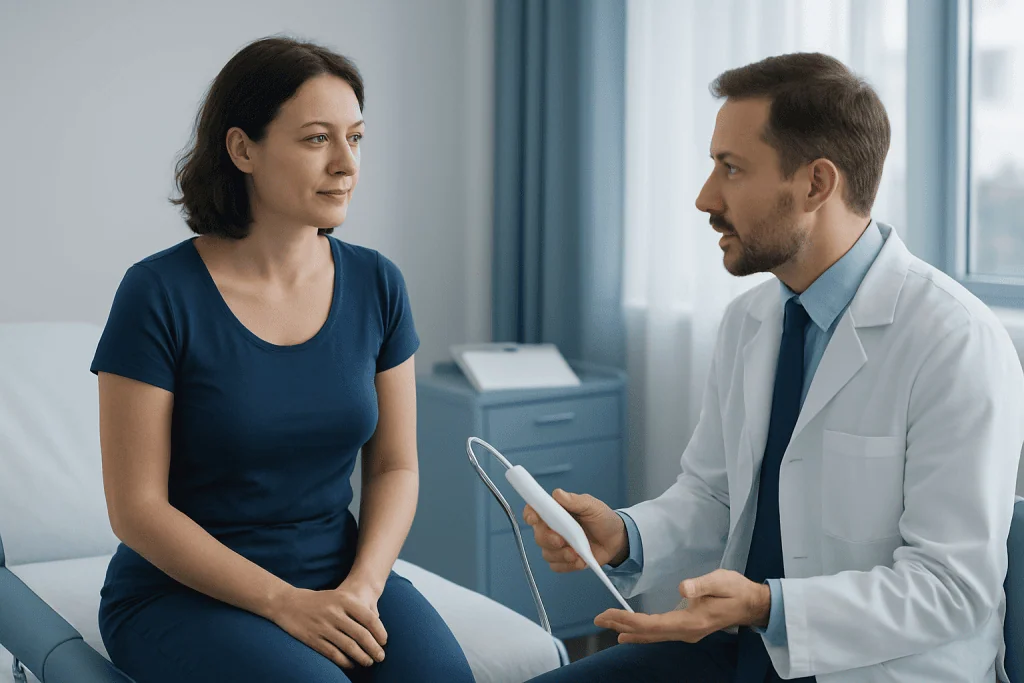
Laser lipolysis is designed to improve small, stubborn fat deposits rather than produce major weight loss. A thin laser fiber is placed through small skin openings, usually with local anesthesia and sometimes sedation.
Key Takeaways
- Laser lipolysis is designed to improve small, stubborn fat deposits rather than produce major weight loss.
- A thin laser fiber is placed through small skin openings, usually with local anesthesia and sometimes sedation.
- Swelling, bruising, tenderness and temporary numbness are common during early recovery.
- Contour changes may begin to appear within weeks, while final results can take several months.
- A qualified clinician should assess medical history, skin elasticity and realistic treatment goals before the procedure.
Laser lipolysis is a minimally invasive procedure that uses laser energy beneath the skin to break down localized fat and support body contouring. It is not a weight-loss treatment, and the most suitable approach depends on a person’s health, skin quality, treatment area and expectations.
What Is Laser Lipolysis?
Laser lipolysis is a minimally invasive cosmetic procedure used to reduce small, localized areas of fat and improve body contour. During treatment, a clinician inserts a very fine laser fiber beneath the skin through a small opening. The laser energy heats fat cells so they break down, and it may also heat deeper skin tissues in a way that can support some skin tightening.
The liquefied fat may be gently removed with suction, depending on the technique and the amount of fat treated. In some cases, the body gradually clears part of the disrupted fat through its natural processes. Laser lipolysis is sometimes described as laser-assisted liposuction, but the exact method, device and use of suction can differ between clinics and treatment plans.
This procedure is intended for body shaping, not for treating obesity or replacing healthy eating, physical activity or medically supervised weight management. It is generally considered when a person is near a stable weight but has fat deposits that have not responded as hoped to lifestyle measures.
Areas It Can Treat and Who May Be a Candidate
Laser lipolysis may be used on relatively small areas of unwanted fat. Common treatment areas include the abdomen, flanks, thighs, upper arms, back, under the chin and the area around the knees. The best area for treatment depends on fat thickness, skin elasticity, body proportions and the person’s desired change.
Suitable candidates are usually adults in good general health who have a stable weight and realistic expectations. Skin with good elasticity may adapt more smoothly after fat reduction. People with significant skin laxity may need a different approach, because laser lipolysis cannot reliably remove excess loose skin.
A consultation should include discussion of medical conditions, previous procedures, current medications, supplements, smoking or nicotine use, allergies and any history of poor wound healing or abnormal scarring. Pregnancy, breastfeeding, active skin infection and certain medical conditions may mean treatment should be postponed or avoided. For larger-volume fat removal, a clinician may discuss liposuction or other body-contouring options instead.
How the Procedure Is Performed
Before laser lipolysis, the treatment area is marked while the person is standing so the clinician can plan the contour carefully. The procedure is often performed with local anesthetic fluid placed into the fatty tissue. Some people may also receive sedation, depending on the planned treatment, their health and the facility’s protocols.
After the skin is cleaned, the clinician makes very small incisions and passes a narrow cannula containing a laser fiber into the fat layer. Controlled laser energy is delivered as the fiber moves through the target area. This process disrupts fat cells and helps coagulate small blood vessels, which may limit bleeding and bruising in some cases.
Once treatment is complete, the broken-down fat may be aspirated through a cannula, or the clinician may leave a limited amount for the body to process naturally. Small openings may be closed or left to drain briefly, depending on the technique. The procedure is typically outpatient, so most people go home the same day with written aftercare instructions.
Recovery: What to Expect After Laser Lipolysis
Recovery varies according to the body area treated, the amount of fat addressed, whether suction was used and individual healing. Mild to moderate swelling, bruising, firmness, soreness and temporary changes in sensation are common. These effects usually improve over time, although swelling may persist longer than people expect.
A compression garment is commonly recommended to reduce swelling and support the treated area while it heals. The care team will explain how long to wear it, how to care for incision sites and when bathing is appropriate. Short, gentle walks are often encouraged soon after treatment to support circulation, while strenuous exercise and heavy lifting may need to wait until the clinician says it is safe.
Most people can resume light daily activities within a few days, but returning to work and exercise depends on comfort and the extent of the procedure. Follow-up appointments are important because the clinician can monitor healing, review contour changes and address concerns such as uneven firmness, prolonged swelling or incision healing.
- Take prescribed or recommended medicines only as directed.
- Keep incisions clean and follow dressing instructions carefully.
- Avoid smoking and nicotine products, which can impair healing.
- Contact the care team if recovery symptoms are worsening rather than gradually improving.
Results, Longevity and Realistic Expectations
Early changes may be visible once initial swelling settles, but results develop gradually. It can take weeks for the treated area to look more defined and several months for swelling to resolve more fully. Healing is individual, so comparing progress day by day is usually not helpful.
Fat cells removed or destroyed by a contouring procedure do not typically return in the same way. However, remaining fat cells can enlarge with weight gain, and changes in weight, aging, pregnancy and skin elasticity can affect the long-term appearance of the treated area. Maintaining a stable weight, balanced diet and regular physical activity helps preserve results.
Laser lipolysis can improve a localized contour concern, but it cannot guarantee symmetry or a specific body shape. It also does not treat cellulite reliably, eliminate all loose skin or improve general health markers associated with excess weight. A careful pre-procedure conversation about achievable outcomes is an essential part of informed consent.
Benefits, Limitations and Possible Risks
Compared with more extensive surgery, laser lipolysis uses small access points and may involve less tissue disruption in selected cases. Some people value the possibility of local anesthesia, relatively short downtime and treatment of smaller, difficult-to-target areas. The heat produced by the laser may offer a modest skin-tightening effect for some patients, though this is variable and should not be assumed.
Like all invasive procedures, laser lipolysis has potential risks. These include infection, bleeding, fluid accumulation, burns, scarring, changes in skin sensation, delayed healing, irregular contours, asymmetry and dissatisfaction with the cosmetic result. Rarely, complications may require further medical treatment or revision surgery.
Safety depends on appropriate patient selection, sterile technique, careful control of laser energy and experienced clinical oversight. People should ask who will perform the procedure, what anesthesia will be used, what aftercare is provided and how potential complications are managed. A consultation is also a good time to discuss non-surgical options if surgery is not the right fit.
Preparing for Treatment and Supporting Healing
Preparation begins with a thorough medical assessment and an open discussion of goals. The clinician may recommend blood tests or other evaluations based on medical history and the planned procedure. It is important to provide a complete list of prescription medicines, over-the-counter medicines and herbal products, since some can affect bleeding, anesthesia or recovery.
People should follow individualized instructions about eating and drinking before the procedure, arranging transportation home and having support available if needed. Stopping smoking and nicotine use well in advance is often advised because nicotine can reduce blood flow and slow healing. Medicines should never be stopped without advice from the prescribing clinician.
After treatment, hydration, balanced meals, adequate rest and gradual return to movement can support general recovery. Massage, lymphatic drainage or additional treatments should only be used if recommended by the treating clinician. At Acibadem International, multidisciplinary specialists in JCI-accredited hospitals assess and treat international patients seeking body-contouring procedures, with care plans based on individual clinical needs.
When to Seek Medical Care
It is important to follow the treating team’s instructions and attend planned follow-up appointments. Mild discomfort, bruising and swelling can be expected, but symptoms should generally become more manageable with time. If there is uncertainty about whether a symptom is normal, contacting the clinic is the safest approach.
Prompt medical advice is needed for increasing redness or warmth around an incision, fever, worsening pain, pus-like drainage, significant bleeding, rapidly increasing swelling or a persistent fluid collection. These symptoms may indicate an infection, bleeding issue or another complication that needs assessment.
Emergency care is needed for chest pain, trouble breathing, fainting, sudden confusion or swelling and pain in one leg. Although serious complications are uncommon, these symptoms should not be managed at home. Anyone considering laser lipolysis should seek an assessment from a qualified medical professional rather than relying on online images or promotional claims.
Frequently asked questions
Is laser lipolysis the same as liposuction?
Laser lipolysis is a form of minimally invasive fat reduction that uses laser energy beneath the skin. It may include suction removal of fat, so it can overlap with laser-assisted liposuction. Traditional liposuction usually relies on a cannula and suction without laser energy.
Is laser lipolysis a weight-loss procedure?
No. Laser lipolysis is intended to contour small areas of localized fat rather than cause substantial weight loss. It is generally most appropriate for people who are close to a stable weight and want improvement in a specific area.
How long does laser lipolysis recovery take?
Many people return to light activities within several days, but recovery differs by treatment area and the amount of work performed. Bruising and swelling can last for weeks, and full contour settling may take several months. The treating clinician should provide individualized guidance about work, exercise and compression garments.
Does laser lipolysis tighten loose skin?
The heat from laser energy may encourage some skin contraction in selected people, particularly when skin elasticity is already reasonably good. However, it cannot reliably correct substantial loose or hanging skin. A clinician can explain whether another procedure may be more suitable for this concern.
Are laser lipolysis results permanent?
The fat cells treated are generally reduced permanently, but the body can still store fat in remaining cells. Weight gain, aging and changes in skin elasticity can alter the appearance of the area over time. Healthy habits and stable weight help maintain the result.
Is laser lipolysis painful?
Local anesthesia is commonly used, so pain during the procedure is usually minimized. During recovery, tenderness, tightness and soreness are common and can often be managed with the care plan recommended by the clinician. Pain that becomes severe or steadily worsens should be reviewed promptly.
This article is for general information only and is not a substitute for professional medical advice. Please consult a qualified doctor about your individual situation.
Explore treatments in Turkey — costs, top hospitals & a free quote
JCI-accredited · board-certified surgeons · reply within 24h
Add us as a Preferred Source to see more of our trusted health content across Google Search, AI Overviews and Discover.

More from the Health Library

Exfoliate — Explained by Medical Evidence, Not Myths

Pigeon Toed: A Complete Medical Overview

Mucus Plug — Explained by Medical Evidence, Not Myths
69kg: Symptoms, Causes, and Treatment — Complete Patient Guide

Xylitol Toothpaste: An Evidence-Based Guide for Patients