How Long Does Alcohol Stay in Your System? Causes, Explanations, and Next Steps

Alcohol is usually broken down at a steady rate, but no method can safely speed this process up. Blood, breath, urine, saliva, and hair tests can detect alcohol for different lengths of time.
Key Takeaways
- Alcohol is usually broken down at a steady rate, but no method can safely speed this process up.
- Blood, breath, urine, saliva, and hair tests can detect alcohol for different lengths of time.
- The amount consumed, timing, sex, body size, food intake, medicines, and liver health all influence detection time.
- Mild after-effects are common, but confusion, vomiting, breathing problems, seizures, or inability to wake someone are medical emergencies.
- A doctor may use a history, physical examination, and lab tests to assess alcohol exposure or possible alcohol-related harm.
How long alcohol stays in the body depends on how much was consumed, how quickly it was consumed, a person’s body and liver function, and the type of test used. In many cases the immediate effects wear off within hours, but alcohol and its breakdown products can still be detected for longer.
Overview: how long alcohol stays in the body
For many people, the question how long does alcohol stay in your system comes up after a social event, before a medical test, or when someone still feels unwell the next day. In most situations, alcohol is cleared gradually over several hours, while some tests can detect it for 1 to 3 days or even longer depending on what the test measures. The answer is not the same for everyone.
Alcohol leaves the body mainly through the liver, where it is broken down step by step. A small amount also leaves through breath, sweat, and urine. Because the body processes alcohol at a fairly fixed pace, drinking coffee, taking a shower, sleeping for a short time, or exercising does not make alcohol disappear quickly.
It is also important to separate feeling sober from being alcohol-free. A person may feel more alert while still having alcohol in the blood or still testing positive on breath, urine, or saliva testing. This is one reason driving, operating machinery, or making important decisions too soon after drinking can still be unsafe.
Typical detection windows by test type
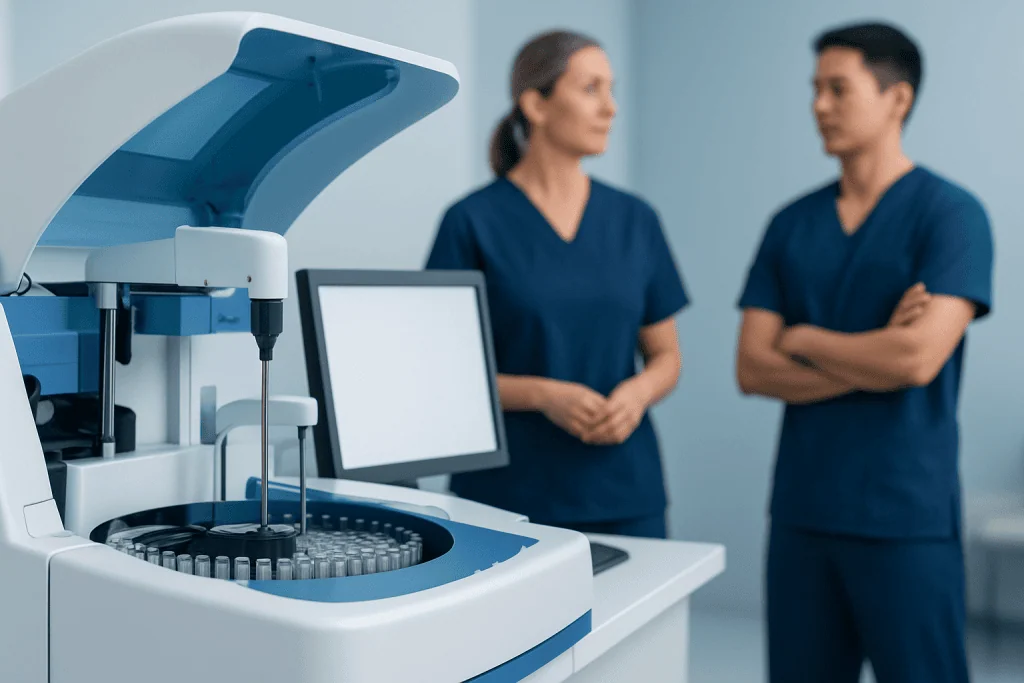
Different tests look for alcohol itself or for byproducts created after the body breaks it down. Because of this, detection windows vary. In general, breath and blood tests are best for recent drinking, while urine and hair testing can sometimes show exposure over a longer period.
Common detection windows include:
- Blood: often up to about 12 hours, sometimes longer after heavy drinking.
- Breath: usually about 12 to 24 hours, depending on the amount consumed and the device used.
- Urine: often 12 to 24 hours for alcohol itself, but longer when specialized tests look for metabolites such as ethyl glucuronide.
- Saliva: commonly up to 12 to 24 hours.
- Hair: may show patterns of alcohol exposure over much longer periods, though it is not used to assess immediate intoxication.
These are broad estimates rather than guarantees. Drinking heavily, drinking over many hours, or having slower metabolism can lengthen detection time. A test result also depends on the timing of the sample and the sensitivity of the method used.
When the concern is not only recent alcohol exposure but also possible harm from repeated use, a doctor may evaluate for related problems such as fatty liver disease or discuss support for alcohol addiction if alcohol use is becoming difficult to control.
What affects how long alcohol stays in your system?

The biggest factor is how much alcohol a person drinks and how quickly it is consumed. Drinking several beverages in a short time raises blood alcohol levels more quickly and gives the liver more to process. Binge drinking can therefore prolong both impairment and detection.
Other factors also matter. These include body size, biological sex, age, whether food was eaten before or during drinking, hydration status, and whether other medications or substances were used at the same time. Some medicines can increase drowsiness or affect how alcohol feels, even if they do not change the actual speed of alcohol metabolism very much.
Liver health is especially important because the liver does most of the work of processing alcohol. People with liver disease or other metabolic conditions may clear alcohol more slowly. If there are concerns about liver-related symptoms, doctors may recommend evaluation and tests, and in some cases liver function tests can help assess whether alcohol may be affecting liver health.
Sleep, cold showers, caffeine, and home remedies do not reliably remove alcohol faster. They may change how awake a person feels, but they do not reverse intoxication or make it safe to drive sooner.
Symptoms, after-effects, and what is considered normal
While alcohol is still in the system, common short-term effects can include slowed reaction time, reduced coordination, slurred speech, sleepiness, nausea, headache, flushing, and poor concentration. These effects often improve as the body processes alcohol, but the exact timing varies from person to person.
Some people also experience next-day symptoms such as thirst, fatigue, sensitivity to light or sound, upset stomach, shakiness, low mood, and difficulty focusing. These symptoms can happen even after alcohol levels in blood have dropped significantly. They are often related to dehydration, sleep disruption, irritation of the stomach, and the body’s response to alcohol breakdown products.
Even when symptoms seem mild, a person may still be impaired. Driving or returning to safety-sensitive work too soon can be risky. If someone drinks often and begins having tremor, sweating, anxiety, trouble sleeping, or nausea when not drinking, a clinician may consider whether these are signs of alcohol withdrawal rather than a simple hangover.
When to seek medical care
Alcohol exposure is often self-limited, but some situations need prompt medical attention. Emergency care is important if a person cannot be woken, has slow or irregular breathing, repeated vomiting, blue lips, severe confusion, seizures, collapses, or may have a head injury. These signs can suggest alcohol poisoning or another serious problem happening at the same time.
Medical review is also wise if symptoms seem out of proportion to the amount consumed, if alcohol may have been combined with sedatives, opioids, or other drugs, or if there is chest pain, severe abdominal pain, black stools, or signs of dehydration that are not improving. Pregnant people, older adults, and people with liver disease, diabetes, seizure disorders, or chronic medical conditions may need earlier assessment.
If a person repeatedly loses control over drinking, has withdrawal symptoms, or alcohol use is affecting work, relationships, mood, or physical health, it is a good idea to speak with a doctor. Timely support can help prevent complications and connect the person with appropriate care.
How doctors evaluate alcohol exposure or alcohol-related problems
When someone seeks medical advice, the first step is usually a careful history. The doctor may ask what type of alcohol was consumed, how much, over what period, whether food was eaten, what medications are taken, and whether there are symptoms such as vomiting, abdominal pain, blackouts, falls, or withdrawal signs. This helps distinguish a temporary episode from a longer-term health concern.
A physical examination may check mental status, balance, breathing, pulse, blood pressure, temperature, hydration, and signs of injury or liver disease. If intoxication is severe or another condition is possible, the doctor may order blood alcohol testing, glucose testing, electrolyte tests, or liver-related blood work. In some situations, blood tests are used to look for dehydration, infection, metabolic problems, or organ stress.
If there are ongoing symptoms such as upper abdominal pain, persistent vomiting, or concern about liver or pancreas irritation, further evaluation may be needed. Some people benefit from imaging such as abdominal ultrasound to assess the liver, gallbladder, or other abdominal organs, depending on the clinical picture.
For people with repeated heavy drinking or suspected alcohol use disorder, the goal of evaluation is not judgment. It is to understand the pattern of use, identify medical complications, and make a safe plan for treatment, withdrawal management if needed, and follow-up support.
What to do next: treatment, recovery, and self-care
The only reliable way to clear alcohol is time. If a person has been drinking, the safest immediate steps are to stop drinking, avoid driving, rest in a safe place, and sip water if able. Eating may help with comfort if there is nausea or shakiness, but it does not instantly lower blood alcohol levels.
For mild next-day symptoms, self-care can include hydration, bland foods as tolerated, and rest. It is wise to avoid taking extra medicines without advice, especially if they can irritate the stomach, affect the liver, or increase drowsiness. If symptoms are severe, prolonged, or unusual, medical review is safer than trying to manage everything at home.
People who drink heavily on a regular basis should not stop suddenly without guidance if they have previously had withdrawal symptoms, seizures, or severe shaking. Withdrawal can be dangerous and may require supervised treatment. Depending on the person’s needs, care may include monitoring, fluids, symptom control, counseling, and longer-term support for reducing or stopping alcohol use.
Near the end of the care journey, some people benefit from a multidisciplinary plan that includes internal medicine, gastroenterology, mental health, and addiction specialists. Acibadem International’s multidisciplinary specialists and JCI-accredited hospitals diagnose and treat alcohol-related conditions for international patients when further evaluation is needed.
Prevention and practical ways to lower risk
Planning ahead can reduce the chance of overdrinking and the uncertainty that follows. Helpful steps include eating before drinking, alternating alcoholic drinks with water, avoiding drinking games or rapid rounds, and setting a limit before the event begins. It is also sensible to arrange transport in advance rather than deciding later whether enough time has passed.
Reading labels and understanding standard drink sizes can help people estimate intake more accurately. Mixed drinks may contain more alcohol than expected, and pours at home or in social settings are often larger than one standard drink. Drinking on an empty stomach can also make alcohol effects appear faster.
If alcohol often leads to blackouts, injuries, conflict, anxiety, missed responsibilities, or a need to drink more to get the same effect, those are important signs to discuss with a healthcare professional. Early support can improve health, sleep, mood, and safety. For people with existing liver or digestive symptoms, a clinician may recommend further evaluation and tailored advice.
Frequently asked questions
How long does alcohol stay in your blood?
Alcohol is often detectable in blood for up to about 12 hours, though this can be longer after heavy drinking. The exact time depends on how much was consumed, how quickly it was consumed, and individual metabolism.
How long does alcohol stay in urine?
Alcohol itself is usually found in urine for about 12 to 24 hours. Some specialized urine tests look for alcohol metabolites and may detect exposure for longer than standard testing.
Can drinking water, coffee, or exercise sober a person up faster?
No. Water, coffee, showers, fresh air, and exercise may change how a person feels, but they do not remove alcohol from the body quickly. Time is the main factor that lowers alcohol levels.
Why do some people feel sober even when alcohol is still in their system?
Feeling more awake is not the same as being alcohol-free. Reaction time, judgment, and coordination can still be impaired even when a person thinks they are functioning normally.
When should someone worry after drinking alcohol?
Emergency help is needed for trouble waking up, slow breathing, seizures, repeated vomiting, severe confusion, or suspected injury. A doctor should also be consulted if symptoms are severe, unusual, or happen regularly after drinking.
Can a doctor test whether alcohol has affected the liver or other organs?
Yes. A doctor may use a history, physical examination, and blood tests to look for liver stress, dehydration, glucose problems, or other complications. If needed, imaging or referral to a specialist may also be recommended.
References
- National Institute on Alcohol Abuse and Alcoholism
- Centers for Disease Control and Prevention
- Substance Abuse and Mental Health Services Administration
- Mayo Clinic
- Merck Manual Consumer Version
This article is for general information only and is not a substitute for professional medical advice. Please consult a qualified doctor about your individual situation.
Explore treatments in Turkey — costs, top hospitals & a free quote
JCI-accredited · board-certified surgeons · reply within 24h
Add us as a Preferred Source to see more of our trusted health content across Google Search, AI Overviews and Discover.