How Long Does Digestion Take? A Step-by-Step Guide From Stomach to Colon

Digestion usually takes about 24 to 72 hours from eating to passing stool. The stomach often empties in a few hours, while the colon takes much longer.
Key Takeaways
- Digestion usually takes about 24 to 72 hours from eating to passing stool.
- The stomach often empties in a few hours, while the colon takes much longer.
- Meal size, fiber, fluids, movement, medications, and medical conditions can all affect digestion time.
- Normal digestion can vary from person to person without meaning there is a problem.
- Persistent symptoms such as pain, vomiting, bleeding, or major changes in bowel habits should be assessed by a doctor.
Digestion is a step-by-step process that begins in the mouth and continues through the stomach, small intestine, and colon. For most people, the full journey takes about one to three days, although timing varies with diet, hydration, activity, age, and digestive health.
Overview: How long digestion usually takes
Many people wonder how long digestion takes after a meal. In general, food moves through the digestive tract over about 24 to 72 hours. This is a broad range because digestion is not a single event. It is a coordinated process involving chewing, stomach emptying, nutrient absorption in the small intestine, and water absorption and stool formation in the colon.
Some parts of digestion happen quickly, while others take much longer. The stomach may process and release a meal within a few hours, but the colon can hold material for a day or more before it leaves the body. The type of food eaten also matters. A lighter meal may move along faster than a large, fatty meal, and fiber-rich foods can change the speed and consistency of stool.
It is also important to distinguish between feeling full and completing digestion. A person may stop feeling full a few hours after eating, but the digestive system is still working. Normal timing varies from one person to another, so a slightly faster or slower pattern is not necessarily a sign of illness.
Step by step: From mouth to colon
Digestion begins in the mouth. Chewing breaks food into smaller pieces, and saliva starts the chemical breakdown of carbohydrates. Swallowing then moves food down the esophagus into the stomach through a series of muscle contractions called peristalsis.
In the stomach, food mixes with acid and digestive enzymes. The stomach turns the meal into a semi-liquid mixture and slowly releases it into the small intestine. This stage often takes around 2 to 5 hours, although it can be longer after large or high-fat meals.
The small intestine is where most digestion and nutrient absorption happen. Enzymes from the pancreas and bile from the liver help break down fats, proteins, and carbohydrates. Food can spend roughly 2 to 6 hours here, depending on the meal and the individual.
After that, the remaining material enters the colon, also called the large intestine. Here, water and electrolytes are absorbed, gut bacteria help process what is left, and stool gradually forms. This final stage often takes the longest, commonly 12 to 48 hours or more. In this way, the full trip from eating to bowel movement usually falls within the 24- to 72-hour range.
What affects digestion time?

Several everyday factors can change how quickly food moves through the digestive system. Meal size is one of the most important. Larger meals generally take longer to leave the stomach than smaller ones. Meals high in fat may also slow stomach emptying because fat naturally takes longer to digest.
Fiber and hydration also play a major role. Soluble and insoluble fiber support healthy bowel function, while not drinking enough fluids can contribute to harder stools and slower movement through the colon. Physical activity matters too. Regular movement can support normal intestinal motility, while long periods of inactivity may slow it down.
Age, stress, sleep habits, and daily routine can influence digestion as well. In some people, emotional stress can cause the gut to move faster or slower than usual. Hormonal changes, travel, and changes in diet may also affect bowel patterns for a short time.
Medications and medical conditions are another important factor. Some pain medicines, iron supplements, and other drugs can slow bowel movements. Conditions such as constipation, irritable bowel syndrome, diabetes-related nerve changes, or thyroid problems may affect transit time. Ongoing symptoms should be evaluated by a qualified doctor rather than assumed to be normal variation.
What is considered normal?
Normal digestion does not look exactly the same for everyone. Some people have a bowel movement once or twice a day, while others may go every other day and still be healthy. Frequency alone does not define a problem. What matters more is a person’s usual pattern and whether there has been a clear, lasting change.
Stool form can also offer clues. Healthy stool is often soft, formed, and easy to pass. Very hard stools may suggest slow movement or low fluid intake, while frequent loose stools may suggest faster transit, infection, food intolerance, or another digestive issue.
Temporary changes can happen after travel, illness, diet shifts, stress, or changes in routine. For example, eating less fiber than usual or not drinking enough water may slow the bowel. On the other hand, some people notice looser stools after caffeine, spicy meals, or anxiety. These changes are often short-lived.
If symptoms are persistent, severe, or disruptive, they may need further attention. Bloating, abdominal pain, nausea, reflux, or ongoing diarrhea can overlap with other digestive conditions, including gastritis or food-related sensitivities. A doctor can help determine whether digestion time is within a healthy range or whether testing is needed.
Signs of slow or fast digestion
Slow digestion may cause a feeling of prolonged fullness, bloating, constipation, abdominal discomfort, or the sense that food is sitting in the stomach for too long. In some cases, people also experience nausea or reduced appetite. These symptoms can happen occasionally after a large meal, but repeated episodes may deserve medical review.
Fast digestion or rapid transit may be felt as urgent bowel movements, loose stools, cramping, or seeing undigested food in the stool from time to time. This can occur after certain foods, infections, or stress. Sometimes it is related to conditions affecting the intestines rather than the stomach.
Digestive symptoms are common and often manageable, but they should be interpreted carefully. Feeling bloated after one heavy meal is different from ongoing pain, frequent vomiting, unintended weight loss, or blood in the stool. These warning signs are not explained by normal variation in digestion time alone.
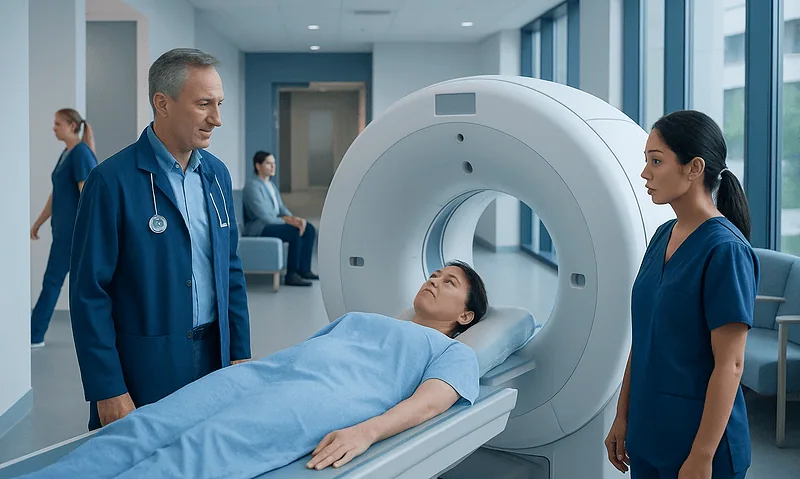
When symptoms continue, doctors may investigate how the stomach and intestines are functioning and look for problems such as inflammation, reflux, ulcers, gallbladder disease, or bowel disorders. Evaluation may include blood tests, stool tests, imaging, or procedures such as endoscopy or colonoscopy when appropriate.
How doctors assess digestion problems
Diagnosis starts with a medical history. A doctor will usually ask about symptoms, bowel habits, recent dietary changes, medications, stress, medical conditions, and any alarm features such as bleeding or weight loss. A physical examination can help identify tenderness, dehydration, or other clues.
Basic testing may include blood work or stool tests, especially if symptoms suggest infection, inflammation, anemia, or malabsorption. Depending on the pattern of symptoms, imaging studies or specialized tests for gastric emptying or intestinal transit may also be considered.
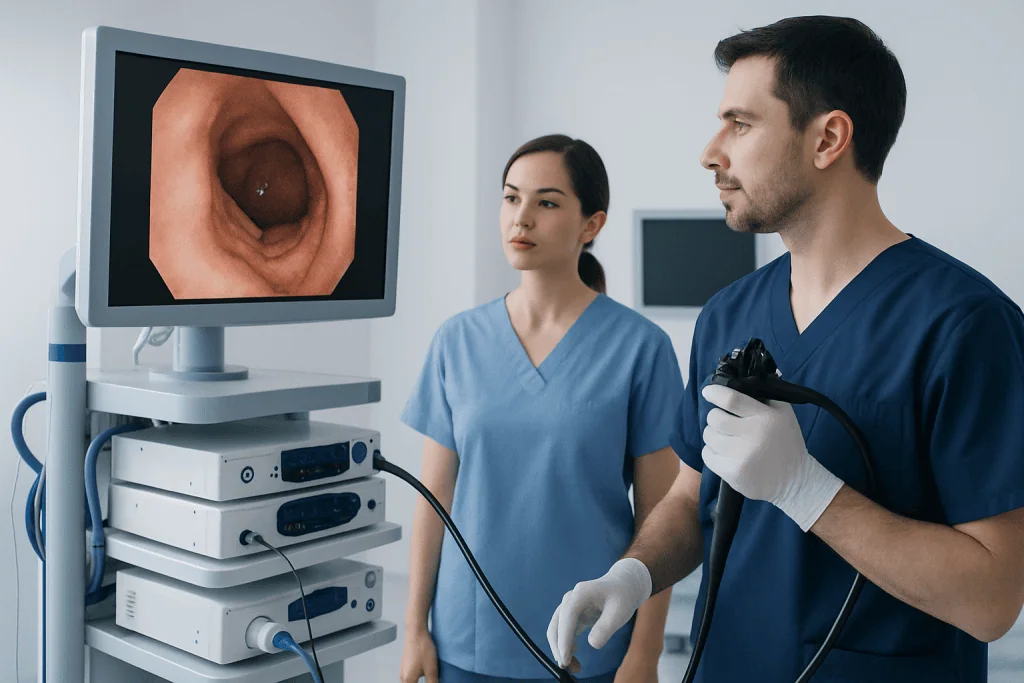
If symptoms point to the upper digestive tract, procedures such as gastroscopy can help evaluate the esophagus, stomach, and first part of the small intestine. If symptoms involve the colon or a change in bowel habits, a doctor may recommend lower bowel evaluation. The goal is not just to measure speed, but to understand why digestion feels abnormal.
For international patients who need further assessment, Acibadem International offers multidisciplinary digestive care in JCI-accredited hospitals, where specialists diagnose and treat a wide range of gastrointestinal concerns.
Supporting healthy digestion: Prevention and self-care
Healthy digestion is often supported by consistent daily habits. Eating regular meals, chewing food well, and giving the body time to digest before lying down may help reduce discomfort. Many people also feel better when they avoid overly large meals and pay attention to foods that seem to trigger bloating or reflux.
Fluids and fiber are especially important for bowel regularity. Fruits, vegetables, legumes, and whole grains can help add bulk and support easier passage of stool, while adequate hydration helps the colon do its job. It is usually best to increase fiber gradually to avoid extra gas or cramping.
Regular movement can also help. Walking and other routine physical activity may support intestinal motility and reduce constipation. Good sleep habits and stress management may benefit the gut as well, since the digestive system and nervous system are closely connected.
Self-care is helpful, but it has limits. Laxatives, antidiarrheal medicines, acid-suppressing medicines, and supplements should be used thoughtfully and ideally with professional advice if symptoms are ongoing. If a person suspects a food intolerance or chronic digestive problem, a doctor or dietitian can provide more reliable guidance than self-diagnosis alone.
When to see a doctor
It is reasonable to seek medical advice if digestion seems persistently too slow or too fast, or if bowel habits change without a clear explanation. Symptoms that last for more than a few weeks, repeatedly interrupt daily life, or do not improve with simple measures should be discussed with a healthcare professional.
Prompt medical attention is especially important for warning signs such as severe abdominal pain, repeated vomiting, black stools, visible blood in the stool, unexplained weight loss, trouble swallowing, fever, or signs of dehydration. These symptoms may indicate a condition that needs timely treatment.
People with known digestive diseases, older adults, and those taking medications that affect the gut may also benefit from earlier evaluation. A doctor can help determine whether symptoms reflect normal variation, a functional digestive issue, or another medical condition needing care.
Frequently asked questions
How long does digestion take after eating?
For most people, the full digestive process takes about 24 to 72 hours. The stomach handles food within hours, but the colon often takes much longer to form and pass stool.
How long does food stay in the stomach?
Food often stays in the stomach for about 2 to 5 hours, depending on the size and composition of the meal. Fatty or large meals usually empty more slowly than lighter meals.
What part of digestion takes the longest?
The colon usually takes the longest part of the journey. This is where water is absorbed and stool forms, and that process may take 12 to 48 hours or sometimes longer.
Does drinking water help digestion go faster?
Water supports healthy digestion, especially by helping stool stay softer and easier to pass. It does not instantly speed all digestion, but good hydration supports normal bowel function.
Can stress affect digestion time?
Yes, stress can influence how the digestive tract moves. In some people it slows digestion and contributes to bloating or constipation, while in others it may lead to cramping or more frequent bowel movements.
Is it normal not to have a bowel movement every day?
Yes, some healthy people do not have a daily bowel movement. What matters most is whether the pattern is normal for that person and whether there are symptoms such as pain, straining, or a sudden change.
When should someone worry about slow digestion?
A person should seek medical advice if slow digestion comes with persistent pain, vomiting, weight loss, blood in the stool, or a major change in bowel habits. Ongoing bloating, constipation, or prolonged fullness should also be assessed if simple lifestyle changes do not help.
References
- National Institute of Diabetes and Digestive and Kidney Diseases
- National Health Service
- American College of Gastroenterology
- Mayo Clinic
- Cleveland Clinic
This article is for general information only and is not a substitute for professional medical advice. Please consult a qualified doctor about your individual situation.
Persistent digestive symptoms? Get evaluated in Turkey
JCI-accredited · board-certified surgeons · reply within 24h
Add us as a Preferred Source to see more of our trusted health content across Google Search, AI Overviews and Discover.