How Long Does Diverticulitis Last? A Doctor-Reviewed Answer

Many uncomplicated diverticulitis episodes improve within 2 to 3 days and resolve within about 1 to 2 weeks. Complicated diverticulitis, such as cases with an abscess or perforation, can last longer and may require hospitalization or procedures.
Key Takeaways
- Many uncomplicated diverticulitis episodes improve within 2 to 3 days and resolve within about 1 to 2 weeks.
- Complicated diverticulitis, such as cases with an abscess or perforation, can last longer and may require hospitalization or procedures.
- Severe or persistent pain, fever, vomiting, or trouble passing stool or gas should be medically assessed promptly.
- Doctors usually confirm the diagnosis with a history, physical exam, blood tests, and often a CT scan.
- Recovery also includes gradually returning to normal eating and following medical advice to lower the risk of recurrence.
How long diverticulitis lasts depends on how severe the inflammation is and whether complications are present. Many mild episodes start improving within a few days and settle within one to two weeks, but some cases need antibiotics, hospital care, or a longer recovery.
Overview: How Long Diverticulitis Usually Lasts
For many people, diverticulitis is treatable and does not lead to serious harm, especially when it is recognized early and managed appropriately. In uncomplicated cases, symptoms often begin to ease within 48 to 72 hours, and many people feel much better within about 7 to 10 days. Full recovery can still take one to two weeks, sometimes a little longer depending on age, general health, and how quickly treatment starts.
The timeline is different when diverticulitis is more severe. If there is an abscess, bowel blockage, perforation, or widespread infection, recovery may take several weeks and sometimes involves hospital treatment, drainage procedures, or surgery. This is why the answer to “how long does diverticulitis last” depends not only on the diagnosis itself, but also on whether the episode is uncomplicated or complicated.
It is also common for bowel habits and abdominal comfort to take time to fully normalize after the acute inflammation settles. Some people notice bloating, mild cramping, or irregular stools for a short period during recovery. These symptoms do not always mean the infection or inflammation is worsening, but they should be discussed with a doctor if they are persistent or getting worse.
What Diverticulitis Is and Why Symptoms Can Vary
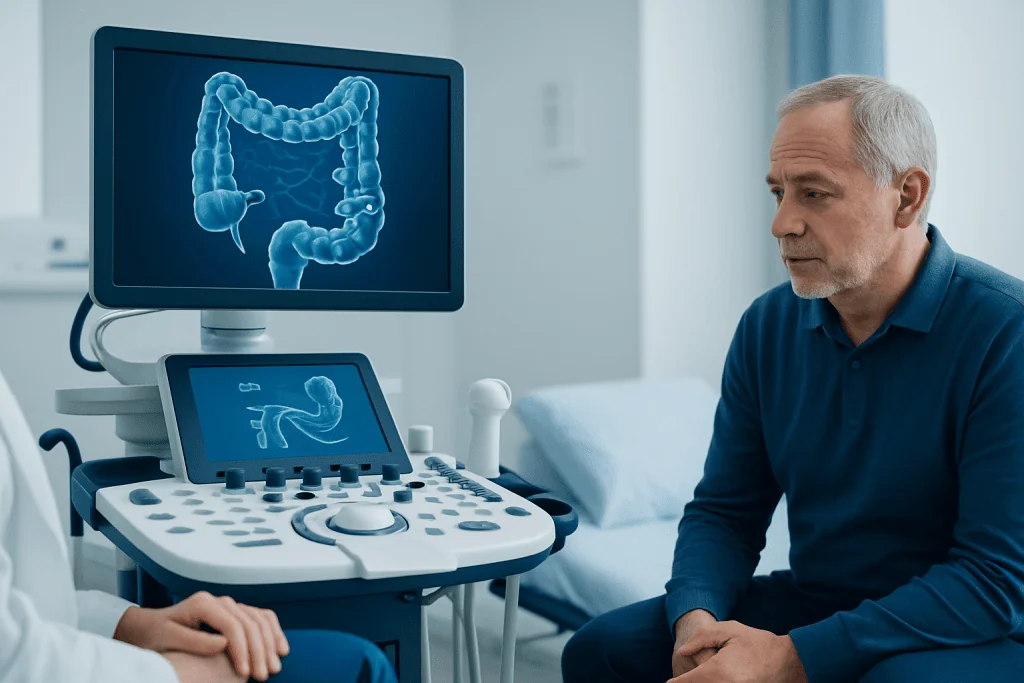
Diverticulitis happens when small pouches in the wall of the colon, called diverticula, become inflamed or infected. These pouches are more common with age and may be present without causing any symptoms. When they do become inflamed, the result can range from a mild flare that settles with rest and medical guidance to a more serious illness needing urgent treatment.
Symptoms vary because inflammation can affect people differently and may involve different parts of the colon. The most common pattern is pain in the lower left side of the abdomen, often with tenderness, fever, and a change in bowel habits such as constipation or diarrhea. Some people mainly notice bloating, loss of appetite, nausea, or a general feeling of being unwell.
It is important to distinguish diverticulitis from diverticulosis. Diverticulosis means the pouches are present but not inflamed, while diverticulitis means active inflammation or infection. Readers wanting background on the condition itself may find diverticulitis and diverticulosis helpful for understanding the difference.
Typical Recovery Timeline by Severity
In mild, uncomplicated diverticulitis, a doctor may recommend rest, fluids, pain relief, and sometimes antibiotics, depending on the clinical situation. When treatment is effective, pain and fever often begin improving within a few days. Many people can gradually return to normal activities over the following week, although tiredness may last a bit longer.
For moderate cases, especially when pain is more intense or eating and drinking are difficult, recovery may take one to several weeks. A person may need closer monitoring, intravenous fluids, or a temporary change in diet while the colon settles. If symptoms are not improving as expected, doctors may reassess the diagnosis or look for complications.
Complicated diverticulitis usually lasts longer. Examples include an abscess, a small hole in the bowel wall, a fistula, or an intestinal blockage. These situations often require hospital care and may involve gastroenterology assessment, image-guided drainage, or colon surgery when necessary. The recovery period can extend to several weeks, and complete healing may continue even after the person leaves the hospital.
Symptoms That Can Affect How Long It Lasts
Certain symptoms can suggest a longer or more difficult course. High fever, worsening abdominal pain, repeated vomiting, inability to drink enough fluids, or severe weakness may mean the inflammation is more significant. Ongoing constipation, abdominal swelling, or inability to pass gas can also raise concern for a blockage or other complication.
Even when symptoms seem milder, the duration matters. Pain that does not begin to improve after a few days, or symptoms that return soon after seeming to settle, should prompt medical review. Recurrent episodes may indicate ongoing inflammation, another digestive problem, or a need for more detailed follow-up.
Some people worry because recovery is not identical from one flare to the next. That is common. The body’s response, the extent of inflammation, and other health conditions can all influence how long a diverticulitis flare lasts and how quickly normal eating, energy, and bowel function return.
How Doctors Check the Cause and Confirm the Diagnosis
Doctors usually begin with a careful history and physical exam. They ask where the pain is located, how long it has been present, whether there is fever, nausea, vomiting, constipation, diarrhea, or blood in the stool, and whether there have been earlier episodes. They also examine the abdomen to check for tenderness, guarding, swelling, or signs that suggest a more urgent problem.
Blood tests may be used to look for signs of infection or inflammation, and urine testing may help rule out other causes of lower abdominal pain. In many adults, a CT scan of the abdomen and pelvis is one of the most useful tools because it can confirm diverticulitis and show whether there is an abscess, perforation, or another complication. When needed, CT scan and medical evaluation and check-up help guide the next step safely.
A colonoscopy is not usually done during an acute painful flare because the bowel is inflamed. However, it may be recommended later, after recovery, to evaluate the colon and exclude other conditions if appropriate. This step is especially relevant after a first episode or when symptoms have been unusual, persistent, or difficult to explain.
Treatment Options and What Recovery Often Feels Like
Treatment depends on severity rather than following a single standard path for everyone. Mild cases may be managed at home with medical advice, temporary dietary adjustment, hydration, and pain control. Some patients receive antibiotics, while others may not need them if the episode is uncomplicated and they are otherwise well; this decision is individualized by the treating doctor.
If symptoms are more severe, or if the person cannot keep fluids down, hospital care may be needed. Treatment can include intravenous fluids, antibiotics when indicated, bowel rest, and monitoring for complications. If an abscess is found, drainage may be required, and if there is perforation, obstruction, or repeated severe attacks, surgery may be discussed.
During recovery, the person may move gradually from clear fluids to a more regular diet as tolerated, based on medical advice. Energy levels often return more slowly than pain improves, and mild digestive changes can linger for a short time. Near the end of treatment, a brief discussion with a specialist may help reduce the chance of another flare and clarify whether longer-term follow-up is needed. Acibadem International’s multidisciplinary specialists in JCI-accredited hospitals diagnose and treat diverticular disease for international patients when more advanced assessment or treatment is required.
Prevention, Self-care, and When to Seek Medical Care
After recovery, doctors often advise measures that support long-term colon health and may lower the risk of future episodes. These commonly include adequate fluid intake, regular physical activity, and a balanced eating pattern with enough fiber once the acute flare has settled and a doctor says it is appropriate. Some people also benefit from reviewing medicines, bowel habits, and any recurring triggers with their clinician.
Self-care during a flare should stay cautious and practical. Rest, hydration, and following the doctor’s dietary guidance are usually helpful, but persistent or worsening pain should not be treated as routine. It is safer to seek medical advice than to assume symptoms will pass on their own, especially if the diagnosis has never been confirmed before.
Medical care should be sought promptly for severe abdominal pain, fever, repeated vomiting, dizziness, blood in the stool, inability to pass stool or gas, or symptoms that are getting worse rather than better. A person should also contact a doctor if symptoms have not started improving within a few days, if they are elderly, pregnant, immunocompromised, or have other major health conditions, because these situations can increase the risk of complications.
Frequently asked questions
How long does a diverticulitis flare up usually last?
A mild diverticulitis flare often starts improving within 2 to 3 days and may resolve within 1 to 2 weeks. Recovery can take longer if symptoms are severe, if eating and drinking are difficult, or if complications are present.
Can diverticulitis go away on its own?
Some mild cases may settle with supportive care and close medical guidance, but abdominal pain and fever should not be ignored. A doctor should assess whether the episode is uncomplicated or whether treatment such as antibiotics, imaging, or hospital care is needed.
Why do I still feel bloated or tired after the pain improves?
It is common for bowel habits, bloating, and energy levels to take longer to normalize than the sharpest pain. Mild lingering symptoms can happen during healing, but persistent or worsening symptoms should be reviewed by a doctor.
When should someone go to the hospital for diverticulitis?
Urgent medical care is important for severe abdominal pain, high fever, repeated vomiting, faintness, blood in the stool, or inability to pass stool or gas. These symptoms can suggest dehydration, blockage, or a more serious complication that needs prompt evaluation.
Does every case of diverticulitis need antibiotics?
Not always. Some uncomplicated cases may be treated without antibiotics, while others do need them based on symptoms, exam findings, test results, and overall health status. The decision is individualized and should be made by a qualified doctor.
Can diverticulitis come back after it gets better?
Yes, it can recur, although not everyone will have another flare. Follow-up care, attention to diet and bowel habits, and discussing prevention strategies with a doctor can help lower future risk and identify whether more evaluation is needed.
References
- National Institute of Diabetes and Digestive and Kidney Diseases
- American College of Gastroenterology
- National Health Service
- Mayo Clinic
- American Society of Colon and Rectal Surgeons
This article is for general information only and is not a substitute for professional medical advice. Please consult a qualified doctor about your individual situation.
Diverticulitis in Turkey — costs, top hospitals & a free quote
JCI-accredited · board-certified surgeons · reply within 24h
Add us as a Preferred Source to see more of our trusted health content across Google Search, AI Overviews and Discover.

General Surgery
Open, laparoscopic and robotic surgery for a broad range of abdominal and soft-tissue conditions.
120 specialists in this unitMore from the Health Library

Related Specialists

Dr. Jale Dal Ağca
Gynecology & Obstetrics
Dr. Necat Almali
General Surgery
Prof. Dr. Güralp Onur Ceyhan
General Surgery
Dr. R.Şirin Atlığ
Physical Medicine & Rehabilitation