How Long Does It Take for a Tattoo to Heal? A Doctor-Reviewed Answer

Most tattoos look healed on the surface within 2 to 4 weeks. Deeper skin healing often continues for up to 3 months.
Key Takeaways
- Most tattoos look healed on the surface within 2 to 4 weeks.
- Deeper skin healing often continues for up to 3 months.
- Mild redness, peeling, itching, and flaking are common early in healing.
- Worsening pain, spreading redness, pus, fever, or severe swelling should be medically assessed.
- Good aftercare supports healing and lowers the risk of infection or scarring.
Most tattoos heal normally and without complications. In general, the top layer of skin heals in about 2 to 4 weeks, while full healing in deeper skin layers can take 6 to 12 weeks, depending on tattoo size, location, skin type, and aftercare.
Overview: how long tattoo healing usually takes
For most people, the answer to how long does it take for a tattoo to heal is: about 2 to 4 weeks for the surface of the skin, and up to 6 to 12 weeks for deeper layers to fully recover. That means a tattoo may look much better within a few weeks, even though the skin is still repairing itself underneath.
This is usually a normal and harmless part of the healing process. Mild redness, tenderness, flaking, dryness, and itchiness are common in the first days and weeks after getting a tattoo. These changes happen because tattooing creates many tiny breaks in the skin, and the body needs time to restore the skin barrier.
Healing time is not exactly the same for everyone. A small line tattoo may settle faster than a large shaded design, and areas with more friction or movement can take longer. People often worry that a tattoo is healing too slowly when it is still itchy or peeling after two weeks, but this can still fall within a normal range.
What matters most is whether the tattoo is gradually improving. A healthy healing tattoo usually becomes less sore over time. In contrast, increasing pain, spreading redness, foul-smelling discharge, fever, or significant swelling are not typical and should prompt medical review.
What normal tattoo healing looks like
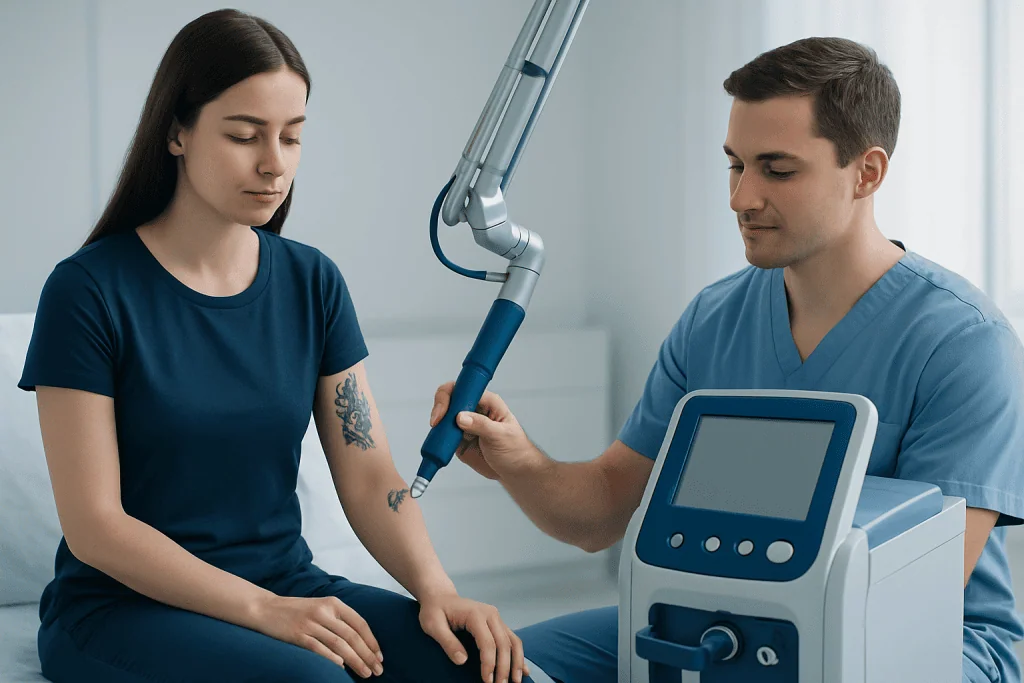
Tattoo healing often happens in stages. In the first few days, the area may feel warm, look red, and ooze a small amount of clear fluid, blood, or excess ink. This can be expected, especially during the first 24 to 72 hours. The skin may also feel similar to a scrape or mild sunburn.
Over the next 1 to 2 weeks, the tattoo commonly begins to dry, peel, and flake. This stage can be uncomfortable, but it is usually a normal sign that the outer skin layer is repairing itself. The tattoo may temporarily look dull or cloudy while old skin sheds and new skin forms underneath.
In the following weeks, most visible peeling stops, and the skin surface becomes smoother. Some people still notice mild dryness, occasional itchiness, or sensitivity for several more weeks. This is one reason a tattoo can appear healed before it is fully healed deeper down.
- Days 1-3: redness, soreness, mild seepage
- Days 4-14: scabbing, peeling, itching, dryness
- Weeks 2-4: outer skin usually closes and settles
- Weeks 6-12: deeper skin recovery continues
Normal healing does not usually mean severe pain or worsening symptoms. If the area becomes more inflamed instead of less inflamed, a doctor may consider irritation, allergy, or infection. Some skin changes can overlap with dermatitis or other inflammatory skin reactions, so persistent symptoms deserve assessment.
What can make a tattoo take longer to heal

Several factors affect tattoo healing time. Larger tattoos and designs with dense color or shading often take longer because they involve more skin trauma. Tattoos on the hands, feet, joints, ribs, or other high-motion areas may also heal more slowly due to friction, stretching, or repeated contact with clothing.
Personal skin factors matter as well. Dry or sensitive skin may become more irritated during healing, while some people are prone to stronger inflammatory reactions. Existing skin conditions such as eczema, psoriasis, or acne in the tattooed area can complicate aftercare and make it harder to tell what is normal healing versus another skin problem.
General health can also play a role. Smoking, poor sleep, dehydration, uncontrolled blood sugar, or medical conditions that affect immunity may slow skin repair. Medicines that influence immune function can have a similar effect. If healing seems unusually slow, a clinician may review broader factors rather than only the tattoo itself.
Aftercare is one of the biggest variables. Overwashing, picking at scabs, heavy sun exposure, swimming too soon, or using irritating skin products can prolong healing and raise the chance of infection. Some people also develop irritation from topical products, including fragrances or antibiotic ointments, which can mimic an infected tattoo.
Red flags: when tattoo healing may not be normal
Most tattoos heal without serious problems, but certain symptoms should not be ignored. The main warning sign is a tattoo that is getting worse instead of better. If pain, redness, swelling, or warmth noticeably increase after the first few days, a medical review is sensible.
Possible signs of infection include spreading redness, thick yellow or green discharge, a bad smell, marked tenderness, fever, chills, or swollen lymph nodes. Red streaks moving away from the tattoo can also be a sign of a skin infection and need prompt attention. In some cases, clinicians may need to distinguish tattoo-related irritation from skin infections.
Not all concerning reactions are infections. Some people develop allergic or inflammatory responses to tattoo pigments, especially red ink but potentially other colors as well. Raised bumps, intense itching, a persistent rash, or swelling that lasts beyond the expected healing period may suggest a reaction rather than routine healing.
Scarring can also happen if the skin is repeatedly traumatized, heavily scratched, or deeply infected. A tattoo that develops thick, raised tissue may need evaluation for abnormal scar formation. If symptoms are severe, prolonged, or uncertain, it is better to ask a qualified doctor than to rely on home advice alone.
How doctors assess a slow-healing or irritated tattoo
When a person seeks medical help for tattoo healing concerns, the doctor usually begins with a careful history and skin examination. They may ask when the tattoo was done, how symptoms have changed over time, what aftercare products were used, and whether there has been swimming, sun exposure, scratching, or contact with irritating substances.
The appearance of the skin often gives important clues. A doctor will look for the pattern of redness, the type of discharge, areas of crusting, and whether swelling is localized or spreading. They may also check for fever, lymph node swelling, or signs that the problem extends beyond the tattoo itself.
If infection is suspected, testing is sometimes needed. This may include a swab or sample of drainage to identify bacteria, especially if symptoms are significant or not improving. In more complex situations, a specialist in dermatology care may help assess allergic, inflammatory, or delayed pigment reactions.
Doctors also think about conditions that can resemble normal tattoo healing. These can include contact dermatitis, eczema flares, bacterial infections, fungal problems, and scarring disorders. If there is concern about deeper soft tissue involvement or a spreading infection, further medical assessment is important and treatment should not be delayed.
Tattoo aftercare and treatment options
Routine tattoo healing usually only needs gentle aftercare. This generally includes keeping the area clean, following the tattoo artist’s instructions, using a simple fragrance-free moisturizer if advised, and avoiding picking, scratching, or rubbing the skin. Sun protection is also important once the skin has closed, because ultraviolet exposure can irritate healing skin and affect tattoo appearance.
If a problem develops, treatment depends on the cause. Mild irritation may improve after stopping a triggering product and simplifying skin care. If a clinician suspects infection, they may recommend medical treatment based on the severity and likely organism. For some reactions, a doctor may advise evaluation by a skin specialist rather than trial-and-error self-treatment at home.
Persistent inflammation, allergy, or cosmetic concerns may sometimes require more specialized care. In selected cases, patients may be assessed for skin and dermatology treatment or, if the tattoo later becomes unwanted or problematic, laser tattoo removal. These decisions should be individualized and guided by an appropriate clinician.
Near the end of the care pathway, some people need multidisciplinary input, especially if there is uncertainty about infection, allergy, or scarring. Acibadem International’s multidisciplinary specialists in JCI-accredited hospitals evaluate and treat skin concerns for international patients when further assessment is needed.
Prevention and self-care during healing
Good aftercare lowers the chance of delayed healing. Hands should be clean before touching the tattoo. The skin should be washed gently, patted dry rather than rubbed, and protected from unnecessary friction. Tight clothing, gym equipment rubbing, and soaking the tattoo in baths, pools, or hot tubs can all interfere with healing.
It is also important to avoid picking at flakes or scabs. Removing them too early can reopen the skin, increase inflammation, and raise the risk of infection or uneven healing. If itching becomes bothersome, a person should avoid scratching and instead ask a pharmacist or doctor about safe, skin-friendly options.
General health habits support skin repair too. Staying hydrated, eating a balanced diet, sleeping well, and avoiding smoking can all help the body heal. If a person has diabetes or another chronic condition, keeping it well managed may reduce complications.
- Use only gentle, fragrance-free products unless a clinician advises otherwise.
- Avoid direct sun exposure on healing skin.
- Do not share towels or let others touch the tattoo with unclean hands.
- Seek advice early if symptoms seem unusual or continue beyond the expected timeframe.
When to seek medical care
Medical care is advisable if a tattoo becomes more painful, more swollen, or more red after the first few days rather than gradually settling. Other reasons to seek prompt review include fever, chills, pus, foul odor, expanding rash, red streaks, or swollen lymph nodes. These can suggest infection or another problem that should be examined by a clinician.
A person should also seek care if healing appears stalled for several weeks, if itching is intense, or if bumps, hives, or persistent rash develop. This is particularly important when symptoms may reflect allergy, dermatitis, or an underlying skin condition rather than routine healing. It is safer to clarify the cause than to continue applying multiple over-the-counter products.
Urgent assessment is especially important for people with weakened immunity, poor circulation, or diabetes, because skin problems can progress more quickly or heal more slowly. Clinicians can determine whether reassurance and aftercare are enough or whether medical treatment is needed.
In short, most tattoos heal with time and simple care. If the tattoo is steadily improving, that is usually reassuring. If symptoms are worsening, prolonged, or unusual, a qualified doctor can confirm the cause and guide the next steps.
Frequently asked questions
How long does it take for a tattoo to heal completely?
Most tattoos heal on the surface in about 2 to 4 weeks. Complete healing of deeper skin layers can take 6 to 12 weeks, so the tattoo may look healed before the skin is fully recovered.
Is peeling normal during tattoo healing?
Yes. Mild peeling and flaking are common during the first 1 to 2 weeks as the outer skin repairs itself. Picking at peeling skin is not recommended because it can irritate the area and delay healing.
Why is my tattoo still itchy after two weeks?
Mild itchiness can still be normal after two weeks, especially if the skin is dry and finishing the surface healing stage. However, severe itchiness, rash, bumps, or worsening redness can suggest irritation or allergy and should be checked.
How can I tell if my tattoo is infected or just healing?
A healing tattoo usually becomes less sore and less red over time. Infection is more likely if symptoms worsen, especially with spreading redness, pus, fever, bad odor, or increasing pain after the first few days.
Can a tattoo take longer than a month to heal?
Yes. The surface may be healed by 2 to 4 weeks, but deeper healing often continues for several more weeks. Larger tattoos, tattoos on high-friction areas, and irritated skin may all take longer to settle.
Should I see a doctor if my tattoo stays red?
Mild early redness can be normal, but redness that persists, spreads, or becomes more intense deserves medical review. A doctor can help determine whether the cause is normal healing, irritation, allergy, or infection.
References
- American Academy of Dermatology
- U.S. Food and Drug Administration
- National Health Service
- Centers for Disease Control and Prevention
This article is for general information only and is not a substitute for professional medical advice. Please consult a qualified doctor about your individual situation.
Explore treatments in Turkey — costs, top hospitals & a free quote
JCI-accredited · board-certified surgeons · reply within 24h
Add us as a Preferred Source to see more of our trusted health content across Google Search, AI Overviews and Discover.