

How Long Does It Take to Be Tan? Causes, Explanations, and Next Steps

A tan from sun exposure often starts within hours and becomes more noticeable over 1 to 3 days. Skin type, UV intensity, duration of exposure, sunscreen use, and genetics all affect tanning speed.
Key Takeaways
- A tan from sun exposure often starts within hours and becomes more noticeable over 1 to 3 days.
- Skin type, UV intensity, duration of exposure, sunscreen use, and genetics all affect tanning speed.
- A tan is the skin’s response to UV injury, so faster tanning does not mean safer tanning.
- Self-tanners work differently from sun tans and usually develop within 4 to 8 hours.
- New, patchy, itchy, painful, or unexplained skin darkening should be checked by a doctor.
How long it takes to be tan depends on the cause. A sun tan can begin within hours and deepen over 24 to 72 hours, while self-tanner develops over several hours; sudden or unusual darkening without sun exposure may need medical review.
Overview: How long does it take to be tan?
For most people, a visible sun tan can begin to appear within a few hours after ultraviolet (UV) exposure and becomes clearer over the next 24 to 72 hours. The exact timing varies from person to person and depends mainly on natural skin tone, how easily the skin burns, the strength of the sun, the time spent outdoors, and whether a self-tanning product is being used instead of sun exposure.
In many cases, tanning is harmless in the short term and simply reflects the skin making more pigment after UV exposure. However, a tan is also a sign that the skin has been exposed to radiation that can damage skin cells. That is why it helps to think about tanning not only as a cosmetic change, but also as a skin response that should be approached carefully.
Most questions about tanning are about timing, but the more important question is often why the skin is darkening. If the color change clearly follows time in the sun or use of a self-tanner, the explanation is usually straightforward. If darkening appears suddenly, is uneven, affects the lips or nails, or comes with itching, pain, or other symptoms, a medical assessment may be appropriate.
What affects the tanning timeline?
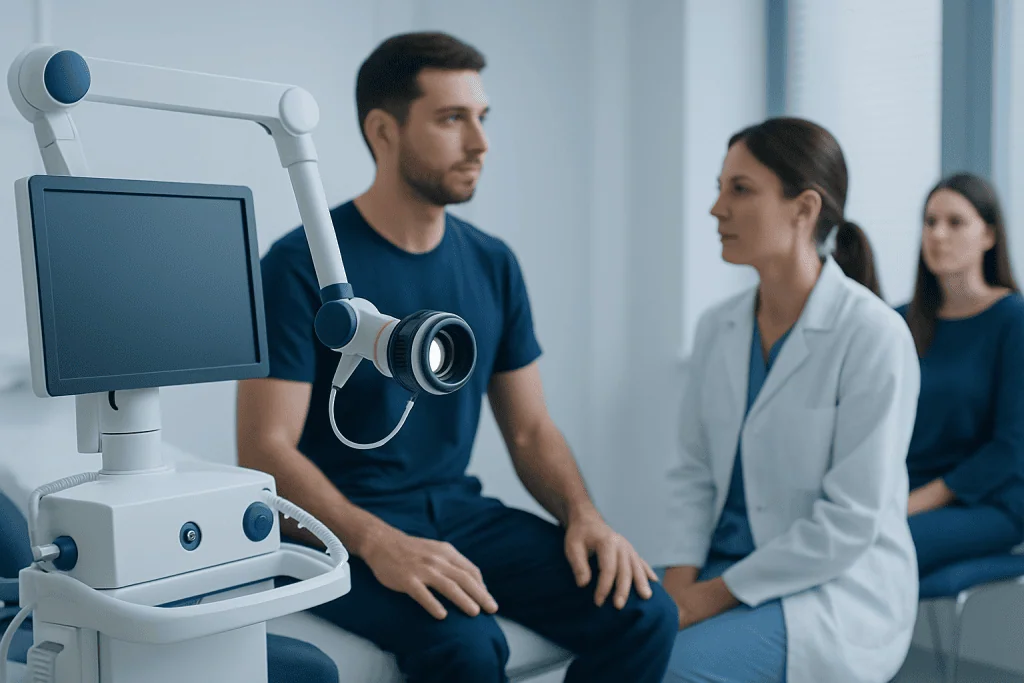
Tanning speed varies because skin does not respond the same way in every person. People with lighter skin often burn before they tan, while people with medium or darker skin may develop visible pigment more quickly. Even in the same person, tanning may happen faster during midday sun, at high altitude, near reflective surfaces such as water or sand, or during holidays in sunnier climates.
UV exposure triggers specialized skin cells called melanocytes to produce more melanin, the pigment that gives skin its color. Some immediate darkening can happen quickly, especially in people who already have more melanin, but the fuller tanning effect usually develops as pigment production increases over the next day or two. This is why someone may notice only a slight change after being outdoors, then see a deeper tan the following day.
Common factors that influence how long it takes to tan include:
- Natural skin tone and genetics
- How easily the skin burns or freckles
- Time of day and season
- Latitude, altitude, and cloud cover
- Duration of exposure and how much skin is uncovered
- Use of sunscreen, shade, or protective clothing
- Recent exfoliation or skin care products
It is also worth noting that tanning beds can darken the skin quickly, but they expose the skin to concentrated UV radiation. A quicker tan from indoor tanning does not mean lower risk.
Sun tan, self-tanner, or another cause?

Not all tanning happens for the same reason. A sun tan develops when UV radiation stimulates melanin production. This process may start within hours and usually becomes more obvious over 24 to 72 hours. If the skin also turns pink, feels warm, or becomes tender before darkening, this may indicate sunburn rather than a simple tan.
Self-tanners work differently. These products usually contain ingredients that react with proteins in the outermost layer of skin, creating a temporary brown color without increasing melanin. The result often appears within 1 to 4 hours and deepens over about 4 to 8 hours, depending on the product. Because the color sits in the upper skin layers, it gradually fades as the skin naturally sheds.
Sometimes people ask about tanning when the real concern is new skin darkening that does not follow sun exposure. This can happen with irritation, post-inflammatory pigment change after acne or eczema, hormonal influences, certain medications, or less commonly systemic medical conditions. In those situations, the issue is not really a tan and may overlap with other skin concerns such as skin cancer or pigment disorders that need a clinician’s review.
Why tanning happens: causes and skin biology
Tanning is the skin’s protective response to UV radiation. When UV rays penetrate the skin, they can affect the DNA inside skin cells. In response, melanocytes produce and distribute more melanin, which helps absorb and scatter some UV radiation. This added pigment makes the skin look darker.
There are two broad phases of tanning. The first is an immediate pigment darkening, which may happen soon after exposure and is usually temporary. The second is delayed tanning, which results from increased melanin production and movement of pigment into skin cells over the following day or several days. This delayed phase is what most people recognize as a developing tan.
Although this process may look healthy from a cosmetic perspective, it is still linked to sun damage. Repeated UV exposure can speed skin aging, contribute to dark spots and uneven tone, and increase the risk of cancer over time. That is why prevention matters even when there is no burn. People concerned about long-term skin changes may also benefit from a specialist review and, if needed, dermatology care for assessment of pigment changes, moles, or sun-damaged skin.
When tanning may need medical attention
Most tans after sun exposure or self-tanner use do not need medical treatment. Still, it is sensible to seek medical advice if the skin darkening is unexplained, rapidly changing, very uneven, or associated with symptoms such as pain, blistering, severe itching, bleeding, or a new mole. These features suggest that the issue may be something other than a routine tan.
Medical review is also a good idea if there is severe sunburn, signs of dehydration, fever, dizziness, nausea, or widespread rash after being in the sun. In addition, darkening on the face, neck, folds, scars, or areas of inflammation may reflect a pigment disorder rather than tanning. Conditions such as eczema, acne marks, or melasma can cause brown patches that people sometimes mistake for a tan.
Anyone who notices a changing spot, asymmetry, irregular border, multiple colors, or a sore that does not heal should have the area examined promptly. A doctor may look for inflammatory skin disease, medication effects, hormonal patterns, or rare internal causes of pigmentation. If there are suspicious lesions or significant sun damage, assessment through skin cancer treatment pathways may be recommended.
How doctors evaluate unusual skin darkening
If skin darkening seems unusual, a doctor will first ask about sun exposure, recent travel, skin care products, self-tanners, medications, and any associated symptoms. The timing matters: darkening that follows a beach day is very different from pigmentation that appears gradually with no obvious trigger. Doctors may also ask about hormonal changes, family history, prior rashes, and whether the area has had previous irritation or injury.
The physical examination focuses on the pattern, color, and distribution of the pigmentation. A clinician may look for signs of sunburn, allergy, infection, inflammation, fungal changes, or suspicious moles. In some cases, a dermatoscope is used to view pigmented lesions more closely. This can help distinguish a harmless tan or spot from a lesion that needs closer follow-up.
Further steps depend on what the doctor sees. Some people only need reassurance and skin protection advice. Others may need blood tests, patch testing, or a biopsy if the diagnosis is uncertain. When a lesion appears suspicious, dermoscopy and specialist skin assessment can help guide next steps carefully and efficiently.
Safer options, prevention, and self-care
Because tanning is a response to UV exposure, the safest way to look tanned is to use a sunless tanning product rather than seeking a tan from the sun or a tanning bed. Self-tanners can provide color without the DNA damage linked to UV radiation, although they should still be used according to product directions and kept away from broken or irritated skin.
To reduce UV-related skin damage, it helps to use broad-spectrum sunscreen, reapply it as directed, wear protective clothing, and seek shade during peak sun hours. Sunscreen does not prevent every tan, but it lowers the amount of harmful radiation reaching the skin. People who spend long periods outdoors should combine sunscreen with hats, sunglasses, and regular breaks in the shade.
After sun exposure, gentle skin care is useful. Fragrance-free moisturizers can help if the skin feels dry. Cool showers, adequate fluids, and avoiding further sun while the skin is irritated may improve comfort. Exfoliating aggressively or using harsh products on freshly tanned or sunburned skin can worsen irritation and make pigmentation less even.
For people who notice recurring pigment problems, a dermatologist can help identify whether the issue is tanning, post-inflammatory marks, melasma, or another skin condition. Near the end of the care pathway, it may be reassuring to know that Acibadem International’s multidisciplinary specialists and JCI-accredited hospitals evaluate and treat skin concerns for international patients.
Frequently asked questions
How long does it take to be tan after being in the sun?
A mild tan can start to show within a few hours, but it usually becomes more visible over the next 24 to 72 hours. The timeline depends on skin type, UV intensity, and how long the person was exposed.
Can someone tan in one day?
Yes, some people notice a visible change after one day outdoors, especially if UV levels are high. However, a deeper tan often continues to develop over the following day or two.
Does sunscreen stop tanning completely?
Sunscreen reduces UV exposure and lowers skin damage, but it may not block all tanning. Its main purpose is protection, and it should be used together with shade and protective clothing.
Is tanning a sign of healthy skin?
Not exactly. A tan is a skin response to UV exposure, which means the skin has been exposed to radiation that can cause damage over time. Even without a burn, repeated tanning can contribute to premature aging and raise skin cancer risk.
How is a self-tanner different from a real tan?
A self-tanner colors the outer skin layer through a chemical reaction and usually develops within several hours. A sun tan happens when the skin produces more melanin after UV exposure, often becoming visible over 1 to 3 days.
When should unexplained darkening of the skin be checked by a doctor?
Medical review is wise if darkening happens without sun exposure, is patchy or rapidly changing, or comes with itching, pain, bleeding, or a new mole. A doctor can assess whether it is simple pigmentation, irritation, a medication effect, or a more serious skin problem.
References
- American Academy of Dermatology
- Centers for Disease Control and Prevention
- World Health Organization
- National Cancer Institute
- NHS
This article is for general information only and is not a substitute for professional medical advice. Please consult a qualified doctor about your individual situation.
Explore treatments in Turkey — costs, top hospitals & a free quote
JCI-accredited · board-certified surgeons · reply within 24h
Add us as a Preferred Source to see more of our trusted health content across Google Search, AI Overviews and Discover.

More from the Health Library



Related Specialists

Dr. Mehmet Kaya
Emergency Service
Dr. Betül Toygar
Physical Medicine & Rehabilitation
Dr. Çağlar Yazıcıoğlu
Gynecology & Obstetrics
Dr. Esin Özlem Atmış
Otorhinolaryngology