How Long Does It Take to Get Pregnant? Causes, Explanations, and Next Steps

Many couples conceive within 12 months of regular unprotected sex. Age strongly affects fertility, especially after age 35.
Key Takeaways
- Many couples conceive within 12 months of regular unprotected sex.
- Age strongly affects fertility, especially after age 35.
- Ovulation timing, sperm health, and underlying conditions can delay pregnancy.
- Doctors can evaluate both partners with history, exams, and targeted tests.
- Medical review is advised sooner if there are red flags such as irregular periods, known reproductive conditions, or prior miscarriages.
For many healthy couples, getting pregnant can take several months, and this is often normal. Most conception happens within a year of regular unprotected sex, but age, ovulation, sperm quality, and medical conditions can affect the timeline and sometimes call for a fertility check.
Overview: what is a normal time to conception?
When people ask, “how long does it take to get pregnant,” the most accurate answer is that it varies widely, and several months can still be completely normal. In healthy couples having regular unprotected sex, pregnancy often happens within the first year rather than immediately. Even when everything is functioning normally, conception depends on the right egg, the right sperm, and the right timing in a single cycle.
Chances of pregnancy are tied to the menstrual cycle, especially the few days before ovulation and the day of ovulation itself. Because this fertile window is brief, missing it in one month does not mean there is a fertility problem. Stress about timing is also common, and many people overestimate how quickly pregnancy should occur.
Age is one of the biggest reasons time to pregnancy differs from person to person. Fertility gradually declines with age, particularly after 35 in women, while semen quality can also change over time in men. This does not mean pregnancy is impossible later in life, but it can take longer and may deserve earlier medical guidance.
What affects how quickly pregnancy happens?
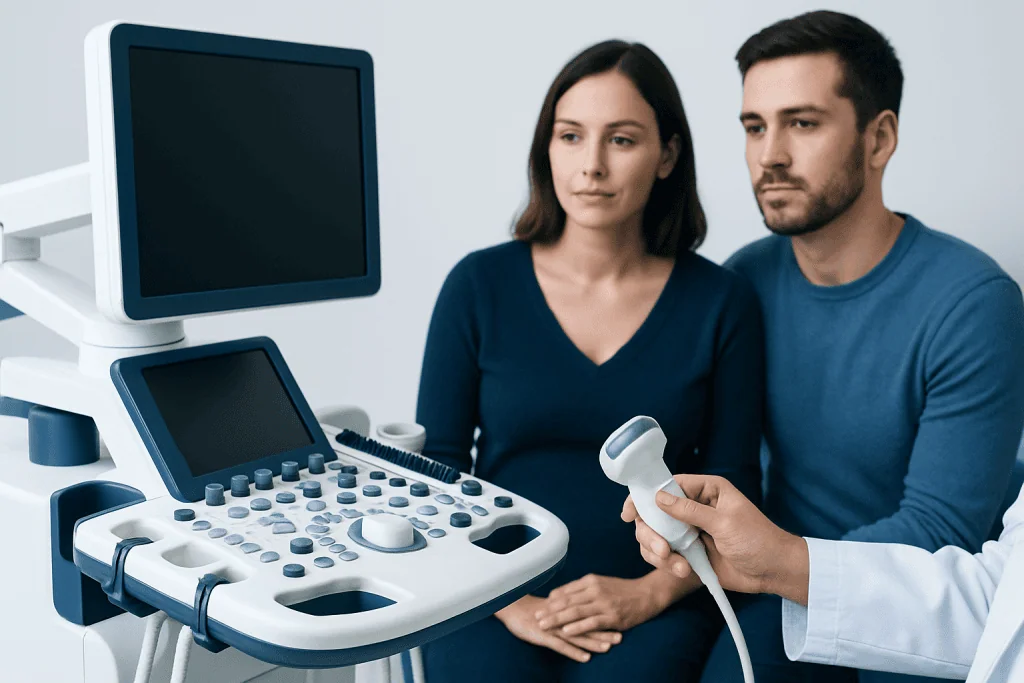
Pregnancy begins when ovulation occurs, sperm survive long enough to meet the egg, fertilization happens, and the embryo successfully implants in the uterus. A delay at any of these steps can lengthen the time it takes to conceive. Some factors are temporary, while others reflect an underlying reproductive condition.
Common influences include menstrual regularity, ovulation patterns, sperm count and movement, frequency of intercourse, body weight, smoking, alcohol use, chronic illness, and certain medications. Thyroid disease, diabetes, and hormone imbalances can also affect ovulation or sperm production. In some couples, fertility is reduced in both partners, which is why evaluation usually considers both people rather than focusing on one alone.
Conditions such as polycystic ovary syndrome (PCOS) may interfere with regular ovulation. Endometriosis, uterine fibroids, previous pelvic infection, or scar tissue around the fallopian tubes can also make pregnancy harder. In men, hormone disorders, varicocele, past infection, or a blockage in the reproductive tract may lower fertility.
- Regular cycles often suggest more predictable ovulation.
- Intercourse every 2 to 3 days usually covers the fertile window without requiring strict scheduling.
- Very light, very heavy, or highly irregular periods may point to an ovulation issue.
- Fertility challenges are not only a women’s health issue; male factors are common too.
When a delay may need medical review

A slower path to pregnancy is often harmless at first, but some situations deserve earlier medical attention. In general, a fertility evaluation is recommended after 12 months of trying if the woman is under 35, or after 6 months if she is 35 or older. If she is over 40, many doctors advise seeking guidance as soon as pregnancy is planned.
Medical review should also be considered sooner if there are red flags such as irregular or absent periods, known PCOS, a history of endometriosis, pelvic inflammatory disease, recurrent miscarriage, prior chemotherapy, testicular problems, erectile or ejaculation difficulties, or previous surgery involving the pelvis or reproductive organs. Severe pelvic pain, very painful periods, or symptoms of thyroid disease are also worth discussing.
This earlier check does not necessarily mean something is seriously wrong. It simply helps identify treatable factors sooner and can prevent months of uncertainty. If needed, a specialist may also assess related conditions such as infertility in a structured and stepwise way.
How doctors evaluate difficulty getting pregnant
The first step is usually a detailed medical history for both partners. A doctor may ask about menstrual cycles, how long pregnancy has been attempted, frequency of intercourse, previous pregnancies, miscarriages, infections, operations, chronic diseases, and current medications. Lifestyle factors such as smoking, alcohol, weight changes, sleep, and exercise may also be reviewed.
In women, evaluation often includes confirmation of ovulation, hormone testing, and imaging to look at the uterus and ovaries. Depending on the situation, testing may include ultrasound, blood tests for hormones such as thyroid function or ovarian reserve, and checks to see whether the fallopian tubes are open. If symptoms suggest it, a clinician may also investigate conditions like endometriosis.
In men, a semen analysis is one of the most important early tests. It examines sperm count, movement, shape, and semen volume. If results are abnormal, the doctor may recommend repeat testing, hormone studies, examination for varicocele or blockage, and referral to a urologist or fertility specialist.
Not every couple needs every test. Doctors usually choose investigations based on age, symptoms, and how long pregnancy has been delayed. This careful approach helps avoid unnecessary procedures while still looking for common and treatable causes.
Treatment options and next steps
Treatment depends on the cause found during evaluation. Sometimes the next step is simple cycle tracking or guidance on timing intercourse around ovulation. In other cases, treatment may focus on correcting a hormone imbalance, helping ovulation occur more regularly, improving sperm-related factors, or treating conditions affecting the uterus or fallopian tubes.
For some couples, fertility medicines or procedures may be recommended. If natural conception is less likely or time is especially important, options such as IVF treatment may be discussed. Where there is a severe male-factor issue, fertilization support through ICSI can sometimes help by using a single sperm to fertilize an egg in the laboratory.
If there are structural problems in the uterus, tubes, ovaries, or pelvis, a doctor may recommend procedures such as laparoscopy to diagnose or treat certain conditions. Some couples may also be candidates for intrauterine insemination (IUI), especially when timing, cervical factors, or mild sperm issues are involved.
Treatment plans are individualized. A couple’s age, test results, preferences, and how long they have been trying all shape the next step. A clear explanation from a fertility specialist can help patients understand what is most appropriate for their situation.
What people can do while trying to conceive
While many fertility factors cannot be controlled directly, healthy habits can support the chances of conception. Intercourse every 2 to 3 days throughout the cycle is often enough to cover fertile days without the pressure of daily scheduling. If someone prefers cycle tracking, ovulation predictor kits, cervical mucus changes, or basal body temperature can help identify the fertile window, though these tools are not perfect.
General health matters. Reaching a healthy weight, stopping smoking, limiting alcohol, sleeping well, staying physically active, and managing long-term conditions can all support reproductive health. Women planning pregnancy are usually advised to begin folic acid supplementation and review medications with a doctor to make sure they are pregnancy-safe.
Men can also support fertility by avoiding tobacco, limiting alcohol, reducing exposure to heat around the testicles when possible, and discussing any supplements or medications with a clinician. Over-the-counter “fertility boosters” are not all well studied, so professional advice is sensible before using them.
Emotional strain is common when pregnancy does not happen quickly. It can help to set realistic expectations, take breaks from cycle-focused stress, and seek support from a healthcare professional if anxiety becomes overwhelming. Reassurance and a clear plan often make the process feel more manageable.
When to seek medical care
Medical advice should be sought sooner rather than later if there are warning signs or known fertility risks. This includes trying for 12 months without pregnancy if under 35, or 6 months if 35 or older. Earlier review is sensible for absent or very irregular periods, recurrent pregnancy loss, severe menstrual pain, previous ectopic pregnancy, pelvic infection, cancer treatment, or known reproductive disorders in either partner.
Men should also seek evaluation if there is a history of undescended testes, testicular injury, sexual function problems, or previous infections or surgery involving the groin or reproductive tract. Because fertility is shared, both partners usually benefit from being assessed together.
For international patients who need specialist support, Acibadem International’s multidisciplinary teams in JCI-accredited hospitals evaluate and treat fertility-related conditions in a coordinated way. The most important step is timely assessment by a qualified doctor, especially when age or symptoms suggest that waiting may reduce options.
Frequently asked questions
Is it normal not to get pregnant right away?
Yes. Even in healthy couples, pregnancy often does not happen in the first month. Conception depends on timing within the menstrual cycle and several biological steps that must all happen successfully.
How many months does it usually take to get pregnant?
Many couples conceive within 12 months of regular unprotected sex. Some become pregnant sooner, while others take longer because of age, ovulation timing, sperm factors, or medical conditions.
When should someone worry about not getting pregnant?
Concern is reasonable after 12 months of trying if the woman is under 35, or after 6 months if she is 35 or older. Earlier assessment is important if there are irregular periods, severe pelvic pain, recurrent miscarriage, known reproductive conditions, or male-factor concerns.
Can stress alone stop pregnancy from happening?
Stress may affect sleep, relationships, sexual timing, and overall wellbeing, which can indirectly influence fertility. However, it is not usually the only reason pregnancy is delayed, so persistent difficulty should still be evaluated medically.
Does having regular periods mean fertility is normal?
Regular periods often suggest that ovulation is happening, but they do not guarantee normal fertility. Sperm factors, tubal blockage, endometriosis, and some uterine conditions can still make conception difficult.
Should both partners be tested for fertility problems?
Yes. Fertility depends on both egg and sperm factors, so evaluating only one partner can miss an important cause. A semen analysis is commonly one of the first tests because male factors are common and the test is straightforward.
This article is for general information only and is not a substitute for professional medical advice. Please consult a qualified doctor about your individual situation.
IVF & fertility treatment in Turkey — success rates and costs
JCI-accredited · board-certified surgeons · reply within 24h
Add us as a Preferred Source to see more of our trusted health content across Google Search, AI Overviews and Discover.
Check your numbers in seconds
BMI, calories, due date, blood pressure and 30+ more clinical calculators — free, instant, doctor-reviewed ranges.

More from the Health Library

Rash Tiny Bumps on Hands Explained: Common Triggers and Red Flags

Peripheral Neuropathy in Diabetes: Early Signs You Should Not Ignore

Difference Between Headache and Migraine: Possible Causes and When to Seek Care

Are Yeast Infections Contagious? Causes, Explanations, and Next Steps

Why Is My Poop Green? A Doctor-Reviewed Answer

Why Do My Elbows Have Bumpy Rash? Causes, Explanations, and Next Steps
Gynecology & Obstetrics Specialists at Acibadem

Prof. Dr. Ahmet Cem Batukan
Gynecology & Obstetrics
Prof. Dr. Ahmet Tayyar
Gynecology & Obstetrics
Dr. Ahmet Varolan
Gynecology & Obstetrics
Dr. Albert Kazado
Gynecology & Obstetrics