How Long Does Pneumonia Last? Causes, Explanations, and Next Steps

Mild pneumonia often improves within 1 to 4 weeks, but tiredness and cough may linger longer. Recovery tends to take more time in older adults, young children, smokers, and people with chronic health conditions.
Key Takeaways
- Mild pneumonia often improves within 1 to 4 weeks, but tiredness and cough may linger longer.
- Recovery tends to take more time in older adults, young children, smokers, and people with chronic health conditions.
- Bacterial, viral, and aspiration pneumonia can follow different timelines and may need different treatments.
- Shortness of breath, chest pain, blue lips, confusion, or worsening fever are signs to seek urgent medical care.
- A doctor may use a physical exam, pulse oximetry, chest imaging, and selected lab tests to confirm pneumonia and guide treatment.
How long pneumonia lasts depends on the cause, severity, age, and overall health. Many people start feeling better within days of treatment, but full recovery often takes 1 to 4 weeks and sometimes longer, especially if the illness was severe.
Overview: How Long Does Pneumonia Last?
For many people, pneumonia is treatable and recovery is gradual rather than sudden. In uncomplicated cases, symptoms often begin to improve within a few days of appropriate care, but the total recovery time is usually longer. A mild case may settle over 1 to 4 weeks, while cough, low energy, and reduced exercise tolerance can continue for several weeks after the infection itself is under control.
The answer to how long does pneumonia last depends on what caused it, how severe it became, and who is affected. Younger, otherwise healthy adults may recover faster than older adults, infants, pregnant people, or those with asthma, heart disease, diabetes, or weakened immunity. People who needed hospital care or oxygen commonly need a longer recovery period.
It can also help to separate symptom improvement from full recovery. Fever often resolves first, breathing gradually becomes easier, and appetite may return before strength is fully back. This pattern is common and does not always mean something is wrong, but symptoms that are getting worse rather than better deserve medical review.
Typical Recovery Timeline and What to Expect
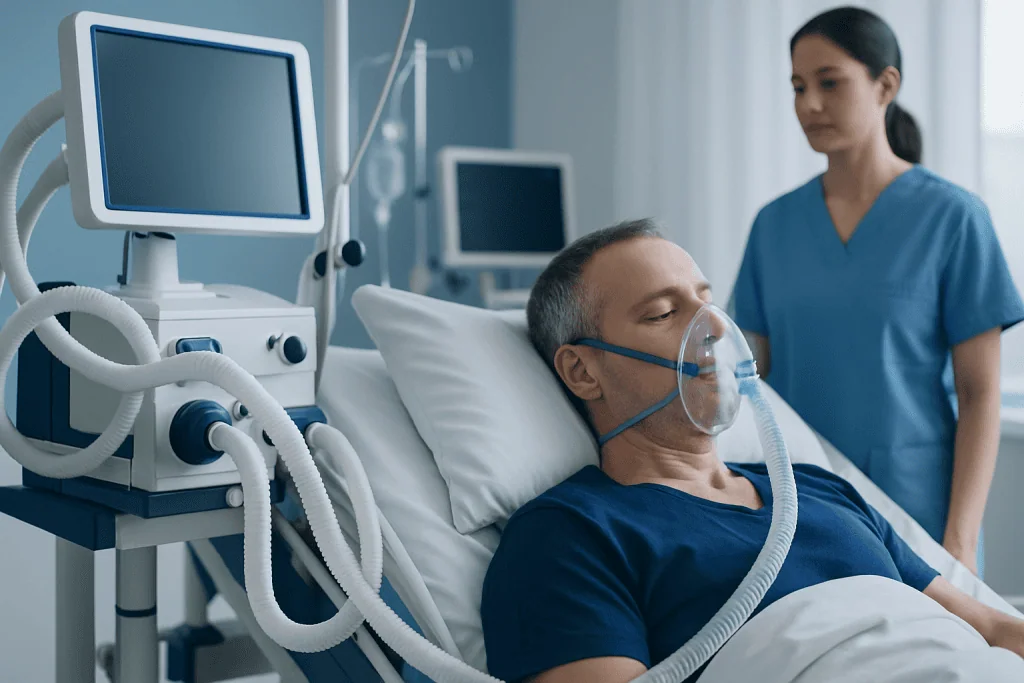
Pneumonia recovery is often uneven. A person may feel noticeably better one day and tired again the next, especially during the first two weeks. In general, fever and chills usually improve earlier, while cough and fatigue may continue longer because the lungs and airways need time to heal.
Many people follow a broad pattern like this:
- First few days: treatment begins, fever may start to settle, and breathing may slowly improve.
- 1 to 2 weeks: appetite, sleep, and energy often begin to return, although cough may still be present.
- 2 to 4 weeks: many mild cases recover substantially, but physical stamina may still be reduced.
- Several weeks or more: after severe pneumonia or hospitalization, recovery can be slower, especially in older adults or people with chronic illness.
A lingering cough does not always mean infection is still active. The lungs may remain irritated after the illness, and mucus clearance can take time. However, persistent or worsening shortness of breath, recurrent fever, or coughing up blood should not be ignored.
Some people describe a “long tail” of recovery, with tiredness lasting beyond the main infection. This can happen after viral illnesses as well as bacterial pneumonia. Good hydration, rest, nutrition, and follow-up with a doctor can support recovery while helping identify complications if symptoms do not improve as expected.
Why Pneumonia Lasts Longer in Some People

Pneumonia is not a single disease with one fixed timeline. It is an infection or inflammation of the lungs caused by bacteria, viruses, fungi, or inhaled material such as food or stomach contents. Different causes affect the lungs differently, which is one reason recovery times vary.
Bacterial pneumonia may improve relatively quickly once the correct antibiotic is started, although complete recovery still takes time. Viral pneumonia may not respond to antibiotics and can improve more gradually with supportive care, depending on the virus and the person’s health. Aspiration pneumonia may be more complicated because it involves both irritation and infection.
Certain factors can slow healing or raise the risk of complications. These include older age, smoking, chronic lung disease, heart disease, diabetes, kidney disease, weakened immunity, poor nutrition, recent surgery, or limited mobility. Dehydration and delayed treatment can also make recovery longer.
Sometimes pneumonia develops after another respiratory illness such as influenza or alongside lung conditions that affect normal lung function. When symptoms overlap with other chest infections or inflammation, doctors may also consider problems such as bronchitis or other respiratory conditions during assessment.
Symptoms That Can Persist During Recovery
The most common pneumonia symptoms include cough, fever, chills, shortness of breath, chest discomfort, and fatigue. As recovery begins, some of these symptoms fade quickly while others improve more slowly. Cough and tiredness are often the last to go.
It is common to feel weak after even a short period of lung infection because the body has used a great deal of energy to fight illness. People may notice they become breathless with activities that felt easy before, such as climbing stairs or walking briskly. This usually improves gradually as inflammation clears and strength returns.
Symptoms can be different in children and older adults. Young children may have fast breathing, poor feeding, irritability, or unusual sleepiness. Older adults may not always have a high fever and can instead show confusion, weakness, falls, or reduced appetite.
Not every lingering symptom means pneumonia is still active, but a symptom pattern that stalls or worsens deserves attention. A doctor may need to check for dehydration, a different diagnosis, or complications such as pleural fluid, worsening airway inflammation, or low oxygen levels.
How Doctors Diagnose Pneumonia and Check Recovery
When a person has ongoing cough, fever, chest discomfort, or shortness of breath, a doctor starts with the clinical picture. This usually includes questions about when symptoms began, whether they are improving, recent viral illness, smoking history, medical conditions, travel, and possible exposure to infection.
The physical examination often includes listening to the lungs, checking temperature and breathing rate, and measuring oxygen saturation with pulse oximetry. These steps help assess how serious the illness may be. If pneumonia is suspected, imaging such as a chest X-ray may be used to look for infection in the lungs.
Additional tests depend on the situation. Some people may need blood tests, sputum testing, or viral testing, especially if the pneumonia is severe, unusual, or not improving as expected. If the diagnosis is uncertain or complications are suspected, doctors may recommend advanced imaging such as a CT scan to get a more detailed view of the chest.
Follow-up is sometimes part of the recovery plan, particularly for older adults, smokers, or people whose symptoms continue. The aim is not only to confirm that pneumonia is resolving but also to make sure there is no other underlying problem. In selected cases, breathing evaluation such as pulmonary function tests may help after recovery if shortness of breath persists.
Treatment Options and What Helps Recovery
Treatment depends on the cause and severity of pneumonia. Bacterial pneumonia is often treated with antibiotics, while viral pneumonia may be managed with rest, fluids, fever control, and monitoring unless a specific antiviral treatment is appropriate. Oxygen, inhaled medicines, or hospital care may be needed if breathing is difficult or oxygen levels are low.
Supportive care matters regardless of the cause. Rest, hydration, and regular meals can help the body recover. Many people benefit from pacing their return to activity rather than trying to resume normal exercise too quickly. It is also important to take prescribed medication exactly as directed and attend follow-up if advised.
Smoking and exposure to irritants can slow healing. Avoiding tobacco smoke, vaping, and other airway irritants gives the lungs a better chance to recover. If swallowing problems or reflux contribute to aspiration risk, a doctor may also address those issues to reduce the chance of recurrence.
In more severe cases, hospital-based respiratory support and close monitoring may be necessary. Where needed, specialists may coordinate care that includes respiratory therapy and rehabilitation to help restore breathing efficiency, cough clearance, and stamina after a serious lung infection.
When to Seek Medical Care
Most people with mild pneumonia improve with treatment and time, but some symptoms should prompt medical review without delay. A person should seek urgent care if they have significant shortness of breath, chest pain, blue lips or fingertips, confusion, fainting, dehydration, or a high fever that does not settle. These symptoms can suggest low oxygen, worsening infection, or another serious problem.
Medical advice is also important if symptoms are not improving after a few days of treatment, or if they get worse after seeming to improve. A returning fever, worsening cough, increasing breathlessness, or new weakness may mean the diagnosis needs to be reassessed. This is especially true in infants, older adults, pregnant people, or anyone with chronic medical conditions.
Even after the main infection is treated, follow-up may be useful when tiredness or breathlessness persists beyond the expected period. A doctor can check whether the lungs are healing normally and whether there is another reason for the symptoms. This helps people recover more safely and with clearer expectations.
For international patients who need assessment or follow-up, Acibadem International’s multidisciplinary specialists in JCI-accredited hospitals diagnose and treat pneumonia and related respiratory conditions with an individualized approach.
Prevention and Self-Care After Pneumonia
Preventing pneumonia and supporting recovery share some of the same habits. Hand hygiene, avoiding close contact with people who are acutely unwell, and keeping chronic conditions well managed can all help lower risk. Vaccination may also play an important role for some people, particularly older adults and those with certain health conditions, based on a doctor’s advice.
After pneumonia, gradual recovery is usually better than pushing through fatigue. Gentle movement, breathing exercises suggested by a clinician, adequate sleep, and steady fluid intake can be helpful. If appetite is poor, small frequent meals may be easier than large ones while energy returns.
People should avoid smoking and discuss any recurring chest infections with a qualified doctor. Repeated pneumonia or a very slow recovery may point to an underlying issue that needs attention. Seeking advice early can help reduce the chance of complications and support a smoother return to normal daily life.
Frequently asked questions
How long does pneumonia last in adults?
In adults, mild pneumonia often improves within 1 to 4 weeks, but the timeline varies. Cough and fatigue can last longer, especially after severe illness or hospitalization. Older adults and people with chronic health conditions may need more time to recover.
Why am I still coughing after pneumonia?
A cough can continue after pneumonia because the lungs and airways remain irritated while they heal. Mucus clearance may also take time even after the infection is improving. If the cough is worsening, includes blood, or comes with fever or breathlessness, a doctor should evaluate it.
Can pneumonia go away on its own?
Some mild viral cases may improve with supportive care, but pneumonia should not be assumed to resolve safely without medical guidance. Bacterial pneumonia often needs antibiotics, and severe illness may require oxygen or hospital treatment. A doctor can help determine the cause and the safest next steps.
How do I know if pneumonia is getting better?
Signs of improvement often include lower fever, easier breathing, better appetite, and gradually returning energy. Recovery is not always linear, so mild day-to-day variation can be normal. However, worsening shortness of breath, renewed fever, or declining energy may mean reevaluation is needed.
When should someone go to the hospital for pneumonia?
Hospital care may be needed for severe shortness of breath, low oxygen, confusion, chest pain, dehydration, or signs of serious weakness. Infants, older adults, and people with major medical conditions may need urgent assessment sooner. If symptoms seem severe or rapidly worsening, urgent medical attention is important.
Is it normal to feel tired for weeks after pneumonia?
Yes, fatigue can continue for weeks after pneumonia, even when the main infection is improving. The body needs time to recover from inflammation, poor sleep, reduced appetite, and the energy demands of illness. Persistent or worsening fatigue should still be discussed with a doctor, especially if it limits daily activities.
References
- Centers for Disease Control and Prevention
- National Heart, Lung, and Blood Institute
- American Lung Association
- National Health Service
- World Health Organization
This article is for general information only and is not a substitute for professional medical advice. Please consult a qualified doctor about your individual situation.
Pneumonia in Turkey — costs, top hospitals & a free quote
JCI-accredited · board-certified surgeons · reply within 24h
Add us as a Preferred Source to see more of our trusted health content across Google Search, AI Overviews and Discover.