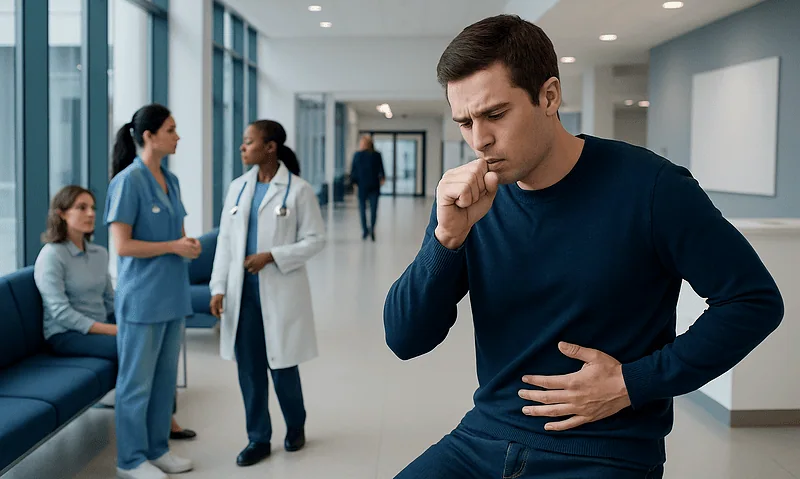
How Long Does Recovery Take After Illness or Injury?
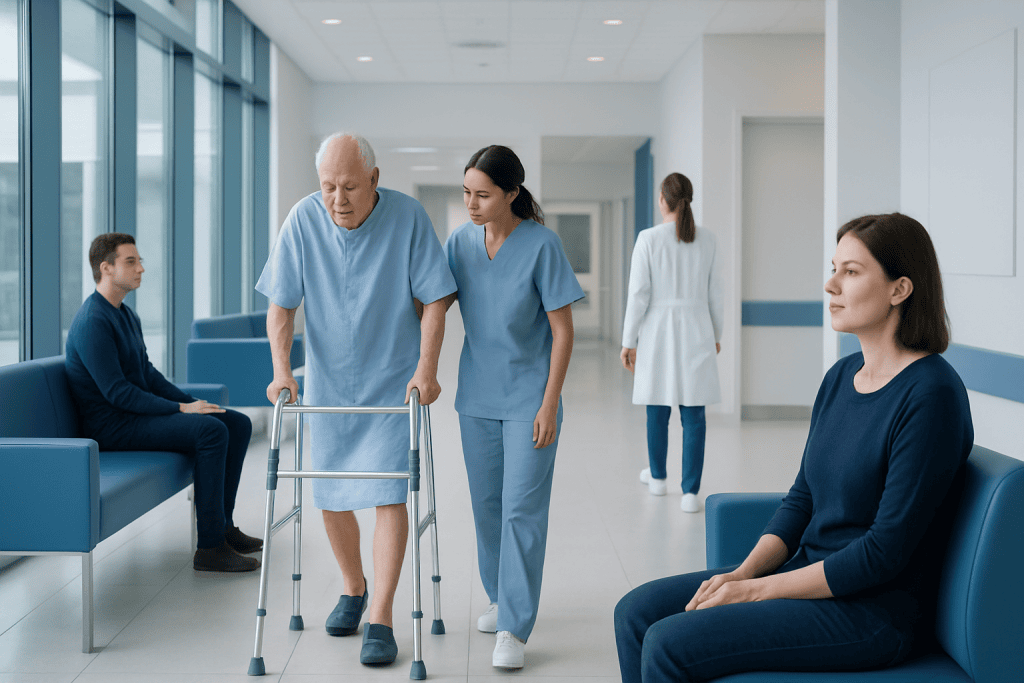
Recovery time depends on the underlying condition, its severity, a person’s overall health, and the treatment received. Feeling better does not always mean tissues have fully healed; a gradual return to normal activity is often safest.
Key Takeaways
- Recovery time depends on the underlying condition, its severity, a person’s overall health, and the treatment received.
- Feeling better does not always mean tissues have fully healed; a gradual return to normal activity is often safest.
- Many minor viral illnesses, strains and everyday symptoms resolve without complications, but recovery that stalls or worsens should be reviewed.
- Urgent care is important for severe symptoms such as trouble breathing, chest pain, sudden weakness, confusion, heavy bleeding or loss of consciousness.
- A clinician can clarify the likely timeline through a medical history, examination and tests when needed.
How long for recovery varies widely because recovery is not one single process: it may involve relief of symptoms, return of normal function, and rebuilding strength or confidence. Many short-lived symptoms and minor injuries improve with time and supportive care, but new, severe, persistent or worsening symptoms deserve medical assessment.
How long does recovery usually take?
How long for recovery depends on what the body is recovering from. A mild viral illness or minor muscle strain may begin improving within days, while a significant injury, operation, infection or long-term condition can require weeks, months, or ongoing rehabilitation. In many cases, recovery is uncomplicated and the body gradually returns to its usual function with rest, appropriate activity and time.
It is helpful to separate symptom improvement from complete recovery. Pain, fever, fatigue or swelling may settle before healing is complete. For example, a person may feel ready to resume activity after an injury while the affected tissue is still regaining strength. Following clinical advice and increasing activity gradually can reduce the risk of setbacks.
There is no universal timeline that applies to everyone. Age, sleep, nutrition, pre-existing health conditions, medications, the type of treatment and complications can all influence the pace of healing. A doctor can give the most meaningful estimate once the underlying cause is understood.
What influences a person’s recovery timeline?

The nature and severity of the health problem are the strongest influences. A self-limited infection often improves as the immune system clears it, whereas a fracture, major surgery or serious infection may require structured treatment and a longer period of tissue repair. Recovery can also involve physical, emotional and practical adjustment, especially after hospitalization or a major diagnosis.
Personal health factors matter as well. Conditions such as diabetes, heart or lung disease, reduced immunity, anemia, poor circulation or malnutrition may delay healing. Smoking and excessive alcohol use can also affect the body’s ability to repair tissues. These factors do not mean recovery will necessarily be difficult, but they may change the support or monitoring needed.
Treatment itself may shape the timeline. Some medicines improve symptoms quickly but need time to address the underlying problem. Procedures can bring early symptom relief while creating a temporary recovery period. Rehabilitation, including physiotherapy or occupational therapy, may be recommended to restore movement, strength, independence and confidence after illness, injury or surgery.
- The condition’s cause, severity and duration
- Whether there are complications or more than one health concern
- General health, sleep, nutrition and emotional wellbeing
- Following the treatment and follow-up plan
- Work demands, caregiving responsibilities and access to support
A practical way to judge whether recovery is on track

Recovery is rarely perfectly linear. It is common to have better and worse days, particularly after infection, surgery, pain or a period of reduced activity. The overall trend is usually more informative than a single day: symptoms should gradually become less intense or less frequent, and everyday tasks should become easier over time.
Keeping a simple record can help. A person may note symptom severity, temperature if relevant, sleep, appetite, walking tolerance, pain triggers, medication side effects and the activities they can manage. This information can make follow-up appointments more useful and may reveal a pattern that otherwise goes unnoticed.
People should avoid comparing their pace too closely with someone else’s. Two individuals with apparently similar conditions may recover differently. A realistic plan is based on personal baseline function and medical guidance, rather than a fixed deadline for returning to work, exercise, travel or other responsibilities.
When to seek medical care
Most mild symptoms improve without urgent treatment, but medical review is appropriate when recovery is not progressing as expected. A clinician should be contacted for symptoms that persist, repeatedly return, become worse after initial improvement, interfere substantially with daily life, or cause concern. New symptoms during recovery, such as persistent fever, increasing pain, spreading redness, unusual swelling or medication side effects, also merit advice.
Urgent medical care is needed for trouble breathing, chest pain or pressure, sudden weakness or numbness, difficulty speaking, confusion, fainting, seizures, severe headache with new neurological symptoms, uncontrolled bleeding, blue or gray lips, or signs of a severe allergic reaction. These symptoms can have different causes and should not be managed by waiting to see whether they pass.
People recovering after an operation should follow their surgical team’s instructions about wound care, mobility, diet and warning signs. Increasing wound pain, warmth, redness, drainage, opening of the incision, fever or swelling in a limb should be discussed promptly with the care team.
How a doctor assesses delayed or difficult recovery
A doctor begins by asking what happened before symptoms started, how they have changed, what treatments have been tried and how recovery is affecting daily activities. They may ask about medical conditions, medicines, allergies, recent travel, illness exposure, sleep, mood and lifestyle factors. This history helps distinguish an expected recovery course from a problem needing further investigation.
A physical examination may include checking vital signs, the heart and lungs, movement, strength, sensation, hydration, the affected body area, or a surgical wound. Depending on the symptoms, tests may include blood tests, urine tests, swabs, imaging or heart and lung assessments. Not every person needs extensive testing; investigations are selected to answer a specific clinical question.
The next steps may include reassurance and monitoring, changes to a treatment plan, treatment of a complication, referral to a specialist or rehabilitation support. For example, persistent weakness or reduced mobility may benefit from physical therapy and rehabilitation when recommended after an assessment.
Supporting recovery safely at home
General supportive habits can help the body recover, although they do not replace medical treatment for a significant condition. Rest is important, but prolonged inactivity may lead to deconditioning in some situations. When a clinician has not advised restriction, gentle movement and a gradual return to normal routines can support circulation, mobility and mood.
A balanced diet with adequate protein, fluids and a range of nutrient-rich foods supports normal healing. Regular sleep, limiting alcohol and avoiding tobacco are also useful. People should not start supplements, herbal products or over-the-counter medicines without considering possible interactions, especially if they take prescription medicines, are pregnant, or have kidney, liver or heart conditions.
Pacing is often more effective than pushing through symptoms. Breaking tasks into smaller steps, taking planned rests and increasing exertion slowly may prevent a cycle of overactivity followed by exhaustion. If fatigue, pain, dizziness, breathlessness or other symptoms become noticeably worse with activity, a doctor should advise on an appropriate pace.
Planning follow-up and returning to usual activities
Follow-up appointments are an important part of recovery when they have been advised. They allow clinicians to review symptoms, assess healing, adjust medicines, discuss test results and guide a return to work, driving, sport or travel. A person should ask which symptoms are expected, what changes require a call, and which activities should be limited temporarily.
Returning to exercise or demanding physical work should usually be gradual. The right timing depends on the diagnosis, treatment and current ability, not only on the calendar. After some conditions or procedures, a tailored rehabilitation plan can help build endurance and reduce the chance of reinjury.
For international patients, Acibadem International’s multidisciplinary specialists and JCI-accredited hospitals can assess health concerns, coordinate investigations and provide treatment or rehabilitation planning when needed. Individual recovery expectations should always be discussed directly with the treating clinician.
Frequently asked questions
How long for recovery after a mild illness?
Many mild illnesses begin to improve within several days, although tiredness or a cough may last longer in some people. The expected timeline depends on the illness, age, general health and whether complications develop. Medical advice is sensible if symptoms are severe, worsening, persistent or returning after improvement.
Why do I still feel tired after other symptoms improve?
Fatigue can continue after pain, fever or other symptoms have settled because the body is still restoring energy and returning to normal activity. Sleep disruption, reduced food intake, stress, medicines and time spent inactive can contribute. Persistent, severe or worsening fatigue should be discussed with a doctor, particularly if it is accompanied by breathlessness, chest pain, fever, weight loss or dizziness.
Is it normal for recovery to have good and bad days?
Yes. Many people experience fluctuations during recovery, especially after infection, injury, surgery or a stressful health event. What matters most is whether there is a gradual overall improvement. Repeated deterioration or a clear worsening after initial improvement should be medically reviewed.
Can returning to activity too soon delay recovery?
It can, depending on the condition. Overexertion may worsen pain, fatigue, swelling or an injury, while too much inactivity can reduce strength and fitness. A gradual return guided by symptoms and the treating clinician’s instructions is usually the safest approach.
When should delayed recovery be checked by a doctor?
A doctor should assess recovery that is not improving as expected, is getting worse, or is preventing normal eating, sleeping, walking, working or self-care. Review is also important for new symptoms, ongoing fever, increasing pain, wound changes or concerning medication effects. Emergency symptoms, including trouble breathing, chest pain, sudden neurological changes or severe bleeding, need urgent care.
What can a doctor do if recovery is taking longer than expected?
A doctor can check whether the original diagnosis remains likely, look for complications and identify factors such as infection, anemia, medication effects or reduced mobility that may be slowing progress. They may recommend tests, modify treatment, arrange specialist review or suggest rehabilitation. This individualized approach is more reliable than relying on a general recovery timeline.
References
- World Health Organization
- Centers for Disease Control and Prevention
- National Health Service
- Mayo Clinic
- MedlinePlus, U.S. National Library of Medicine
This article is for general information only and is not a substitute for professional medical advice. Please consult a qualified doctor about your individual situation.
Explore treatments in Turkey — costs, top hospitals & a free quote
JCI-accredited · board-certified surgeons · reply within 24h
Add us as a Preferred Source to see more of our trusted health content across Google Search, AI Overviews and Discover.