How Long Does the COVID Vaccine Last? Here Is What the Evidence Says

COVID-19 vaccines provide their strongest protection in the months after vaccination, particularly against infection and symptomatic illness. Protection against severe COVID-19 usually lasts longer than protection against catching the virus, although it also decreases over time.
Key Takeaways
- COVID-19 vaccines provide their strongest protection in the months after vaccination, particularly against infection and symptomatic illness.
- Protection against severe COVID-19 usually lasts longer than protection against catching the virus, although it also decreases over time.
- Age, underlying health conditions, previous infection, vaccine type, and circulating variants affect how long protection lasts.
- Updated COVID-19 vaccines are designed to improve protection against currently circulating variants and are especially important for people at higher risk.
- Most short-term vaccine side effects are mild and resolve within a few days, but chest pain, breathing difficulty, or persistent severe symptoms need prompt medical assessment.
COVID-19 vaccine protection does not disappear suddenly: it gradually decreases, especially protection against mild infection. Protection against severe illness, hospitalization, and death generally lasts longer, and recommended updated doses help restore protection as immunity wanes and variants change.
How Long Does COVID Vaccine Protection Last?
COVID-19 vaccine protection is strongest soon after vaccination and gradually wanes over time. For many people, protection against becoming infected or developing mild symptoms declines within months, particularly when new viral variants are circulating. Protection against severe disease, hospitalization, and death usually remains more durable, although it also reduces with time.
There is no single answer that applies to everyone. How long protection lasts depends on a person’s age, immune system, health conditions, vaccination history, prior COVID-19 infections, and how closely the vaccine matches the variants currently spreading. This is why public-health recommendations are updated periodically and may differ by country.
A decrease in protection is expected and does not mean the vaccine has failed. Vaccination trains the immune system to respond more quickly if it encounters the virus. Even when a vaccinated person develops COVID-19, vaccination can still lower the likelihood of serious complications.
Why Protection Changes Over Time
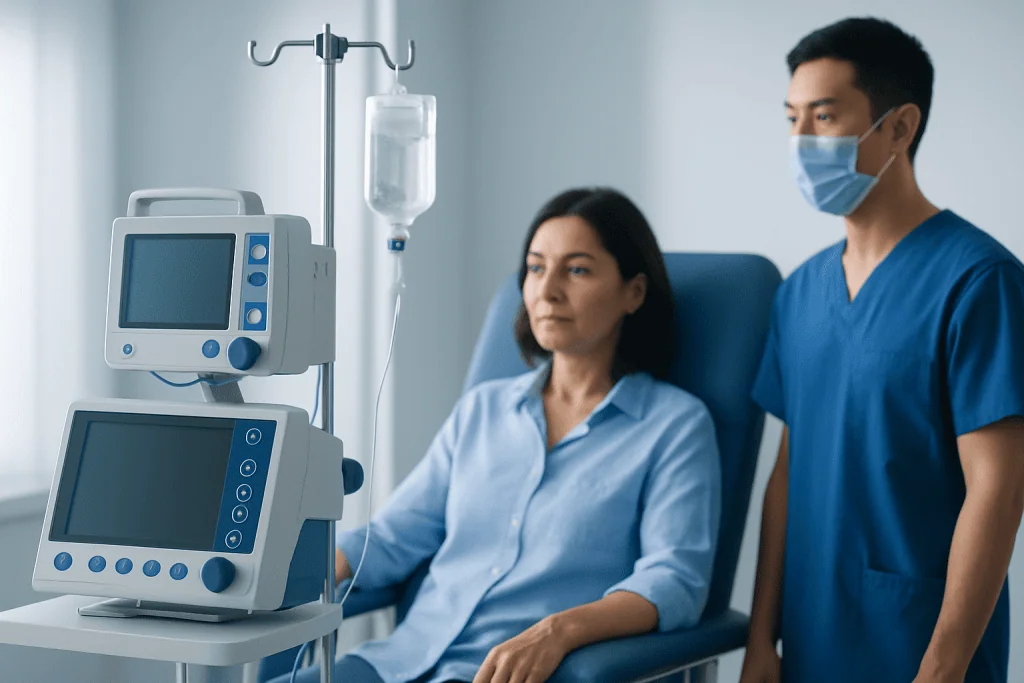
After vaccination, the body produces antibodies that can recognize the virus and help prevent infection. Antibody levels naturally fall over time. This is a normal part of immune function and is one reason protection from infection is usually not permanent.
The immune system also develops memory B cells and T cells. These immune cells may not always stop the virus from entering the body, but they can help coordinate a faster response and reduce the risk that an infection becomes severe. This longer-lasting immune memory helps explain why protection from hospitalization often outlasts protection from mild illness.
COVID-19 also continues to evolve. Variants can carry changes that help them partly evade antibodies made after previous vaccination or infection. Updated vaccines are intended to refresh immune protection and better target newer variants, while still building on the protection developed from earlier doses.
What Affects How Long the Vaccine Lasts?

Vaccine effectiveness is influenced by both the individual and the virus. Older adults and people with weakened immune systems may have a less robust immune response or may lose protection more quickly. People with chronic heart, lung, kidney, metabolic, or neurological conditions may also face a higher risk of severe COVID-19 if they become infected.
Prior infection can add to immune protection, particularly when it occurs alongside vaccination. However, infection-related immunity varies greatly from person to person and may not provide reliable protection against future variants. It is not considered a safer substitute for staying up to date with recommended vaccination.
The interval since the most recent dose matters. In general, the more time that has passed, the more likely it is that protection against infection has decreased. Recommendations for updated doses are therefore often prioritized for older adults, people with certain medical conditions, pregnant people where advised by local guidance, and those with occupational exposure risks.
- Age and immune health
- Time since the latest vaccine dose or infection
- Whether an updated vaccine was received
- The variants circulating locally
- Personal risk factors for severe COVID-19
Why Updated COVID-19 Doses Matter
An updated COVID-19 vaccine is not simply a repeat of earlier vaccination. It is formulated to improve immune recognition of more recently circulating strains. Because both immunity and the virus change, an updated dose can provide an important boost even for people who completed earlier vaccine doses.
National recommendations differ in timing and eligibility. Some health authorities recommend seasonal or periodic updated doses for most adults, while others focus on those at greater risk. A doctor, pharmacist, or local public-health authority can help clarify which vaccine schedule applies to an individual’s age, health status, pregnancy status, and previous doses.
People who are immunocompromised may need a more individualized plan because their response to vaccination can be reduced. They should discuss the best timing of vaccination, additional preventive measures, and what to do if they develop symptoms with their treating clinician.
Side Effects and When to Seek Medical Care
Most vaccine side effects are mild, short-lived, and harmless. Soreness at the injection site, tiredness, headache, muscle aches, chills, or a low fever can occur as the immune system responds. These symptoms commonly improve within one to three days and can usually be managed with rest, fluids, and advice from a healthcare professional if needed.
Medical review is important for symptoms that are severe, unusual, persistent, or worsening. A person should seek urgent medical care for chest pain, shortness of breath, a racing or irregular heartbeat, fainting, facial or throat swelling, widespread hives, severe weakness, or signs of a serious allergic reaction. These symptoms are uncommon, but prompt assessment is appropriate.
If a doctor evaluates concerning symptoms after vaccination, they will ask about the timing and nature of symptoms, medical history, medications, and recent infections. Depending on the concern, assessment may include a physical examination, blood tests, an electrocardiogram, imaging, or other tests. This helps distinguish a vaccine-related event from other common causes, such as a viral infection, asthma, anxiety, heart disease, or another medical condition.
How to Protect Yourself Between Doses
Vaccination is an important layer of protection, but it works best alongside practical measures suited to a person’s circumstances. Staying home when unwell, testing when recommended, improving ventilation in shared indoor spaces, and using a well-fitting mask in crowded or high-risk settings can help reduce transmission.
People at increased risk of severe illness should make a plan before they become sick. This may include knowing how to access testing and speaking with a clinician about whether early antiviral treatment could be appropriate if COVID-19 develops. Antiviral medicines are most effective when started promptly for eligible patients, so early contact with a healthcare professional matters.
General health habits also support recovery and resilience, including adequate sleep, regular physical activity appropriate to the individual, balanced nutrition, management of long-term conditions, and avoiding smoking. These measures do not replace vaccination, but they can complement an overall prevention plan.
When to Speak With a Doctor About COVID Vaccination
A doctor can provide tailored advice for people who have had a severe allergic reaction to a previous vaccine dose or vaccine ingredient, have a history of myocarditis or pericarditis, are immunocompromised, are pregnant, or have complex medical conditions. They can explain the likely benefits and any precautions based on the person’s individual situation.
It is also sensible to seek medical advice after a positive COVID-19 test if symptoms are significant, if a person is at higher risk of severe illness, or if symptoms do not improve as expected. Emergency assessment is needed for breathing difficulty, persistent chest pain or pressure, new confusion, inability to stay awake, or bluish or grayish discoloration of the lips or face.
For international patients who need individualized assessment, Acibadem International’s multidisciplinary specialists and JCI-accredited hospitals can evaluate COVID-19-related concerns and support vaccination or treatment planning. The most appropriate care plan should always be based on a qualified clinician’s assessment and current local recommendations.
Frequently asked questions
How long does the COVID vaccine last against infection?
Protection against infection and mild symptomatic COVID-19 is usually highest in the first months after vaccination and then declines gradually. The timing varies with the person's immune system, prior infections, vaccine history, and the variants in circulation. An updated vaccine can restore some of this protection.
Does COVID vaccine protection against severe illness last longer?
Yes. Protection against severe illness, hospitalization, and death generally lasts longer than protection against mild infection. However, it can still wane, especially in older adults and people with weakened immune systems or major health conditions.
Do I need an updated COVID-19 vaccine if I had COVID before?
Previous infection provides some immune protection, but the strength and duration of that protection vary. Vaccination after infection can broaden immune protection and reduce the risk of severe disease with future infections. The best timing depends on local guidance and individual health circumstances.
Can I get COVID even if I am vaccinated?
Yes. COVID-19 vaccines do not prevent every infection, particularly as immunity wanes and variants change. Their most important benefit is reducing the chance of severe disease, hospitalization, and death.
Are side effects after a COVID vaccine a sign that it is working?
Mild side effects can occur because the immune system is responding, but having side effects is not required for a vaccine to be effective. Some people have few or no noticeable symptoms and still develop immune protection. Severe, persistent, or unusual symptoms should be discussed with a healthcare professional.
Who should ask a doctor about their COVID vaccine schedule?
People who are older, immunocompromised, pregnant, living with chronic medical conditions, or who have had a serious reaction to a previous dose may benefit from individualized advice. A clinician can help balance potential benefits, precautions, and the recommended timing of updated doses.
This article is for general information only and is not a substitute for professional medical advice. Please consult a qualified doctor about your individual situation.
Explore treatments in Turkey — costs, top hospitals & a free quote
JCI-accredited · board-certified surgeons · reply within 24h
Add us as a Preferred Source to see more of our trusted health content across Google Search, AI Overviews and Discover.

More from the Health Library
Colitis Symptoms: Common Causes, Related Conditions, and When to See a Doctor
Why Do We Yawn? Causes, Explanations, and Next Steps
Esophageal Cancer Symptoms Explained: Common Triggers and Red Flags
How to Get Rid of a Hickey? Here Is What the Evidence Says
Viral Rash Explained: Common Triggers and Red Flags
How Often Should a Newborn Poop? Causes, Explanations, and Next Steps
Infectious Diseases & Clinical Microbiology Specialists at Acibadem

Prof. Dr. İftahar Köksal
Infectious Diseases & Clinical Microbiology
Prof. Dr. Kenan Hızel
Infectious Diseases & Clinical Microbiology
Dr. Krıstıne Koyunseven
Infectious Diseases & Clinical Microbiology
Dr. Meltem Hüner
Infectious Diseases & Clinical Microbiology