How Long Is Cancer Treatment Recovery? A Practical Timeline
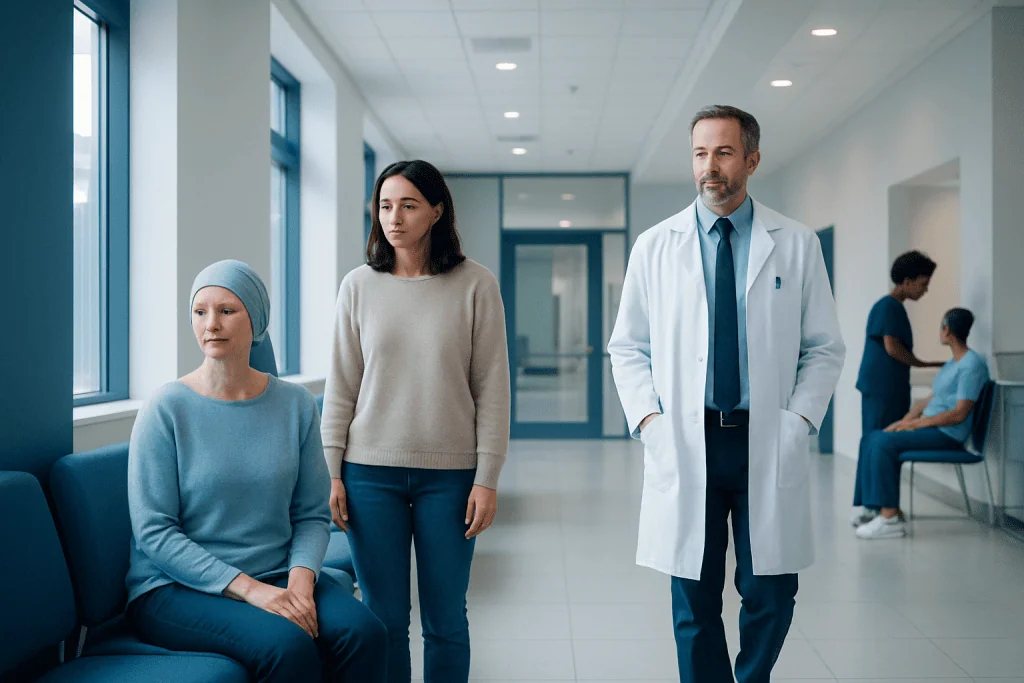
Cancer treatment recovery may take days, weeks, months, or longer depending on the treatment plan. Surgery, chemotherapy, radiation therapy, immunotherapy, and targeted therapy each have different recovery patterns.
Key Takeaways
- Cancer treatment recovery may take days, weeks, months, or longer depending on the treatment plan.
- Surgery, chemotherapy, radiation therapy, immunotherapy, and targeted therapy each have different recovery patterns.
- Energy levels often improve gradually, and fatigue can last longer than visible healing.
- Nutrition, sleep, movement, emotional support, and follow-up care all play an important role in recovery.
- A doctor should review severe pain, fever, breathing problems, dehydration, or symptoms that suddenly worsen.
Cancer treatment recovery does not follow one single schedule. The timeline depends on the type of treatment, the area treated, overall health, and whether side effects are short term or longer lasting.
Overview: Why recovery timelines differ
Cancer treatment recovery is highly individual. Two people with the same diagnosis may recover at different speeds because recovery is shaped by many factors, including age, general health, nutrition, the specific cancer, the stage of disease, and the treatments used. Some people return to most usual activities within a few weeks, while others need several months to regain strength and adjust to ongoing side effects.
Recovery also happens in layers. Physical healing may come first, such as wound healing after surgery or blood count recovery after chemotherapy. Energy, stamina, sleep quality, concentration, and emotional balance often take longer. This is why many doctors describe recovery as a process rather than a single finish line.
It can help to think about recovery in phases. The early phase often focuses on managing side effects and preventing complications. The next phase is rebuilding strength, appetite, and routine. A longer phase may involve monitoring for late effects, coping with anxiety about recurrence, and returning to work, travel, exercise, or family responsibilities at a comfortable pace.
A practical timeline after different cancer treatments
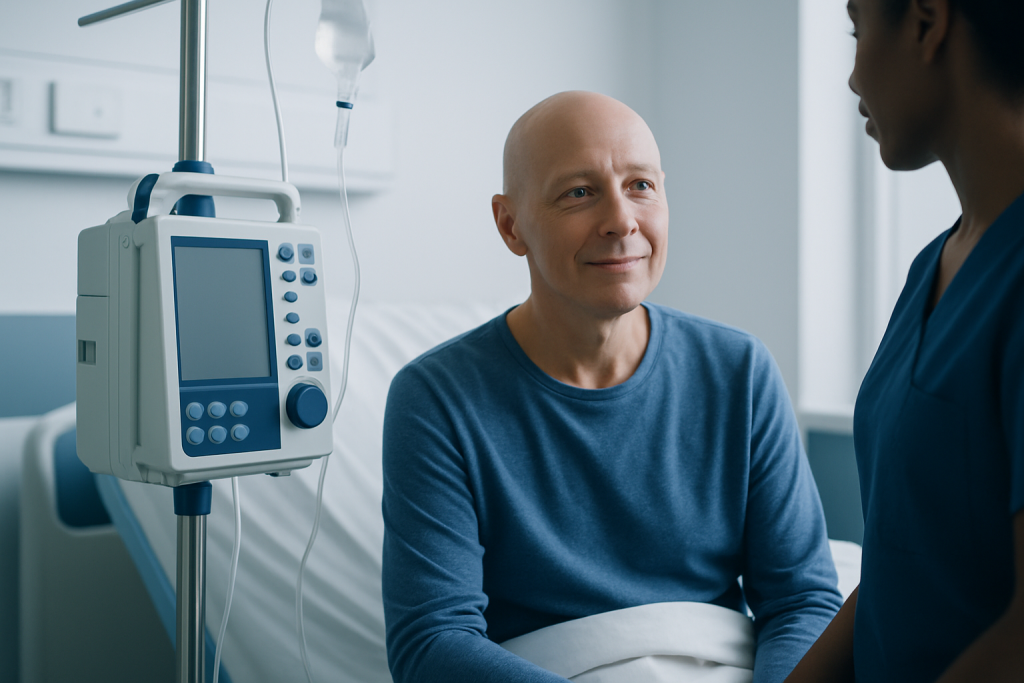
The shortest recovery period is not always the easiest, and the longest timeline is not always a sign that something is wrong. Each treatment affects the body in different ways. Some side effects appear during treatment and improve soon after it ends. Others build gradually and peak after treatment is completed.
After cancer surgery, hospital recovery may last a few days or longer depending on the procedure. Wound healing often takes several weeks, but full recovery from major operations can take several months. Pain, reduced mobility, swelling, and fatigue are common early on. People recovering from robotic surgery or less invasive procedures may return to daily tasks sooner than those who have open surgery, although internal healing still takes time.
After chemotherapy, recovery is often cyclical during treatment and then more gradual once treatment stops. Blood counts commonly dip and then recover between cycles. Nausea, appetite changes, mouth sores, and fatigue may improve within days to weeks after the last cycle, but weakness, brain fog, and hair regrowth may take longer. Recovery after chemotherapy may continue for several months as the body restores energy and normal blood cell production.
After radiation therapy, some people feel fairly well during the first part of treatment and more tired toward the end. Skin irritation and local discomfort often improve within a few weeks after treatment ends, but fatigue may last for several weeks or months. Depending on the treated area, recovery after radiation therapy can also include gradual healing of swallowing, bowel, urinary, or skin symptoms. Immunotherapy and targeted treatments may cause fewer traditional side effects than chemotherapy for some patients, but they can still lead to fatigue, skin changes, diarrhea, or hormone-related problems that need ongoing monitoring.
What affects how long cancer treatment recovery takes
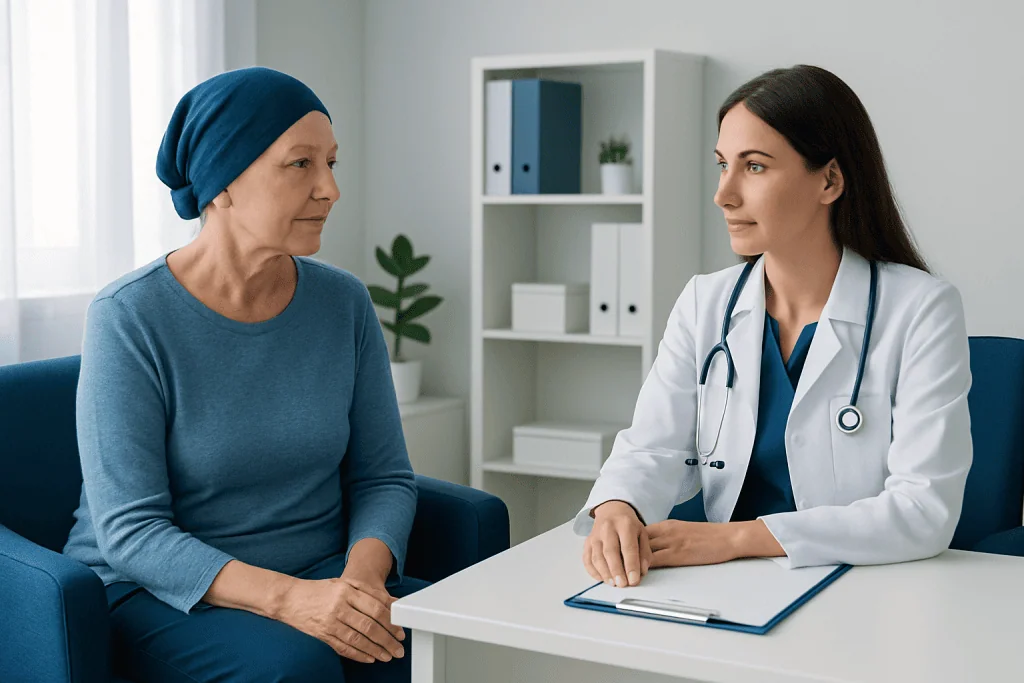
Recovery length depends first on the treatment plan itself. A single minor procedure usually has a shorter timeline than combined treatment with surgery, chemotherapy, and radiation. Treatment directed at the head and neck, chest, abdomen, pelvis, or bone marrow may also produce more complex recovery needs because these areas affect eating, breathing, digestion, mobility, or blood cell production.
General health matters as much as the treatment. People with heart disease, diabetes, lung disease, kidney problems, anemia, or poor nutrition may recover more slowly. Smoking, alcohol use, limited physical activity, and high stress can also make recovery harder. A strong support system often helps people attend appointments, eat regularly, manage medications, and stay active in safe ways.
Complications can extend recovery time. Infection, dehydration, severe nausea, significant weight loss, blood clots, poor wound healing, neuropathy, or low blood counts may delay a return to normal activities. Sometimes the reason recovery feels slow is not a medical problem but cumulative fatigue from months of treatment, reduced exercise, and disrupted sleep. Follow-up visits help doctors tell the difference between expected healing and signs that need treatment.
Emotional recovery is another important factor. Worry, sadness, irritability, sleep problems, or difficulty concentrating are common during and after treatment. Living with diagnoses such as cancer can affect work, finances, relationships, and confidence in the body. Addressing emotional health early can make overall recovery feel more manageable and more complete.
Common side effects during recovery
Fatigue is one of the most common and longest-lasting effects after cancer treatment. It is often different from ordinary tiredness and may not improve fully with one good night’s sleep. Many people notice that energy comes back slowly, with good days and more difficult days. Planning activities, taking short rests, and increasing movement gradually can help.
Pain and discomfort vary by treatment. Surgery may cause incision pain, stiffness, swelling, or limited movement. Chemotherapy can lead to nausea, taste changes, neuropathy, and body aches. Radiation may cause skin sensitivity or symptoms related to the treated area. Some treatments can affect fertility, sexual health, sleep, or hormone balance, and these issues deserve medical attention rather than being ignored.
Many people also notice changes in appetite, bowel habits, mood, memory, or concentration. These are common concerns and are not simply “in the mind.” Recovery may involve practical support such as dietitian guidance, physical therapy, pain management, counseling, or symptom medicines. If a person has persistent or new symptoms, doctors may check whether the cause is treatment-related, due to infection, or linked to another condition such as lymphoma or a different cancer type requiring separate follow-up.
- Fatigue and reduced stamina
- Loss of appetite or weight changes
- Pain, swelling, or limited mobility
- Sleep disturbance and emotional stress
- Neuropathy, brain fog, or trouble concentrating
- Skin, bowel, bladder, or swallowing symptoms depending on treatment area
How doctors assess recovery
Doctors do not measure recovery by one symptom alone. They look at the whole picture: wound healing, nutrition, hydration, lab results, signs of infection, pain control, bowel and bladder function, and the ability to manage daily activities. Follow-up schedules are designed to detect complications early and to support safe recovery at home.
Blood tests may be used to check red cells, white cells, platelets, kidney function, liver function, and sometimes hormone levels. Imaging tests may be needed to review healing after surgery or to monitor the response to treatment. For some cancers, doctors also track tumor markers or specific symptoms over time. Rehabilitation assessments may evaluate strength, balance, speech, swallowing, or mobility.
Recovery goals are often practical. These may include eating enough protein and calories, walking farther each week, reducing pain medicine safely, returning to work in stages, or rebuilding shoulder and arm movement after surgery. Personalized care plans are especially important for patients recovering from complex conditions such as breast cancer, where surgery, systemic treatment, and emotional recovery may overlap.
What helps recovery at home
Home recovery usually works best when it is steady rather than rushed. Rest is important, but complete inactivity can worsen fatigue, weakness, constipation, and low mood. Gentle walking and light movement, as approved by the care team, often support circulation, appetite, sleep, and confidence. The goal is to increase activity gradually without overexertion.
Nutrition and hydration are central to healing. Small, frequent meals can be easier than large meals when appetite is poor. Protein, fluids, fruits, vegetables, and easy-to-digest foods may help the body repair tissue and maintain energy. If taste changes, nausea, mouth soreness, or swallowing issues make eating difficult, a doctor or dietitian can suggest adjustments.
Good self-care also includes taking medicines as prescribed, caring for wounds properly, and keeping follow-up appointments. It helps to monitor symptoms such as fever, vomiting, diarrhea, shortness of breath, or sudden swelling and report them early. Emotional support matters too. Talking with family, a counselor, or a support group can reduce isolation and help people adjust to life after active treatment.
For some patients, structured support improves recovery. This may include physical therapy, pain management, psychosocial care, or palliative care focused on symptom relief and quality of life. Near the end of recovery planning, some international patients choose evaluation at centers such as Acibadem International, where multidisciplinary specialists in JCI-accredited hospitals diagnose and treat cancer and guide follow-up care.
When to see a doctor during recovery
Most side effects improve gradually, but some symptoms should not wait for the next routine appointment. A doctor should be contacted promptly for fever, chills, uncontrolled vomiting, severe diarrhea, signs of dehydration, chest pain, trouble breathing, confusion, or unusual bleeding. These symptoms may signal infection, medication effects, blood count problems, or another urgent complication.
Medical review is also important for worsening pain, redness or drainage from a wound, inability to eat or drink enough, sudden swelling in an arm or leg, severe constipation, or persistent numbness and weakness. If emotional distress becomes overwhelming, especially with panic, hopelessness, or inability to cope at home, professional help is just as important as care for physical symptoms.
It is also reasonable to ask for review when recovery simply feels slower than expected. Questions about fatigue, work, exercise, travel, intimacy, fertility, and recurrence concerns are common and appropriate. Clear communication with the care team can make recovery safer, more comfortable, and less uncertain.
Frequently asked questions
How long does it take to recover after cancer treatment?
Recovery can take anywhere from a few days to many months, depending on the treatment and the person's overall health. Minor procedures may have a shorter recovery, while major surgery or combined treatments often require a longer period of healing and rehabilitation.
Is it normal to feel tired for months after cancer treatment?
Yes, ongoing fatigue is common after cancer treatment and may last for weeks or months. It often improves gradually, especially with good nutrition, sleep, hydration, and gentle activity, but persistent or severe fatigue should be discussed with a doctor.
When do side effects from chemotherapy start to improve?
Some chemotherapy side effects begin to ease within days to weeks after a treatment cycle or after the final treatment. However, problems such as neuropathy, weakness, and concentration difficulties can take longer and sometimes need specific support.
Does recovery from radiation therapy continue after treatment ends?
Yes, radiation side effects may continue for a short time after treatment finishes because the body is still healing. Skin reactions and irritation often improve within weeks, while fatigue and area-specific symptoms may take longer.
Can someone work during cancer treatment recovery?
Some people can return to work part-time or with adjustments, while others need more time away. The decision depends on energy levels, treatment side effects, the type of job, and the doctor's advice about safety and readiness.
What are signs that recovery is not going as expected?
Warning signs include fever, worsening pain, shortness of breath, poor wound healing, severe vomiting or diarrhea, dehydration, unusual bleeding, or sudden swelling. A person should also seek help if they are unable to eat, drink, or manage daily activities safely.
References
- World Health Organization
- National Cancer Institute
- American Cancer Society
- Centers for Disease Control and Prevention
- European Society for Medical Oncology
This article is for general information only and is not a substitute for professional medical advice. Please consult a qualified doctor about your individual situation.
Oncology care in Turkey — second opinion and treatment plan
JCI-accredited · board-certified surgeons · reply within 24h
Add us as a Preferred Source to see more of our trusted health content across Google Search, AI Overviews and Discover.

Medical Oncology Department
Medical treatment of cancer with chemotherapy, immunotherapy and targeted therapies under a multidisciplinary tumor board.
60 specialists in this unit