How Many Ribs Do Humans Have? A Doctor-Reviewed Answer

Most adults have 12 pairs of ribs, for a total of 24 ribs. Rib number can vary in some people, such as with a cervical rib or a missing rib, and this may cause no symptoms.
Key Takeaways
- Most adults have 12 pairs of ribs, for a total of 24 ribs.
- Rib number can vary in some people, such as with a cervical rib or a missing rib, and this may cause no symptoms.
- Ribs protect the heart and lungs and help the chest expand during breathing.
- Rib pain is often due to strain, bruising, or inflammation, but severe pain, shortness of breath, or trauma needs medical review.
- Doctors may use a physical exam and imaging tests such as X-ray or CT when rib problems are suspected.
Most humans have 24 ribs in total, arranged as 12 pairs. In many cases, questions about rib number or rib shape are simply about normal anatomy, but pain, swelling, injury, or breathing difficulty should be assessed by a doctor.
Overview: How many ribs do humans have?
Most humans have 24 ribs, arranged as 12 pairs on the right and left sides of the chest. This is the usual anatomy in both men and women. A common myth suggests that men and women have different numbers of ribs, but in normal human anatomy they usually have the same number.
In many situations, asking how many ribs do humans have is simply a question about basic anatomy, and the answer is reassuring. Some people are born with a small variation, such as an extra rib or one fewer rib, and may never know unless an imaging test is done for another reason.
What matters more than the exact count is whether there are symptoms. Rib pain after a cough, exercise, or minor injury is often due to a muscle strain or local irritation. However, severe chest pain, breathing trouble, visible deformity after trauma, fever, or pain that does not improve should be medically evaluated.
How the ribs are arranged and what they do
The rib cage forms a protective framework around important organs, especially the heart and lungs. Each rib connects toward the back to the thoracic spine. Toward the front, many ribs connect directly or indirectly to the breastbone, also called the sternum, through cartilage. This structure helps the chest stay strong while still moving during breathing.
Doctors usually divide the ribs into three groups. The first seven pairs are called true ribs because they attach directly to the sternum through their own cartilage. Ribs 8 through 10 are called false ribs because they connect indirectly through shared cartilage. Ribs 11 and 12 are often called floating ribs because they do not attach to the sternum in front.
Ribs do more than protect internal organs. They also support breathing by allowing the chest to expand and contract. Muscles between the ribs, called intercostal muscles, work with the diaphragm to help move air in and out of the lungs. This is one reason pain in the rib area can become more noticeable during deep breathing, coughing, or twisting.
- 12 pairs of ribs is the usual pattern
- True ribs: pairs 1 to 7
- False ribs: pairs 8 to 10
- Floating ribs: pairs 11 and 12
Can rib number vary from person to person?

Yes. Although 24 ribs is the most common number, some people are born with an anatomical variation. One example is a cervical rib, an extra rib that develops above the first rib near the base of the neck. Another variation is having one fewer rib. These differences are usually present from birth and may be found incidentally on an X-ray or scan.
Many rib variations do not cause problems. In some cases, however, an extra rib can press on nearby nerves or blood vessels and contribute to pain, numbness, tingling, or arm symptoms. This may be part of a condition called thoracic outlet syndrome. If symptoms suggest pressure on nerves or circulation, a doctor may recommend further tests.
Rib shape can also vary slightly without changing the total number. For example, cartilage shape, rib angle, and chest wall contour differ from one person to another. These differences are often harmless. A specialist is usually only needed if the variation is linked with pain, limited movement, breathing concerns, or repeated symptoms.
Why the ribs may hurt even when the number is normal
Most questions about rib number arise because a person feels pain, tenderness, or a lump in the chest wall and wonders whether something is wrong with the ribs. Often, the rib count is normal and the issue is instead related to strain, inflammation, bruising, or irritation of the tissues around the ribs. Coughing, sports, lifting, and awkward movements can all trigger discomfort in this area.
Common causes of pain around the ribs include muscle strain, a bruised or fractured rib, and inflammation where the ribs meet the cartilage near the breastbone. That inflammation is often called costochondritis. Pain may feel sharp, sore, or worse with movement and deep breathing. In many cases, these problems improve with time and supportive care.
Not all pain in the rib area comes from the bones or cartilage themselves. Problems involving the lungs, lining of the lungs, digestive system, or nerves can also cause pain that seems to come from the ribs. Because chest discomfort has many possible causes, a medical review is important when symptoms are severe, persistent, or accompanied by shortness of breath, fever, dizziness, or recent injury.
How doctors check rib concerns
A doctor usually starts with a careful history and physical examination. They may ask when the pain began, whether there was a fall or impact, if it gets worse with breathing or movement, and whether there are symptoms such as cough, fever, numbness, or weakness. On examination, they may press gently along the rib cage, check for swelling or bruising, and listen to the heart and lungs.
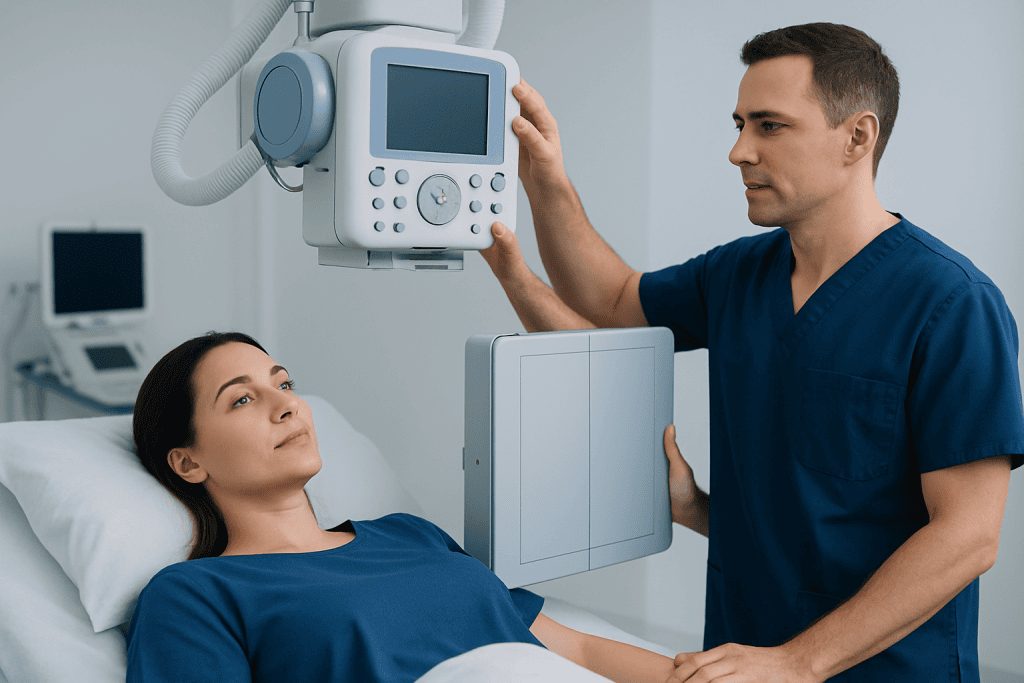
If a fracture, structural variation, or another chest problem is suspected, imaging may be recommended. A plain X-ray is often the first step, especially after injury. Depending on the situation, further imaging may include chest X-ray, CT scan, or MRI scan. These tests help assess the ribs, surrounding soft tissues, and nearby organs.
Blood tests are not always needed for simple rib pain, but they may be used if infection, inflammation, or another medical condition is a concern. If symptoms suggest a nerve or blood vessel problem related to an extra rib, the doctor may arrange additional vascular or neurological evaluation. The overall goal is to confirm whether the issue is a harmless variation, an injury, or a condition needing treatment.
Treatment options for rib pain or rib abnormalities
Treatment depends on the cause rather than the rib count itself. If the number of ribs is simply a normal variation and there are no symptoms, no treatment may be needed. For muscle strain, minor bruising, or cartilage irritation, doctors often recommend rest, avoiding movements that worsen pain, and general pain relief measures as appropriate for the individual.
When a rib is fractured, treatment is usually supportive while the bone heals. This may include pain management, breathing exercises, and guidance on safe activity. Good pain control matters because it helps a person breathe deeply and cough effectively, which supports lung health during recovery. More serious injuries may need closer monitoring, especially if multiple ribs are involved.
If an extra rib is causing compression of nerves or blood vessels, treatment may begin with posture advice, physical therapy, and symptom management. In selected cases, surgery is considered. If chest wall symptoms are related to another condition, the doctor treats that underlying cause. For example, persistent structural chest complaints may sometimes lead to assessment by specialists in thoracic or orthopedic care. Acibadem International’s multidisciplinary specialists at JCI-accredited hospitals diagnose and treat rib-related conditions and chest wall concerns for international patients.
Self-care and prevention
Not every rib problem can be prevented, but some practical steps can reduce the risk of injury and strain. Using proper technique during exercise and lifting, wearing appropriate protective equipment in contact sports, and building core and upper-body strength may help support the chest wall. It is also sensible to avoid sudden increases in training intensity.
For mild discomfort, temporary rest and gentle movement are usually more helpful than complete immobility. Supporting good posture may ease strain around the rib cage and upper back. During respiratory infections, managing cough under medical guidance can also reduce repeated stress on the ribs and chest muscles.
People recovering from a rib injury should follow medical advice closely. Deep breathing exercises may be recommended to help keep the lungs expanded. It is important not to ignore worsening pain, fever, or breathlessness during recovery, as these can signal complications that need prompt attention.
When to seek medical care
Medical care is advisable if rib pain follows a fall, blow to the chest, sports injury, or car accident. An urgent review is also important if pain is severe, if breathing feels difficult, or if the chest looks misshapen. These symptoms can suggest a fracture or injury involving the lungs or chest wall.
A doctor should also assess pain that lasts more than a few days, keeps coming back, or is associated with fever, cough, unexplained swelling, numbness, weakness, or symptoms in the arm. These signs do not always mean a serious problem, but they do deserve a proper examination to identify the cause and guide treatment.
If chest pain is sudden, crushing, or accompanied by fainting, severe shortness of breath, or symptoms spreading to the arm, back, jaw, or neck, emergency care is needed. Not all chest pain comes from the ribs, so it is safer to have urgent symptoms checked without delay.
Frequently asked questions
Do men and women have the same number of ribs?
Yes. In normal human anatomy, men and women usually have the same number of ribs: 12 pairs, or 24 ribs in total. The old idea that men have fewer ribs is a myth, not a medical fact.
Is it normal to have an extra rib?
Some people are born with an extra rib, often called a cervical rib. This can be a harmless anatomical variation and may never cause symptoms. If it presses on nearby nerves or blood vessels, a doctor may investigate further.
What are floating ribs?
Floating ribs are the 11th and 12th pairs of ribs. They attach to the spine at the back but do not connect to the sternum in the front. This is a normal part of rib anatomy.
Can a person live normally with fewer than 24 ribs?
Yes, if the difference is a congenital variation and there are no related problems. Some people have one fewer rib and do not experience any symptoms. A doctor may only need to assess it if there is pain, deformity, or another concern.
How do doctors know if rib pain is from a fracture or just a strain?
Doctors use the pattern of symptoms, the physical exam, and sometimes imaging such as an X-ray or CT scan. Pain after a direct blow raises concern for fracture, while pain linked to movement or overuse may point to a strain. Imaging is especially helpful when symptoms are significant or the diagnosis is unclear.
Should rib pain always be checked by a doctor?
Not always. Mild pain after minor strain may improve with rest and supportive care. However, a medical review is recommended if the pain is severe, follows trauma, affects breathing, or does not improve.
References
- Cleveland Clinic
- MedlinePlus
- National Health Service
- Mayo Clinic
- Merck Manual Consumer Version
This article is for general information only and is not a substitute for professional medical advice. Please consult a qualified doctor about your individual situation.
Explore treatments in Turkey — costs, top hospitals & a free quote
JCI-accredited · board-certified surgeons · reply within 24h
Add us as a Preferred Source to see more of our trusted health content across Google Search, AI Overviews and Discover.