

How Many Stages of Cancer Are There?

Most solid cancers are staged from 0 to 4. Higher stage generally means more growth or spread, but it does not predict the exact outcome for one person.
Key Takeaways
- Most solid cancers are staged from 0 to 4.
- Higher stage generally means more growth or spread, but it does not predict the exact outcome for one person.
- Doctors often use the TNM system to determine cancer stage.
- Some cancers, such as blood cancers, use different staging or classification systems.
- Cancer stage can guide treatment planning, follow-up, and discussions about prognosis.
Cancer stages usually run from stage 0 to stage 4, although not every cancer uses the same system. Staging helps doctors describe how much cancer is present, whether it has spread, and which treatments may be most appropriate.
Overview: how cancer stages work
When people ask how many stages of cancer there are, the simplest answer is that many cancers are grouped into stages 0, 1, 2, 3, and 4. These stages describe how much cancer is in the body, how deeply it has grown into nearby tissues, and whether it has spread to lymph nodes or other organs. Staging gives doctors a common language to discuss the disease and plan care.
In general, stage 0 refers to very early abnormal cells that have not invaded deeper tissue. Stages 1 to 3 often describe cancers that are increasingly larger or more locally advanced. Stage 4 usually means the cancer has spread to distant parts of the body. However, each cancer type has its own rules, so stage 2 in one cancer is not directly comparable to stage 2 in another.
Not all cancers follow the same staging system. Many solid tumors, such as breast, lung, colon, and prostate cancers, are staged numerically. Some cancers, including leukemia and certain brain tumors, may use other classification methods instead of the standard 0-to-4 approach. This is why a doctor explains stage in the context of the specific cancer type.
What each stage usually means
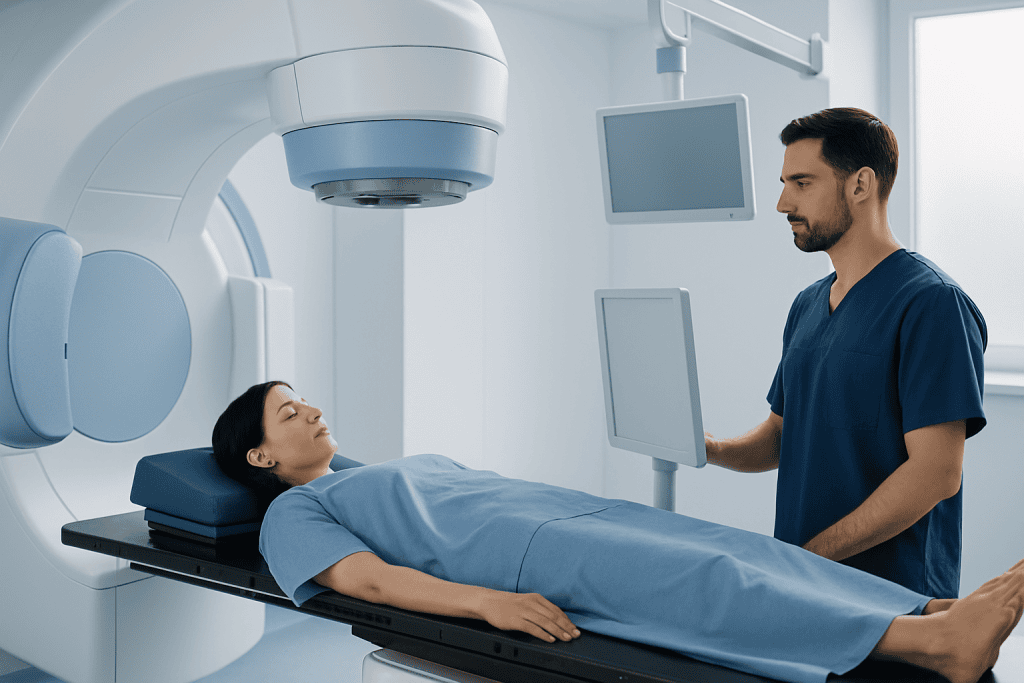
Stage 0 is often called carcinoma in situ. This means abnormal cells are present but have not grown beyond the layer where they started. In some cancers, stage 0 may be highly treatable because the disease is still very localized.
Stage 1 usually means a small cancer that is limited to the organ where it began. Stage 2 and stage 3 commonly indicate a larger tumor, deeper growth into nearby tissue, spread to nearby lymph nodes, or a combination of these features. The exact meaning depends on the organ involved and the cancer subtype.
Stage 4 generally means metastatic cancer, which has spread to distant organs or tissues. This can sound frightening, but stage 4 does not mean there are no treatment options. Many people receive medicines, radiation, surgery, or supportive care that can control disease, relieve symptoms, and improve quality of life.
Some stages are also divided into letters such as A, B, or C. These sub-stages provide more detail. For example, stage 2A and stage 2B are both stage 2, but one may describe a slightly different tumor size or pattern of spread.
The TNM system and why it matters

For many solid cancers, doctors use the TNM system to assign a stage. TNM stands for Tumor, Nodes, and Metastasis. The T category describes the size of the main tumor and whether it has grown into nearby tissues. The N category shows whether cancer has reached nearby lymph nodes. The M category indicates whether it has spread to distant parts of the body.
These categories are combined to determine the overall stage. For example, a small tumor with no lymph node involvement or distant spread may be stage 1, while a larger tumor with affected lymph nodes may be stage 3. If there is distant spread, the cancer is often considered stage 4. This process helps standardize care across hospitals and specialists.
Doctors may refer to a clinical stage and a pathologic stage. Clinical stage is based on the physical examination, imaging scans, endoscopy, and biopsy results before treatment begins. Pathologic stage is determined after surgery, when removed tissue can be examined more closely under a microscope. The pathologic stage can sometimes provide more precise information.
Staging is only one part of the overall picture. Doctors also consider the cancer grade, which describes how abnormal the cells look, along with biomarkers, genetic changes, the person’s age, general health, and treatment goals. Together, these details support a more personalized care plan.
Do all cancers have the same stages?
No. Although the 0-to-4 system is widely used, not every cancer fits neatly into it. Blood cancers such as leukemia are not usually staged this way because they involve blood and bone marrow rather than forming one solid tumor. Lymphomas often use their own staging system, commonly stages 1 through 4, based on the number and location of affected lymph node areas and organs.
Brain tumors may also be described differently. In many cases, doctors focus more on the tumor type, grade, molecular features, and location than on a traditional stage number. Gynecologic cancers, digestive cancers, and skin cancers may all have specific staging rules that reflect how those diseases behave.
Even within a single cancer type, stage is only part of the story. For example, two people with the same stage of breast cancer may have different treatment recommendations depending on hormone receptor status, HER2 status, or other test results. Likewise, in lung cancer, genetic testing can strongly influence treatment choices.
This is one reason patients are encouraged to ask their doctor exactly what their stage means in their own case. A stage number gives useful structure, but it does not replace a personalized explanation.
How doctors determine cancer stage
Staging begins with gathering accurate information about the cancer. A doctor may start with a medical history and physical examination, then use blood tests, imaging scans, endoscopy, or a biopsy to learn more. Common imaging tests include CT, MRI, PET, ultrasound, and X-rays, depending on the suspected cancer type.
A biopsy is often essential because it confirms whether cancer is present and identifies the specific kind of cells involved. In some situations, surgery is also used to stage the disease more accurately. During an operation, the surgeon may remove the tumor and sample nearby lymph nodes to see whether cancer has spread microscopically.
Once the stage is known, the care team can discuss treatment options more clearly. These may include chemotherapy, radiation therapy, surgery, targeted therapy, immunotherapy, hormone therapy, or combinations of these approaches. Staging also helps doctors compare treatment results and design follow-up plans after initial therapy.
Sometimes the stage changes only in the sense that more information becomes available after treatment starts. However, the original stage at diagnosis remains an important reference point for medical records, research, and long-term planning.
How stage affects treatment and outlook
Cancer stage is one of the main factors used to choose treatment. Earlier-stage cancers may be treated with the goal of removing or destroying all visible disease, often with surgery or localized radiation. More advanced cancers may require systemic treatments that travel through the body, such as immunotherapy or other medicines, sometimes along with surgery or radiation.
Stage also helps doctors discuss prognosis, which means the likely course of the disease. In general, lower-stage cancers tend to have a better outlook than higher-stage cancers, but this is not a rule for every individual. The exact outlook depends on many factors, including cancer type, tumor biology, response to treatment, and overall health.
It is important to remember that stage does not tell the whole story. Some early-stage cancers can be aggressive, while some advanced cancers can be controlled for long periods. New treatments continue to improve care for many cancers, including those that have spread.
Patients may also hear terms such as resectable, locally advanced, recurrent, or metastatic. These terms describe aspects of the cancer that may overlap with stage but are not identical. Asking the care team to explain each term can help patients and families feel more informed and prepared.
Questions to ask after a cancer staging diagnosis
Learning a cancer stage can feel overwhelming, especially when many new medical terms are introduced at once. It can help to bring a family member or friend to appointments, take notes, and ask for a written summary. Many people find it easier to process information gradually over several visits.
Useful questions include:
- What type of cancer is it, and what stage is it?
- How was this stage determined?
- Has the cancer spread to lymph nodes or other organs?
- What further tests are needed?
- What treatments are recommended, and what are their goals?
- Should genetic, molecular, or biomarker testing be done?
- Would a second opinion be helpful?
For people seeking care abroad, coordinated cancer services can make the process smoother. Acibadem International’s multidisciplinary specialists and JCI-accredited hospitals diagnose and treat many forms of cancer for international patients, with treatment plans based on the cancer type, stage, and individual needs.
Understanding stage can reduce uncertainty, even if the diagnosis itself is difficult. A clear explanation from the medical team helps patients take an active role in decisions and prepare for the next steps in care.
When to see a doctor
Cancer staging is done after cancer is suspected or confirmed, but it is also important not to ignore symptoms that could need evaluation. A person should arrange medical assessment if they notice a persistent lump, unexplained weight loss, unusual bleeding, a change in bowel or bladder habits, a long-lasting cough, ongoing pain, or a sore that does not heal. These symptoms do not always mean cancer, but they deserve proper medical attention.
Anyone who has already been diagnosed with cancer should contact their doctor promptly if symptoms change, treatment side effects become difficult to manage, or new concerns appear between appointments. Early communication can help the care team adjust treatment, investigate symptoms, and provide support.
People with a strong family history of cancer or inherited cancer syndromes may also benefit from speaking with a doctor about screening and risk assessment. Regular screening can sometimes detect certain cancers before symptoms develop, which may allow diagnosis at an earlier stage.
Frequently asked questions
How many stages of cancer are there?
Many solid cancers are described in stages 0, 1, 2, 3, and 4. Stage 0 is very early disease, while stage 4 usually means the cancer has spread to distant parts of the body. Not every cancer uses this exact system.
Is stage 4 always the last stage of cancer?
In many cancers, stage 4 is the highest numbered stage and usually means metastatic disease. However, this does not mean treatment is impossible. Many stage 4 cancers can still be treated to control disease, reduce symptoms, and support quality of life.
What is the difference between grade and stage?
Stage describes how much cancer is present and whether it has spread. Grade describes how abnormal the cancer cells look under a microscope and how quickly they may grow. Both are important when doctors plan treatment.
Can cancer stage change over time?
The stage assigned at diagnosis usually remains the official stage for medical records and treatment planning. If cancer comes back or spreads later, doctors describe that as recurrent or metastatic disease rather than changing the original stage. New test results can still add important detail over time.
Do all cancers have stage 0?
No. Stage 0 is used for some cancers when abnormal cells are still confined to where they started and have not invaded deeper tissue. Many cancers do not have a stage 0 category.
Why are more tests needed after cancer is found?
After cancer is detected, more tests may be needed to learn its exact type, size, location, and whether it has spread. This information is essential for accurate staging. Accurate staging helps doctors recommend the most appropriate treatment plan.
References
- American Cancer Society
- National Cancer Institute
- AJCC Cancer Staging Manual
- World Health Organization
- National Comprehensive Cancer Network
This article is for general information only and is not a substitute for professional medical advice. Please consult a qualified doctor about your individual situation.
Oncology care in Turkey — second opinion and treatment plan
JCI-accredited · board-certified surgeons · reply within 24h
Add us as a Preferred Source to see more of our trusted health content across Google Search, AI Overviews and Discover.

More from the Health Library



Related Specialists

Dr. Artunç Kaan Turanoğlu
Otorhinolaryngology
Assoc. Prof. Dr. Onur Taşar
Cardiology
Prof. Dr. Serdar Beken
Neonatal Intensive Care Unit
Prof. Dr. Meral Bayramoğlu
Physical Medicine & Rehabilitation