How Memory Problems Are Diagnosed: Exams, Brain Imaging, and Cognitive Testing

Diagnosing memory problems usually starts with a detailed medical history and physical and neurological examination. Cognitive tests help measure memory, language, attention, and problem-solving skills.
Key Takeaways
- Diagnosing memory problems usually starts with a detailed medical history and physical and neurological examination.
- Cognitive tests help measure memory, language, attention, and problem-solving skills.
- Blood tests and brain imaging can identify treatable conditions or rule out other causes.
- Memory changes are not always dementia; depression, sleep problems, medication effects, and vitamin deficiencies can also play a role.
- Early assessment can help people and families plan care and begin treatment or support sooner.
Memory problems are diagnosed through a step-by-step evaluation that looks for reversible causes, measures thinking skills, and checks for changes in the brain. A careful diagnosis helps doctors choose the most appropriate treatment, support, and follow-up plan.
Overview: How doctors diagnose memory problems
Memory problems can have many causes, from stress and poor sleep to medication side effects, depression, stroke, or neurodegenerative conditions. Because the causes are so varied, diagnosis is usually done in stages rather than with a single test. The goal is to understand what kind of memory change is happening, how severe it is, when it started, and whether it is getting worse over time.
Doctors often begin by asking detailed questions about symptoms, daily functioning, medical history, and family history. They also look at mood, sleep, hearing, vision, and other factors that can affect thinking. This broad approach helps separate normal age-related forgetfulness from mild cognitive impairment or conditions such as Alzheimer's disease.
A diagnosis is not based only on forgetting names or misplacing items occasionally. Instead, clinicians look for patterns. For example, they may ask whether a person repeats the same questions, gets lost in familiar places, struggles with bills or medications, or has changes in language, judgment, or personality. Information from a family member or close friend is often helpful because they may notice changes the person does not recognize.
Medical history and physical examination
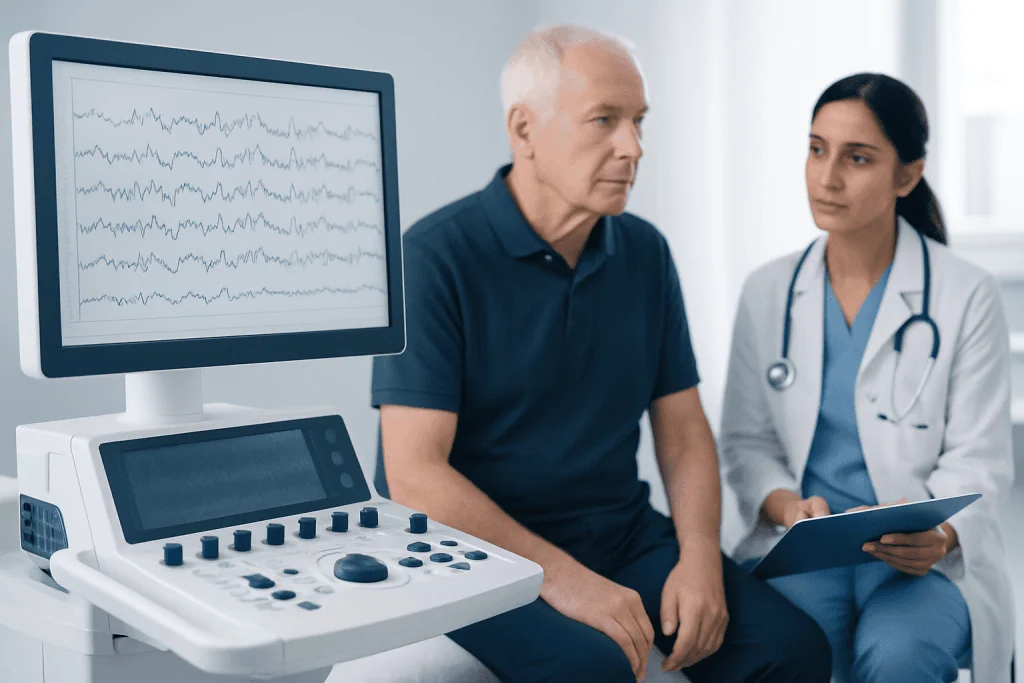
The first part of memory problems diagnosis is usually a thorough clinical interview. A doctor will ask when symptoms began, whether they came on suddenly or gradually, and if they are stable or worsening. Sudden changes can suggest a different cause than slow, progressive changes. The doctor may also ask about head injury, alcohol use, sleep apnea, thyroid disease, infections, and past strokes.
Medication review is especially important. Some prescription drugs, over-the-counter medicines, and supplements can affect memory, alertness, or concentration. Sedatives, some antihistamines, certain pain medications, and drugs with anticholinergic effects are common examples. Reviewing all medications can help identify reversible contributors.
A physical examination may look at blood pressure, heart rhythm, gait, balance, hearing, and vision. These issues can influence brain function and daily independence. A neurological exam checks reflexes, strength, sensation, coordination, eye movements, and speech to look for signs pointing to stroke, Parkinsonian conditions, neuropathy, or other nervous system disorders.
Doctors also ask about activities of daily living. They may explore whether the person can manage shopping, cooking, finances, transportation, medications, and appointments. Functional changes often provide important clues about the severity and real-world impact of memory symptoms.
Cognitive testing and mental status evaluation

Cognitive testing is a central part of evaluating memory concerns. These tests do not only measure memory. They also assess attention, language, executive function, orientation, visual-spatial skills, and processing speed. Looking across these areas helps clinicians see whether the pattern fits normal aging, mild cognitive impairment, delirium, depression-related cognitive symptoms, or dementia.
Short screening tools may be used in the clinic to get an initial picture of thinking skills. If more detail is needed, a person may be referred for formal neuropsychological testing. This is a longer, more structured assessment performed by a trained specialist. It can show strengths and weaknesses across different brain functions and may help distinguish among possible causes.
Doctors sometimes repeat cognitive testing over time. This can be useful when symptoms are mild, when the diagnosis is uncertain, or when monitoring response to treatment. Changes on repeat testing may reveal progression that was not obvious at the first visit.
Testing is interpreted in context. Education level, language, cultural background, vision, hearing, fatigue, anxiety, and mood can all affect performance. For that reason, poor test results do not automatically mean dementia, and normal results do not always rule out a very early problem.
Laboratory tests and brain imaging
Blood tests are often part of memory problems diagnosis because some causes are treatable. Doctors may check for vitamin B12 deficiency, thyroid problems, liver or kidney dysfunction, electrolyte imbalance, anemia, infection, or uncontrolled diabetes. Depending on the person’s history, other tests may be added. Identifying and treating these issues can sometimes improve memory or prevent further decline.
Brain imaging helps doctors look for structural changes or other conditions that might explain symptoms. Magnetic resonance imaging is commonly used because it can show strokes, brain shrinkage, tumors, bleeding, hydrocephalus, or white matter changes. In some situations, computed tomography may be used, especially if MRI is not suitable or if urgent imaging is needed. When appropriate, a doctor may recommend MRI imaging or a brain MRI to clarify the cause of cognitive changes.
In selected cases, more advanced tests may be considered. These can include functional imaging, sleep studies, or tests of cerebrospinal fluid. Such tools are usually used when the diagnosis remains unclear after standard assessment or when a specialist needs more information about a suspected neurodegenerative disorder.
Imaging is only one piece of the puzzle. A scan may support a diagnosis, but it does not replace the clinical history and cognitive assessment. Doctors combine all findings to reach the most accurate conclusion possible.
Common causes doctors look for
Not all memory problems are caused by dementia. Doctors often look first for reversible or partially reversible conditions. Depression, anxiety, grief, chronic stress, poor sleep, hearing loss, infections, nutritional deficiencies, dehydration, and medication effects can all make memory and concentration worse. Treating these issues may lead to noticeable improvement.
When symptoms are persistent or progressive, clinicians may consider mild cognitive impairment or neurodegenerative disorders. Memory-predominant decline may raise concern for dementia or Alzheimer’s disease, while other patterns can suggest frontotemporal dementia, vascular cognitive impairment, Lewy body disease, or Parkinson-related cognitive changes. The exact pattern of symptoms matters.
Doctors also consider vascular causes such as stroke or small vessel disease, especially in people with high blood pressure, diabetes, high cholesterol, or a history of smoking. In these cases, changes in thinking may affect attention, speed, planning, and organization as much as memory itself.
Sometimes memory trouble is related to a medical emergency such as delirium, which can cause sudden confusion and inattention. Delirium can be triggered by infection, surgery, dehydration, medication changes, or hospitalization. Recognizing it quickly is important because it needs urgent medical attention.
What happens after the diagnosis
Once the evaluation is complete, the doctor explains what is known, what is still uncertain, and what the next steps should be. Some people are told they have normal age-related memory changes, while others may be diagnosed with mild cognitive impairment or a specific disease. In some situations, follow-up over time is the safest way to clarify how symptoms are evolving.
Treatment depends on the cause. It may involve changing medications, correcting vitamin deficiencies, treating thyroid disease, improving sleep, managing depression, or controlling vascular risk factors such as blood pressure and diabetes. If a neurodegenerative condition is diagnosed, care may include symptom-targeted medicines, cognitive support, rehabilitation strategies, and planning for safety and daily living.
Support for the person and family is an important part of care. Education about routines, reminders, medication management, driving safety, home safety, and legal or financial planning can reduce stress. Some patients may also benefit from specialist services such as neurology care or a comprehensive medical check-up when symptoms are complex or involve more than one health issue.
For international patients, Acibadem International’s multidisciplinary specialists and JCI-accredited hospitals evaluate memory concerns with coordinated neurological, imaging, and laboratory services when needed. The focus remains on clear diagnosis, individualized treatment, and practical support.
When to seek medical advice
It is a good idea to seek medical advice when memory problems begin to affect daily life, work, medication use, safety, finances, or social activities. An evaluation is also important if family members notice repeated questions, confusion in familiar settings, or changes in judgment, language, or behavior. Early assessment can identify treatable causes and provide reassurance when symptoms are not due to a serious condition.
Urgent medical attention is needed if confusion starts suddenly or is accompanied by weakness, facial drooping, trouble speaking, severe headache, fever, falls, or reduced alertness. These symptoms can point to stroke, infection, or delirium and should not be ignored.
People should not assume that all memory decline is a normal part of aging. Mild forgetfulness can occur with age, but persistent or worsening cognitive changes deserve professional review. A timely diagnosis often makes treatment and planning easier.
Families can help by keeping a record of symptoms, medication lists, and examples of day-to-day changes before the appointment. This information can make the assessment more accurate and productive.
Frequently asked questions
What tests are done to diagnose memory problems?
Doctors usually combine several steps rather than relying on one test. These may include a medical history, physical and neurological examination, cognitive testing, blood tests, and brain imaging such as MRI or CT when appropriate.
Can blood tests show the cause of memory loss?
Blood tests can help detect treatable conditions that affect memory, such as vitamin B12 deficiency, thyroid disease, infection, anemia, or metabolic problems. They do not diagnose every cause of memory loss, but they are an important part of the evaluation.
Does memory loss always mean dementia?
No. Memory problems can also be caused by depression, anxiety, sleep disorders, medication side effects, alcohol use, hearing loss, or other medical issues. That is why a careful assessment is needed before making a diagnosis.
What is the difference between a screening test and neuropsychological testing?
A screening test is a short clinic-based tool that gives a quick overview of thinking abilities. Neuropsychological testing is longer and more detailed, often assessing multiple brain functions to better define the pattern and severity of cognitive changes.
Why is brain imaging used in memory problems diagnosis?
Brain imaging helps doctors look for strokes, tumors, bleeding, hydrocephalus, or patterns of brain shrinkage that may help explain symptoms. It is usually used together with history, examination, and cognitive testing rather than as a stand-alone answer.
When should someone see a doctor about memory changes?
A doctor should be consulted when memory changes are frequent, worsening, or beginning to affect daily tasks, safety, finances, or medication use. Urgent care is needed if confusion appears suddenly or comes with stroke-like symptoms, fever, or reduced alertness.
References
- World Health Organization
- National Institute on Aging
- Alzheimer's Association
- American Academy of Neurology
- National Institute of Neurological Disorders and Stroke
This article is for general information only and is not a substitute for professional medical advice. Please consult a qualified doctor about your individual situation.
Explore treatments in Turkey — costs, top hospitals & a free quote
JCI-accredited · board-certified surgeons · reply within 24h
Add us as a Preferred Source to see more of our trusted health content across Google Search, AI Overviews and Discover.
Check your numbers in seconds
BMI, calories, due date, blood pressure and 30+ more clinical calculators — free, instant, doctor-reviewed ranges.