How Much Deep Sleep Do You Need? Causes, Explanations, and Next Steps

Most healthy adults get about 1 to 2 hours of deep sleep in a full night, though the exact amount varies. Deep sleep usually occurs more in the first half of the night and naturally changes with age.
Key Takeaways
- Most healthy adults get about 1 to 2 hours of deep sleep in a full night, though the exact amount varies.
- Deep sleep usually occurs more in the first half of the night and naturally changes with age.
- A low deep sleep score on a consumer tracker does not always mean there is a medical problem.
- Stress, alcohol, irregular sleep schedules, pain, medications, and sleep disorders can reduce deep sleep.
- Medical care is important if low-quality sleep comes with snoring, witnessed breathing pauses, insomnia, or daytime fatigue.
Most adults spend roughly 13% to 23% of sleep in deep sleep, which often works out to about 1 to 2 hours per night. Night-to-night changes are common and often harmless, but persistent poor sleep, loud snoring, breathing pauses, or daytime sleepiness may deserve medical review.
Overview: how much deep sleep do you need?
For most adults, a typical amount of deep sleep is about 1 to 2 hours per night. In percentage terms, that is often around 13% to 23% of total sleep, although the exact amount can vary from person to person and from night to night. A single low reading on a sleep tracker is usually not a reason to worry.
Deep sleep, also called slow-wave sleep or stage N3 sleep, is the most physically restorative stage of non-rapid eye movement sleep. During this stage, the brain shows slower wave patterns, the body becomes less responsive to the environment, and important recovery processes take place. These include tissue repair, immune support, and aspects of memory and learning.
What matters most is not only one number, but the overall pattern: enough total sleep, a regular sleep schedule, and feeling reasonably rested during the day. If someone sleeps 7 to 9 hours, wakes refreshed, and functions well, a slightly lower or higher estimated amount of deep sleep may still be normal for them.
The main exception is when reduced deep sleep comes with warning signs such as loud snoring, gasping, repeated awakenings, significant insomnia, morning headaches, or excessive daytime sleepiness. In these situations, a doctor may look for an underlying sleep condition rather than focusing only on the deep sleep number itself.
Why deep sleep matters
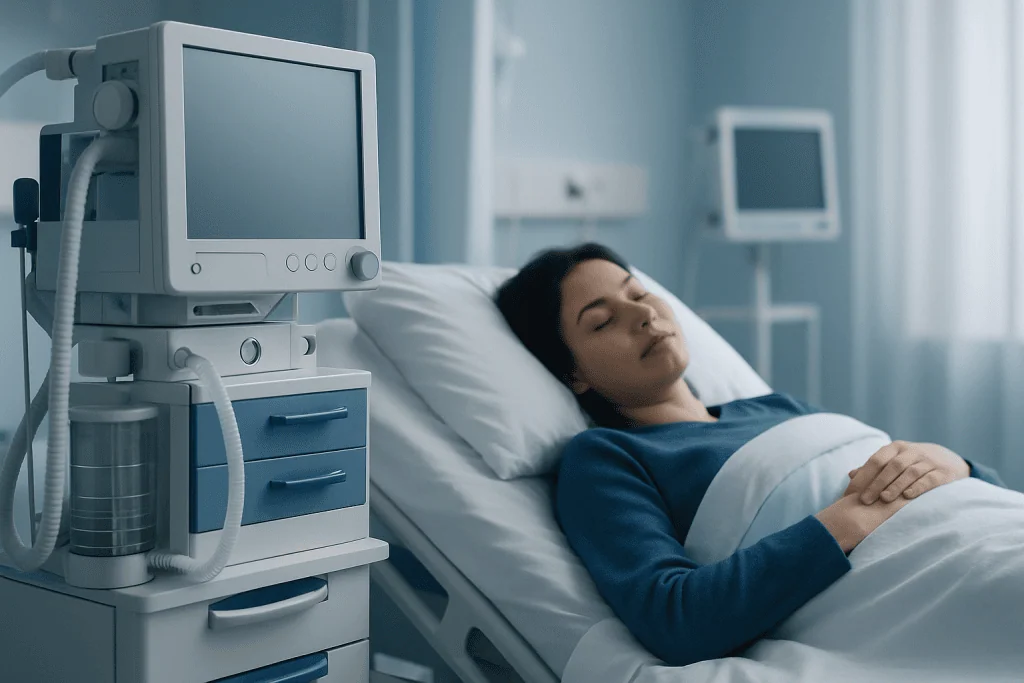
Deep sleep plays a central role in physical recovery. Heart rate and breathing slow, muscles relax, and the body carries out repair processes that help maintain health. This stage is also linked to growth hormone release, which supports tissue healing and normal metabolism.
Deep sleep also helps the brain. It contributes to memory consolidation, especially for factual information, and may support mental sharpness, emotional balance, and the brain’s natural housekeeping processes. When deep sleep is reduced over time, a person may notice feeling less refreshed, more forgetful, or more sensitive to stress.
That said, sleep health is broader than deep sleep alone. Light sleep, REM sleep, total sleep time, and sleep continuity are all important. Someone can become overly focused on a tracker score and start worrying about sleep, which can itself make sleep worse. This pattern is sometimes called sleep-related performance anxiety.
It helps to think of deep sleep as one part of a larger picture. Rather than chasing a perfect number, the better goal is stable, restorative sleep overall, with attention to symptoms and day-to-day function.
What is a normal amount by age?

Age strongly affects deep sleep. Infants and children generally spend more time in deep sleep because growth and brain development are especially active. Teenagers and young adults also tend to get more deep sleep than older adults.
As people age, deep sleep usually decreases. This is a normal biological change and does not always mean there is a health problem. Older adults may sleep more lightly, wake more often, and spend less time in slow-wave sleep even when their overall sleep duration is adequate.
A rough guide is that healthy adults often get around 1 to 2 hours of deep sleep in a 7- to 9-hour night. Some nights will naturally be lower, especially after stress, travel, alcohol use, illness, or an irregular bedtime. Deep sleep also tends to be concentrated in the first part of the night, so going to bed very late or cutting sleep short can reduce it.
Consumer wearables can be useful for noticing broad patterns, but they cannot diagnose sleep stages with the precision of a formal sleep study. If a wearable repeatedly reports low deep sleep but a person feels well and has no red flags, it may reflect imperfect measurement rather than disease.
What can reduce deep sleep?
Many everyday factors can affect deep sleep. Common causes include stress, anxiety, inconsistent sleep schedules, shift work, jet lag, alcohol, heavy evening meals, caffeine late in the day, and sleeping in a noisy or uncomfortable environment. Pain and illness can also fragment sleep and reduce restorative stages.
Some medicines may influence sleep architecture as well. Depending on the person and the medication, certain antidepressants, stimulants, sedatives, steroids, or other drugs may alter the balance of sleep stages. It is important not to stop prescribed medication without medical advice, but it can be helpful to ask a doctor whether a medicine may be affecting sleep.
Sometimes low deep sleep is related to an underlying sleep disorder. Obstructive sleep apnea can repeatedly interrupt breathing and break up deep sleep, even if the person does not remember waking. Chronic insomnia can also reduce sleep continuity and leave someone feeling unrefreshed. Related conditions may include sleep apnea or persistent insomnia.
Other medical issues can interfere with restorative sleep too, including restless legs symptoms, depression, neurological disease, hormone changes, chronic pain, and some lung or heart conditions. When symptoms persist, identifying and treating the underlying cause is more useful than trying to increase deep sleep through gadgets alone.
Signs that low deep sleep may need medical attention
In many people, changes in deep sleep are temporary and harmless. A few poor nights after stress, travel, a busy work period, or minor illness are common. Medical review becomes more important when sleep problems continue for weeks or begin to affect safety, concentration, mood, or daily functioning.
Warning signs include loud snoring, witnessed pauses in breathing, choking or gasping during sleep, waking with dry mouth or morning headaches, and marked daytime sleepiness. Also important are frequent nighttime awakenings, difficulty falling asleep most nights, unusual sleep behaviors, or a strong urge to move the legs at night.
People should also seek advice if they feel persistently unrefreshed despite enough time in bed, if they fall asleep unintentionally during the day, or if sleepiness affects driving or work. Children with sleep concerns may show irritability, learning problems, snoring, or restless sleep rather than obvious fatigue.
Anyone with heart disease, lung disease, depression, significant anxiety, obesity, or neurological conditions may benefit from earlier assessment because these can be linked with disrupted sleep. The aim is not to alarm, but to recognize when a common sleep complaint may reflect a treatable medical issue.
How doctors evaluate low deep sleep or poor-quality sleep
A doctor usually starts by asking about the sleep pattern as a whole: bedtime, wake time, total hours slept, naps, shift work, snoring, witnessed breathing pauses, medications, alcohol or caffeine use, and daytime symptoms. They may ask the person to keep a sleep diary for one to two weeks. This helps show whether the main issue is insufficient sleep time, circadian disruption, insomnia, or another problem.
A physical examination may look for factors linked with sleep disruption, such as nasal blockage, enlarged tonsils, obesity, high blood pressure, or neurological signs. Depending on symptoms, blood tests may be used to look for contributors such as anemia, thyroid problems, or other medical conditions affecting energy and sleep.
If sleep apnea or another sleep disorder is suspected, the doctor may recommend a formal sleep assessment. This may include a home sleep test for some people or an overnight laboratory study called polysomnography, which is the most accurate way to measure sleep stages and breathing events. In some cases, polysomnography helps clarify whether disrupted breathing or repeated arousals are reducing deep sleep.
Treatment depends on the cause. If breathing interruptions are confirmed, care may include sleep apnea treatment. If a sleep schedule problem, behavioral insomnia, pain condition, or medication effect is identified, the plan is adjusted accordingly. The goal is to improve sleep quality and daytime well-being, not just one number on a device.
Practical ways to support deeper, healthier sleep
The most reliable way to support deep sleep is to protect overall sleep health. Going to bed and waking up at about the same time each day helps regulate the body’s internal clock. Most adults do best with 7 to 9 hours of sleep opportunity nightly, especially if they have been feeling run down.
Good sleep habits can make a real difference:
- Keep a consistent sleep schedule, even on weekends when possible.
- Limit caffeine later in the day and avoid alcohol close to bedtime.
- Create a cool, dark, quiet sleep environment.
- Exercise regularly, but avoid intense late-night workouts if they disrupt sleep.
- Reduce screen use and bright light exposure in the hour before bed.
- Avoid very heavy meals right before lying down.
Stress management also matters. Relaxation exercises, breathing techniques, gentle stretching, and a predictable bedtime routine can reduce the mental arousal that interferes with restorative sleep. People who become preoccupied with tracker data may benefit from paying less attention to nightly scores and more attention to how they feel during the day.
If insomnia symptoms persist, structured medical support may help more than self-experimentation. In selected cases, evaluation in a dedicated sleep setting or broader neurology care can be useful when sleep concerns overlap with headaches, movement symptoms, or other neurological complaints.
When to seek medical care and next steps
Medical care is worth seeking if low deep sleep is accompanied by loud snoring, gasping, repeated awakenings, severe insomnia, unusual movements during sleep, or daytime sleepiness that affects daily life. It is also appropriate if symptoms last more than a few weeks despite improving sleep habits.
At the appointment, bringing a list of symptoms, medications, and a short sleep diary can help. Information from a smartwatch or sleep app may be useful as background, but it should not replace clinical assessment. Doctors usually focus more on symptoms, sleep timing, and breathing patterns than on a single device estimate.
Many causes of poor sleep are treatable, and reassurance is often part of the answer. Some people simply need more consistent sleep time or better alignment with their body clock. Others benefit from targeted treatment once a specific disorder is found.
For international patients who need specialist evaluation, Acibadem International’s multidisciplinary teams and JCI-accredited hospitals diagnose and treat sleep-related conditions, including problems that may disturb deep sleep. The most important step is to seek qualified medical advice when symptoms are persistent, disruptive, or concerning.
Frequently asked questions
Is 30 minutes of deep sleep enough?
For most adults, 30 minutes is less than the usual amount for a full night's sleep. However, one isolated night with less deep sleep is not automatically a problem. The bigger question is whether the person is sleeping enough overall and feeling rested during the day.
Can a smartwatch accurately measure deep sleep?
Consumer sleep trackers can estimate sleep stages, but they are not as accurate as a formal sleep study. They are best used to spot general trends rather than to diagnose a disorder. If symptoms are significant, a doctor may recommend more reliable testing.
Why does deep sleep decrease with age?
Deep sleep naturally tends to decline as part of normal aging. Older adults often spend more time in lighter sleep and may wake more easily. This change alone does not necessarily mean something is wrong.
Does more deep sleep always mean better sleep?
Not necessarily. Healthy sleep depends on the right balance of all sleep stages, enough total sleep time, and minimal disruption through the night. A person can have a reasonable amount of deep sleep and still feel tired if sleep is fragmented or too short.
What is the fastest way to improve deep sleep?
There is usually no instant fix, but a regular sleep schedule and enough sleep opportunity are often the most effective first steps. Avoiding alcohol near bedtime, limiting late caffeine, and treating snoring or insomnia can also help. Improvements often happen gradually over days to weeks.
When should someone worry about low deep sleep?
Low deep sleep deserves more attention when it comes with loud snoring, breathing pauses, morning headaches, insomnia, unusual nighttime behaviors, or excessive daytime sleepiness. It is also worth discussing with a doctor if poor sleep continues for several weeks despite lifestyle changes. Many underlying causes can be identified and treated.
References
- American Academy of Sleep Medicine
- National Institutes of Health
- National Heart, Lung, and Blood Institute
- Centers for Disease Control and Prevention
- Sleep Foundation
This article is for general information only and is not a substitute for professional medical advice. Please consult a qualified doctor about your individual situation.
Explore treatments in Turkey — costs, top hospitals & a free quote
JCI-accredited · board-certified surgeons · reply within 24h
Add us as a Preferred Source to see more of our trusted health content across Google Search, AI Overviews and Discover.
Check your numbers in seconds
BMI, calories, due date, blood pressure and 30+ more clinical calculators — free, instant, doctor-reviewed ranges.