

How Much Does a Knee Replacement Cost in Turkey? 2026 Prices vs USA, UK & Germany

Published market ranges suggest knee replacement in Turkey is often less expensive than in the USA, UK, and Germany. Final pricing depends on the type of knee replacement, implant choice, hospital standards, tests, and rehabilitation needs.
Key Takeaways
- Published market ranges suggest knee replacement in Turkey is often less expensive than in the USA, UK, and Germany.
- Final pricing depends on the type of knee replacement, implant choice, hospital standards, tests, and rehabilitation needs.
- A package may include surgeon and hospital fees, routine tests, anesthesia, and short inpatient care, but inclusions vary.
- Comparing quality is as important as comparing price; accreditation, surgical experience, and aftercare planning matter.
- Anyone considering surgery abroad should ask for a written quote after consultation and confirm what is and is not included.
Knee replacement cost Turkey is generally lower than in the USA, UK, and Germany when looking at published market ranges, but the final amount depends on the surgeon, hospital, implant, medical needs, and length of stay. A personal consultation and formal quote are the safest way to understand the full cost and what is included.
Overview: Knee Replacement Cost in Turkey
Knee replacement cost Turkey is commonly lower than in the USA, UK, and Germany based on widely published market ranges for self-pay patients. For many people, this makes Turkey a practical option when severe knee pain, stiffness, and loss of mobility have not improved with medicines, injections, physiotherapy, weight management, or other conservative care.
That said, there is no single fixed price for knee replacement. The total cost depends on whether the operation is a total or partial knee replacement, the implant selected, the complexity of arthritis or deformity, the patient’s age and overall health, the hospital’s standards, and the rehabilitation plan after surgery.
Costs discussed in online guides should be treated as indicative only, not as a guaranteed clinic price. The most reliable figure comes after review by an orthopedic surgeon, imaging, and pre-operative assessment. This allows the care team to decide whether the patient is suitable for surgery and what type of procedure is likely to give the best result.
Indicative 2026 Price Ranges and Country Comparison

Published market ranges for self-pay knee replacement can vary from source to source and may change over time with implant costs, exchange rates, and hospital policies. In general, Turkey is often listed at a lower overall range than the USA, UK, and Germany, especially for international patients seeking planned elective orthopedic care.
The table below uses broad indicative market ranges only. It is designed to help readers compare common self-pay pricing patterns across countries, not to provide a formal quote. Savings percentages are approximate and calculated from these broad ranges, so they should be treated as a planning tool rather than a promise.
- Turkey: approximately USD 8,000-18,000
- USA: approximately USD 30,000-70,000
- UK: approximately USD 18,000-30,000
- Germany: approximately USD 15,000-28,000
| Country | Indicative self-pay range | Approximate comparison vs Turkey |
|---|---|---|
| Turkey | USD 8,000-18,000 | Baseline |
| USA | USD 30,000-70,000 | Turkey may be about 40%-75% lower |
| UK | USD 18,000-30,000 | Turkey may be about 10%-60% lower |
| Germany | USD 15,000-28,000 | Turkey may be about 5%-45% lower |
These ranges do not replace a clinical evaluation. Some patients need more complex planning, additional imaging, or longer rehabilitation, all of which can change the final cost. Patients should also remember that a cheaper headline figure is not always the better choice if it excludes important parts of care.
What a Knee Replacement Package Typically Includes
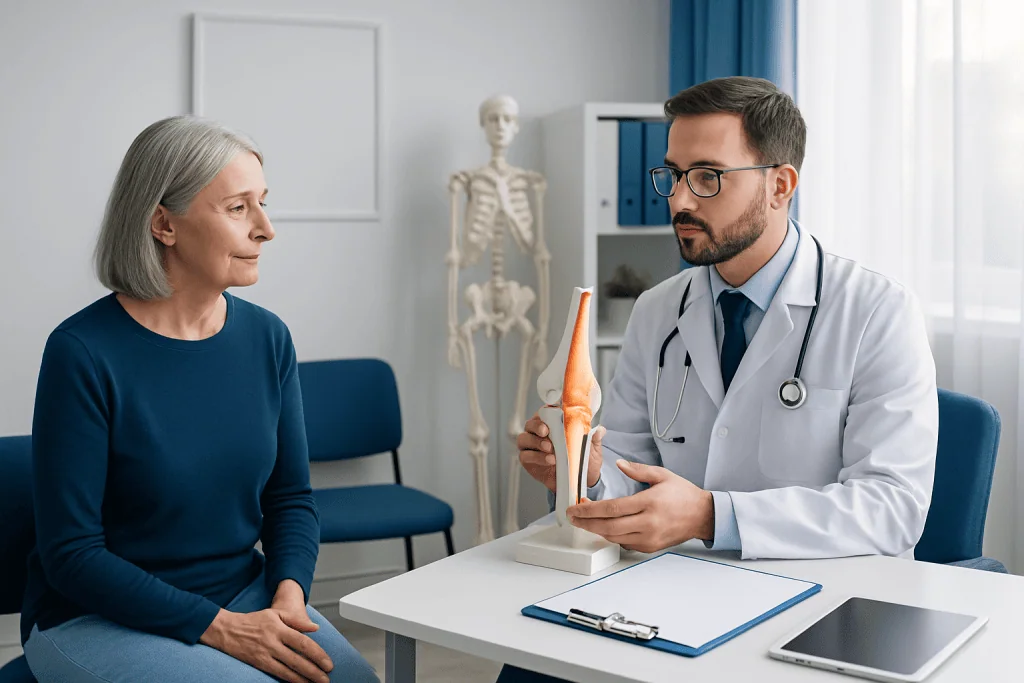
When people search for knee replacement cost Turkey, they are often looking for more than the surgeon’s fee alone. A treatment package may include several services bundled together, but the exact contents differ between hospitals and should always be confirmed in writing before travel.
A typical package may include the orthopedic surgeon’s professional fee, hospital admission, operating room use, anesthesia, routine pre-operative blood tests, standard inpatient medicines, the implant, and a short hospital stay. Some centers also include airport transfers, local transport, interpreter support, or a follow-up review after discharge.
However, not every package includes everything. Additional imaging, specialist consultations for heart or lung conditions, blood products if needed, treatment of unexpected complications, longer hospitalization, extra physiotherapy sessions, or extended hotel stay for recovery may be billed separately. This is why patients should ask for an itemized estimate and a list of exclusions.
For readers exploring the procedure itself, a hospital may offer dedicated information on knee replacement surgery. People with long-term joint damage due to osteoarthritis may also benefit from understanding the condition behind the need for surgery.
What Can Raise or Lower the Final Price
Several clinical and practical factors can influence the final quote. One of the biggest is the type of surgery. A total knee replacement is different from a partial replacement, and revision surgery is usually more complex than first-time surgery. More complex cases often require longer operating time, more advanced implants, and closer post-operative monitoring.
Implant choice is another important cost driver. The brand, material, fixation method, and whether patient-specific planning tools are used can all affect the price. Some patients may also need additional procedures to correct deformity, address ligament imbalance, or manage bone loss, which can increase overall costs.
The patient’s general health matters as well. Conditions such as diabetes, heart disease, obesity, anemia, or previous blood clots may require extra testing or input from other specialists. If the patient has severe knee degeneration from inflammatory joint disease such as rheumatoid arthritis, surgical planning may be more individualized.
Practical details also matter, including the length of hospital stay, the intensity of rehabilitation, need for walking aids, and whether one or both knees are being evaluated. A careful quote should separate core surgical costs from optional travel-related services so patients can compare providers more clearly.
Quality, Accreditation, and How to Compare Hospitals
Cost matters, but quality and safety matter just as much. For knee replacement abroad, patients should look beyond a headline number and review the hospital’s accreditation, infection control standards, orthopedic experience, anesthesia support, rehabilitation services, and post-operative follow-up process.
One quality marker many international patients recognize is Joint Commission International, or JCI, accreditation. While accreditation alone does not guarantee an outcome, it can show that a hospital follows established standards in areas such as patient safety, quality improvement, and organizational processes. Surgeon experience in joint replacement and access to coordinated rehabilitation are also important.
It is helpful to ask practical questions before choosing a provider. These may include: Who performs the surgery? How often is this procedure done? Which implant systems are used? How is pain managed? What happens if extra nights in hospital are needed? How will follow-up be handled after the patient returns home?
Acibadem International notes that its multidisciplinary specialists and JCI-accredited hospitals diagnose and treat orthopedic conditions for international patients. Depending on the case, related support such as physical therapy and rehabilitation may be an important part of planning for recovery after surgery.
Consultation, Diagnosis, and Planning Before Surgery
A formal consultation is the step that turns a broad online estimate into a meaningful treatment plan. The orthopedic team usually reviews symptoms, walking ability, prior treatments, medication use, medical history, and imaging such as X-rays. In some cases, MRI or more detailed imaging may also be considered if the diagnosis is unclear or if joint damage must be mapped carefully.
The main reason people undergo knee replacement is usually advanced joint damage causing persistent pain, stiffness, swelling, and reduced daily function. The most common cause is wear-and-tear arthritis, but trauma, inflammatory disease, or longstanding deformity can also contribute. Patients may find it helpful to read about knee arthritis when discussing whether surgery is the right next step.
During the planning stage, the team may also explain alternatives to surgery. These can include medicines, injections, braces, weight reduction, supervised exercise, and other joint-preserving approaches. If surgery is appropriate, the team will discuss benefits, limits, possible complications, and realistic recovery expectations.
Final pricing should follow this review. A personalized quote is usually based on the confirmed procedure, expected implant, anesthetic assessment, and likely length of stay. This helps patients understand both medical suitability and financial planning before committing to travel.
Recovery, Self-care, and Travel Planning
Recovery planning is part of the total treatment cost, even when it is not always obvious in online price comparisons. After knee replacement, most patients need early mobilization, guided exercises, pain control, wound care, and a structured rehabilitation plan. The intensity of rehabilitation depends on the person’s mobility before surgery, muscle strength, home support, and any other health conditions.
Travel planning should be realistic. Patients coming from abroad may need to remain nearby for post-operative review before flying home. They should also ask when they can walk safely with support, when dressings can be changed, what warning signs to watch for, and who to contact if concerns arise after discharge.
It is sensible to prepare the home environment in advance, with clear walkways, a stable chair, and help with daily tasks if needed. Good nutrition, hydration, stopping smoking if possible, and following physiotherapy advice can all support recovery. Patients should not compare surgical price alone without considering these aftercare needs.
Some care plans may also involve orthopedic specialist follow-up and rehabilitation input after surgery. Asking how these steps are coordinated can help patients avoid unexpected costs and improve continuity of care.
When to Seek Medical Care
Medical advice should be sought when knee pain is persistent, limits walking, disturbs sleep, or makes everyday tasks difficult despite medication, physiotherapy, injections, or other non-surgical treatment. Evaluation is also important if the knee feels unstable, increasingly deformed, or repeatedly swollen.
Urgent medical care is needed after surgery if there is sudden chest pain, shortness of breath, heavy bleeding, severe calf swelling, fever with worsening redness around the wound, or pain that becomes rapidly worse rather than slowly improving. These symptoms do not always mean a serious complication, but they should be assessed promptly by a qualified clinician.
Anyone considering treatment abroad should arrange a consultation with an orthopedic surgeon and ask for a written, personalized quote. This is the safest way to understand whether knee replacement is medically appropriate, what the likely recovery involves, and how the final cost is calculated.
Frequently asked questions
How much does knee replacement cost in Turkey?
Published market ranges often place knee replacement in Turkey at a lower cost than in the USA, UK, and Germany. However, there is no single standard price, and the final amount depends on the implant, hospital, surgeon, tests, length of stay, and rehabilitation needs. A personal consultation is needed for an accurate quote.
Why is knee replacement often less expensive in Turkey?
Lower overall operating costs and differences in healthcare pricing can make self-pay surgery less expensive in Turkey. This does not automatically reflect lower quality, but patients should still compare accreditation, surgical experience, and aftercare arrangements rather than choosing on price alone.
Does a knee replacement package usually include everything?
Not always. Many packages include core items such as surgeon and hospital fees, anesthesia, standard tests, the implant, and a short hospital stay, but extras may not be included. Patients should ask for a written list of inclusions and exclusions before making travel plans.
What factors change the final knee replacement quote?
The final quote can change based on whether the surgery is total, partial, or revision knee replacement, as well as the implant selected and the patient’s overall health. Additional consultations, longer inpatient care, extra physiotherapy, or treatment of unexpected problems can also increase the total cost.
Is it safe to choose a hospital based mainly on price?
Price alone should not be the main deciding factor. Safety, accreditation, infection control, surgeon experience, implant standards, and rehabilitation support are all important when comparing hospitals. A lower advertised price may not represent better overall value if key services are excluded.
How long should patients stay in Turkey after knee replacement?
The required stay varies by the patient’s recovery, travel distance, and the hospital’s follow-up plan. Most people need enough time for early mobilization, wound review, and a check that they are medically fit to travel. The treating surgeon is the best person to advise on a safe timeline.
References
- American Academy of Orthopaedic Surgeons
- National Institute for Health and Care Excellence
- NHS
- Joint Commission International
- Arthritis Foundation
This article is for general information only and is not a substitute for professional medical advice. Please consult a qualified doctor about your individual situation.
Joint and spine care in Turkey — expert assessment & treatment
JCI-accredited · board-certified surgeons · reply within 24h
Add us as a Preferred Source to see more of our trusted health content across Google Search, AI Overviews and Discover.

More from the Health Library



Related Specialists

Dr. R. Kerem Temel
Cardiology
Prof. Dr. Mehmet Akif Sargin
Gynecology & Obstetrics
Prof. Dr. Mehmet Uğur Özbaydar
Orthopedic Surgery & Traumatology
Dr. Meltem Yücebaş
Anesthesiology