

How Much Does Cast Cost: What Patients Really Pay

A cast is one part of fracture care, so the total cost usually includes assessment, imaging, treatment and follow-up. Costs vary by country, hospital or clinic, insurance coverage, injury complexity and whether a procedure or surgery is needed.
Key Takeaways
- A cast is one part of fracture care, so the total cost usually includes assessment, imaging, treatment and follow-up.
- Costs vary by country, hospital or clinic, insurance coverage, injury complexity and whether a procedure or surgery is needed.
- Modern orthopedic care still uses casts, although splints, braces and removable boots may be appropriate for some injuries.
- A cast should feel supportive rather than increasingly painful, numb or tight; urgent symptoms need prompt medical review.
- Asking for an itemized estimate and checking insurance authorization can help patients plan for care.
How much a cast costs depends on much more than the cast material itself. The final bill may include an examination, X-rays or other imaging, fracture reduction, the cast application, mobility aids, follow-up visits, and cast removal.
Overview: what patients really pay for a cast
How much does cast cost? There is no single reliable price because a cast is usually part of a wider injury assessment and treatment plan. The total may include the clinical examination, imaging, setting or reducing a fracture, cast materials and application, follow-up appointments, repeat X-rays, removal, and rehabilitation if needed.
For a simple injury, the main expense may be an outpatient assessment and immobilization. For a displaced fracture, open injury, joint injury or injury requiring surgery, the cast may represent only a small portion of the overall cost. Insurance arrangements, deductibles, co-payments, the care setting and local healthcare pricing also make a meaningful difference.
A cast is a rigid support used to hold a bone or joint in a stable position while tissues heal. It may be made from plaster or fiberglass. A clinician selects the type and duration of immobilization according to the injury, swelling, age, activity needs and healing progress.
What is the average cost of a cast?
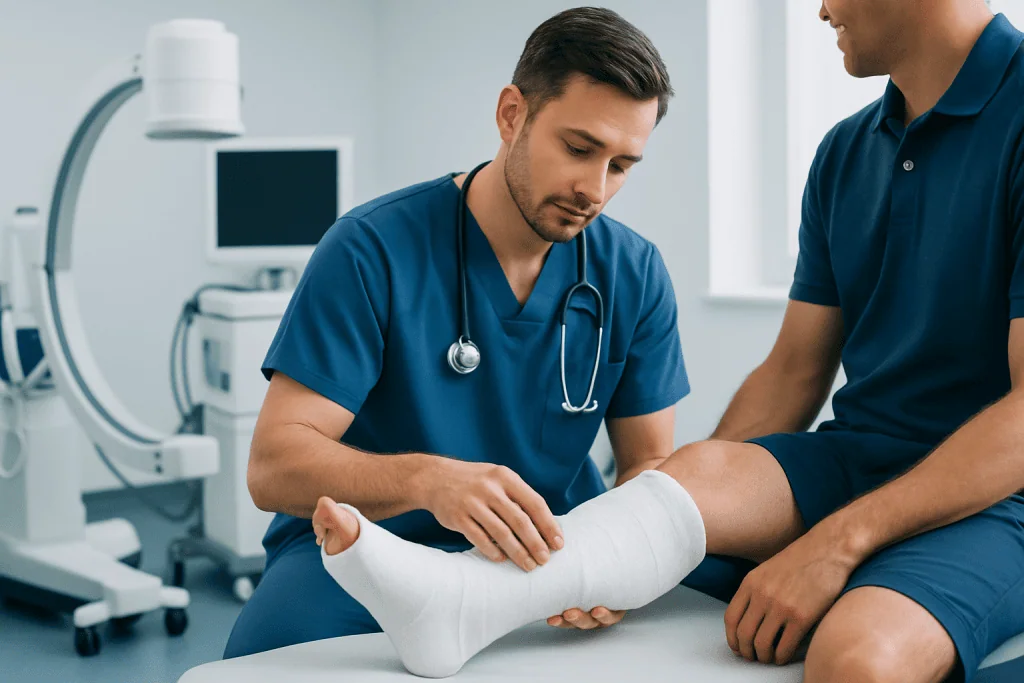
There is no universally applicable average cost of a cast. Published prices and patient bills vary widely between healthcare systems, regions, facilities and insurance plans, and a quoted amount may refer only to application of the cast rather than the complete episode of care.
Patients can request an itemized estimate that separates professional fees, facility charges, X-rays, supplies, anesthesia or sedation if applicable, fracture reduction, mobility aids, follow-up imaging and cast removal. If insurance is being used, it is helpful to confirm whether the clinician and facility are in-network and whether prior authorization is required.
For patients paying directly, asking whether a splint, removable brace or walking boot is medically appropriate may help clarify options, but the choice should never be made on price alone. The safest support is the one that properly protects the injury and fits the treatment plan.
- Ask what services are included in the estimate.
- Ask whether repeat imaging and follow-up visits are billed separately.
- Check expected out-of-pocket costs with the insurer before non-emergency care when possible.
- Keep in mind that emergency care may require immediate assessment before costs can be fully estimated.
How casting works and who may need it

Casting limits movement at an injured bone, joint, tendon or ligament so healing can occur in a protected position. It is commonly used after certain fractures, severe sprains, tendon injuries and some orthopedic procedures. A temporary splint is often used first when swelling is expected, because it can accommodate swelling more safely than a fully circumferential cast.
Clinicians consider casting when the injury is stable enough for non-surgical treatment or when immobilization is needed after a bone has been aligned. The decision is based on physical examination and imaging, usually X-rays. More complex injuries may require CT or MRI scans, specialist review or surgery before immobilization.
Not everyone needs a traditional cast. Some stable fractures and soft-tissue injuries can be managed with a removable brace, sling, boot or splint. Children, older adults, people with diabetes, reduced sensation, circulation problems or skin conditions may need particularly careful selection and monitoring of any immobilization device.
The casting procedure: step by step
Before applying a cast, the clinician assesses pain, swelling, skin condition, blood flow, sensation and movement in the affected limb. Imaging may confirm the injury and show whether the bone is in an acceptable position. If a fracture is displaced, the bone may need to be gently realigned, a process called reduction.
A soft protective layer is placed against the skin, followed by padding over sensitive areas such as bony prominences. Plaster or fiberglass material is then wrapped around the limb and molded to support the needed position. Fiberglass often hardens quickly and is lighter, while plaster may be chosen when more precise molding is needed.
After application, the clinician checks circulation, skin color, warmth, sensation and movement of fingers or toes. Patients receive instructions about elevation, keeping the cast dry, safe movement, weight-bearing limits and warning signs. Follow-up visits may include repeat X-rays to check alignment and healing.
At the end of treatment, a cast is generally removed with a specialized oscillating saw. The blade vibrates rather than spins continuously, helping it cut cast material while reducing the risk of skin injury when used correctly. Temporary stiffness, dry skin and muscle weakness are common after removal and usually improve gradually.
Benefits, risks and recovery timeline
The main benefit of a cast is reliable immobilization, which can reduce pain from movement and support healing. It may avoid surgery for some fractures and helps protect an injury during everyday activities. However, a cast cannot guarantee healing; outcomes also depend on the type of injury, alignment, blood supply, overall health and following medical advice.
Recovery time varies considerably. Some minor injuries need immobilization for a relatively short period, while more significant fractures may require longer protection and rehabilitation. Follow-up timing is individualized, and return to work, driving, sport or weight-bearing should occur only when the treating clinician confirms it is safe.
Possible problems include pressure sores, skin irritation, stiffness, muscle loss, swelling, blood-flow problems, nerve compression and loss of fracture alignment. Keeping the cast dry, avoiding placing objects inside it, not trimming its edges at home, and attending scheduled reviews can lower avoidable risks.
After cast removal, gentle movement and progressive use may be advised. Some patients benefit from physiotherapy, especially after a leg, ankle, wrist or more complex injury. Persistent pain, weakness or limited motion should be discussed with an orthopedic clinician.
Do doctors use casts anymore?
Yes. Doctors still use casts because they provide firm, dependable immobilization for many fractures and orthopedic injuries. Fiberglass casts, improved padding and more individualized follow-up have refined how casts are used, but the basic purpose remains important: protecting injured tissues while they heal.
At the same time, casts are not necessary for every injury. Evidence-based care may use a splint during the early swelling phase, or a removable brace or boot for selected stable injuries. These options can permit skin checks and controlled movement, but they are appropriate only when the injury pattern and patient circumstances allow.
The decision is made by considering the exact diagnosis, imaging findings, stability, pain, likelihood of swelling and the person’s ability to follow care instructions. A patient should not remove or replace prescribed immobilization without medical guidance, even if discomfort seems to improve.
How uncomfortable is a leg cast?
A leg cast can feel heavy, awkward and restrictive, particularly during the first few days. Swelling, reduced mobility, difficulty sleeping and the challenge of using crutches or other walking aids can make daily routines less comfortable. Mild itchiness and stiffness are also common.
Discomfort should generally improve with elevation, rest and the pain-management plan recommended by the clinician. A cast should not cause worsening pain, severe pressure, burning, numbness, tingling, pale or blue toes, inability to move the toes, or a cold foot. These signs can indicate excessive swelling or pressure and require urgent assessment.
People may need help with stairs, bathing, dressing, transport and household tasks while wearing a leg cast. Keeping pathways clear, using approved mobility aids correctly and following weight-bearing instructions can reduce the risk of falls. A clinician or physiotherapist can explain safe mobility strategies for the individual injury.
When to seek medical care
Urgent medical care is needed after an injury that causes severe pain, visible deformity, inability to use the limb, an open wound, heavy bleeding, or loss of feeling or circulation. Prompt assessment is also important for injuries involving the spine, head, pelvis, hip, or a child who will not use an arm or leg normally.
While wearing a cast, patients should seek urgent advice for increasing pain that does not respond to the prescribed plan, marked swelling, numbness, tingling, burning, color changes in fingers or toes, a cold limb, a foul smell, drainage, fever or a cracked, wet or very loose cast. These symptoms do not always mean a serious complication, but they should not be ignored.
For planned orthopedic care, patients can ask about diagnosis, treatment choices, expected follow-up and a personalized cost estimate before proceeding where circumstances allow. Acibadem International’s multidisciplinary specialists and JCI-accredited hospitals diagnose and treat orthopedic injuries for international patients.
Frequently asked questions
How much does cast cost without insurance?
Without insurance, the amount depends on where care is provided and what services are needed. The bill may include an urgent-care or emergency assessment, imaging, fracture reduction, the cast, follow-up appointments and cast removal. Requesting an itemized self-pay estimate can help clarify the expected charges.
Is the cast itself the main cost of fracture care?
Often, no. The cast material and application are only one part of care, while imaging, specialist assessment, procedures, surgery and repeat visits may account for a larger share of the total. The complexity of the injury is usually more important than the cast type when estimating overall costs.
What is the most expensive surgery without insurance?
There is no single answer because surgery costs differ greatly by country, hospital, medical complexity, length of stay and complications. Major operations involving transplantation, complex cancer care, heart surgery, severe trauma or prolonged intensive care can be particularly costly. A cast should not be compared directly with surgery, as it is usually a component of non-surgical fracture treatment or postoperative care.
Can a cast be replaced with a boot or brace?
Sometimes, but only if the injury is stable and the treating clinician considers it safe. Boots and braces are removable, which can be useful for selected injuries, but they may not provide the same degree of immobilization as a cast. Patients should follow the prescribed device and wear schedule.
How long does a leg cast usually stay on?
The duration depends on the location and severity of the injury, healing progress, age and whether surgery was performed. Follow-up examinations and imaging help the clinician decide when it is safe to remove or change the cast. Patients should not remove a cast early, even if pain has improved.
What should a patient do if a cast feels too tight?
The limb should be elevated as instructed and the patient should contact the treating team promptly for advice. Worsening pain, numbness, tingling, color changes, cold fingers or toes, or trouble moving them require urgent medical evaluation. Do not cut, push objects into, or attempt to loosen a cast at home.
References
- American Academy of Orthopaedic Surgeons
- National Institute for Health and Care Excellence
- OrthoInfo by the American Academy of Orthopaedic Surgeons
- MedlinePlus
- National Health Service
This article is for general information only and is not a substitute for professional medical advice. Please consult a qualified doctor about your individual situation.
Joint and spine care in Turkey — expert assessment & treatment
JCI-accredited · board-certified surgeons · reply within 24h
Add us as a Preferred Source to see more of our trusted health content across Google Search, AI Overviews and Discover.

More from the Health Library



Related Specialists

Dr. Mahmoud Aljobbeh
Emergency Service
Dr. Mesut Fatih
Orthopedic Surgery & Traumatology
Dr. Nıgar Alıyeva
Pediatric & Adolescent Psychiatry
Prof. Dr. Mehmet Uğur Özbaydar
Orthopedic Surgery & Traumatology