How Much Does Rehab Cost? What Affects Treatment Pricing

Rehab cost is influenced by the type of rehabilitation, level of medical support, and length of treatment. Inpatient programs usually cost more than outpatient care because they include accommodation and closer monitoring.
Key Takeaways
- Rehab cost is influenced by the type of rehabilitation, level of medical support, and length of treatment.
- Inpatient programs usually cost more than outpatient care because they include accommodation and closer monitoring.
- Therapy intensity, specialist input, tests, equipment, and aftercare can all affect the final price.
- Insurance coverage and country or hospital location may significantly change out-of-pocket costs.
- A clear, written treatment plan and cost estimate can help families compare options and avoid surprises.
Rehab cost can vary widely because treatment plans are tailored to each person’s medical needs, goals, and recovery setting. Understanding what shapes pricing can help patients and families plan care more confidently and ask informed questions.
Overview: Why Rehab Cost Can Vary So Much
The term rehab cost can refer to many different kinds of care. Rehabilitation may be needed after surgery, stroke, injury, serious illness, cancer treatment, or a period of reduced mobility. It can also include physical therapy, occupational therapy, speech therapy, neurological rehabilitation, cardiac rehabilitation, pulmonary rehabilitation, or recovery support after orthopedic procedures.
Because rehabilitation is highly individualized, there is no single standard price. One person may need a few outpatient sessions, while another may require a longer inpatient stay with daily therapy, nursing support, and regular medical review. The total cost usually reflects the complexity of the condition, how much help a person needs, and the intensity of treatment recommended by the care team.
Families often focus first on the daily or weekly price, but the full picture is broader. Costs may include the initial assessment, imaging or lab tests, physician consultations, therapy sessions, medicines, assistive devices, room charges, and follow-up care after discharge. Asking for a breakdown can make pricing easier to understand.
Main Factors That Affect Rehab Pricing
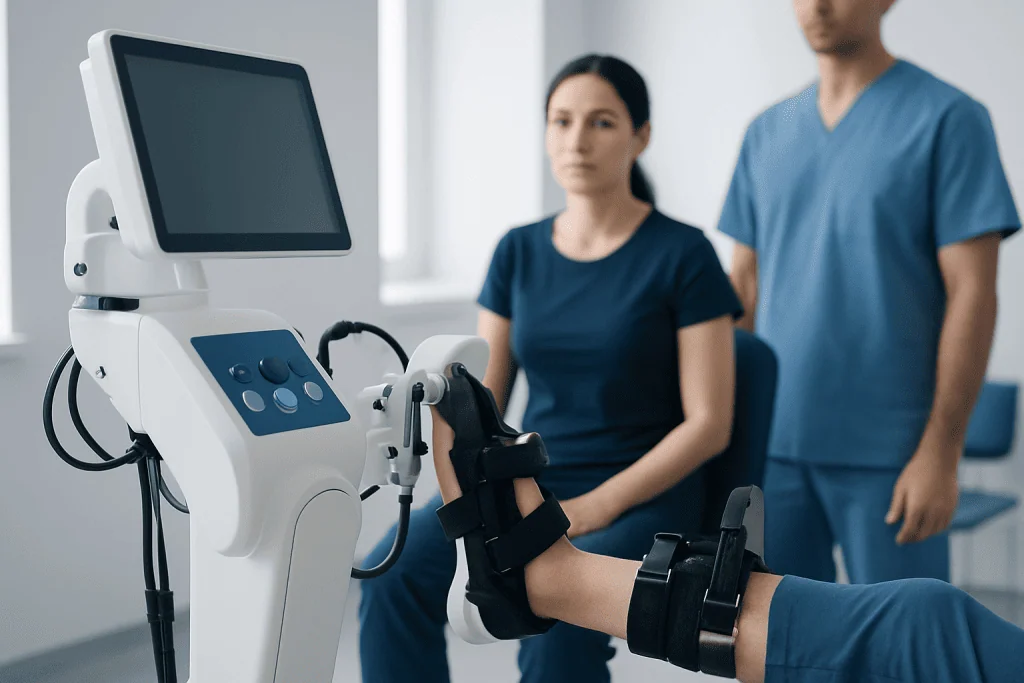
Several core factors shape the cost of rehab. The first is the type of rehabilitation. For example, general physiotherapy for a sports injury may cost less than multidisciplinary neurological rehabilitation after a stroke or traumatic brain injury. Specialized programs often involve more professionals, more equipment, and closer supervision.
The second factor is the setting of care. Inpatient rehabilitation usually costs more because it includes accommodation, meals, nursing care, and access to medical monitoring around the clock or for extended hours. Outpatient care may be more affordable for people who are medically stable and can travel to therapy appointments.
The third factor is treatment intensity and duration. Some patients need one or two therapy sessions a week, while others need several hours of therapy on most days. A longer stay or a more intensive schedule generally increases total pricing, though it may sometimes improve efficiency and support faster functional recovery.
Other important influences include:
- Doctor and specialist consultations
- Diagnostic tests such as imaging or blood work
- Use of advanced rehabilitation technologies
- Need for mobility aids, braces, or adaptive equipment
- Presence of other medical conditions that need monitoring
- Private room choice or additional comfort services
Inpatient vs Outpatient Rehab Cost

One of the biggest pricing differences is whether rehabilitation is provided on an inpatient or outpatient basis. Inpatient rehab is often recommended for people who need close medical observation, help with daily activities, or intensive therapy after a major event such as stroke, spinal injury, or complex surgery. In these cases, the price reflects both treatment and the hospital-based environment.
Outpatient rehab is commonly used when a patient is medically stable, can safely return home, and only needs scheduled therapy visits. This setting usually lowers overall cost because room charges and continuous nursing support are not included. However, transportation, caregiver support, and the number of sessions still affect the total amount paid.
Neither setting is automatically the better value for every person. The most suitable option depends on safety, recovery goals, and the need for multidisciplinary input. For some patients, an initial inpatient phase followed by outpatient therapy offers the best balance between medical support and cost control.
What Services May Be Included in the Total Cost
When comparing rehabilitation programs, it helps to ask exactly what is included in the quoted price. Some estimates cover only basic therapy sessions, while others include physician review, nursing care, medications, routine tests, discharge planning, and family education. A low initial quote may not always reflect the full expected expense.
Many rehabilitation plans involve more than one specialty. A patient recovering from a stroke may need physical therapy to improve movement, occupational therapy for daily tasks, and speech therapy for communication or swallowing. Someone recovering after orthopedic surgery may need pain management, gait training, and structured exercise. In more complex cases, rehabilitation may be part of care for conditions such as stroke or after treatment for Parkinson’s disease.
Additional services can also change pricing. Examples include hydrotherapy, robotic-assisted exercise, psychological support, nutrition counseling, and social work services. If surgery is part of the wider treatment journey, rehabilitation may follow procedures related to knee replacement or spine surgery, which can affect both the intensity and duration of recovery care.
It is also useful to ask whether aftercare is included. Home exercise plans, tele-rehabilitation check-ins, follow-up clinic visits, and caregiver training may improve continuity after discharge, but they may be billed separately in some centers.
Insurance, Location, and Length of Stay
Insurance coverage is often one of the biggest practical factors in rehabilitation pricing. Depending on the health plan, some parts of care may be fully covered, partially covered, or excluded. Coverage may differ for inpatient versus outpatient care, and there may be limits on the number of therapy sessions, approval requirements, or restrictions on which providers and hospitals can be used.
Location also matters. Costs can vary between countries, cities, and hospitals because of differences in healthcare systems, staffing, facilities, and general operating expenses. International patients may also need to consider travel, accommodation for relatives, translation support, and time away from work when thinking about the overall financial impact.
Length of stay or course duration is another major element. A short, focused program may cost less overall, but a longer rehabilitation period may be necessary for people with severe weakness, neurological conditions, or multiple medical needs. The right duration is based on progress, safety, and realistic goals, not price alone.
For some patients, rehab is part of a larger pathway after major medical treatment such as brain surgery. In these cases, the final cost may reflect both the complexity of the underlying condition and the need for coordinated follow-up across specialties.
How to Compare Programs and Ask About Pricing
Choosing a rehabilitation program is not only about finding the lowest figure. A helpful comparison looks at medical appropriateness, staff experience, therapy intensity, safety measures, and how clearly the center explains costs. Patients and families can benefit from requesting a written treatment plan and a detailed estimate before admission or starting sessions.
Useful questions include:
- What type of rehab is recommended, and why?
- How many therapy sessions are expected each week?
- Does the price include doctor visits, tests, medicines, and equipment?
- Are there likely to be extra costs if recovery takes longer than planned?
- What parts of treatment are covered by insurance?
- Is aftercare or home-based follow-up included?
It is also wise to ask about expected goals and milestones. A center that explains what the patient is working toward, how progress will be measured, and when the plan may be adjusted often provides a clearer picture of value. In some situations, a shorter high-quality program may be more effective than a longer but less targeted one.
Near the end of the planning process, international patients may want to know whether the hospital can coordinate multiple specialties in one place. Acibadem International’s multidisciplinary specialists and JCI-accredited hospitals diagnose and treat rehabilitation needs for international patients, with treatment plans guided by the individual’s condition and recovery goals.
Planning Ahead: Self-care, Recovery Goals, and When to Seek Advice
Good planning can make rehabilitation more manageable both medically and financially. Patients may benefit from discussing recovery goals early, understanding what can safely be done at home, and asking which therapies are most essential. A realistic plan can help avoid both under-treatment and unnecessary spending.
Self-care measures may support recovery and improve the value of formal therapy. These can include following a prescribed home exercise plan, maintaining good nutrition, taking medicines as directed, protecting sleep, and attending scheduled follow-up visits. Family support and caregiver education are also important, especially after major illness or surgery.
Medical advice should be sought promptly if recovery is slower than expected, pain is worsening, new weakness develops, falls occur, or daily function declines. These changes may mean the rehabilitation plan needs adjustment or that another medical issue should be checked. A qualified doctor or rehabilitation specialist can explain which level of care is safest and most appropriate.
While cost matters, rehabilitation is ultimately an investment in function, independence, and quality of life. The most helpful approach is to balance price with clinical need, treatment quality, and the patient’s long-term recovery goals.
Frequently asked questions
What is included in rehab cost?
Rehab cost may include assessments, therapy sessions, doctor reviews, nursing care, medicines, tests, and equipment. In inpatient programs, room and board are often part of the total price. It is always best to ask for a written breakdown so families understand what is included and what may be charged separately.
Why is inpatient rehab usually more expensive than outpatient rehab?
Inpatient rehabilitation includes accommodation, meals, nursing support, and closer medical monitoring in addition to therapy. Outpatient care usually covers scheduled visits only, so the overall structure is less costly. However, the right setting depends on the patient’s medical stability, safety, and recovery needs.
Does insurance cover rehabilitation treatment?
Many insurance plans cover at least part of rehabilitation, but the amount varies widely. Coverage may depend on the diagnosis, type of rehab, treatment setting, and whether pre-approval is needed. Patients should check session limits, provider networks, and possible out-of-pocket costs in advance.
How can patients compare rehab programs fairly?
A fair comparison looks beyond the headline price. Patients should ask about therapy intensity, specialist involvement, safety, included services, expected length of treatment, and follow-up care. A written estimate and treatment plan can make different options easier to compare.
What factors can increase the total cost of rehab?
Costs may rise if a person needs a longer stay, more intensive therapy, advanced equipment, extra tests, or care from multiple specialists. Medical complications or other health conditions can also increase the level of support needed. Travel, caregiver needs, and aftercare may add to the overall expense as well.
Is the cheapest rehab option always the best choice?
Not necessarily. A lower price may not include important services such as doctor review, nursing support, or aftercare planning. The best option is usually the one that matches the person’s medical needs, safety requirements, and recovery goals while remaining financially clear and realistic.
References
- World Health Organization
- National Institute of Neurological Disorders and Stroke
- American Academy of Physical Medicine and Rehabilitation
- Centers for Disease Control and Prevention
- National Institute on Aging
This article is for general information only and is not a substitute for professional medical advice. Please consult a qualified doctor about your individual situation.
Joint and spine care in Turkey — expert assessment & treatment
JCI-accredited · board-certified surgeons · reply within 24h
Add us as a Preferred Source to see more of our trusted health content across Google Search, AI Overviews and Discover.

More from the Health Library



Related Specialists

Dt. Rabia Aybala Uslu
Oral & Dental Health
Dr. Sevim Buzkan Ertuğrul
Acibadem Life Clinical Service
Assoc. Prof. Dr. Abdülhak Hamit Karayağız
General Surgery
Dr. Necat Almali
General Surgery