How Much is a BBL?

A BBL uses a person’s own fat, removed by liposuction and transferred to the buttocks. The total cost can vary with the surgeon’s expertise, facility, anesthesia, liposuction areas, medical assessments and aftercare.
Key Takeaways
- A BBL uses a person’s own fat, removed by liposuction and transferred to the buttocks.
- The total cost can vary with the surgeon’s expertise, facility, anesthesia, liposuction areas, medical assessments and aftercare.
- Modern BBL safety standards focus on keeping fat transfer above the gluteal muscle and using careful technique.
- Not everyone is a suitable candidate; general health, available donor fat, expectations and smoking status matter.
- Recovery requires avoiding prolonged direct pressure on the buttocks and attending scheduled follow-up visits.
How much is a BBL depends on where the procedure is performed and what is included in the treatment plan, rather than on a single universal price. A Brazilian butt lift (BBL) combines liposuction with fat transfer, so safe planning, qualified surgical care and appropriate follow-up are important parts of the overall decision.
How much is a BBL?
How much is a BBL? There is no single standard price because a Brazilian butt lift is an individualized operation that combines liposuction, fat processing and fat transfer. The total cost can differ according to the country and hospital, the surgeon’s training and experience, anesthesia, operating-room services, the number of areas treated with liposuction, preoperative testing, garments, medications and follow-up care.
When comparing treatment plans, it is helpful to ask what is included rather than focusing only on an initial quoted figure. A safe plan should account for a consultation, medical evaluation, accredited surgical facilities, anesthesia provided by qualified professionals, postoperative monitoring and access to follow-up care. Travel, accommodation, time away from work and possible revision needs may also affect personal financial planning.
A BBL is an elective body-contouring procedure, not a weight-loss treatment. Decisions should be based on an in-person assessment, clear information about expected results and risks, and the credentials of the surgical and anesthesia teams. A consultation for Brazilian butt lift surgery can help a person receive a tailored treatment and cost plan.
What a Brazilian butt lift involves
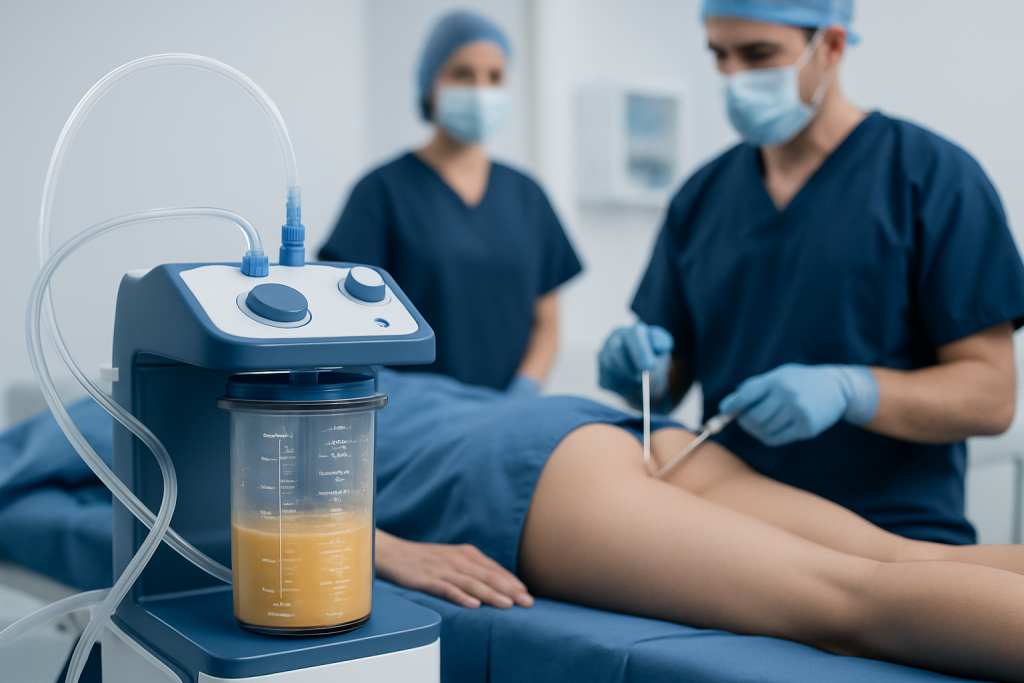
A Brazilian butt lift, commonly called a BBL, reshapes the buttocks using fat taken from another area of the body. Liposuction may remove fat from the abdomen, waist, back, thighs or other selected areas. The collected fat is purified, then carefully injected into the buttock tissue to add volume and improve contour.
Because it combines reduction in donor areas with fat transfer to the buttocks, the visual result is influenced by the person’s natural anatomy, skin elasticity, fat distribution and healing response. The procedure does not use buttock implants. Some transferred fat is naturally reabsorbed by the body during healing, and the amount that remains differs among individuals.
The term BBL can sometimes be used loosely online. A consultation is important to clarify whether fat transfer alone is appropriate or whether another approach, such as buttock augmentation, may be discussed. The safest and most suitable option depends on anatomy, health and aesthetic goals.
Who may be a candidate?

A potential candidate is generally an adult in good overall health who has enough fat in donor areas for transfer and has realistic expectations about contour changes. A stable body weight is usually preferred, since substantial weight gain or loss after surgery can change the shape of both liposuctioned areas and the buttocks.
During the assessment, the surgeon considers medical history, previous operations, medications, allergies, skin quality and the amount and location of available fat. Smoking and nicotine use can impair wound healing and increase complications; patients are commonly advised to stop nicotine products well before and after surgery, following their surgical team’s instructions.
A BBL may not be suitable for everyone. People with uncontrolled medical conditions, active infection, significant bleeding risks, or expectations that cannot safely be met may be advised to postpone surgery or consider alternatives. A surgeon should also assess emotional readiness and ensure that the decision is voluntary and well informed.
- Good general health and medical clearance for surgery
- Sufficient donor fat for a safe transfer
- Stable weight and realistic aesthetic goals
- A willingness to follow recovery restrictions and attend follow-up appointments
Step by step: how the procedure is performed
Before surgery, the patient meets the surgeon to review goals, examine body proportions and identify possible donor areas. The surgical team explains preparation, including fasting instructions when applicable, medication adjustments and plans for recovery support at home or while travelling. Preoperative photographs and markings may be used for planning.
On the day of the procedure, anesthesia is administered and liposuction is performed through small incisions. The removed fat is processed to separate usable fat cells from fluid and other material. The surgeon then transfers the prepared fat to selected areas of the buttocks in small amounts to build shape gradually and evenly.
BBL safety has received significant attention because fat embolism can occur if fat enters large blood vessels. Current safety principles emphasize injecting fat only into the layer above the gluteal muscle, using careful technique and appropriate visualization or guidance where indicated. Patients should ask how their surgeon follows current professional safety recommendations.
After surgery, patients are monitored until they are safe to leave the recovery area or hospital, according to the surgical plan. Instructions typically cover wound care, compression garments, activity restrictions, pain control and symptoms that require urgent review.
Recovery timeline and expected results
Recovery is gradual, and the exact timeline differs by procedure extent and individual healing. Swelling, bruising, soreness and fatigue are common in the first days after liposuction and fat transfer. Patients usually need help with daily activities initially and should arrange time away from work, exercise and long journeys as recommended by their surgeon.
One of the key recovery instructions is to limit direct, prolonged pressure on the buttocks during the early healing period. The team may recommend modified sitting positions, a specialized cushion and sleeping on the side or stomach. Compression garments may be worn to support the liposuction areas, but instructions vary and should be individualized.
Light walking is often encouraged early to support circulation, while strenuous activity is postponed. Swelling reduces over weeks, but final contour development can take several months as tissues settle and transferred fat stabilizes. Maintaining a stable weight, good nutrition and avoiding nicotine can support recovery.
Follow-up visits allow the team to assess healing and answer questions. Patients should not judge the final result too soon, as early swelling and normal fat reabsorption can alter the appearance during the first months.
Benefits, risks and safety considerations
Potential benefits of a BBL include fuller buttock contour and simultaneous shaping of areas treated with liposuction. Because the procedure uses the patient’s own fat, it avoids an implant. However, outcomes vary, and no procedure can guarantee a particular size, shape or degree of symmetry.
Like all surgery, a BBL has risks. These can include bleeding, infection, fluid collection, wound-healing problems, changes in skin sensation, uneven contours, scarring, fat necrosis, asymmetry and the need for revision surgery. There may also be anesthesia-related risks and risks associated with blood clots.
A rare but serious complication is fat embolism, in which fat enters the bloodstream and affects the lungs or other organs. This is why surgeon training, appropriate patient selection, safe injection technique and a properly equipped facility are essential. Patients should seek a board-qualified plastic surgeon or similarly recognized specialist under their country’s professional standards, and should be cautious about unusually low prices or pressure to make a rapid decision.
Before consenting, patients can ask who will perform each part of the operation, where it will take place, what safety protocols are used, what emergency support is available and how postoperative concerns are handled. Open discussion supports informed, patient-centered decision-making.
When to seek medical care
Anyone considering a BBL should arrange a consultation with a qualified plastic surgeon rather than relying on online images, social media claims or price comparisons alone. A medical assessment is especially important for people with long-term health conditions, previous clotting problems, medication use, recent major weight changes or a history of surgery in the treatment areas.
After a BBL, urgent medical care is needed for chest pain, shortness of breath, fainting, confusion, a rapid heartbeat, coughing blood, severe or worsening pain, heavy bleeding, high fever, spreading redness, foul-smelling drainage or one-sided leg swelling. These symptoms may indicate a complication and should not be managed at home.
Patients should also contact their surgical team promptly for increasing swelling, persistent vomiting, wound separation, pain that is not controlled by the prescribed plan, or concerns about healing. Acibadem International’s multidisciplinary specialists and JCI-accredited hospitals assess and treat international patients who are considering or recovering from aesthetic procedures.
Frequently asked questions
What does the total BBL cost usually include?
A BBL quote may include the surgeon’s fee, anesthesia, operating-room or hospital services, liposuction, garments and follow-up appointments. Inclusions vary, so patients should request a written, itemized plan and ask about costs that may arise before or after the procedure. Travel and accommodation are often separate considerations for people receiving care abroad.
Why can BBL prices vary so much?
Prices vary because the procedure is personalized and because healthcare costs differ by location and facility. The number of liposuction areas, the complexity of body contouring, the surgical team’s qualifications, anesthesia, aftercare and recovery arrangements can all affect the overall cost. Lower cost should never replace appropriate safety standards and qualified care.
Is a BBL a safe procedure?
A BBL can be performed more safely when it is planned carefully and carried out by properly trained professionals in an appropriate surgical setting. It still has important risks, including a rare but potentially life-threatening fat embolism. Patients should discuss the surgeon’s safety practices, including the approach to fat injection, before deciding.
How long does it take to recover from a BBL?
Early recovery commonly involves swelling, bruising and activity limits for several weeks, but healing continues for months. Patients are usually instructed to avoid prolonged direct sitting on the buttocks during the initial recovery period. The surgical team provides the most accurate timeline based on the individual procedure and healing progress.
Will a BBL result be permanent?
Some of the transferred fat is absorbed naturally during the healing process, while the surviving fat cells may remain long term. Significant weight changes, aging and lifestyle factors can alter the result over time. A stable weight is generally helpful for maintaining body contour after surgery.
Can someone have a BBL if they are slim?
It depends on whether there is enough donor fat to transfer safely and achieve a meaningful contour change. A slim person may not have sufficient fat in suitable donor areas, and a surgeon should not remove excessive fat simply to perform a transfer. Alternative options may be discussed after a thorough examination.
References
- American Society of Plastic Surgeons
- The Aesthetic Society
- International Society of Aesthetic Plastic Surgery
- U.S. Food and Drug Administration
- National Health Service
This article is for general information only and is not a substitute for professional medical advice. Please consult a qualified doctor about your individual situation.
Explore treatments in Turkey — costs, top hospitals & a free quote
JCI-accredited · board-certified surgeons · reply within 24h
Add us as a Preferred Source to see more of our trusted health content across Google Search, AI Overviews and Discover.