How Much is Masseter Botox?

Masseter Botox is an injectable treatment that temporarily reduces activity in the jaw muscle. It may be considered for selected people with jaw clenching, teeth grinding-related symptoms or a desire to reduce masseter muscle prominence.
Key Takeaways
- Masseter Botox is an injectable treatment that temporarily reduces activity in the jaw muscle.
- It may be considered for selected people with jaw clenching, teeth grinding-related symptoms or a desire to reduce masseter muscle prominence.
- Masseter injections are often an off-label use of botulinum toxin products, depending on the country and product.
- Costs cannot be determined from the number of units alone, especially because units differ between botulinum toxin brands.
- A careful assessment is important because persistent jaw pain, tooth damage and sleep-related grinding can have several causes.
How much is masseter Botox? There is no single responsible price because the overall cost depends on the treatment goal, clinician assessment, product used, individual plan, location and possible insurance eligibility. A consultation with an appropriately qualified medical or dental clinician is the safest way to receive a clear, personalized estimate.
Understanding the cost of masseter Botox
How much does Botox in the masseter cost?
There is no universal price for Botox in the masseter. The total is shaped by the reason for treatment, the clinician’s expertise, the botulinum toxin product selected, the individualized injection plan, local practice costs and the need for follow-up. A treatment intended for facial contouring may be planned differently from treatment intended to reduce painful clenching or protect teeth from grinding-related damage.
Before treatment, a reputable clinic should explain what the proposed plan includes, such as the consultation, injections, review appointment and any recommended dental or medical assessment. Searches for how much is masseter botox for TMJ, how much is masseter botox for jaw clenching, or how much is masseter botox for teeth grinding should be approached carefully: TMJ refers to the joint, while temporomandibular disorders and bruxism can involve muscles, teeth, joints, sleep and stress-related factors.
Questions such as how much is masseter botox near me or how much is masseter botox in Korea do not have a single reliable answer, as regulations, products, clinician qualifications and healthcare systems differ by location. Likewise, how much is masseter botox with insurance depends on the individual policy and documented medical indication. Cosmetic facial slimming is commonly self-funded, while coverage for a medical concern is never automatic and should be confirmed directly with the insurer.
How much is 15 units of masseter Botox?
Fifteen units alone cannot determine either the overall cost or whether a treatment plan is appropriate. Botox is a brand name for onabotulinumtoxinA, and measurement units are product-specific; units from different botulinum toxin products cannot be compared directly. An online search such as how much is masseter botox usually or how much is masseter botox Reddit may provide personal experiences, but it cannot replace an individualized clinical plan or a written estimate from the treating clinic.
How masseter Botox works
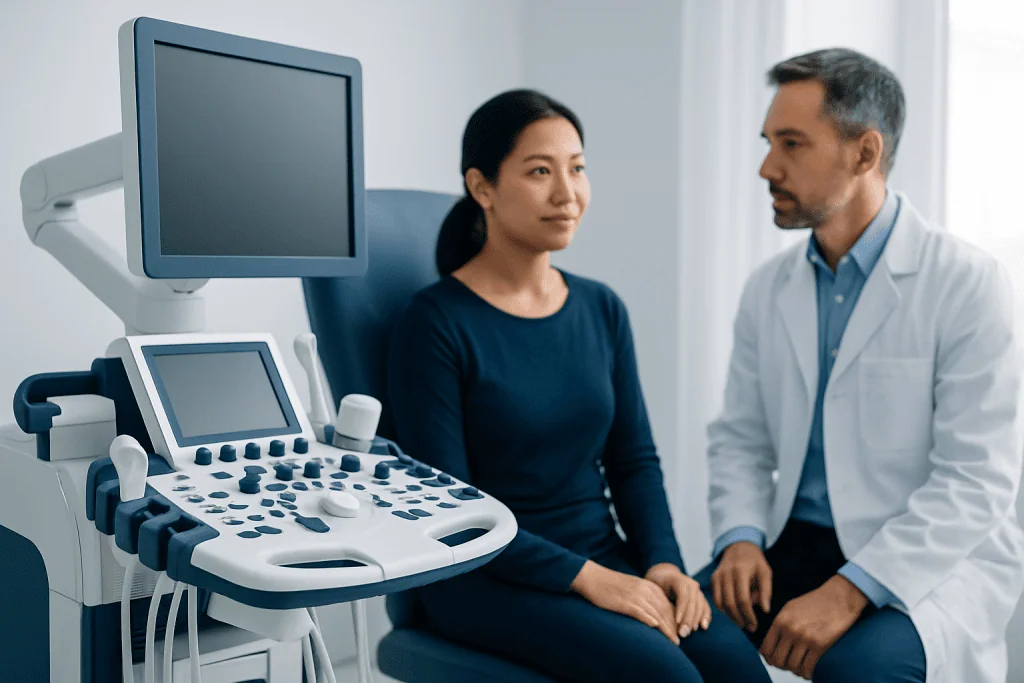
The masseter is a strong chewing muscle located at the side of the jaw. Botulinum toxin injections temporarily reduce signaling between the nerve and targeted muscle fibers, which can lessen the force of muscle contraction. When the muscle is repeatedly overactive, this may reduce clenching-related tension for some people and, over time, may soften the appearance of a prominent masseter muscle.
Botox is often used as a general term for botulinum toxin injections, although different products are available in different countries. Injections into the masseter for jaw clenching, teeth grinding, jaw pain or facial slimming may be off-label, meaning the specific use is not included in a product’s approved indication in some jurisdictions. Off-label treatment can be clinically appropriate when a qualified clinician considers the evidence, alternatives and individual risks.
Masseter Botox does not correct tooth alignment, replace a dental restoration, cure stress or treat every cause of facial pain. It also does not stop the underlying tendency to grind during sleep. For this reason, clinicians may recommend it alongside measures such as a dental night guard, treatment for tooth damage, jaw physiotherapy, sleep assessment or stress-management support when these are relevant.
Candidacy and clinical assessment

A suitable candidate may have enlarged or overactive masseter muscles, recurrent clenching, grinding-related muscle soreness, or a cosmetic concern about lower-face width. The assessment should begin with the person’s goals, symptoms, dental history, medications and previous treatments. A clinician may examine jaw movement, muscle tenderness, bite function, teeth and signs of tooth wear before deciding whether injections are likely to help.
Persistent jaw discomfort should not automatically be assumed to be caused by the masseter. Temporomandibular disorders can involve the jaw joint, surrounding muscles and bite function, while tooth infection, dental cracking, nerve-related pain, arthritis and sinus conditions can cause similar symptoms. Frequent nighttime grinding may also warrant questions about sleep quality, snoring or other sleep-related concerns.
Masseter Botox may need to be postponed or avoided in certain situations. These can include an active skin infection at an injection site, a known allergy to ingredients in the product, pregnancy or breastfeeding when safety information is limited, and some neuromuscular conditions. A clinician also needs to know about medicines or supplements that may affect muscle function or bruising; prescribed medication should never be stopped without medical advice.
What happens during the procedure
The procedure usually starts with confirmation of the treatment goals, informed consent and an examination of the muscles while the person clenches their teeth. For aesthetic treatment, photographs may be used to document the starting facial shape. The clinician identifies safe injection points based on facial anatomy, muscle size and the planned effect.
After the skin is cleaned, small amounts of the selected product are injected into specific areas of the masseter using a fine needle. Most people remain awake, and the procedure is typically completed in a clinic setting. The exact number of injection points and units is individualized rather than selected from a standard online template.
Patients should tell the clinician about prior botulinum toxin treatments, dental procedures, jaw surgery, swallowing difficulties and any history of facial weakness. Following the appointment, the clinic may provide personalized aftercare instructions. It is sensible to avoid pressing or massaging the treated area unless the treating clinician specifically advises otherwise, and to contact the clinic with any concerns.
Recovery timeline and how long results last
How long will masseter Botox last?
Masseter Botox is temporary. Changes in muscle activity may begin to be noticed over several days, while the effect on clenching symptoms or facial contour can continue to settle over the following weeks. Results commonly fade gradually over a period of months, but the timing varies with the product, individual metabolism, muscle activity and treatment plan.
Most people can return to usual daily activities soon after treatment. Mild tenderness, pinpoint redness, swelling or bruising at injection sites can occur and generally settles without intervention. If chewing feels mildly different while the muscle effect develops, choosing softer foods briefly may be more comfortable, but significant chewing difficulty should be discussed with the treating clinician.
Follow-up allows the clinician to assess comfort, jaw function and whether the original treatment goal has been met. Repeat injections should not be scheduled solely because a certain amount of time has passed. The decision should take account of the benefit achieved, side effects, dental health and whether less invasive measures remain useful.
Benefits, risks and deciding whether it is worthwhile
Is Botox in masseter worth it?
Whether masseter Botox is worthwhile is personal and depends on the reason for treatment. Some people value a temporary reduction in clenching force, muscle tenderness or lower-face muscle prominence. Others may find that a night guard, physiotherapy, stress-focused care, dental treatment or observation better addresses their needs without injections.
Common short-term effects can include injection-site discomfort, bruising, headache, temporary chewing fatigue or a feeling of jaw weakness. Less commonly, uneven results, changes in smile appearance or difficulty chewing firm foods can occur if nearby muscles are affected. Rarely, botulinum toxin effects may spread beyond the intended area, so new problems with speaking, swallowing or breathing require urgent medical assessment.
Repeated treatment should be reviewed thoughtfully. Research continues into the longer-term effects of reducing masseter activity, including possible changes in jaw function and bone structure in some settings. A clinician can help weigh the potential benefits against these uncertainties, discuss conservative options first when appropriate, and ensure that cosmetic expectations do not overlook an untreated dental or jaw condition.
When to seek medical care
Prompt medical or dental assessment is appropriate for persistent or worsening jaw pain, jaw locking, a major change in bite, facial swelling, fever, tooth pain, broken teeth or difficulty opening the mouth. These symptoms can indicate problems that need diagnosis rather than cosmetic or muscle-relaxing treatment alone.
After injections, patients should contact their treating clinician for substantial or persistent weakness, troublesome chewing difficulty, marked asymmetry or symptoms that do not feel expected. Emergency care is important for trouble breathing, swallowing or speaking, although these complications are uncommon.
At Acibadem International, multidisciplinary specialists at JCI-accredited hospitals can assess jaw-clenching, dental and facial pain concerns for international patients when coordinated care is needed.
Frequently asked questions
Can masseter Botox treat teeth grinding?
Masseter Botox may reduce the strength of jaw-muscle contractions in selected people, which can help some clenching or grinding-related symptoms. It does not remove the underlying causes of sleep bruxism or awake clenching. Dental protection, assessment of tooth wear and management of contributing factors may still be needed.
Can a night guard be used with masseter Botox?
In many cases, a clinician may recommend a properly fitted night guard alongside other treatments, including masseter Botox when appropriate. A guard helps protect teeth from wear and fracture, while injections target muscle activity. The right plan depends on the bite, dental condition and type of bruxism.
Is masseter Botox approved for TMJ disorders?
Approval status varies by country, product and intended use. In many settings, botulinum toxin injection into the masseter for jaw clenching, bruxism or temporomandibular disorder symptoms is considered off-label. A qualified clinician should explain what this means, including the available evidence and alternatives.
Why can estimates for masseter Botox differ so much?
Estimates can differ because treatment plans are individualized and clinics have different professional, facility and follow-up arrangements. The product used, local regulations and whether the goal is medical symptom management or cosmetic contouring also matter. Comparing qualifications, safety standards and what is included is more useful than comparing a unit number alone.
What should a person ask during a masseter Botox consultation?
Useful questions include whether the symptoms could have a dental, joint or sleep-related cause, what non-injection options are available and what results are realistic. Patients can also ask about the clinician’s relevant experience, the product being used, likely temporary effects and the follow-up plan. A clear explanation of the full estimated cost and insurance process, if applicable, should be provided before treatment.
References
- U.S. Food and Drug Administration
- American Dental Association
- National Institute of Dental and Craniofacial Research
- American Association of Oral and Maxillofacial Surgeons
This article is for general information only and is not a substitute for professional medical advice. Please consult a qualified doctor about your individual situation.
Explore treatments in Turkey — costs, top hospitals & a free quote
JCI-accredited · board-certified surgeons · reply within 24h
Add us as a Preferred Source to see more of our trusted health content across Google Search, AI Overviews and Discover.

More from the Health Library



Related Specialists

Dr. Ümran Karabulut Doğan
Gynecology & Obstetrics
Prof. Dr. Selda Özçırpıcı
Physical Medicine & Rehabilitation
Dr. Mahir Kenduşim
Ophthalmology
Dr. Ahmet Fırat Küçükköse
Inpatient Clinic Physicians