How Much of the Brain Do We Use?

The “10% of the brain” claim is not supported by neuroscience. Different brain regions have different roles and become active at different times.
Key Takeaways
- The “10% of the brain” claim is not supported by neuroscience.
- Different brain regions have different roles and become active at different times.
- Brain scans, injury patterns, and clinical research all show that the whole brain matters.
- Even simple tasks rely on networks that connect multiple brain areas.
- Healthy habits can support brain function, but they do not unlock a hidden unused 90%.
- Persistent memory, movement, speech, or thinking problems should be assessed by a doctor.
The idea that people use only 10% of their brain is a popular myth. In reality, modern neuroscience shows that most parts of the brain have known functions and are active over the course of daily life.
Overview: Do People Really Use Only 10% of the Brain?
The short answer is no. The human brain is active in complex ways throughout the day, and there is no scientific evidence that people use only 10% of it. This idea has been repeated in films, books, and everyday conversation, but it does not match what doctors and neuroscientists know about brain structure and function.
The brain is an organ made up of many specialized regions. Some areas help control movement, some process sight or sound, some support language, memory, emotion, planning, and attention. These areas do not all work at maximum intensity at the same moment, but that is very different from saying that 90% of the brain is unused.
Modern tools such as MRI, functional MRI, PET scans, and EEG show brain activity during rest, sleep, thought, speech, and movement. Even when a person appears to be doing very little, the brain remains busy maintaining awareness, regulating body functions, and coordinating internal networks.
Where the 10% Brain Myth Comes From
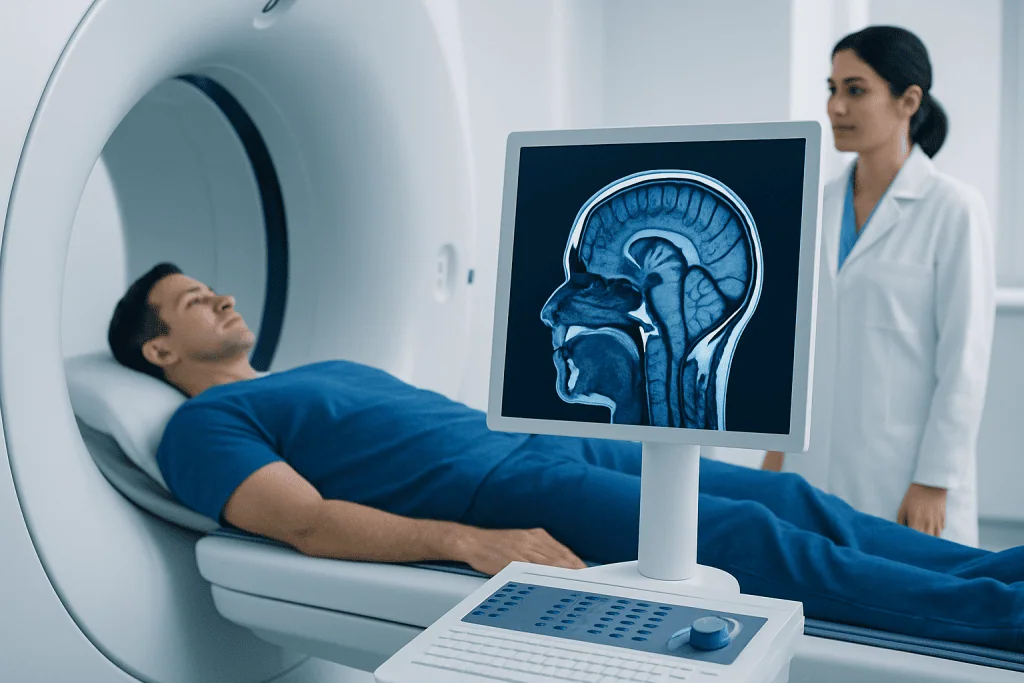
No single source fully explains how the myth began, but several factors likely helped it spread. Early ideas about human potential were sometimes simplified into the claim that most of the brain was dormant. Misunderstandings of psychological research and selective quotes from scientists may also have contributed.
Another reason the myth sounds believable is that people do not feel every process their brain performs. Many essential functions happen automatically, including breathing patterns, balance adjustments, filtering sensory input, and coordinating movements. Because these processes are not always noticed, it may seem as if large portions of the brain are inactive.
The myth is also attractive because it suggests hidden reserves of talent waiting to be unlocked. In reality, the brain does have an impressive ability to learn, adapt, and reorganize, but this is called neuroplasticity, not unused capacity. Growth comes from practice, experience, sleep, exercise, and treatment when needed, rather than “activating” a silent 90%.
How the Brain Actually Works
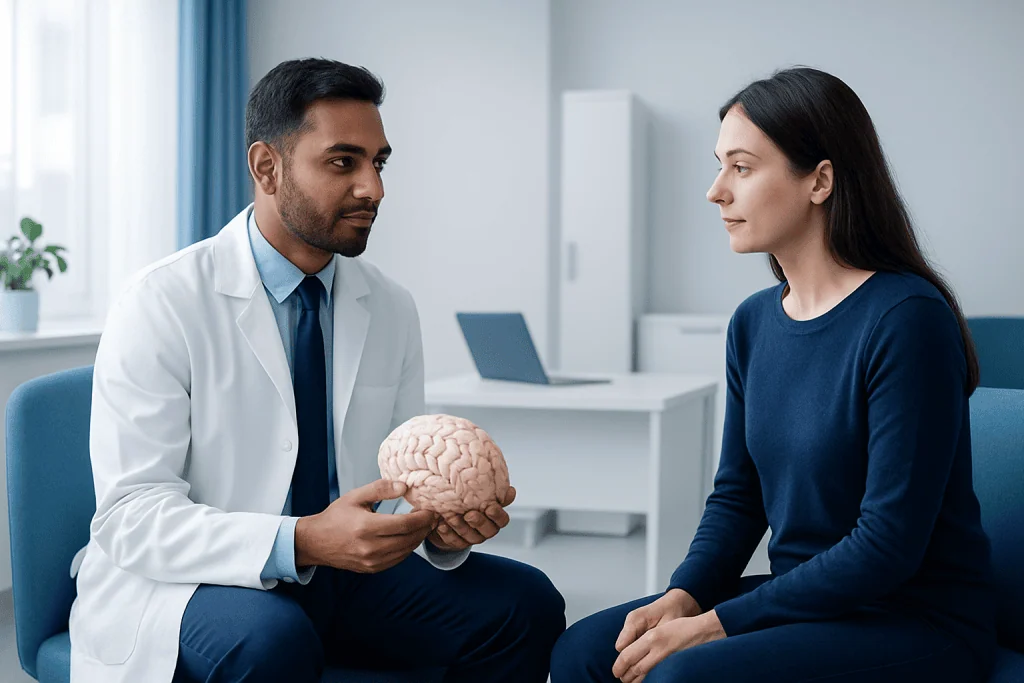
The brain works through networks of nerve cells that communicate using electrical and chemical signals. Rather than acting as one single switch, it functions as an integrated system. Different regions become more or less active depending on the task, such as reading, remembering a name, walking, solving a problem, or recognizing a face.
For example, speaking can involve areas that plan words, areas that control the muscles of the mouth and tongue, and areas that process hearing so a person can monitor their own voice. A simple action like catching a ball may involve vision, attention, timing, balance, and movement control all at once. This shows how even everyday behavior depends on multiple parts of the brain working together.
Some activity is also ongoing in the background. The brain regulates heartbeat patterns, breathing rhythms, temperature, sleep cycles, and hormone signaling through connections with the body. During rest, certain brain networks remain active and may be involved in memory, self-reflection, and organizing thoughts.
Because brain function is distributed, a person is not “using everything at full power” all the time. Instead, the brain uses different circuits as needed. This flexible, efficient pattern is a sign of normal function, not evidence that most of the organ is idle.
What Science Shows About Brain Use
Several lines of scientific evidence show that nearly all parts of the brain are important. Brain imaging studies reveal activity across many regions during different tasks and states, including sleep. Researchers can map functions to specific areas, but they also see that these areas communicate through broad networks.
Clinical medicine offers another clear answer. When even a small area of the brain is injured by stroke, trauma, tumor, infection, or lack of oxygen, a person may develop noticeable problems with movement, sensation, language, memory, mood, or awareness. If 90% of the brain were unnecessary, damage to many of these regions would have little effect, but that is not what doctors observe.
Studies of metabolism also support this view. The brain uses a substantial share of the body’s energy despite being relatively small compared with total body weight. An organ would not consume this much energy if most of it had no purpose. In addition, anatomy research has found roles for brain regions once thought to be less important, including support for coordination, emotion, and cognitive processing.
In some cases, symptoms such as seizures, weakness, severe headache, or speech changes may require specialist assessment, especially if there is concern about a neurological condition such as a brain tumor or other structural brain disease. The main point remains the same: the brain is extensively used, and its different parts matter.
Why Some Areas Seem More Active Than Others
It is true that brain activity changes from moment to moment. If a person closes their eyes, visual areas may become less active than when reading. If they are sitting still, movement networks may be less engaged than during exercise. This natural variation can be misunderstood as “not using” certain parts of the brain.
The brain is designed to allocate resources efficiently. It does not need every system to work equally hard at every second. A healthy brain shifts activity according to need, much like an orchestra in which different instruments become prominent at different times while still contributing to the whole performance.
Development and life experience also shape how brain circuits are used. Learning a language, practicing music, recovering from injury, or adapting to sensory changes can strengthen certain networks. This adaptability is one reason rehabilitation can help after neurological illness. It does not mean there are large inactive sections waiting to be switched on, but it does show that the brain can reorganize when challenged.
When symptoms affect memory, concentration, or coordination, doctors may recommend evaluation with neurological examination and, when appropriate, MRI scanning or other tests to better understand the cause.
Can Brain Training Help You Use More of Your Brain?
Brain training does not make a person suddenly access an unused 90%, but healthy mental stimulation can support cognitive performance. Activities such as reading, learning new skills, social engagement, problem-solving, and regular physical exercise are associated with better brain health over time. These habits may improve efficiency, resilience, and functional connections within the brain.
Sleep is also essential. During sleep, the brain helps consolidate memories, clear waste products, and regulate mood and attention. Long-term sleep deprivation can affect concentration, reaction time, and emotional balance. Nutrition, blood pressure control, diabetes management, and avoiding smoking and excessive alcohol are also important for brain health.
For people with specific concerns, support should be tailored to the underlying issue. Memory changes, repeated headaches, fainting, seizures, weakness, or sensory changes may need medical investigation rather than self-directed brain games alone. Depending on the clinical picture, doctors may recommend neurological assessment, laboratory tests, imaging, or treatments such as brain surgery when a structural problem is identified.
- Keep physically active most days of the week.
- Prioritize regular, restorative sleep.
- Stay mentally and socially engaged.
- Manage blood pressure, cholesterol, and blood sugar.
- Wear seat belts and helmets to help prevent head injury.
- Seek medical advice for new neurological symptoms.
When to See a Doctor
Questions about brain function are common, but some symptoms should not be ignored. A person should seek medical attention if they develop sudden weakness, facial drooping, trouble speaking, severe confusion, new seizures, a sudden severe headache, loss of vision, or loss of consciousness. These can be signs of a medical emergency.
It is also wise to speak with a doctor about persistent memory problems, personality changes, frequent headaches, poor balance, tremor, numbness, or difficulty concentrating when these symptoms are new, worsening, or affecting daily life. A clinician can assess whether the cause may be related to stress, sleep, medication effects, vitamin deficiency, infection, vascular disease, or a neurological disorder.
Evaluation may include a physical and neurological exam, cognitive testing, and imaging such as CT scan or MRI when needed. If treatment is required, it depends on the cause and may range from lifestyle measures and medication to rehabilitation or surgery.
For international patients who need specialist neurological assessment, Acibadem International’s multidisciplinary teams in JCI-accredited hospitals diagnose and treat a wide range of brain and nervous system conditions with individualized care.
Frequently asked questions
Do humans use 100% of the brain at once?
No. The brain does not work by turning every region on at maximum activity all at once. Instead, different areas and networks become more active depending on the task, while many background functions continue continuously.
Is the 10% brain myth scientifically true?
No, it is a myth. Brain imaging, clinical neurology, and research on brain injuries all show that most parts of the brain have important functions and are used over time.
Why does the myth sound believable?
It may sound believable because people are not consciously aware of many brain processes. Also, activity naturally shifts between regions, so not every area appears equally active at every moment.
Can brain training unlock unused parts of the brain?
Brain training does not unlock a hidden unused 90% of the brain. However, mentally stimulating activities can help strengthen skills, improve efficiency, and support healthy cognitive aging.
Does sleep mean the brain is switched off?
No. During sleep, the brain remains highly active in important ways. It helps regulate body functions, process memories, and support recovery and overall brain health.
When should someone worry about a brain-related symptom?
Urgent symptoms include sudden weakness, speech trouble, seizures, severe sudden headache, or loss of consciousness. Persistent memory, balance, or concentration problems should also be discussed with a qualified doctor, especially if they are new or getting worse.
References
- World Health Organization
- National Institute of Neurological Disorders and Stroke
- National Institute of Mental Health
- MedlinePlus
- American Academy of Neurology
This article is for general information only and is not a substitute for professional medical advice. Please consult a qualified doctor about your individual situation.
Explore treatments in Turkey — costs, top hospitals & a free quote
JCI-accredited · board-certified surgeons · reply within 24h
Add us as a Preferred Source to see more of our trusted health content across Google Search, AI Overviews and Discover.

More from the Health Library



Related Specialists

Dr. Özlem Özbayburtlu
Radiology
Dt. Burcu Dereli İnanç
Oral & Dental Health
Dr. İrem Buse Karakum
Emergency Service
Assoc. Prof. Dr. Fatih Aygün
Pediatric Intensive Care Unit