How Often Can You Donate Plasma? A Doctor-Reviewed Answer

Many centers allow plasma donation up to two times per week with at least 48 hours between sessions. Donation safety depends on age, weight, overall health, hydration, and protein levels, not only on the calendar.
Key Takeaways
- Many centers allow plasma donation up to two times per week with at least 48 hours between sessions.
- Donation safety depends on age, weight, overall health, hydration, and protein levels, not only on the calendar.
- Mild fatigue, bruising, or temporary lightheadedness can happen, but chest pain, fainting, severe weakness, or ongoing bleeding need medical review.
- Doctors may check blood pressure, pulse, hydration status, blood counts, iron, and protein levels if symptoms develop.
- People should follow the rules of their local donation center and ask a clinician if they have chronic illness, anemia, pregnancy, or take certain medicines.
In many plasma donation centers, healthy adults can donate plasma up to twice in a 7-day period, with at least 48 hours between donations. For most people, this is well tolerated when eligibility rules are followed, but certain symptoms after donation should prompt medical advice.
Overview: the short answer
For most eligible adults, plasma donation is generally considered safe when done within established limits. In many countries and donation centers, a person may donate plasma up to twice in a 7-day period, with at least 48 hours between donations. Exact rules can vary by country, center policy, body weight, lab results, and medical history.
This is because plasma, the liquid part of blood, is replaced by the body more quickly than red blood cells. Even so, donation is not simply a matter of schedule. A person must also meet screening requirements related to pulse, blood pressure, hemoglobin, protein levels, hydration, and overall wellness on the day of donation.
If a person feels well before and after donating, follows center guidance, and keeps enough time between sessions, regular plasma donation is often harmless. The more important question is whether the body is tolerating donation well. Persistent fatigue, repeated dizziness, poor recovery, or abnormal lab results may mean donation should be delayed until a doctor reviews the situation.
What affects how often a person can donate plasma?
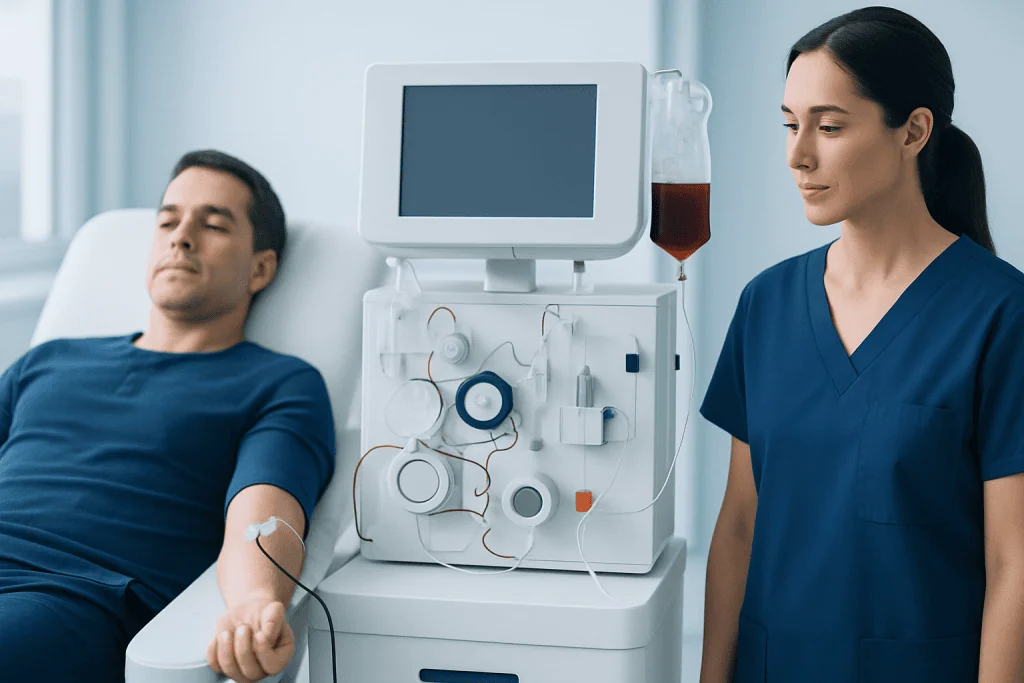
Donation frequency is influenced by more than a single universal rule. Plasma centers typically apply national regulations and their own safety protocols. These usually include a minimum interval between donations, a weekly cap, and periodic laboratory checks to make sure donation remains safe over time.
Several personal factors matter. Body weight can affect the amount of plasma collected. Hydration status matters because dehydration can increase the chance of lightheadedness or difficult vein access. Nutrition is also important, especially protein intake, since plasma contains proteins such as albumin and antibodies that the body needs to replenish.
Some people need longer breaks between donations even if a center technically allows frequent visits. This includes those with heavy menstrual bleeding, recent illness, low body weight, poor sleep, intense athletic training, or a history of fainting with needles. Pregnant people and those who have recently been pregnant may have special restrictions based on local regulations and health status.
A person should also tell the donation center about medicines, recent vaccines, travel, infections, or chronic conditions. In some cases, temporary deferral protects both the donor and the recipient. If there is concern about low blood counts or weakness, evaluation for anemia may be appropriate before continuing to donate regularly.
What symptoms are normal after plasma donation, and what is not?

Many people feel normal after donating plasma or have only mild, short-lived effects. Common temporary symptoms include tiredness, thirst, a small bruise at the needle site, mild arm soreness, or brief dizziness when standing. These symptoms usually improve with rest, fluids, and eating a balanced meal.
Because plasma donation removes fluid from the bloodstream, low fluid intake beforehand can make symptoms more noticeable. Some people also feel chilled or slightly weak for a short time. A mild tingling sensation can occur during donation if the anticoagulant affects calcium levels, and staff can usually address this promptly.
Symptoms that are less typical include ongoing fatigue that lasts beyond a day or two, repeated near-fainting, palpitations, severe headache, marked shortness of breath, numbness that does not quickly settle, or significant swelling and pain in the donation arm. Continued bleeding, spreading redness, or pus at the needle site may suggest a complication rather than a routine after-effect.
If a person repeatedly feels unwell after plasma donation, the issue may be the frequency, hydration, nutrition, or an underlying medical problem. In some cases, symptoms overlap with conditions such as iron deficiency anemia, even though plasma donation removes much less iron than whole-blood donation. A doctor can help determine whether donation should be paused.
Possible risks of donating too often
Donating plasma more often than recommended, or donating when not fully recovered, may place extra stress on the body. The main concerns are dehydration, low protein levels, fatigue, vein irritation, and feeling faint. While severe complications are uncommon in screened donors, repeated donations without adequate recovery can increase discomfort and reduce tolerance over time.
Protein depletion is one of the reasons regular donors may have periodic blood tests. Plasma contains albumin, clotting factors, and antibodies. If the body does not have enough time, nutrition, or overall health to replace these components, a person may feel run down or be deferred from further donation until levels recover.
Frequent venipuncture can also irritate veins and surrounding tissue. Bruising is common and usually harmless, but persistent pain, hardening along the vein, or substantial swelling should be assessed. Rarely, a nerve can become irritated near the needle site, causing prolonged tingling or discomfort.
Some people assume that if they meet the minimum interval, donation is always safe. In reality, the body does not recover on an identical timeline for everyone. If regular plasma donation leads to weakness, poor exercise tolerance, or recurrent symptoms, a clinician may recommend basic testing and a temporary pause before resuming.
How doctors evaluate symptoms after plasma donation
Most mild symptoms after plasma donation do not need medical tests. However, if symptoms are recurrent, severe, or out of proportion to the donation, a doctor will usually start with a medical history and physical examination. They may ask how often the person donates, how much fluid they drink, what they eat, whether they sleep well, and whether they have heavy menstrual bleeding, recent illness, or chronic disease.
Basic checks often include blood pressure, pulse, temperature, and an assessment for dehydration. A doctor will also look at the donation arm for bruising, swelling, tenderness, or signs of infection. If fainting or chest symptoms occurred, they may examine the heart and lungs and consider whether the symptoms are truly related to donation or due to another condition.
Laboratory testing may include a complete blood count, iron studies, total protein or albumin, and sometimes electrolyte or kidney function tests depending on the symptoms. If there is concern about a vein problem or a more significant arm complication, imaging such as Doppler ultrasound may be used. If a person has persistent fatigue, structured health check-up evaluation may help identify contributing factors.
The goal is not only to treat symptoms but also to make future donation safer. A doctor may suggest changing the donation interval, improving hydration and protein intake, treating an underlying problem, or stopping donation for a period of time. If needed, specialists in internal medicine or hematology can guide further assessment, including hematology evaluation.
How to donate more safely: hydration, food, and recovery
Good preparation can reduce side effects and improve recovery. Drinking enough water before and after donation is one of the simplest steps. Many centers advise avoiding donation when a person feels dehydrated, has had vomiting or diarrhea, or has exercised intensely without replacing fluids.
Eating regularly also matters. A balanced diet with enough protein supports plasma replacement, while iron-rich foods remain important for overall blood health. Although plasma donation is different from whole-blood donation, a generally nutritious diet can still lower the chance of feeling weak or unwell afterward.
On the day of donation, people may benefit from a normal meal beforehand, comfortable clothing, and avoiding alcohol if local guidance advises against it. After donation, it helps to rest briefly, stand up slowly, and avoid very strenuous activity if feeling tired. If bruising occurs, the center may suggest local care such as gentle pressure and observation.
People who donate regularly should pay attention to patterns. Feeling slightly tired once does not always mean there is a problem. But if every donation leads to prolonged symptoms, that is useful information to share with a clinician. Personalized advice is safer than trying to push through repeated side effects.
When to seek medical care
Medical review is sensible if symptoms are stronger than expected, do not improve, or keep happening after plasma donation. A person should contact a healthcare professional if they have repeated dizziness, unusual weakness, prolonged fatigue, a large or painful arm swelling, continued bleeding, or signs of infection such as increasing redness, warmth, or discharge at the needle site.
Urgent medical attention is important for fainting with injury, chest pain, shortness of breath, severe headache, confusion, one-sided weakness, or heavy ongoing bleeding. These symptoms may not be simple donation effects and should not be ignored.
It is also reasonable to seek advice before donating again if there has been recent illness, pregnancy, unexplained weight loss, poor appetite, or a known condition affecting the blood, heart, kidneys, or immune system. People taking prescription medicines should ask whether those treatments or the underlying condition change donation safety.
For international patients who need evaluation for recurrent symptoms, Acibadem International’s multidisciplinary specialists in JCI-accredited hospitals assess blood health and donation-related concerns in a coordinated way. The focus is on identifying any underlying problem, explaining test results clearly, and advising whether and when it is appropriate to donate again.
Frequently asked questions
How often can you donate plasma in a week?
In many donation centers, an eligible person may donate plasma up to two times in a 7-day period. There is usually a required gap of at least 48 hours between donations, but local rules may differ.
Is it safe to donate plasma twice a week?
For many healthy adults who meet screening criteria, this can be safe and well tolerated. Safety depends on recovery, hydration, nutrition, protein levels, and absence of concerning symptoms after prior donations.
How long does it take the body to replace donated plasma?
The body generally replaces plasma volume relatively quickly, often within a day or two. Full recovery of proteins and overall tolerance may vary between individuals depending on diet, health status, and donation frequency.
Can donating plasma too often make a person tired?
Yes, some people may develop fatigue, especially if they donate frequently, are dehydrated, or have low protein intake. Ongoing tiredness should be discussed with a doctor before further donations.
What should a person do if they feel dizzy after donating plasma?
They should sit or lie down, drink fluids, and follow the donor center's instructions. If dizziness is severe, keeps returning, or is associated with fainting, chest pain, or shortness of breath, medical care is advised.
Who should ask a doctor before donating plasma?
People with anemia, heart disease, kidney disease, bleeding problems, immune disorders, pregnancy, recent illness, or frequent fainting should seek medical advice. A doctor can help decide whether donation is appropriate and how often it may be safe.
References
- U.S. Food and Drug Administration
- American Red Cross
- AABB
- National Heart, Lung, and Blood Institute
- World Health Organization
This article is for general information only and is not a substitute for professional medical advice. Please consult a qualified doctor about your individual situation.
Explore treatments in Turkey — costs, top hospitals & a free quote
JCI-accredited · board-certified surgeons · reply within 24h
Add us as a Preferred Source to see more of our trusted health content across Google Search, AI Overviews and Discover.
Check your numbers in seconds
BMI, calories, due date, blood pressure and 30+ more clinical calculators — free, instant, doctor-reviewed ranges.

More from the Health Library



Related Specialists

Dr. Bedii Ender Topçu
Oral & Dental Health
Pdg. Melek Başaran
Podiatry & Foot Health
Dr. Selda Atar Akal
Gynecology & Obstetrics
Prof. Dr. Güralp Onur Ceyhan
General Surgery