How Orthopedic Diagnosis Works: Exam, Imaging, and Treatment Planning
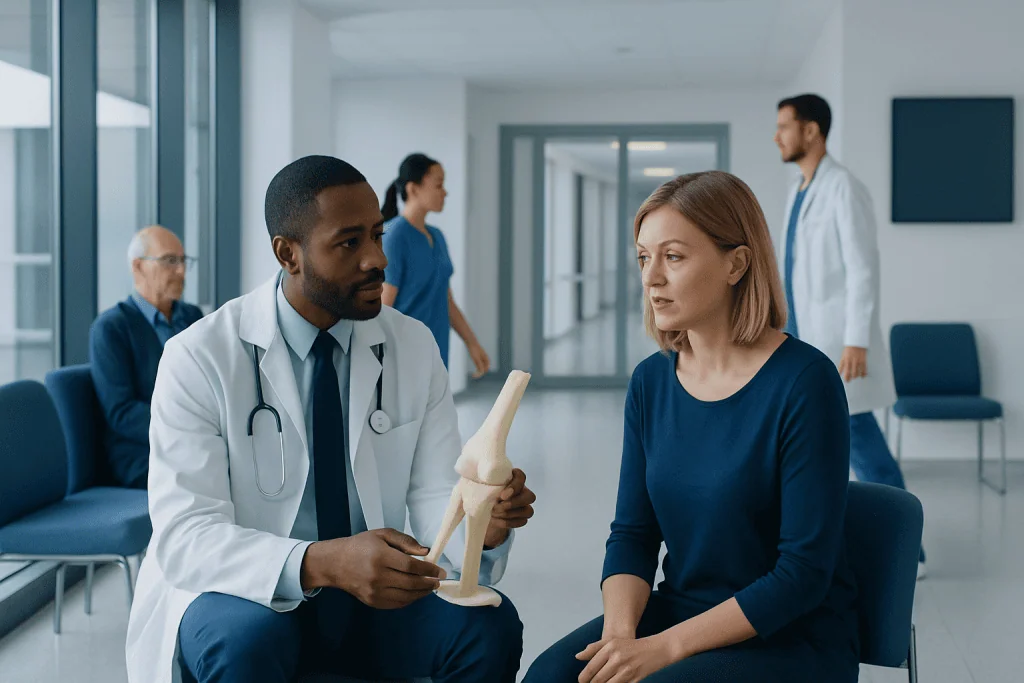
Orthopedic diagnosis starts with listening to symptoms, medical history, and how the problem affects daily life. A physical exam helps assess pain, swelling, strength, range of motion, stability, posture, and walking pattern.
Key Takeaways
- Orthopedic diagnosis starts with listening to symptoms, medical history, and how the problem affects daily life.
- A physical exam helps assess pain, swelling, strength, range of motion, stability, posture, and walking pattern.
- Imaging tests such as X-rays, MRI, CT, or ultrasound may be used depending on the suspected problem.
- Treatment planning is individualized and may include rest, medication, physical therapy, injections, or surgery.
- Early evaluation can help prevent worsening symptoms and support better recovery.
Orthopedic diagnosis is the process doctors use to find the cause of pain, stiffness, weakness, or limited movement in bones, joints, muscles, ligaments, and the spine. It usually involves a detailed medical history, a physical exam, and, when needed, imaging or other tests to guide safe and effective treatment.
Overview of orthopedic diagnosis
Orthopedic diagnosis is the medical process used to identify problems affecting the musculoskeletal system. This includes bones, joints, muscles, tendons, ligaments, and the spine. People may need an orthopedic evaluation for symptoms such as pain, swelling, stiffness, numbness, weakness, instability, or difficulty walking and using a limb normally.
The goal is not simply to name a condition, but to understand why symptoms are happening and how severe the problem is. Two people may both have knee pain, for example, but one may have a ligament injury, another may have cartilage wear, and a third may have pain coming from the hip or lower back. A careful diagnosis helps avoid unnecessary treatment and supports a plan that fits the person’s needs.
Orthopedic diagnosis usually follows a step-by-step approach. It begins with a conversation about symptoms and medical history, followed by a hands-on physical examination. If needed, doctors may request imaging studies or laboratory tests to confirm the suspected cause. This structured process helps distinguish between injuries, overuse conditions, arthritis, nerve-related pain, and other disorders.
What happens during the orthopedic exam
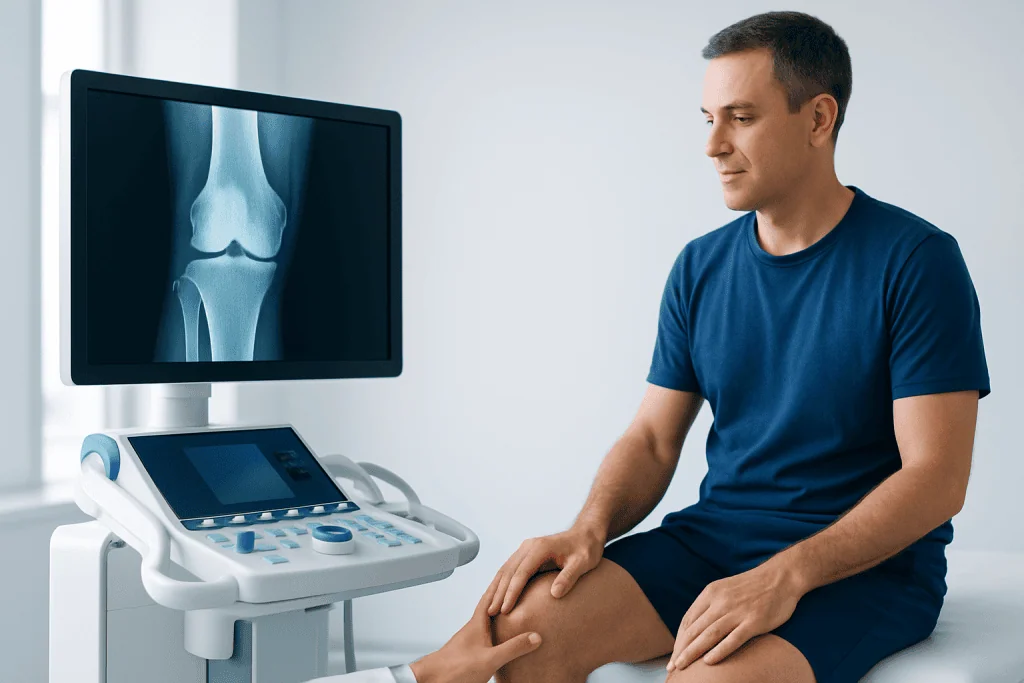
The first part of an orthopedic assessment is a detailed medical history. The doctor asks when symptoms started, whether they began suddenly or gradually, what makes them better or worse, and how they affect daily activities, work, exercise, and sleep. The location of pain, the presence of swelling, clicking, locking, numbness, or weakness, and any previous injuries or surgeries all provide important clues.
The physical exam focuses on how the affected area looks and works. The doctor may inspect for swelling, deformity, redness, bruising, muscle wasting, or abnormal posture. They may gently press on certain areas to identify tenderness and assess whether the pain comes from a joint, muscle, tendon, bone, or surrounding soft tissue.
Movement testing is a key part of the exam. The doctor checks active and passive range of motion, muscle strength, flexibility, balance, joint stability, and walking pattern. In some cases, they perform special maneuvers designed to stress specific structures, such as the meniscus in the knee, the rotator cuff in the shoulder, or nerve roots in the spine. These findings help narrow the list of possible causes before imaging is considered.
Symptoms and conditions an orthopedic diagnosis can uncover
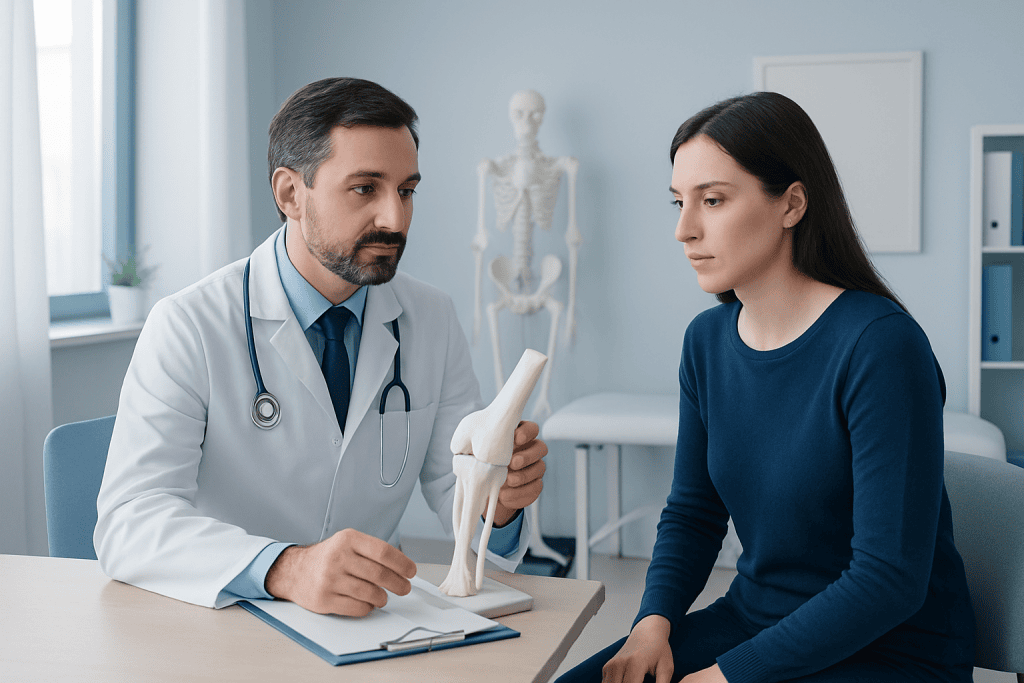
Orthopedic evaluation may be helpful for many different symptoms. Common reasons include joint pain, back or neck pain, sports injuries, swelling after a fall, stiffness in the morning, a feeling that a joint gives way, reduced grip strength, or difficulty climbing stairs. Some people seek care because they have long-term wear-and-tear symptoms, while others need urgent assessment after an accident.
A thorough assessment can reveal a wide range of conditions. These include fractures, sprains, tendon injuries, bursitis, cartilage damage, osteoarthritis, inflammatory joint problems, overuse syndromes, and spinal disc disorders. In some situations, symptoms that seem orthopedic may actually be related to circulation, infection, or neurologic issues, which is one reason a careful workup matters.
Doctors also consider whether symptoms may be referred from another area. Hip disease can sometimes cause knee pain, and nerve compression in the spine can cause symptoms in an arm or leg. A person may eventually be diagnosed with conditions such as knee osteoarthritis or a herniated disc, but these diagnoses are usually made only after history, exam findings, and appropriate testing are reviewed together.
How imaging and tests are chosen
Not every orthopedic problem needs imaging right away. In many cases, the history and physical exam already point strongly toward the cause, and initial treatment can begin without extensive testing. When imaging is needed, the choice depends on the body part involved, the suspected condition, symptom duration, and whether trauma has occurred.
X-rays are often the first imaging test because they show bones clearly and can identify fractures, joint alignment changes, and signs of arthritis. Magnetic resonance imaging, or MRI, is especially useful for soft tissues such as ligaments, tendons, cartilage, discs, and muscles. Computed tomography, or CT, may be used for complex fractures or to examine bony structures in greater detail. Ultrasound can help assess some tendon, muscle, and fluid-related conditions and may be useful as a dynamic, real-time test.
Other tests may also be considered in selected cases. Blood tests can help if infection, inflammation, or metabolic bone disease is suspected. Nerve conduction studies or electromyography may be used when symptoms suggest nerve compression or muscle dysfunction. The main principle is that testing should answer a specific clinical question and contribute meaningfully to treatment planning, rather than being done routinely.
From diagnosis to treatment planning
Once the doctor has enough information, the next step is treatment planning. This plan is based on the exact diagnosis, symptom severity, age, activity level, overall health, and personal goals. Some conditions improve with time and conservative care, while others may require more active treatment to restore function or prevent further damage.
Conservative treatment is often the starting point. It may include activity modification, short-term rest, ice or heat, supportive braces, medication to relieve pain or inflammation, and a structured exercise program. Many people also benefit from physical therapy and rehabilitation, which can improve strength, flexibility, posture, balance, and joint mechanics. The goal is not only to reduce pain but also to address the reason symptoms developed.
If symptoms persist or the underlying problem is more serious, additional options may be discussed. These can include injections, image-guided procedures, or surgery. When an operation is considered, imaging and exam findings help determine the most suitable approach, such as arthroscopy for some joint problems or spine surgery for selected spinal conditions. Good treatment planning also includes discussing expected recovery time, rehabilitation needs, and what results are realistic.
Why early and accurate diagnosis matters
Early diagnosis can help prevent a minor problem from becoming a larger one. A simple strain may improve with rest and guided exercise, but ongoing stress on an unstable joint or untreated tendon injury can sometimes lead to chronic pain or reduced function. Identifying the problem early may also help people return to normal activity sooner and more safely.
Accurate diagnosis is equally important because musculoskeletal symptoms can overlap. Shoulder pain may come from tendons, the joint itself, the neck, or even nerve irritation. Treating the wrong cause may delay recovery. A careful orthopedic workup helps direct treatment to the true source of symptoms and reduces the chance of unnecessary procedures.
For athletes, workers with physically demanding jobs, and older adults trying to maintain independence, diagnosis has practical value beyond symptom relief. It can guide decisions about safe exercise, work modifications, fall prevention, and long-term joint protection. In this way, orthopedic diagnosis supports both immediate care and future musculoskeletal health.
Self-care, preparation, and when to seek medical attention
While waiting for an orthopedic appointment, simple self-care may help. Resting the affected area, avoiding activities that increase pain, using ice after a new injury, and keeping a record of symptoms can be useful. It also helps to note when pain occurs, whether there is swelling or weakness, and what treatments have already been tried. Bringing previous imaging reports or a list of medications can make the visit more efficient.
Medical attention is important if pain follows a significant injury, if a joint looks deformed, or if weight-bearing becomes difficult. New numbness, progressive weakness, loss of bladder or bowel control, fever with severe joint pain, or rapidly increasing swelling should be assessed promptly. These symptoms do not always mean a serious problem, but they should not be ignored.
Even when symptoms are not urgent, a medical review is sensible if pain lasts more than a few weeks, keeps returning, limits movement, interrupts sleep, or affects daily life. Near the end of the diagnostic journey, some people may need coordinated care across imaging, rehabilitation, pain management, and surgery. Acibadem International’s multidisciplinary specialists and JCI-accredited hospitals evaluate and treat orthopedic conditions for international patients when advanced assessment or treatment is needed.
Frequently asked questions
What is orthopedic diagnosis?
Orthopedic diagnosis is the process of finding the cause of problems in bones, joints, muscles, tendons, ligaments, or the spine. It usually combines a medical history, a physical exam, and sometimes imaging or other tests to guide treatment.
Do all orthopedic problems need an MRI?
No. Many problems can be evaluated well with a history, physical exam, and sometimes a simple X-ray. MRI is usually reserved for situations where soft tissues, cartilage, discs, or more complex injuries need closer assessment.
What should a patient bring to an orthopedic appointment?
It is helpful to bring previous imaging reports, a medication list, and notes about when symptoms started and what makes them better or worse. Comfortable clothing that allows the affected area to be examined can also make the visit easier.
Can orthopedic pain come from somewhere else in the body?
Yes. Pain is sometimes referred from another area, such as the hip causing knee pain or the spine causing arm or leg symptoms. That is why doctors examine nearby joints, the spine, nerves, posture, and walking pattern rather than focusing only on one painful spot.
How long does it take to get a diagnosis?
Some problems can be identified during the first visit, especially when symptoms and exam findings are clear. Others may need imaging, blood tests, or follow-up over time before the diagnosis is confirmed and the best treatment plan is chosen.
Does an orthopedic diagnosis always lead to surgery?
No. Many orthopedic conditions improve with non-surgical treatment such as rest, medication, physical therapy, bracing, or injections. Surgery is usually considered only when conservative treatment does not help enough or when the injury is severe and unlikely to heal well without an operation.
References
- American Academy of Orthopaedic Surgeons
- National Institute of Arthritis and Musculoskeletal and Skin Diseases
- American College of Radiology
- National Health Service
- World Health Organization
This article is for general information only and is not a substitute for professional medical advice. Please consult a qualified doctor about your individual situation.
Joint and spine care in Turkey — expert assessment & treatment
JCI-accredited · board-certified surgeons · reply within 24h
Add us as a Preferred Source to see more of our trusted health content across Google Search, AI Overviews and Discover.

Orthopedics & Spine
Care for bones, joints and the musculoskeletal system, including joint replacement, sports injuries and trauma.
125 specialists in this unitMore from the Health Library



Related Specialists

Dr. Sevil Elçin Kızılok
Pediatrics
Dr. Mehriban Allahverdiyeva
Inpatient Clinic Physicians Clinical Service
Assoc. Prof. Dr. Mirza Zafer Dağtaş
Orthopedic Surgery & Traumatology
Dr. Volkan Yurtman
Cardiovascular Surgery