How Orthopedic Surgery Is Planned: Tests, Timing, and Preparation

Orthopedic surgery is planned around the diagnosis, symptoms, function, and the patient’s general health. Preoperative testing may include imaging, blood tests, heart or lung assessment, and anesthesia review.
Key Takeaways
- Orthopedic surgery is planned around the diagnosis, symptoms, function, and the patient’s general health.
- Preoperative testing may include imaging, blood tests, heart or lung assessment, and anesthesia review.
- The best timing depends on pain, mobility, work and family needs, and any medical conditions that should be optimized first.
- Preparation often includes medication review, smoking cessation, physical conditioning, and arranging help after surgery.
- Patients should ask clear questions about risks, expected recovery, rehabilitation, and warning signs after the procedure.
Orthopedic surgery planning involves more than choosing an operation date. It usually includes a careful diagnosis, imaging and laboratory tests, a review of overall health, and practical preparation for recovery at home.
Overview: What orthopedic surgery planning involves
Orthopedic surgery planning is a step-by-step process used to decide whether surgery is appropriate and, if so, how to prepare for it safely. Orthopedic procedures may be recommended for problems involving bones, joints, cartilage, ligaments, tendons, muscles, or the spine. Common reasons include severe arthritis, fractures, sports injuries, nerve compression, joint instability, or long-standing pain that has not improved with non-surgical treatment.
Good planning helps match the procedure to the person’s symptoms, medical history, activity goals, and daily needs. In many cases, surgery is considered after conservative care such as medication, physiotherapy, injections, activity changes, bracing, or weight management has been tried. However, some situations, such as certain fractures or significant nerve pressure, may require more urgent treatment.
The process usually involves an orthopedic examination, imaging tests, and a broader health review to reduce risks related to anesthesia, bleeding, infection, or delayed healing. It also includes practical planning for recovery, such as understanding rehabilitation, arranging transport, and preparing the home environment. When patients know what to expect, they often feel more informed and more confident about the next steps.
How surgeons decide whether surgery is needed
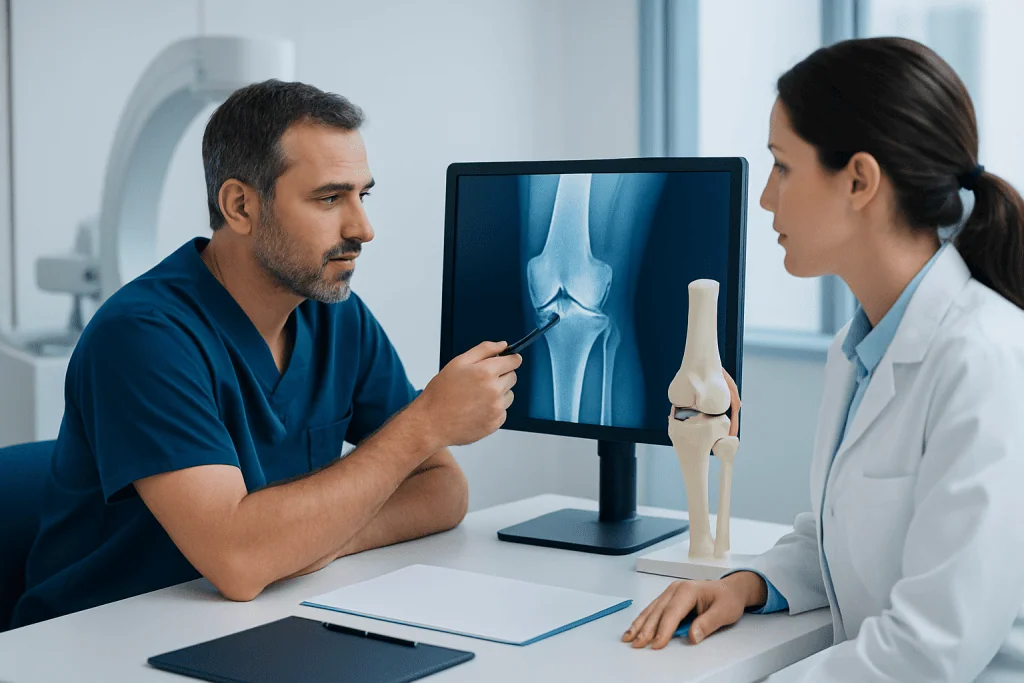
The decision to operate is based on several factors rather than one test alone. The orthopedic specialist looks at the diagnosis, the severity of symptoms, how much the problem limits walking, sleep, work, exercise, or self-care, and whether the condition is likely to worsen without treatment. The doctor also considers age, bone quality, overall health, and personal goals, such as returning to sport, reducing pain, or restoring independence.
Not every orthopedic condition needs surgery. For example, mild joint degeneration, tendon irritation, or some meniscus and back problems may improve with targeted rehabilitation and time. In contrast, surgery may be more strongly considered when there is significant deformity, joint damage, instability, repeated dislocation, persistent nerve symptoms, or pain that remains severe despite appropriate treatment.
Shared decision-making is important. Patients are usually encouraged to discuss expected benefits, possible complications, alternative treatments, and how long recovery may take. In some cases, the procedure may be part of a broader treatment pathway, such as knee replacement, hip replacement, or spine surgery, depending on the affected area and the reason for surgery.
Tests and evaluations before orthopedic surgery

Before surgery, the medical team usually confirms the diagnosis and checks that the patient is fit for the procedure. Imaging is central to this process. X-rays are often used for fractures, joint wear, and alignment. MRI may be used to assess soft tissues such as cartilage, menisci, ligaments, tendons, discs, or nerves. CT scans can help define complex bone anatomy, especially for trauma or surgical planning around joints and the spine.
Laboratory tests are commonly ordered to look at overall health and identify issues that may affect safety or healing. These may include a complete blood count, kidney function, blood sugar, electrolytes, clotting tests, and blood typing if blood loss is a possibility. Depending on the person’s age and medical history, a urine test, pregnancy test, chest imaging, or infection screening may also be needed.
An anesthesia assessment is often part of planning. This visit reviews past anesthesia experiences, allergies, medications, airway factors, sleep apnea, and conditions such as heart disease, diabetes, asthma, or high blood pressure. Some patients may need an ECG, echocardiogram, or review by a cardiologist or pulmonologist before surgery. If the operation involves mobility problems or a long recovery, the team may also assess muscle strength, balance, and home support in advance.
For certain conditions, diagnosis and planning are especially detailed. Examples include osteoarthritis causing joint damage, scoliosis affecting spinal alignment, or a herniated disc causing persistent nerve pain. In these situations, symptoms, scans, and physical examination findings all help guide the treatment plan.
Timing: when orthopedic surgery should be scheduled
The timing of orthopedic surgery depends on both medical and personal factors. Some operations are urgent, such as surgery for certain unstable fractures, severe joint infections, or nerve compression with progressive weakness. Other procedures are elective, meaning they can be scheduled when symptoms, health status, and life circumstances are aligned as well as possible.
Doctors often aim to optimize health before elective surgery. This may include improving blood sugar control, treating anemia, reviewing blood pressure, addressing skin problems near the surgical area, or delaying surgery until an infection has cleared. Smoking cessation is particularly important because smoking can increase the risk of wound problems, infection, and delayed bone healing.
Practical timing matters too. Patients may want to plan surgery around work responsibilities, family support, school schedules, or travel needs. The expected rehabilitation period can vary widely between procedures, so it helps to discuss how long walking aids, physical therapy, or activity restrictions may be needed. In many cases, choosing the right time can make recovery more manageable without changing the effectiveness of the procedure itself.
How to prepare in the weeks before surgery
Preparation usually starts several weeks before the operation. A medication review is one of the most important steps. The surgical team should know about prescription drugs, blood thinners, diabetes medicines, pain relievers, herbal products, vitamins, and supplements. Some medicines may need to be adjusted or paused before surgery, but changes should only be made under medical guidance.
General health habits can also affect the outcome. Patients are often advised to stop smoking, limit alcohol, eat a balanced diet, and stay as physically active as their condition allows. In some cases, a doctor or physiotherapist may recommend targeted exercises before surgery to strengthen nearby muscles, improve range of motion, and support rehabilitation afterward. This is sometimes called prehabilitation and may be especially useful before procedures such as robotic knee replacement or shoulder surgery.
Home planning is another practical part of preparation. It may help to arrange transport, identify who will assist during the first days after surgery, and prepare a sleeping area that is easy to reach. Removing trip hazards, placing commonly used items at waist height, and planning meals in advance can reduce strain during early recovery. Patients who use stairs should ask whether a walking aid, raised toilet seat, shower chair, or other support equipment may be helpful.
Emotional preparation matters as well. Feeling nervous before surgery is common. Writing down questions, understanding the stages of recovery, and learning how pain will be managed can make the experience feel more predictable. Clear communication with the care team often helps patients feel reassured and actively involved in decision-making.
What happens on the day of surgery and just after
On the day of surgery, patients usually follow fasting instructions and arrive early for final checks. The team confirms identity, consent, the planned procedure, allergies, and the correct surgical site. A nurse may place an intravenous line, and the anesthesiologist will review the anesthesia plan, which may involve general anesthesia, regional anesthesia, or a combination depending on the procedure.
After surgery, patients are monitored as the anesthesia wears off. The immediate focus is on comfort, breathing, circulation, wound care, and early movement when appropriate. Pain control is usually planned using more than one method, which may include local anesthetic techniques, regular pain medicines, ice, elevation, and gradual activity. The team also works to reduce risks such as blood clots, nausea, constipation, and infection.
The length of hospital stay depends on the type of surgery and the patient’s health. Some procedures are done as day surgery, while others require one or more nights in hospital. Physiotherapy may begin very soon after the operation, especially after joint replacement or fracture fixation. Before discharge, patients are typically given instructions about wound care, mobility, medications, follow-up visits, and warning signs that should prompt medical advice.
Recovery, rehabilitation, and self-care after orthopedic surgery
Recovery does not follow exactly the same timeline for every person. It depends on the type of operation, the condition being treated, bone and soft tissue healing, age, muscle strength, and other health factors. Some people recover function steadily over weeks, while others need several months of rehabilitation. Pain and swelling often improve gradually rather than all at once.
Rehabilitation is a key part of success after many orthopedic procedures. A physiotherapy plan may focus on walking, joint movement, muscle strengthening, balance, posture, or a gradual return to sport and work tasks. Following movement restrictions, weight-bearing instructions, and exercise guidance can help protect the repair or implant while function improves.
Self-care usually includes taking medicines as prescribed, keeping the wound clean and dry as advised, eating enough protein and nutrient-rich foods, and sleeping in a comfortable supported position. Patients should also pay attention to signs such as increasing redness, drainage, fever, worsening calf pain, shortness of breath, or sudden loss of function, and seek medical advice promptly if these occur. Near the end of the planning and treatment journey, some international patients may choose centers such as Acibadem International, where multidisciplinary specialists in JCI-accredited hospitals diagnose and treat orthopedic conditions.
When to contact a doctor and what questions to ask
Patients should contact their doctor before surgery if they develop a fever, cough, skin infection, dental infection, new chest pain, or a sudden change in their medical condition. These issues do not always mean surgery must be canceled, but they may need review to keep the procedure as safe as possible. New injuries, new medications, or concerns about fasting or anesthesia should also be discussed early.
After surgery, medical advice should be sought if there is uncontrolled pain, bleeding that does not stop, a wound that opens, increasing swelling, fainting, confusion, chest symptoms, or trouble moving the limb that was treated. Early contact can help address problems before they become more serious.
It can be useful to ask practical questions during planning, such as:
- Why is this surgery recommended, and what are the alternatives?
- What benefits are realistic for pain, mobility, and function?
- What are the main risks in this specific case?
- How long will hospital stay, rehabilitation, and return to work usually take?
- What help will be needed at home after discharge?
Clear answers to these questions can help patients make informed choices and prepare more effectively for surgery and recovery.
Frequently asked questions
What tests are usually done before orthopedic surgery?
Common preoperative tests may include X-rays, MRI or CT scans, blood tests, and sometimes an ECG or chest evaluation. The exact tests depend on the planned procedure, age, medical history, and any existing health conditions.
How long before surgery should preparation begin?
Preparation often starts several weeks in advance, especially for elective procedures. This allows time for medical review, medication adjustments, smoking cessation, exercise planning, and arranging support at home.
Can orthopedic surgery be delayed if someone has another health problem?
Yes, elective surgery is sometimes delayed to improve safety. Doctors may recommend treating an infection, improving blood sugar control, managing anemia, or stabilizing heart or lung conditions before proceeding.
Why does timing matter for orthopedic surgery?
Timing affects both medical safety and recovery planning. Scheduling surgery when health is optimized and support is available can make rehabilitation smoother and may reduce complications.
Is physiotherapy important before and after orthopedic surgery?
In many cases, yes. Before surgery, targeted exercise may help maintain strength and mobility, while after surgery, rehabilitation often supports safe movement, function, and return to daily activities.
What should patients ask their surgeon before the operation?
Helpful questions include why surgery is recommended, what alternatives exist, what risks and benefits are expected, and how long recovery may take. It is also useful to ask about pain management, rehabilitation, and any activity restrictions.
References
- American Academy of Orthopaedic Surgeons
- National Institute for Health and Care Excellence
- OrthoInfo
- World Health Organization
- MedlinePlus
This article is for general information only and is not a substitute for professional medical advice. Please consult a qualified doctor about your individual situation.
Joint and spine care in Turkey — expert assessment & treatment
JCI-accredited · board-certified surgeons · reply within 24h
Add us as a Preferred Source to see more of our trusted health content across Google Search, AI Overviews and Discover.
Check your numbers in seconds
BMI, calories, due date, blood pressure and 30+ more clinical calculators — free, instant, doctor-reviewed ranges.

Orthopedics & Spine
Care for bones, joints and the musculoskeletal system, including joint replacement, sports injuries and trauma.
125 specialists in this unit