How Pediatric Conditions Are Diagnosed: Tests, Examinations, and Referrals

Most pediatric diagnoses begin with a detailed medical history and age-appropriate physical examination. Doctors choose tests based on symptoms, age, development, and the likelihood of different conditions.
Key Takeaways
- Most pediatric diagnoses begin with a detailed medical history and age-appropriate physical examination.
- Doctors choose tests based on symptoms, age, development, and the likelihood of different conditions.
- Many children do not need extensive testing, and watchful follow-up may be part of safe care.
- Referrals help when a child needs expertise from a pediatric specialist, therapist, or surgeon.
- Parents can support diagnosis by tracking symptoms, medications, growth concerns, and family history.
Diagnosing pediatric conditions usually starts with a careful history and physical examination, followed by tests or specialist referrals when needed. The goal is to understand a child’s symptoms clearly, rule out serious causes, and choose the most appropriate care.
Overview
Pediatric diagnosis is the process of identifying the cause of a child’s symptoms, health concern, or developmental issue. It is often different from diagnosis in adults because children may not be able to describe what they feel clearly, and normal growth and development can affect how symptoms appear. Doctors therefore rely on a combination of observation, parent or caregiver input, physical examination, and carefully selected tests.
In many cases, diagnosis happens step by step rather than all at once. A pediatrician may first look for common and easily treatable causes, then decide whether more testing is needed. This approach helps avoid unnecessary procedures while still making sure important conditions are not missed.
The process may involve one or more professionals, including a general pediatrician, family doctor, nurse, radiologist, laboratory team, or pediatric specialist. Depending on the child’s symptoms, referrals may be made to areas such as cardiology, neurology, endocrinology, gastroenterology, orthopedics, or developmental medicine.
How Doctors Start the Evaluation
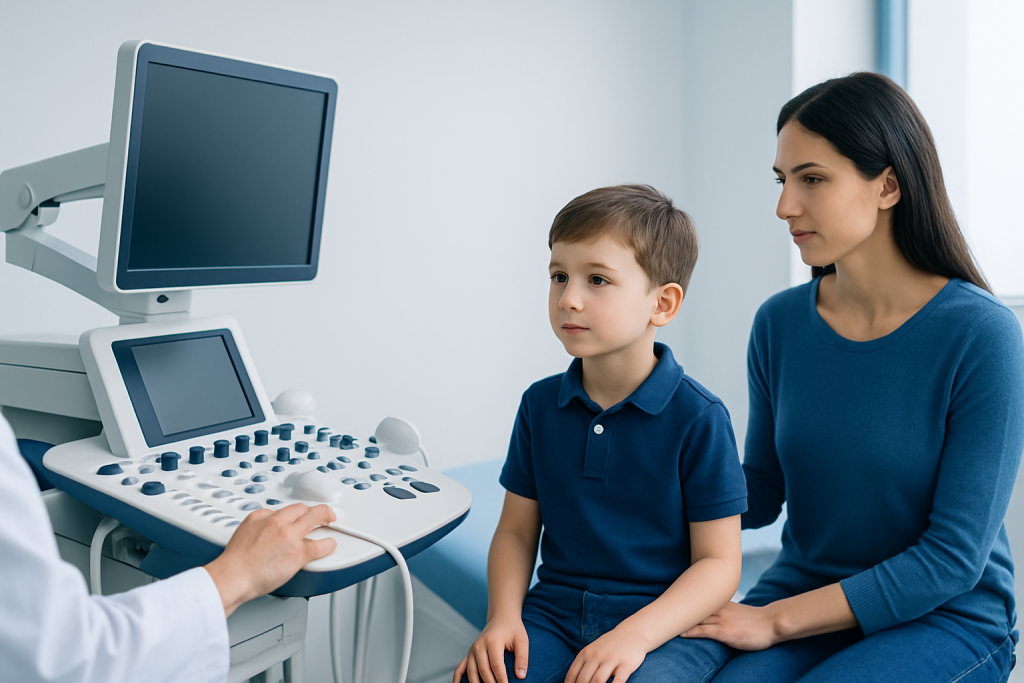
The first step in pediatric conditions diagnosis is usually a full medical history. Doctors ask when the symptoms started, how often they happen, what makes them better or worse, and whether they affect sleep, appetite, growth, school, or play. Parents may also be asked about pregnancy and birth history, vaccination status, previous illnesses, medications, allergies, and family history of medical conditions.
Developmental history is also very important in children. A doctor may ask about feeding, speech, motor skills, learning, social interaction, toilet training, and behavior. These details can help show whether a concern is part of typical development, linked to a temporary illness, or connected to an underlying medical issue.
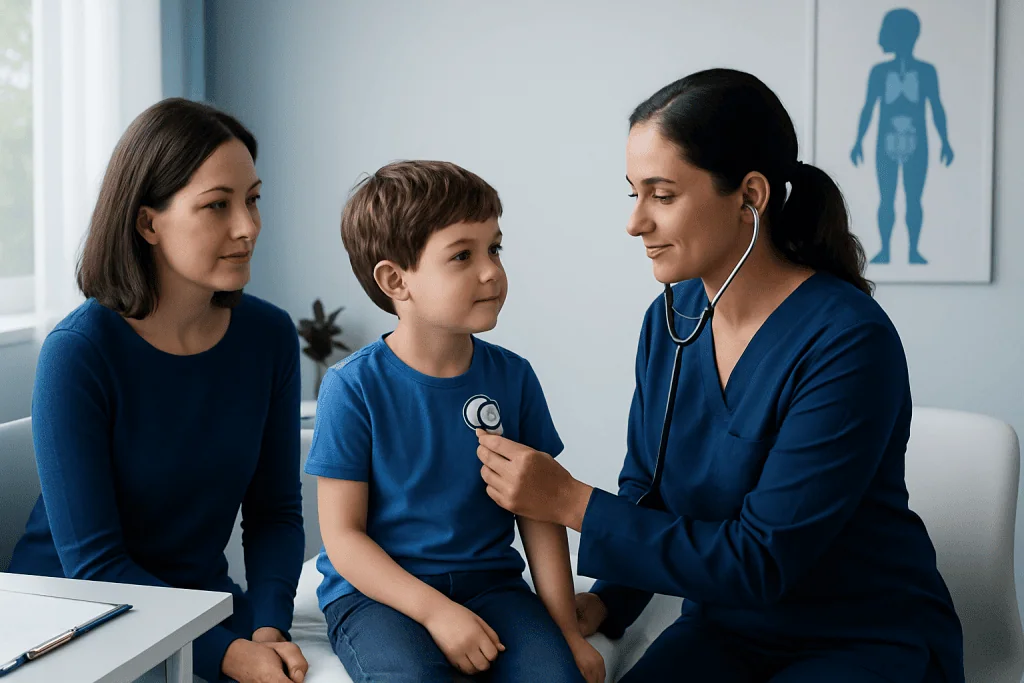
During the physical examination, the clinician checks the child’s temperature, heart rate, breathing rate, blood pressure when appropriate, growth measurements, and general appearance. The exam may include listening to the heart and lungs, examining the ears, throat, skin, abdomen, joints, and nervous system, and observing movement, strength, balance, and behavior. For infants and younger children, doctors often adapt the exam to reduce stress and keep the child comfortable.
Common Tests Used in Children
Not every child needs testing. When tests are recommended, they are chosen based on the child’s age, symptoms, examination findings, and the most likely causes. Basic laboratory tests may include blood tests, urine tests, stool tests, throat swabs, or cultures to look for infection, inflammation, anemia, hormone imbalance, dehydration, or metabolic concerns.
Imaging tests may be used when doctors need to see inside the body more clearly. These can include X-rays for bones or the chest, ultrasound for the abdomen, hips, or kidneys, and sometimes more detailed imaging such as MRI scans or CT scans when there is a specific clinical reason. Imaging decisions are made carefully in children, especially when radiation exposure may be involved.
Some situations require functional or specialized testing. Examples include hearing and vision screening, lung function testing, allergy evaluation, electrocardiograms, echocardiography, sleep studies, or developmental and psychological assessments. If symptoms suggest a digestive problem, a doctor may consider referral for endoscopy in selected cases, although this is usually reserved for clear indications.
Doctors generally try to balance accuracy with comfort and safety. They explain why a test is needed, what it may show, and whether any preparation is required. In many cases, a normal test result is just as helpful as an abnormal one because it helps narrow the possibilities.
When Referrals to Specialists Are Needed
A referral is recommended when a child’s symptoms are complex, persistent, severe, or outside the scope of routine primary care. Pediatric specialists have additional training in specific body systems or conditions, which can help confirm a diagnosis and guide treatment. Referral does not always mean a serious problem; it often means the child would benefit from more focused evaluation.
Examples include referral to a pediatric cardiologist for a heart murmur or fainting, a neurologist for seizures or developmental regression, an endocrinologist for growth or puberty concerns, or a gastroenterologist for chronic abdominal pain or poor weight gain. A child with joint pain may be referred to orthopedics or rheumatology, while skin issues may need a dermatologist’s assessment.
Some referrals are made to non-physician professionals. Children may be assessed by speech and language therapists, audiologists, occupational therapists, physiotherapists, psychologists, or dietitians. This is especially common when symptoms affect communication, movement, feeding, school performance, or sensory processing.
If surgery may be part of care, a pediatric surgeon or another surgical specialist may be involved. In some cases, diagnosis also requires a team approach, such as for cerebral palsy or epilepsy, where medical, developmental, and rehabilitation input may all be important.
How Age, Growth, and Development Affect Diagnosis
Children are not simply small adults, and age matters in diagnosis. Symptoms can look different in newborns, infants, toddlers, school-age children, and teenagers. For example, a baby may show illness through poor feeding, sleepiness, irritability, or fewer wet diapers rather than by clearly describing pain or dizziness.
Growth patterns are another key part of the assessment. Pediatricians review weight, height, head circumference in younger children, and growth trends over time. Slow growth, rapid weight changes, or a shift in percentiles can provide important clues about nutrition, hormone function, chronic illness, or other health issues.
Development also shapes how doctors interpret findings. Delays in speech, movement, learning, or social development may point toward hearing problems, neurological conditions, autism spectrum disorder, or other developmental differences. In adolescents, puberty timing and emotional well-being become especially relevant, since hormone changes, stress, and mental health concerns can affect physical symptoms too.
What Parents and Caregivers Can Do
Parents and caregivers play a central role in pediatric conditions diagnosis because they know the child best. Bringing clear information to the appointment can make the process faster and more accurate. It can help to note when symptoms started, how often they happen, whether they are getting better or worse, and if they seem linked to meals, sleep, exercise, school, infections, or stress.
A symptom diary can be useful for recurring concerns such as headaches, abdominal pain, rashes, fevers, cough, behavior changes, or possible seizures. Parents should also bring a list of medicines, vitamins, and supplements, along with any known allergies, previous test results, and growth or vaccination records if available.
Questions are encouraged. Families can ask what the doctor thinks is most likely, whether testing is needed now, what warning signs to watch for, and when follow-up should happen. A calm, open discussion often helps parents understand why immediate testing may or may not be necessary.
Near the end of the diagnostic journey, some families may prefer a multidisciplinary center where pediatric specialists work together. Acibadem International’s JCI-accredited hospitals care for international patients and offer coordinated evaluation for children who need advanced pediatric assessment.
When to Seek Prompt Medical Attention
Although many childhood symptoms are caused by minor and self-limited illnesses, some signs should be assessed urgently. These include trouble breathing, blue lips, severe dehydration, high fever in a very young infant, seizures, significant head injury, loss of consciousness, severe allergic reactions, sudden weakness, or extreme sleepiness that is not normal for the child.
Parents should also seek prompt evaluation if a child has persistent vomiting, blood in stool or vomit, severe abdominal pain, a new widespread rash with illness, worsening pain, reduced responsiveness, or symptoms that are rapidly getting worse. Concerns about self-harm, major behavior changes, or serious mental health distress in an older child or teenager also need urgent professional help.
If symptoms are not an emergency but continue, come back, or interfere with daily life, a scheduled medical review is still important. Ongoing cough, repeated infections, poor growth, frequent headaches, school difficulties, delayed milestones, and recurrent pain all deserve attention. Early assessment can help identify problems sooner and support better long-term care.
Frequently asked questions
Do all children need tests to get a diagnosis?
No. Many pediatric diagnoses can be made from a careful history and physical examination alone. Tests are usually ordered only when they are likely to change management, confirm a suspected condition, or rule out an important alternative.
Why might a doctor wait before ordering more tests?
Some childhood illnesses improve on their own, and early symptoms may not point clearly to one cause. Safe observation with follow-up can sometimes provide more useful information than immediate extensive testing, while also avoiding unnecessary procedures.
What should parents bring to a pediatric evaluation?
Helpful items include a symptom timeline, medication list, allergy information, vaccination record, previous test results, and notes about growth, behavior, sleep, or school concerns. Videos can also help in some cases, such as unusual movements, coughing episodes, or skin changes that are not present during the visit.
Are imaging tests safe for children?
Doctors use imaging only when it is medically helpful and choose the safest appropriate option. Ultrasound and MRI do not use ionizing radiation, while X-rays and CT scans are used carefully with attention to minimizing exposure.
What does a specialist referral mean?
A referral means the child may benefit from more focused expertise in a certain area of medicine or development. It does not automatically mean the condition is serious; often it is simply the best way to reach a clear diagnosis and treatment plan.
How long does pediatric diagnosis usually take?
It depends on the symptom, the child’s age, and whether the problem is straightforward or complex. Some diagnoses are made in one visit, while others require follow-up appointments, monitoring over time, or input from several specialists.
References
- American Academy of Pediatrics
- Centers for Disease Control and Prevention
- National Institute for Health and Care Excellence
- World Health Organization
- MedlinePlus
This article is for general information only and is not a substitute for professional medical advice. Please consult a qualified doctor about your individual situation.
Explore treatments in Turkey — costs, top hospitals & a free quote
JCI-accredited · board-certified surgeons · reply within 24h
Add us as a Preferred Source to see more of our trusted health content across Google Search, AI Overviews and Discover.
Check your numbers in seconds
BMI, calories, due date, blood pressure and 30+ more clinical calculators — free, instant, doctor-reviewed ranges.

Pediatrics
Complete healthcare for infants, children and adolescents across all sub-specialties.
232 specialists in this unitMore from the Health Library



Related Specialists

Dr. Mert Öztaş
Rheumatology
Prof. Dr. A. Çağrı Büke
Infectious Diseases & Clinical Microbiology
Prof. Dr. Zeynep Güven
Physical Medicine & Rehabilitation
Dyt. Begüm Bengi
Nutrition & Diet