How Pediatric Diseases Are Diagnosed: Tests and Next Steps

Diagnosis in children starts with history-taking and a physical examination. Doctors choose tests based on symptoms, age, and likely causes rather than using every test at once.
Key Takeaways
- Diagnosis in children starts with history-taking and a physical examination.
- Doctors choose tests based on symptoms, age, and likely causes rather than using every test at once.
- Common tests include blood work, urine tests, imaging, and sometimes specialist evaluations.
- Results are interpreted together, not in isolation, to guide treatment and follow-up.
- Parents can help by tracking symptoms, bringing records, and asking clear questions about next steps.
Pediatric disease diagnosis usually begins with a careful medical history and physical exam, followed by tests chosen to match a child’s symptoms, age, and overall health. Understanding how the process works can help families feel more prepared and confident about the next steps.
Overview: How pediatric diagnosis works
Pediatric disease diagnosis is the process doctors use to understand why a child has certain symptoms and what condition may be causing them. Because children are still growing and may not always be able to describe how they feel, diagnosis often relies on several pieces of information taken together. These include the child’s symptoms, age, medical history, physical examination, and when needed, laboratory or imaging tests.
The goal is not simply to name a disease, but to identify the most likely cause in a safe and efficient way. In many cases, common illnesses can be recognized with a history and examination alone. In other situations, especially when symptoms are persistent, unusual, or severe, more detailed testing may be needed to rule out infection, inflammation, inherited conditions, organ problems, or other disorders.
Doctors generally follow a step-by-step approach. They begin with the least invasive and most informative methods, then add tests only if they are likely to help answer a specific question. This helps avoid unnecessary procedures and supports a child-centered, evidence-based plan of care.
The first step: medical history and physical exam
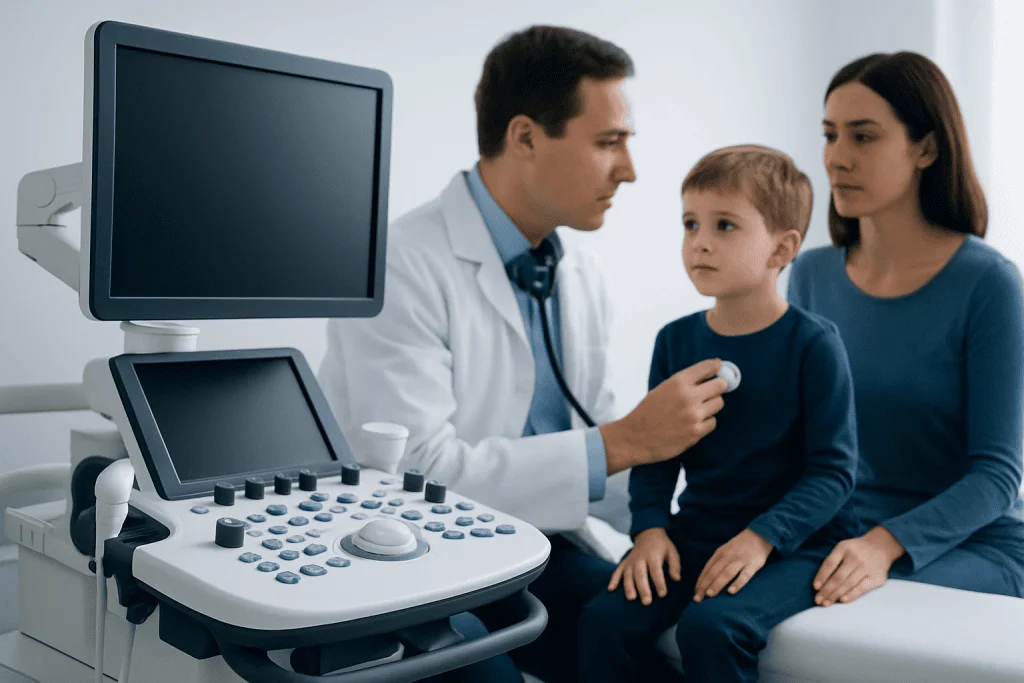
A child’s medical history is one of the most important tools in diagnosis. The doctor will ask when symptoms started, whether they are getting better or worse, and what makes them improve or flare up. Parents or caregivers may be asked about fever, appetite, sleep, bowel habits, urination, energy level, recent infections, travel, medications, allergies, school attendance, and exposure to sick contacts.
Past medical history also matters. Information about birth history, growth and development, vaccinations, previous hospital stays, chronic conditions, and family history can offer valuable clues. Some illnesses run in families, while others are more likely in children with certain medical backgrounds or developmental stages.
The physical exam then helps narrow the possibilities. Depending on symptoms, the doctor may examine the ears, throat, chest, heart, abdomen, skin, joints, and nervous system. Growth measurements such as height, weight, and head circumference in younger children can also be part of the diagnostic picture, since changes in growth may reflect underlying health concerns.
Sometimes, the history and exam are enough to support a diagnosis and treatment plan. At other times, they help determine which tests, if any, are most appropriate next.
Common tests used to diagnose pediatric diseases

When testing is needed, the choice depends on the child’s symptoms and the conditions the doctor is considering. Blood tests can check for infection, anemia, inflammation, immune problems, blood sugar changes, liver or kidney function, and nutritional issues. Urine tests may help identify dehydration, infection, kidney concerns, or metabolic problems. Stool testing may be useful for diarrhea, blood in the stool, or suspected digestive infections.
Imaging studies can show what cannot be seen during a physical exam. X-rays may be used for bone injuries or chest symptoms. Ultrasound can help assess the abdomen, kidneys, hips, or soft tissues without radiation. More advanced imaging, such as CT or MRI, may be recommended when a more detailed view is needed, including evaluation of the brain, spine, lungs, or internal organs.
Additional testing may include throat swabs, nasal swabs, allergy testing, hearing or vision checks, heart tracing with an ECG, breathing tests, or cultures to identify bacteria or other organisms. In some cases, specialist-led tests are needed, such as developmental assessments, hormone testing, or genetic evaluation.
Doctors usually explain what each test is for, what the child may experience, and how quickly results are expected. This can help families prepare and reduce anxiety about the process.
- Blood tests: infection, anemia, inflammation, organ function
- Urine tests: infection, kidney function, hydration
- Imaging: X-ray, ultrasound, MRI, or CT when appropriate
- Swabs and cultures: viruses, bacteria, and other infections
- Specialist assessments: developmental, neurologic, endocrine, or genetic concerns
When specialist evaluation may be needed
Not every child needs to see a specialist, but referral can be helpful when symptoms are complex, ongoing, or unclear. A pediatrician may involve a pediatric neurologist for seizures, headaches, developmental regression, or movement concerns. A pediatric cardiologist may assess heart murmurs, chest pain with concerning features, fainting, or abnormal test findings. Gastroenterology, endocrinology, infectious disease, pulmonology, and other specialties may also be involved depending on the symptoms.
Specialists often help interpret results in the context of a child’s age and development. They may recommend more focused testing or a period of observation. For example, a child with recurrent wheezing may need further evaluation for asthma, while a child with abdominal pain and poor growth may need assessment for a digestive or inflammatory condition.
Some children benefit from multidisciplinary care, especially if symptoms affect more than one body system. This can include coordination between pediatricians, radiologists, laboratory medicine teams, surgeons, therapists, and subspecialists. In more complicated cases, a team approach helps bring findings together into one plan.
How doctors interpret results and reach a diagnosis
Test results rarely stand alone. Doctors look at them together with the child’s symptoms, examination findings, age, and medical history. A mildly abnormal result may be less important if the child is otherwise well, while a similar result could matter more if there are additional warning signs. This is why diagnosis often takes both medical judgment and time.
Sometimes the answer is straightforward, such as an ear infection confirmed by exam or a urinary tract infection supported by a urine test. In other situations, several conditions may be considered before the diagnosis becomes clear. Doctors may use what is called a differential diagnosis, meaning a list of possible causes that becomes narrower as more information is gathered.
It is also common for doctors to monitor a child over time. Repeat examinations, follow-up blood tests, or symptom tracking can show whether a problem is resolving, changing, or pointing more clearly toward a specific condition. For families, this waiting period can feel difficult, but careful observation is sometimes the safest and most accurate approach.
If a serious condition is suspected, the pace becomes faster and more focused. For example, symptoms such as persistent high fever, weight loss, unexplained bruising, or neurologic changes may prompt urgent evaluation to rule out conditions requiring prompt treatment.
Next steps after diagnosis
Once a diagnosis is made, the next step is to create a treatment and follow-up plan that fits the child’s needs. This may involve medication, home care, dietary changes, therapy, monitoring, or referral to another specialist. In some cases, treatment begins even before all final results are back, especially if there is a strong suspicion of infection, dehydration, breathing difficulty, or another issue that should not wait.
Families should understand the diagnosis in simple terms, why the recommended treatment is appropriate, and what improvement is expected. It is helpful to ask when symptoms should start to get better, which side effects to watch for, and when the child can return to school, sports, or normal routines. Follow-up appointments are often important to confirm that the child is recovering as expected.
Some children may need procedures or hospital-based care. For example, imaging may be followed by a surgical consultation, or persistent symptoms may lead to pediatric check-up follow-up, MRI evaluation, or genetic testing if an inherited condition is suspected. The exact plan depends on the diagnosis and how the child is doing overall.
Near the end of the diagnostic process, families may also seek care in centers with pediatric expertise. Acibadem International’s multidisciplinary specialists and JCI-accredited hospitals diagnose and treat pediatric conditions for international patients when more advanced assessment or coordinated care is needed.
How parents can prepare for tests and appointments
Parents and caregivers play an important role in making diagnosis smoother. Before the appointment, it can help to write down the child’s symptoms, when they occur, any fever readings, changes in appetite or sleep, and anything that seems to trigger or relieve symptoms. Bringing a list of medications, supplements, allergies, and previous test results can save time and improve accuracy.
For children who are anxious, age-appropriate preparation can make a difference. Simple explanations such as “the doctor will listen to your chest” or “this test takes pictures of the inside of your body” are often more helpful than long or detailed descriptions. Comfort items, snacks after fasting instructions are completed, and calm reassurance can also help reduce stress.
Parents can ask practical questions, including:
- Why is this test needed?
- Are there alternatives?
- Does the child need to fast or stop any medicines beforehand?
- When will the results be ready?
- What happens if the results are normal or abnormal?
Clear communication helps families understand the process and feel more involved in decision-making. If something is not understood, it is always reasonable to ask the doctor to explain it again in simpler terms.
When to seek prompt medical attention
Many childhood illnesses are mild and improve with routine care, but some symptoms should be assessed quickly. Parents should seek prompt medical attention if a child has difficulty breathing, blue lips, dehydration, confusion, a seizure, severe lethargy, a stiff neck, persistent vomiting, or signs of a serious allergic reaction. In infants, poor feeding, unusual sleepiness, or fever may require urgent evaluation.
Ongoing symptoms also deserve medical review, even when they are not emergencies. Recurrent fever, unexplained weight loss, persistent pain, prolonged diarrhea, blood in stool or urine, repeated headaches, developmental concerns, or a cough that does not improve should be discussed with a pediatrician. These symptoms do not always mean a serious illness, but they do warrant careful assessment.
Parents know their child best. If a child seems much sicker than usual, is not behaving normally, or symptoms are worsening despite treatment, it is sensible to seek medical advice. Early evaluation can help identify problems sooner and guide the right next steps.
Frequently asked questions
What is the first step in pediatric disease diagnosis?
The first step is usually a detailed medical history and physical examination. These help the doctor understand the child’s symptoms, overall health, and which tests, if any, are most useful.
Do all children with symptoms need laboratory tests?
No. Many common childhood illnesses can be diagnosed based on symptoms and examination alone. Tests are usually ordered when they can help confirm a diagnosis, rule out important conditions, or guide treatment.
Are imaging tests safe for children?
Imaging tests are chosen carefully to balance benefit and risk. Doctors often prefer options such as ultrasound or MRI when appropriate, and when X-rays or CT scans are needed, they aim to use the lowest necessary exposure.
How long does it take to get a diagnosis?
It depends on the condition and the type of testing needed. Some diagnoses can be made during the first visit, while others require time for test results, follow-up appointments, or observation of how symptoms change.
What should parents bring to a diagnostic appointment?
It helps to bring a list of symptoms, medications, allergies, prior test results, vaccination records, and any relevant family history. Notes about timing, fever readings, and photos of intermittent symptoms such as rashes can also be useful.
What happens if test results are normal but symptoms continue?
Normal results can still be helpful because they rule out certain causes. If symptoms continue, the doctor may reassess the child, repeat an exam, monitor over time, or consider different tests or specialist referral.
References
- American Academy of Pediatrics
- Centers for Disease Control and Prevention
- National Institute for Health and Care Excellence
- World Health Organization
This article is for general information only and is not a substitute for professional medical advice. Please consult a qualified doctor about your individual situation.
Explore treatments in Turkey — costs, top hospitals & a free quote
JCI-accredited · board-certified surgeons · reply within 24h
Add us as a Preferred Source to see more of our trusted health content across Google Search, AI Overviews and Discover.

Pediatrics
Complete healthcare for infants, children and adolescents across all sub-specialties.
232 specialists in this unit