How Recurrent miscarriage Is Diagnosed: Tests, Imaging & What to Expect

Evaluation may be considered after two or more pregnancy losses, depending on individual circumstances and local guidance. Testing commonly includes medical history, blood tests, genetic testing and assessment of the uterine cavity.
Key Takeaways
- Evaluation may be considered after two or more pregnancy losses, depending on individual circumstances and local guidance.
- Testing commonly includes medical history, blood tests, genetic testing and assessment of the uterine cavity.
- Ultrasound is usually the first imaging test; specialised ultrasound, hysteroscopy or MRI may be used when needed.
- Not every test is appropriate for every person, and results should be interpreted by a qualified clinician.
- A diagnosis is not always found, but many people with recurrent miscarriage still have a good chance of a successful future pregnancy.
Recurrent miscarriage diagnosis involves a structured review of previous pregnancies, medical history, laboratory tests, genetic assessment and imaging of the uterus. The aim is to identify treatable factors where possible, while recognising that some people will have no clear cause despite a thorough evaluation.
Overview: What Recurrent Miscarriage Diagnosis Involves
Recurrent miscarriage diagnosis is a personalised assessment used to look for factors that may contribute to repeated pregnancy loss. It usually combines a detailed discussion of previous pregnancies with targeted blood tests, genetic investigations and imaging of the uterus. The process is designed to guide future care rather than to assign blame.
Definitions vary between professional organisations. Many clinicians begin an evaluation after two miscarriages, particularly when the losses were consecutive, the person is older, or there are medical or fertility concerns. Others may use three losses as the formal definition. A specialist can advise when assessment is appropriate for the individual situation.
Most early miscarriages result from random chromosomal changes in the embryo. These changes are common and usually do not result from exercise, work, sexual activity, travel or an isolated event. When losses recur, clinicians look carefully for potentially manageable causes while also explaining the limits of testing.
What to Expect at the First Appointment
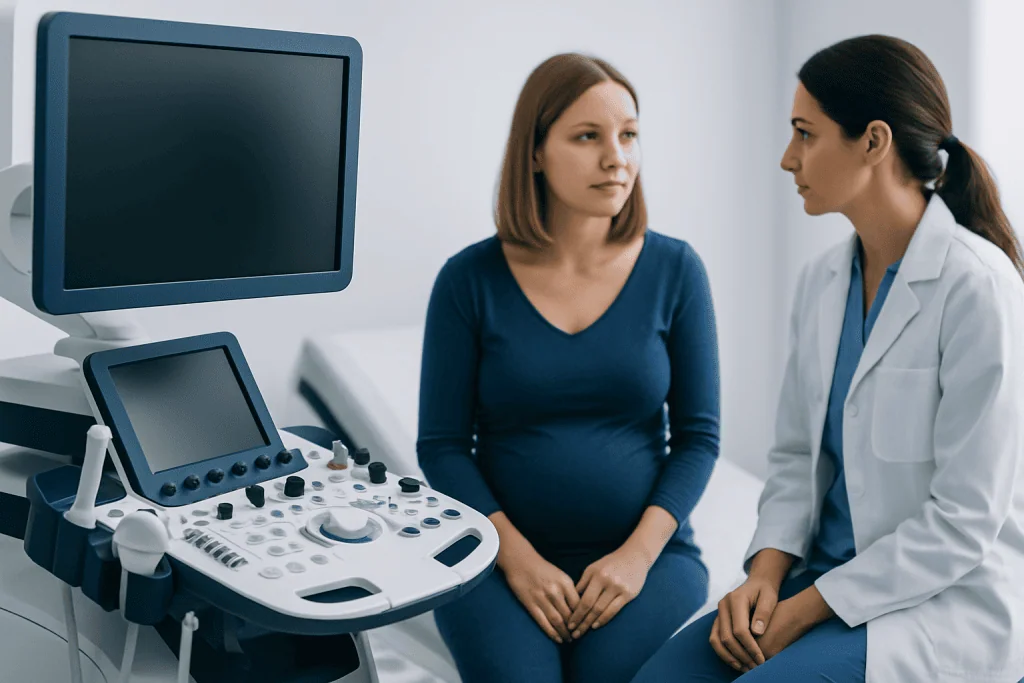
The first consultation typically starts with a detailed pregnancy history. The clinician may ask about the timing of each loss, ultrasound findings, pregnancy tissue testing if it was performed, symptoms, treatments received and whether pregnancies occurred naturally or with fertility treatment. Previous live births, ectopic pregnancies and stillbirths are also relevant.
Medical history helps direct testing. Important areas include thyroid disease, diabetes, autoimmune conditions, blood clots, menstrual patterns, uterine surgery, pelvic infection, medications, smoking, alcohol use and family history of genetic conditions or thrombosis. Both partners may be invited to provide information because some investigations involve each of them.
A physical examination may be recommended, including assessment for signs of hormonal or endocrine conditions. The clinician should explain which tests are useful, what they can and cannot show, and whether timing matters. Testing can often begin after physical recovery from a miscarriage, although some results may need to be repeated or interpreted outside pregnancy.
- Bring records from prior scans, hospital visits and laboratory results if available.
- Write down the dates and gestational ages of previous losses.
- Ask which tests are recommended now and which are not routinely helpful.
- Discuss emotional support as well as plans for future pregnancy.
Blood Tests and Genetic Investigations

Blood testing is selected according to the clinical history. Common tests may assess thyroid function, blood sugar control and antibodies linked with antiphospholipid syndrome. Antiphospholipid syndrome is an autoimmune condition associated with blood clots and pregnancy complications; its diagnosis requires specific antibody results that remain positive on repeat testing at the appropriate interval.
Additional endocrine or metabolic testing may be considered when symptoms or medical history suggest a possible concern. However, broad panels of immune tests, inherited clotting tests or hormone tests are not automatically useful for everyone. A focused approach can reduce unnecessary testing and avoid results that do not change management.
Genetic testing can be informative in selected cases. Testing pregnancy tissue after a loss may identify a chromosomal change in that pregnancy. In some circumstances, chromosome analysis, known as karyotyping, may be offered to both partners to look for a balanced chromosome rearrangement. A genetic counsellor can explain what a result means for future pregnancies and reproductive options.
Results must be considered in context. For example, an abnormality found in pregnancy tissue may explain that particular miscarriage but may not fully explain all prior losses. Conversely, normal testing does not mean that a loss was preventable or that future pregnancy is unlikely to succeed.
Uterine Imaging: Ultrasound, Hysteroscopy and MRI
Assessment of the uterus is an important part of recurrent miscarriage diagnosis because some structural differences can affect implantation or pregnancy development. A transvaginal pelvic ultrasound is often the first examination. It provides detailed views of the uterus, endometrium and ovaries without radiation and is usually performed in an outpatient setting.
If the uterine cavity needs closer assessment, clinicians may recommend saline infusion sonography, also called sonohysterography, or three-dimensional ultrasound. During saline infusion sonography, sterile fluid is placed gently into the uterus through a thin tube while ultrasound images are taken. This can help identify polyps, fibroids that distort the cavity, adhesions or a uterine septum.
Hysteroscopy uses a narrow camera passed through the vagina and cervix to view the inside of the uterus. It can confirm certain findings and, in some cases, allow treatment during the same procedure. Pelvic MRI is not needed for every patient, but it can provide further anatomical detail when ultrasound findings are uncertain or when a congenital uterine difference is suspected. Access to timely specialised ultrasound and MRI can help avoid unnecessary delays in clarifying complex findings.
For a broader overview of evaluation and care pathways, see recurrent miscarriage care.
How Diagnostic Procedures Work: Candidacy, Steps and Recovery
Most diagnostic tests are suitable for people with two or more miscarriages, but the exact plan depends on age, pregnancy history, symptoms and existing health conditions. Blood tests require a standard blood draw. Genetic testing may involve blood samples from one or both partners, while testing of pregnancy tissue is only possible if a sample is available after a loss and has been handled appropriately.
For transvaginal ultrasound, a slim ultrasound probe is placed gently in the vagina after the bladder is emptied. The examination typically takes a short time and most people can return to usual activities immediately. Saline infusion sonography is often scheduled after menstrual bleeding has stopped and before ovulation, when pregnancy is not expected. A speculum is used, a thin catheter is placed through the cervix, and saline is introduced while images are obtained.
Hysteroscopy may be performed in a clinic or operating setting, depending on the procedure and the person’s needs. The clinician introduces the hysteroscope through the cervix, usually without incisions in the abdomen. Anaesthesia or pain relief options vary. After saline infusion sonography or hysteroscopy, mild cramping or light spotting can occur for a short time. Most people resume normal daily activity quickly, but individual instructions from the care team should be followed.
The benefits of diagnostic procedures are clearer information and the possibility of finding a correctable uterine concern. Risks are generally low but can include temporary discomfort, bleeding, infection or, rarely, uterine injury with invasive procedures. The clinician will review individual risks, alternatives and reasons for proceeding before consent.
Understanding Results and Planning Next Steps
Results may identify a specific explanation, such as antiphospholipid syndrome, poorly controlled endocrine disease, a uterine cavity abnormality or a chromosome rearrangement. In these circumstances, care can be tailored to the finding. This may include managing an underlying medical condition before conception, discussing medication in pregnancy, considering uterine treatment when appropriate or receiving genetic counselling.
Sometimes no cause is identified. This is often called unexplained recurrent pregnancy loss. Although this uncertainty can be difficult, it does not mean that no support is available or that a future pregnancy cannot be successful. Follow-up may include preconception counselling, early ultrasound reassurance, review of medications and individualised pregnancy monitoring.
Not all proposed tests lead to better outcomes. Tests for many immune markers, sperm DNA fragmentation and certain inherited thrombophilias may be considered only in selected circumstances, because routine use is not supported for all people with recurrent miscarriage. Evidence-based care focuses on investigations that are likely to influence treatment decisions.
Acibadem International’s multidisciplinary specialists and JCI-accredited hospitals support international patients with diagnostic assessment and coordinated care for recurrent miscarriage.
When to Seek Medical Care
Anyone who has had two or more miscarriages, or who is worried about repeated loss, should arrange an appointment with an obstetrician-gynaecologist, fertility specialist or recurrent pregnancy loss clinic. Earlier review may be especially helpful for people aged 35 or older, those with known uterine conditions, thyroid disease, diabetes, autoimmune illness or a personal history of blood clots.
Urgent medical care is needed during pregnancy for heavy vaginal bleeding, severe or one-sided abdominal pain, fainting, shoulder pain, fever, chills or feeling very unwell. These symptoms can have several causes, including ectopic pregnancy or infection, and require prompt assessment.
Pregnancy loss can affect emotional wellbeing as well as physical health. Grief, anxiety and uncertainty are common. Seeking support from a clinician, counsellor, bereavement service or trusted support network is a valid and important part of care.
Frequently asked questions
When is recurrent miscarriage testing recommended?
Testing may be considered after two or more miscarriages, although definitions and recommendations vary. A clinician will consider age, the timing of losses, medical history and any prior test results when deciding whether to start an evaluation.
What tests are included in recurrent miscarriage diagnosis?
Evaluation commonly includes a detailed history, selected blood tests, genetic assessment and imaging of the uterus. The precise tests depend on individual circumstances, because not every test is useful for every person.
Can an ultrasound find the cause of recurrent miscarriage?
Ultrasound can identify some uterine differences, such as fibroids affecting the uterine cavity, polyps, adhesions or a possible uterine septum. It cannot identify every cause, so it is usually interpreted alongside laboratory and genetic results.
Is MRI necessary for recurrent miscarriage diagnosis?
MRI is not routinely required. It may be recommended when ultrasound does not provide enough detail or when a complex congenital uterine difference is suspected.
How long does recurrent miscarriage testing take?
Some blood and ultrasound results may be available quickly, while genetic tests and repeat antibody testing can take longer. The timeline also depends on whether tests need to be scheduled during a particular phase of the menstrual cycle.
What happens if no cause is found?
A substantial proportion of people have no clearly identifiable cause after evaluation. A clinician can still provide preconception advice, early pregnancy monitoring and emotional support, and discuss the outlook based on the person’s age and pregnancy history.
References
- American College of Obstetricians and Gynecologists
- European Society of Human Reproduction and Embryology
- Royal College of Obstetricians and Gynaecologists
- American Society for Reproductive Medicine
This article is for general information only and is not a substitute for professional medical advice. Please consult a qualified doctor about your individual situation.
Explore treatments in Turkey — costs, top hospitals & a free quote
JCI-accredited · board-certified surgeons · reply within 24h
Add us as a Preferred Source to see more of our trusted health content across Google Search, AI Overviews and Discover.