How Sleep Problems Affect the Nervous System Over Time

Healthy sleep supports brain repair, memory, emotional balance, and nerve signaling. Long-term sleep problems may affect attention, mood, pain sensitivity, and autonomic nervous system function.
Key Takeaways
- Healthy sleep supports brain repair, memory, emotional balance, and nerve signaling.
- Long-term sleep problems may affect attention, mood, pain sensitivity, and autonomic nervous system function.
- Common causes include insomnia, sleep apnea, circadian rhythm disruption, stress, medications, and medical conditions.
- Diagnosis may involve a sleep history, physical exam, sleep diary, and sometimes a sleep study.
- Treatment depends on the cause and may include sleep habit changes, behavioral therapy, and treatment for underlying sleep disorders.
- Persistent sleep symptoms, daytime sleepiness, loud snoring, or breathing pauses should be medically evaluated.
Sleep is essential for healthy brain and nerve function. When sleep problems continue over time, they can affect memory, mood, concentration, stress responses, and the way the nervous system regulates the body.
Overview
Sleep is not simply a period of rest. It is an active biological process that helps the brain and nervous system reset, organize information, regulate hormones, and maintain healthy communication between nerve cells. During normal sleep, the body moves through carefully timed stages that support learning, memory, emotional control, immune function, and energy balance.
When sleep problems happen occasionally, the nervous system can often recover. But when poor sleep becomes frequent or long-lasting, it can place ongoing stress on the brain and the wider nervous system. Over time, this may affect concentration, reaction time, mood, pain sensitivity, and the body’s automatic functions such as heart rate, breathing, and blood pressure regulation.
Sleep problems can include trouble falling asleep, waking often during the night, waking too early, poor-quality sleep, excessive daytime sleepiness, or abnormal breathing during sleep. Conditions such as sleep apnea and chronic insomnia are important examples because they can repeatedly interrupt the restorative processes the nervous system depends on.
How Sleep Supports the Nervous System
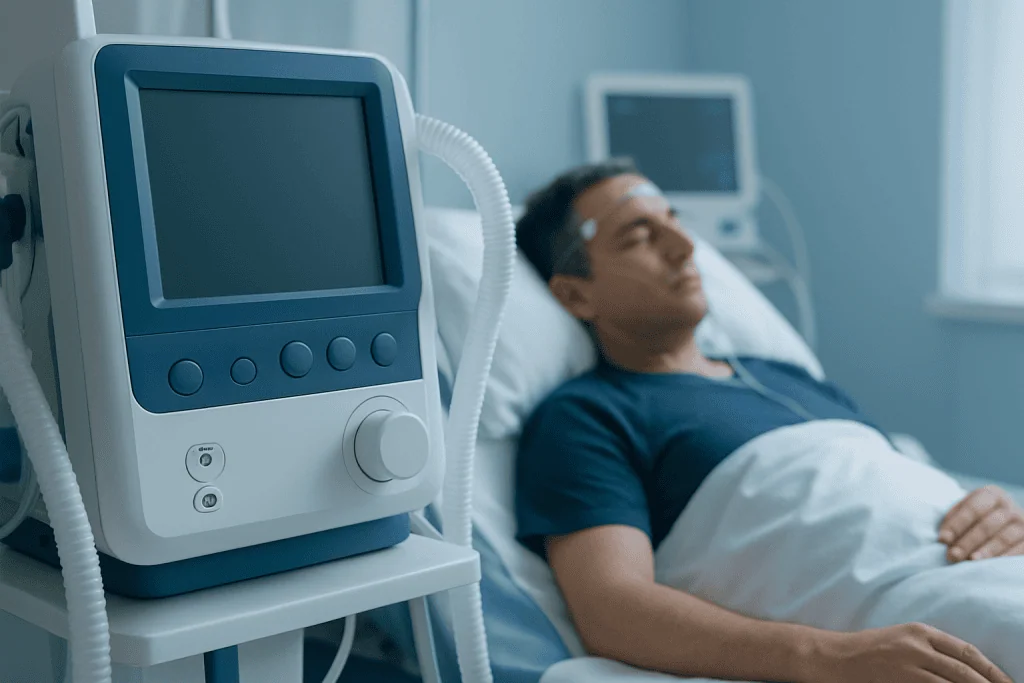
The brain uses sleep to carry out essential maintenance. During sleep, networks involved in memory and learning process new information and strengthen important connections. At the same time, the brain reduces less useful signals, helping attention and thinking feel clearer the next day. This is one reason why good sleep improves concentration, judgment, and emotional stability.
Sleep also helps regulate chemicals that nerve cells use to communicate. Balanced signaling between excitatory and calming pathways is important for alertness, mood, movement, and sensory processing. If sleep is shortened or fragmented, these systems may become less coordinated, making a person feel irritable, mentally foggy, or unusually sensitive to stress.
Another important role of sleep is support for the autonomic nervous system, which controls automatic body functions. Healthy sleep helps maintain appropriate patterns of heart rate, blood pressure, temperature, and breathing. Repeated sleep disruption may shift the body into a more activated, “fight-or-flight” state, increasing strain on both the nervous system and overall health.
Symptoms and Long-Term Effects of Poor Sleep

In the short term, sleep loss often causes fatigue, poor focus, forgetfulness, slower reactions, and mood changes. A person may find it harder to complete everyday tasks, stay patient, or cope with stress. Headaches, low motivation, and reduced mental sharpness are also common.
When sleep problems continue over months or years, the effects on the nervous system can become more noticeable. Persistent poor sleep may affect memory formation, attention, decision-making, and emotional regulation. Some people become more anxious or depressed, while others experience increased irritability, reduced resilience, or a stronger perception of pain.
Long-standing sleep disturbance can also affect the autonomic nervous system. This may contribute to fluctuations in blood pressure, faster heart rate, sweating, digestive discomfort, or a sense of being physically “on edge.” In some cases, sleep-related breathing problems or repeated nighttime awakenings may worsen daytime sleepiness and reduce safety during work, school, or driving.
- Difficulty concentrating or remembering information
- Daytime sleepiness or mental fog
- Low mood, anxiety, or irritability
- Headaches and increased pain sensitivity
- Reduced reaction time and slower thinking
- Stress intolerance and feeling overstimulated
Common Causes and Risk Factors
Sleep problems can develop for many reasons, and more than one factor may be involved. Emotional stress, anxiety, irregular schedules, shift work, travel across time zones, excess screen use before bed, caffeine, alcohol, and certain medications can all interfere with normal sleep. Pain, reflux, breathing problems, hormonal changes, and neurological or psychiatric conditions may also disturb sleep quality.
Insomnia is one of the most common sleep complaints. It may begin after stress or illness but can continue if the brain starts to associate bedtime with frustration or alertness. Sleep apnea is another major cause of nervous system strain because it repeatedly disrupts breathing and lowers sleep quality through the night. In some people, movement-related sleep disorders, circadian rhythm disorders, or conditions such as restless legs syndrome also play a role.
Risk factors for chronic sleep problems include older age, obesity, chronic medical illness, mental health conditions, family history of sleep disorders, and work or caregiving schedules that disrupt regular sleep timing. Identifying the cause is important, because treatment is most effective when it addresses the underlying problem rather than only the symptom of poor sleep.
Diagnosis and Sleep Evaluation
A medical evaluation usually begins with a detailed sleep history. The doctor may ask about bedtime habits, snoring, witnessed breathing pauses, frequent awakenings, leg discomfort, daytime fatigue, mood symptoms, work schedule, and medication or substance use. A person may also be asked to keep a sleep diary for several days or weeks.
The physical examination can help identify contributing factors such as nasal obstruction, enlarged tonsils, obesity, high blood pressure, neurological symptoms, or signs of other medical conditions. Questionnaires may be used to measure sleepiness, insomnia severity, or the likelihood of sleep apnea. In some cases, a wearable device or home record may provide additional information, although these do not replace a full medical assessment.
When a sleep disorder is suspected, further testing may be recommended. This can include a sleep study to monitor breathing, oxygen levels, heart rhythm, brain activity, and body movements during sleep. Depending on the symptoms, some patients may also benefit from evaluation by specialists in neurology, respiratory medicine, mental health, or ear, nose, and throat care.
Treatment Options
Treatment depends on the type and cause of the sleep problem. For many people, the first step is improving sleep habits and identifying triggers such as late caffeine, irregular bedtimes, alcohol, or overstimulating evening routines. If stress or learned sleep anxiety is part of the problem, structured behavioral treatment can be especially helpful.
For chronic insomnia, doctors often recommend cognitive behavioral therapy for insomnia because it helps change the thoughts and habits that keep sleep problems going. This approach may include stimulus control, sleep scheduling, relaxation techniques, and strategies to reduce worry about sleep. Medicines may sometimes be considered, but they are not the right solution for every patient and should be used under medical guidance.
If the problem is caused by sleep-disordered breathing, treatment may focus on restoring normal airflow and reducing repeated awakenings. Depending on the diagnosis, options may include weight management, positional strategies, oral devices, or CPAP therapy for obstructive sleep apnea. When another condition such as depression, chronic pain, reflux, or a neurological disorder contributes to poor sleep, managing that condition is also an important part of care.
Near the end of the diagnostic process, some patients need coordinated care from multiple specialties. Acibadem International’s multidisciplinary specialists and JCI-accredited hospitals evaluate and treat sleep-related conditions for international patients when advanced assessment is needed.
Prevention and Self-Care
Healthy sleep habits can reduce strain on the nervous system and support long-term well-being. A regular sleep-wake schedule is one of the most effective steps. Going to bed and waking up at similar times each day helps the brain’s internal clock stay stable, which can improve sleep quality over time.
The sleep environment also matters. A cool, dark, and quiet bedroom can help the body transition into sleep more easily. Many people benefit from limiting bright screens before bedtime, avoiding large late meals, and reducing caffeine or nicotine later in the day. Gentle wind-down routines such as reading, stretching, or relaxation breathing may help calm the nervous system.
Daytime habits are equally important. Regular physical activity, exposure to morning daylight, and balanced management of stress can all support healthier sleep. However, if self-care measures do not help after several weeks, or if symptoms are severe, it is wise to seek professional advice rather than trying to manage persistent sleep problems alone.
- Keep a consistent bedtime and wake time
- Limit screens and stimulating activity before bed
- Avoid late caffeine, nicotine, and excess alcohol
- Create a comfortable, quiet sleep environment
- Stay physically active during the day
- Seek evaluation for ongoing snoring, insomnia, or daytime sleepiness
When to See a Doctor
Medical advice is important if sleep problems last more than a few weeks, affect daily function, or lead to significant daytime sleepiness. A doctor should also assess loud habitual snoring, choking or gasping during sleep, witnessed breathing pauses, unusual movements at night, or sleep-related behaviors that may create risk of injury.
People should also seek help if sleep loss is linked with mood changes, memory problems, frequent headaches, worsening concentration, or reduced work or school performance. These symptoms do not always mean a serious neurological illness, but they do deserve careful evaluation because the nervous system relies on good sleep to function well.
Urgent medical attention is needed if severe daytime sleepiness creates a risk while driving or operating machinery, or if nighttime symptoms occur with chest pain, severe shortness of breath, or sudden neurological changes. Early evaluation can identify the cause and help protect both sleep quality and nervous system health over time.
Frequently asked questions
Can lack of sleep really affect the nervous system?
Yes. Sleep is essential for brain repair, memory processing, emotional regulation, and healthy nerve signaling. When sleep is poor for a long time, the nervous system can become less efficient at managing attention, mood, stress, and automatic body functions.
What are the most common neurological effects of chronic sleep problems?
Common effects include brain fog, poor concentration, forgetfulness, slower reaction time, irritability, and lower stress tolerance. Some people also notice headaches, increased pain sensitivity, or daytime sleepiness that affects work, study, or driving.
Do sleep problems increase anxiety or depression?
Sleep and mental health are closely linked. Ongoing poor sleep can worsen anxiety, low mood, and emotional reactivity, while anxiety and depression can also make sleep harder. Because this relationship goes both ways, addressing sleep often supports mental well-being too.
How do doctors find the cause of sleep problems?
Doctors usually begin with a detailed history of sleep habits, daytime symptoms, medical conditions, and medications. Depending on the situation, they may recommend a sleep diary, questionnaires, or a sleep study to check breathing, brain activity, and body movements during sleep.
Can sleep problems be treated without medication?
In many cases, yes. Sleep habit changes, stress management, and behavioral treatments such as cognitive behavioral therapy for insomnia are often very effective. Treatment for underlying causes, such as sleep apnea or restless legs syndrome, is also important.
When should someone worry about snoring?
Snoring should be medically assessed if it is loud and frequent, especially if it happens with choking, gasping, pauses in breathing, or strong daytime sleepiness. These features may suggest sleep apnea, which can affect both nervous system function and overall health over time.
References
- American Academy of Sleep Medicine
- National Institute of Neurological Disorders and Stroke
- National Heart, Lung, and Blood Institute
- Centers for Disease Control and Prevention
- World Health Organization
This article is for general information only and is not a substitute for professional medical advice. Please consult a qualified doctor about your individual situation.
Explore treatments in Turkey — costs, top hospitals & a free quote
JCI-accredited · board-certified surgeons · reply within 24h
Add us as a Preferred Source to see more of our trusted health content across Google Search, AI Overviews and Discover.
Check your numbers in seconds
BMI, calories, due date, blood pressure and 30+ more clinical calculators — free, instant, doctor-reviewed ranges.