How Soon after Cataract Surgery Can Yag Laser Be Done: Procedure, Recovery and Results
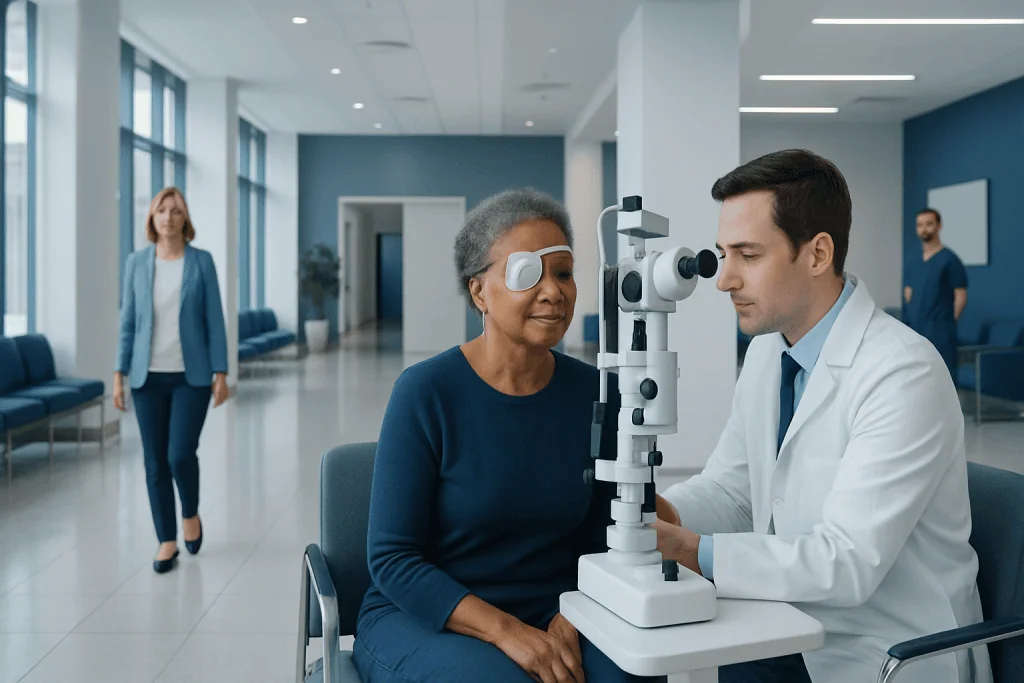
YAG laser treatment is not routinely needed after cataract surgery; it is used when posterior capsule opacification affects vision. Many people undergo YAG capsulotomy months or years after cataract surgery, once healing is complete and symptoms warrant treatment.
Key Takeaways
- YAG laser treatment is not routinely needed after cataract surgery; it is used when posterior capsule opacification affects vision.
- Many people undergo YAG capsulotomy months or years after cataract surgery, once healing is complete and symptoms warrant treatment.
- The procedure is generally quick, does not involve an incision, and often improves vision within hours to days.
- Temporary blurred vision, floaters and light sensitivity can occur after treatment; serious complications are uncommon but need prompt assessment.
- Follow-up and individual timing should be determined by an ophthalmologist, particularly for people with retinal disease, glaucoma or previous eye surgery.
YAG laser capsulotomy is usually considered several months or longer after cataract surgery, when the eye has healed and posterior capsule opacification is causing bothersome vision changes. It is a brief outpatient laser procedure that clears the cloudy capsule behind the artificial lens rather than treating a returning cataract.
How soon after cataract surgery can YAG laser be done?
YAG laser capsulotomy can usually be done only after the eye has fully recovered from cataract surgery and a cloudy lens capsule is confirmed to be the cause of reduced vision. For many people, this means waiting at least several months; however, the exact timing varies. Some people develop clouding years after surgery, while others never need laser treatment.
Cataract surgery removes the cloudy natural lens and replaces it with an intraocular lens. The clear capsule that holds this lens in place is normally left behind. If this capsule later becomes cloudy, it can blur vision in a way that resembles a cataract. This is called posterior capsule opacification (PCO), and it is not a cataract growing back.
An ophthalmologist considers symptoms, eye healing, the appearance of the capsule and any other possible cause of blurred vision before recommending treatment. When PCO is responsible, YAG laser capsulotomy after cataract surgery can create a clear opening in the capsule so light can again reach the retina more easily.
How YAG laser capsulotomy works and who may be a candidate
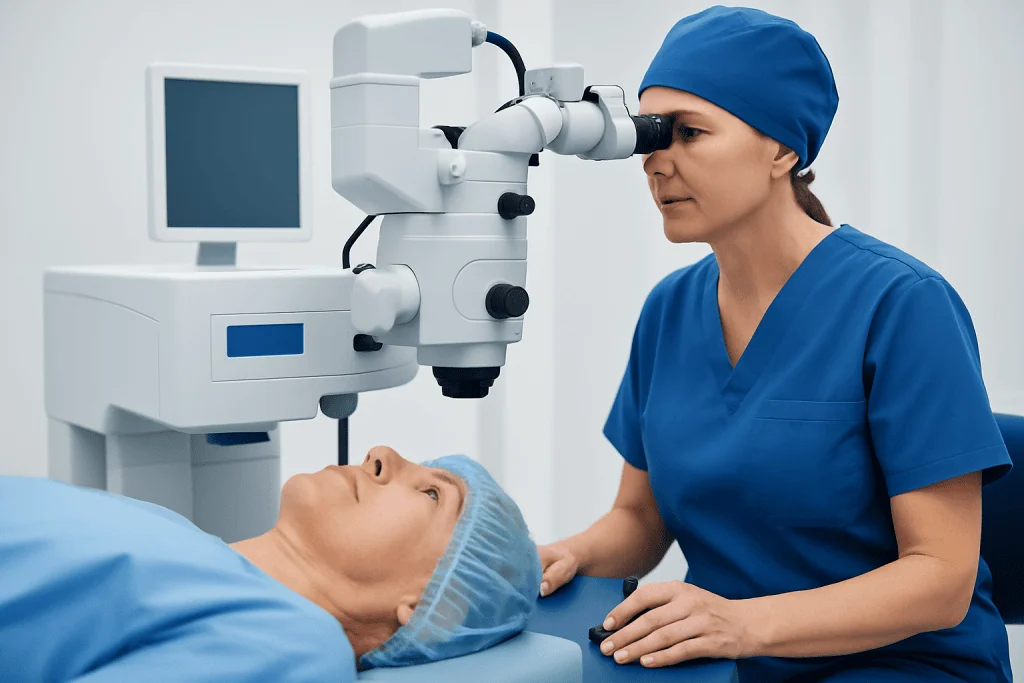
YAG stands for yttrium-aluminum-garnet, the type of laser used in this procedure. The laser makes a small opening in the center of the cloudy posterior capsule, behind the implanted lens. No surgical incision is made, and the artificial lens is usually not removed or replaced.
People may be candidates when PCO causes meaningful visual symptoms, such as hazy or dim vision, glare around lights, reduced contrast, difficulty reading or reduced clarity on an eye examination. The decision is based on how symptoms affect daily activities as well as examination findings, rather than on capsule clouding alone.
Before treatment, the ophthalmologist checks for other explanations for reduced vision, including dry eye, refractive error, retinal disorders, glaucoma or changes involving the cornea. People with a history of retinal tears or detachment, significant diabetic eye disease, eye inflammation, severe glaucoma or certain complex eye surgeries may need individualized planning and closer follow-up.
What happens during the procedure

YAG laser capsulotomy is commonly performed in an eye clinic or outpatient setting. The visit may include a vision check, pupil-dilating drops and pressure-lowering drops when appropriate. Numbing eye drops are used, so the procedure is generally not painful, although the person may notice bright flashes of light or hear soft clicking sounds.
The patient sits at a laser machine similar to the equipment used for an eye examination. A special contact lens may be placed gently on the eye to help focus the laser. The ophthalmologist directs a series of laser pulses at the cloudy capsule to create an opening behind the intraocular lens.
The laser portion often takes only a few minutes, though the overall appointment may be longer because of preparation and checks afterward. Vision can be temporarily blurred from dilating drops or floating capsule particles. A clinician may measure eye pressure shortly after the procedure or arrange a follow-up visit, depending on the individual situation.
Benefits, risks and recovery timeline
The main benefit of YAG laser capsulotomy is improved clarity when PCO is the reason for visual decline. Many people notice improvement within a few hours or days, although the pace can differ. Vision may continue to settle over several days as dilation wears off and the eye adapts.
It is common to see small floaters or specks after treatment. These are usually fragments from the treated capsule and often become less noticeable over time. Mild irritation, light sensitivity or short-lived blur can also occur. The ophthalmologist may prescribe anti-inflammatory drops or recommend other aftercare based on the eye examination.
Complications are uncommon but can include a temporary rise in eye pressure, inflammation, swelling at the center of the retina, damage to the intraocular lens, retinal tear or retinal detachment. The risk profile differs between individuals. Prompt review is important for increasing pain, marked redness, a curtain-like shadow, a sudden shower of new floaters or flashes of light.
Unlike cataract surgery, the opening made by YAG laser treatment usually remains clear. However, good vision also depends on the health of the retina, optic nerve, cornea and eye surface. If another eye condition is present, clearing the capsule may not restore vision to the expected degree.
What should you not do after a YAG laser treatment?
Most people can return to normal light activities the same day, but they should follow the individual instructions provided by their ophthalmologist. They should not drive immediately if their vision remains blurred or their pupils are still dilated. Arranging transport home can be sensible, especially after the first treatment.
It is generally advisable not to rub or press on the treated eye. People should use prescribed eye drops exactly as directed and avoid skipping follow-up appointments. They should also avoid placing non-prescribed drops, makeup products or other substances in the eye unless their clinician confirms they are safe.
There is usually no need for prolonged activity restriction after an uncomplicated procedure. However, people should ask their clinician about swimming, strenuous exercise and contact sports, particularly if they have other eye conditions or have recently had additional eye surgery. New or worsening symptoms should not be managed at home without professional advice.
What percentage of people need a YAG after cataract surgery?
Not everyone needs YAG laser treatment after cataract surgery. Posterior capsule opacification is a known longer-term change after surgery, but whether it requires treatment depends on whether it causes significant visual symptoms or interferes with an eye examination or retinal care.
Reported rates vary because they depend on factors such as the lens implant type, surgical technique, age, eye health and length of follow-up. In broad terms, a minority to a substantial proportion of patients may develop visually important PCO over the years after surgery, while many do not need a laser procedure.
Young people and those who have certain eye conditions may be more likely to develop capsule clouding. The appropriate approach is not preventive laser treatment; it is assessment when vision becomes hazy, glare increases or visual function declines after an initially successful cataract operation.
How long does it take for eyes to heal after a YAG laser?
After an uncomplicated YAG laser capsulotomy, the eye generally recovers quickly. Many people feel comfortable the same day and can see more clearly within hours to a few days. Any temporary blur from dilating drops usually resolves sooner, while floaters may take days or weeks to become less noticeable.
The capsule opening itself does not heal closed in the way a skin wound does. Instead, the ophthalmologist monitors the eye for short-term effects such as inflammation or a pressure rise. Some people need drops for a brief period, and others need only observation.
Recovery may take longer when there are coexisting eye conditions, including macular degeneration, diabetic retinal disease, uveitis, glaucoma or corneal disease. In these situations, the doctor can explain what improvement is realistic and when it is safe to resume particular activities.
Why is my vision not clear after a YAG laser capsulotomy?
Blurred vision immediately after YAG laser treatment can occur because the pupil remains dilated, the eye has been exposed to bright light or small capsule particles are temporarily floating in the eye. This often improves within a short period. Mild inflammation or a temporary change in eye pressure can also affect clarity and may require prescribed treatment.
If vision does not improve as expected, the cause may be unrelated to the capsule. Dry eye, an uncorrected glasses prescription, corneal changes, retinal disease or optic nerve damage can limit visual sharpness even after the capsule is cleared. A detailed eye examination is the safest way to identify the reason.
Sudden worsening vision, severe pain, increasing redness, flashes, numerous new floaters or a dark curtain in the field of vision require urgent eye assessment. These symptoms are uncommon, but early evaluation helps protect sight if a retinal or pressure-related problem is present.
When to seek medical care
People should contact their eye doctor if blurred vision, glare or fading visual quality develops months or years after cataract surgery. These changes may be due to PCO, but an examination is important because other eye conditions can cause similar symptoms. An ophthalmologist can determine whether YAG laser treatment is suitable and discuss expected results.
Urgent medical care is needed after YAG treatment for severe or increasing eye pain, substantial redness, a sudden drop in vision, flashes of light, a large increase in floaters, or a shadow or curtain across vision. These symptoms do not always indicate a serious complication, but they should be assessed without delay.
Acibadem International’s multidisciplinary specialists and JCI-accredited hospitals assess cataract-related vision changes and provide treatment planning for international patients. Individual follow-up is particularly important for patients with glaucoma, diabetes-related eye disease or a prior retinal problem.
Frequently asked questions
Can YAG laser be done soon after cataract surgery?
YAG laser is usually delayed until the eye has healed from cataract surgery and posterior capsule opacification is confirmed as the cause of vision changes. This is often months later, but the correct timing is individual. An ophthalmologist determines whether the capsule clouding is significant enough to treat.
Does YAG laser capsulotomy hurt?
The procedure is usually painless because numbing drops are used. A person may notice bright flashes and may feel the contact lens used during treatment, but there is generally no incision or injection into the eye. Mild temporary irritation can occur afterward.
Can posterior capsule opacification come back after YAG laser?
The central opening created during YAG capsulotomy typically remains open, so the same capsule clouding usually does not return. Vision can still change later for other reasons, including dry eye, a glasses prescription change or retinal disease. New symptoms should therefore be checked by an eye professional.
How soon can someone drive after YAG laser treatment?
Driving should be avoided until vision is clear and the effects of dilating drops have worn off. Some people can drive later the same day, while others need someone to take them home. The treating ophthalmologist’s guidance should be followed, particularly when vision is blurred.
Are floaters normal after YAG laser capsulotomy?
Small floaters can be common shortly after treatment because tiny capsule fragments may move within the eye. They often become less noticeable over days or weeks. A sudden large number of floaters, flashes of light or a curtain-like shadow requires urgent eye assessment.
Will YAG laser improve vision immediately?
Some people notice clearer vision within hours, while others improve over several days. The result depends on the extent of capsule clouding and on the health of the retina, cornea and optic nerve. If vision remains unclear, an ophthalmologist can check for inflammation, pressure changes or another underlying cause.
References
- American Academy of Ophthalmology
- National Eye Institute
- Royal College of Ophthalmologists
- Mayo Clinic
This article is for general information only and is not a substitute for professional medical advice. Please consult a qualified doctor about your individual situation.
Cataract Surgery in Turkey — costs, top hospitals & a free quote
JCI-accredited · board-certified surgeons · reply within 24h
Add us as a Preferred Source to see more of our trusted health content across Google Search, AI Overviews and Discover.

Ophthalmology
Comprehensive eye care from laser vision correction to retina, cornea and cataract surgery.
75 specialists in this unitMore from the Health Library



Related Specialists

Asst. Prof. Dr. Zeynep Tuğçe Sarıkaya
Intensive Care
Dr. Necip Tolga Özbay
Pediatrics
Dr. Sedat Özkaya
Emergency Service
Assoc. Prof. Dr. Çağrı Örs
Orthopedic Surgery & Traumatology